

Motmot

アメリカササゴイ 対 カンムリサギ

Butorides virescens 対 Ardeola ralloides

アメリカササゴイとカンムリサギのクイズ
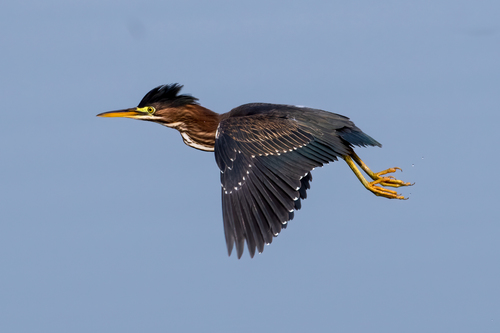
アメリカササゴイ (Butorides virescens) アメリカササゴイ
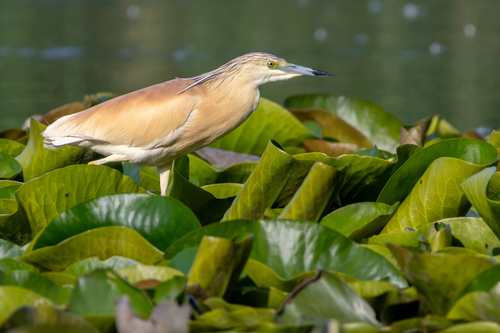
カンムリサギ (Ardeola ralloides) カンムリサギ

メディア

読み込み中…

要点

アメリカササゴイとカンムリサギの最も信頼できるフィールドマークは、飛行中の翼の色の劇的な違いです:カンムリサギはそのバフィーな体と対照的な目を引く白い翼を示し、アメリカササゴイの翼は暗く虹色で、決して白くはありません。幼鳥のアメリカササゴイは上面が重く縞模様で斑点のある茶色ですが、カンムリサギの幼鳥はより淡く、あまり大胆に模様がありません。構造的には、アメリカササゴイはよりコンパクトで、首と脚が短く、より暗く鋭いくちばしを持ち、カンムリサギはよりがっしりしていて、短くて太いくちばしとバフ茶色の背中を持っています。止まっているとき、両者は猫背に見えることがありますが、羽毛とくちばしの違いは明確です。声はこれら二つのフィールドでの強い区別要因ではありませんが、文脈と地理は重要です:アメリカササゴイは厳密に新世界に生息し、カンムリサギは旧世界に生息しています。

識別のコツ

  1. Wing color in flight (all ages): カンムリサギは常に飛行中に明るい白い翼を示し、そのバフィーな体と対照的です。アメリカササゴイの翼は暗い緑がかったまたは青がかった色で、決して白くはありません。これは最も信頼できるフィールドマークです。
  2. Juvenile plumage: 幼鳥のアメリカササゴイは下部が重く縞模様の茶色と白で、上面はタンの斑点があり、翼の覆羽は斑点があります。幼鳥のカンムリサギはより淡く、タウニーの上面とより明るく、あまり大胆でない縞模様を持っています。
  3. Adult perched plumage: アメリカササゴイの成鳥は光沢のある緑がかった黒い帽子、虹色の緑または青黒い背中と翼、白い喉の縞模様を持つ栗色の首を持っています。カンムリサギの成鳥はバフ茶色の背中、白い腹部、(繁殖期には)長い首の羽毛を持っています。
  4. Bill shape and color: アメリカササゴイは長く鋭い暗いくちばしを持っています。カンムリサギのくちばしは短く、太く、特に基部で淡いです。
  5. Neck and posture: アメリカササゴイはしばしばよりコンパクトに見え、首を体にぴったりと引き寄せ、脚が短くなっています。カンムリサギはがっしりしていますが、警戒しているときには長い首に見えることがあります。
  6. Leg color: アメリカササゴイは短い黄色(時には緑がかった黄色)の脚を持っています;カンムリサギの脚の色はメモに指定されていませんが、フィールドでは通常黄色がかっています。
  7. Sex differences: メスのアメリカササゴイはオスよりもわずかに小さく、繁殖期には特に鈍いです。カンムリサギには強い性差は記載されていません。
  8. Behavior: アメリカササゴイは孤独で、餌を取るときに他の鳥に対して不寛容です;カンムリサギは他の水鳥と小さなコロニーで巣を作ります。
  9. Bait-fishing: アメリカササゴイは魚を誘うために物を使うことで知られており、カンムリサギにはこの行動は記載されていません。
  10. Geographic range: アメリカササゴイは新世界(アメリカ大陸)に生息し、カンムリサギは旧世界(ヨーロッパ、中東、アフリカ)に生息しています。アメリカ大陸にいる場合、淡い白い翼のサギはほぼ確実にカンムリサギではありません。
  11. Size and structure: カンムリサギはわずかに重く、翼幅が長いですが、両者は長さは似ています;サイズはフィールドでの信頼できるフィールドマークではありません。
  12. Voice: アメリカササゴイの鳴き声は大きく急で、カンムリサギの鳴き声はここでは記載されていないため、声に頼って区別しないでください。
  13. Seasonal context: アメリカササゴイはアメリカ大陸内で移動します;カンムリサギはヨーロッパ/中東とアフリカの間で移動します。範囲外の記録は稀で、注意深く調査する必要があります。
  14. Habitat: 両者は淡水の湿地を利用しますが、アメリカササゴイはアメリカ大陸の人間が作った生息地(運河、溝)を利用する可能性が高いです。
  15. Pitfalls: 幼鳥のアメリカササゴイには注意してください。これらはより淡く、より縞模様に見えることがありますが、飛行中に白い翼を示すことはありません。カンムリサギは止まっているときに非常に淡く見えることがありますが、飛ぶときには常に白い翼を見せます。

大きさ

両種は小型のサギですが、カンムリサギはわずかに重いです(体重約288 g対アメリカササゴイの約240 g [wikidata, wikipedia])。長さは似ています(アメリカササゴイ:41–46 cm;カンムリサギ:44–47 cm)が、カンムリサギは明らかに翼幅が長いです(80–92 cm対アメリカササゴイの64–68 cm)。手に持ったり近距離で見ると、カンムリサギは少しがっしりしていますが、フィールドではサイズだけでは信頼できる区別要因ではありません。

羽色

行動

両種は通常、餌を取るときに孤独で秘密主義であり、水辺で動かずに立っていることが多いです。アメリカササゴイは餌を取るときに他の鳥に対して不寛容で、群れで餌を取ることはほとんどありませんが、カンムリサギは他の水鳥と小さなコロニーで巣を作ります。アメリカササゴイは餌を誘うために物を使うことで知られており、この行動はカンムリサギには特に記載されていません。飛行中、カンムリサギは翼が長いためにより白く、より浮力があるように見え、アメリカササゴイはコンパクトで暗く見えます。

生息環境

アメリカササゴイは北アメリカと中央アメリカに生息し、河川域、湿地、池、湖、さらには人間が作った溝や運河を好みます。カンムリサギは厳密に旧世界に生息し、南ヨーロッパと中東で繁殖し、サハラ以南のアフリカで越冬し、湿地を好みます。これらの範囲外での目撃はおそらく迷い鳥です。両種は似たような淡水の生息地を利用しますが、通常の状況下ではその範囲は重なりません。

声

アメリカササゴイは大きく急な「キョウ」という鳴き声と、一連の柔らかい「クク」という音を持ち、追加の求愛の鳴き声(「ラアーラアー」、「フームフームフーム」、「ルーるー」、「アールーアールー」)があります。カンムリサギの鳴き声は提供されたメモには記載されておらず、声はこれら二種を区別するための主要なフィールドマークではありません。

より良い説明を送る

比較と同じ項目を使ってください。文章はすぐに公開されます。

The most reliable field mark between Green Heron and Squacco Heron is the dramatic difference in wing color in flight: Squacco Heron shows strikingly white wings contrasting with its buffy body, while Green Heron’s wings are dark and iridescent, never white. Juvenile Green Herons are heavily streaked and mottled brown above, while Squacco Heron juveniles are paler and less boldly marked. Structurally, Green Heron is more compact with a shorter neck and legs, and a darker, sharper bill, while Squacco Heron is stockier with a shorter, thicker bill and a buff-brown back. Perched, both can appear hunched, but the plumage and bill differences remain clear. Voice is not a strong separator in the field for these two, but context and geography are: Green Heron is strictly New World, Squacco Heron Old World.

  1. Wing color in flight (all ages): Squacco Heron always shows bright white wings in flight, contrasting with its buffy body. Green Heron's wings are dark greenish or bluish, never white. This is the single most reliable field mark.
  2. Juvenile plumage: Juvenile Green Herons are heavily streaked brown and white below, with tan-splotched upperparts and mottled wing coverts. Juvenile Squacco Herons are paler, with tawny upperparts and lighter, less bold streaking.
  3. Adult perched plumage: Green Heron adults have a glossy greenish-black cap, iridescent green or blue-black back and wings, and a chestnut neck with white throat stripes. Squacco Heron adults have a buff-brown back, white underparts, and (in breeding season) long neck plumes.
  4. Bill shape and color: Green Heron has a long, sharp, dark bill. Squacco Heron's bill is shorter, thicker, and paler, especially at the base.
  5. Neck and posture: Green Heron often appears more compact, with its neck pulled in tight against the body and shorter legs. Squacco Heron is stockier but can look longer-necked when alert.
  6. Leg color: Green Heron has short yellow (sometimes greenish-yellow) legs; Squacco Heron's leg color is not specified in the notes, but is typically yellowish in the field.
  7. Sex differences: Female Green Herons are slightly smaller and duller than males, especially in breeding season. No strong sexual dimorphism is noted for Squacco Heron.
  8. Behavior: Green Heron is solitary and intolerant of other birds when feeding; Squacco Heron nests in small colonies with other waders.
  9. Bait-fishing: Green Heron is known for using objects to lure fish, a behavior not described for Squacco Heron.
  10. Geographic range: Green Heron is New World (Americas); Squacco Heron is Old World (Europe, Middle East, Africa). If you are in the Americas, a pale, white-winged heron is almost certainly not a Squacco.
  11. Size and structure: Squacco Heron is slightly heavier and has a longer wingspan, but both are similar in length; size is not a reliable field mark in the field.
  12. Voice: Green Heron's calls are loud and abrupt; Squacco Heron's calls are not described here, so do not rely on voice for separation.
  13. Seasonal context: Green Heron migrates within the Americas; Squacco Heron migrates between Europe/Middle East and Africa. Out-of-range records are rare and should be carefully scrutinized.
  14. Habitat: Both use freshwater wetlands, but Green Heron is more likely to use human-made habitats (canals, ditches) in the Americas.
  15. Pitfalls: Beware of juvenile Green Herons, which can look paler and more streaked, but never show white wings in flight. Squacco Heron can look very pale when perched, but always flashes white wings when it flies.

Both species are small herons, but Squacco Heron is slightly heavier (body mass ~288 g vs. Green Heron's ~240 g [wikidata, wikipedia]). Length is similar (Green Heron: 41–46 cm; Squacco Heron: 44–47 cm), but Squacco Heron has a noticeably longer wingspan (80–92 cm vs. Green Heron's 64–68 cm). In the hand or at close range, Squacco Heron is a bit bulkier, but in the field, size alone is not a reliable separator.

  • Juvenile/immature birds in flight: Squacco Heron always shows white wings, even in young birds, while Green Heron (all ages) has dark, greenish or bluish wings with no white. Juvenile Green Herons are heavily streaked brown and white below, with tan-splotched upperparts and wing coverts; their backs are duller and more mottled than adults. Juvenile Squacco Herons are paler overall, with tawny upperparts, lighter streaking, and less contrast between back and wings.
  • Adults (perched): Green Heron adults have a glossy greenish-black cap, iridescent green or blue-black back and wings, and a rich chestnut neck with white throat stripes. Squacco Heron adults in breeding plumage have a buff-brown back, white underparts, and long neck plumes; their bill is shorter and thicker.
  • Adults (in flight): Squacco Heron transforms in flight, with the entire upper- and underwing appearing bright white, in stark contrast to the body. Green Heron’s wings remain dark and never show white.
  • Sex differences: Female Green Herons are slightly smaller and duller than males, especially in breeding season; no strong sexual dimorphism is noted for Squacco Heron.

Both species are typically solitary and secretive when foraging, often standing motionless at water’s edge. Green Heron is intolerant of other birds when feeding and rarely forages in groups, while Squacco Heron nests in small colonies with other waders. Green Heron is known for bait-fishing (using objects to lure prey), a behavior not specifically noted for Squacco Heron. In flight, Squacco Heron appears whiter and more buoyant due to its longer wings, while Green Heron looks compact and dark.

Green Heron is found in North and Central America, favoring riparian zones, wetlands, ponds, lakes, and even human-made ditches and canals. Squacco Heron is strictly Old World, breeding in southern Europe and the Middle East, wintering in sub-Saharan Africa, and favoring marshy wetlands. A sighting outside these ranges is likely a vagrant. Both species use similar freshwater habitats, but their ranges do not overlap under normal circumstances.

Green Heron has a loud, abrupt 'kyow' call and a series of softer 'kuk' notes, with additional courtship calls ('raah-rahh', 'whoom-whoom-whoom', 'roo-roo', 'aaroo-aaroo'). Squacco Heron's calls are not described in the provided notes, and voice is not a primary field mark for separating these two species.

変更を破棄しますか?

保存していない編集があります。今離れると失われます。

アメリカササゴイ · カンムリサギ · 苦手な鳥