

Motmot

ハグロキヌバネドリ 対 ムジカザリドリ

Trogon viridis 対 Lipaugus vociferans

ハグロキヌバネドリとムジカザリドリのクイズ
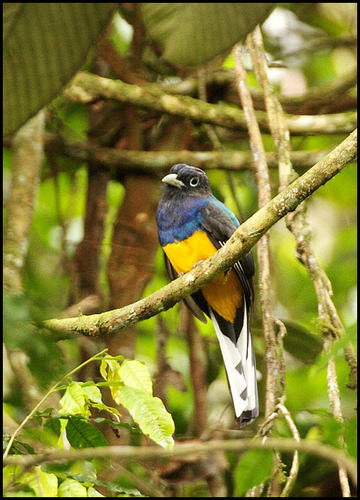
ハグロキヌバネドリ (Trogon viridis) ハグロキヌバネドリ
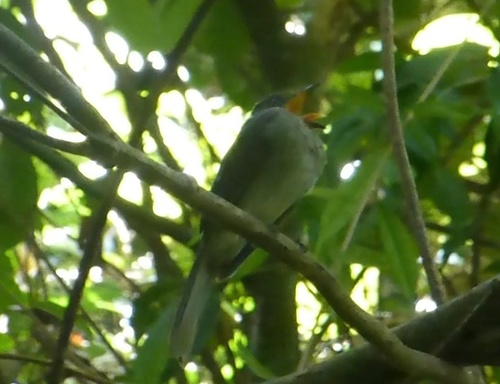
ムジカザリドリ (Lipaugus vociferans) ムジカザリドリ

メディア

読み込み中…

要点

グリーンバックトロゴンとムジカザリドリを区別する最も信頼できるフィールドマークは羽毛です:成鳥のオスのトロゴンは、緑の背中、暗い青黒い頭、オレンジ黄色の腹、そして大胆な黒と白の模様のある尾羽を持っていますが、ムジカザリドリは強い色のコントラストや尾羽の模様がない均一な中間灰色の鳥です。幼鳥のムジカザリドリは、翼と尾の先端にシナモンルフスの色があり、これはトロゴンには見られません。構造と行動も役立ちます:トロゴンは直立して止まり、しばしば動かず、太いくちばしを持っていますが、ムジカザリドリはスリムで、より活発で、耳をつんざくような歌声で有名です。両種はアマゾンの低地森林に生息しますが、トロゴンは静かに座っているのが見られる可能性が高く、ムジカザリドリはその声によってしばしば検出されます。

識別のコツ

  1. 幼鳥のムジカザリドリはシナモンルフスの翼の覆い羽と尾の先端を示します—もし翼や尾にこの暖かい色が見えたら、それはムジカザリドリであり、トロゴンではありません。このマークはムジカザリドリの幼鳥に特有です。
  2. 成鳥のオスのグリーンバックトロゴンは緑の背中、暗い青黒い頭、オレンジ黄色の腹を持っています—ムジカザリドリはこの色の組み合わせを示すことはありません。これらが見えたら、それはトロゴンです。
  3. 雌のグリーンバックトロゴンは上面と下面が灰色で、明確な黒と白の縞模様の尾を持っています—表面的には地味ですが、尾の模様は依然として特有です。ムジカザリドリは尾に縞模様や強いコントラストを示すことはありません。
  4. ムジカザリドリ(すべての年齢と性別)は上面が均一な中間灰色で、下面はより淡い灰色、翼と尾はより暗い茶色です—明るい色、縞模様、または強いコントラストは決してありません。もし鳥がすべて灰色であれば、ムジカザリドリを考慮してください。
  5. 尾羽の模様は止まっている鳥にとって重要です:トロゴンのオスは、広い黒い基部と白い先端/エッジを持つ黒と白の尾羽を持っています;雌は主に外側の羽に黒と白の縞模様があります。ムジカザリドリの尾羽は平坦で無地です。
  6. アイリングの色:グリーンバックトロゴンは淡い青みがかったアイリングを持っていますが、ムジカザリドリの虹彩は茶色から灰色で、色付きのアイリングはありません。これは微妙ですが、近くで見ると役立つことがあります。
  7. くちばしの形と色:トロゴンは果物を食べるために適応した広くて太いくちばしを持っています;ムジカザリドリはスリムで暗いくちばしを持っています。くちばしの形は横から見ると最もよくわかります。
  8. 止まる姿勢:トロゴンは非常に直立して止まり、しばしば長時間動かずにいます;ムジカザリドリはより水平で、特に歌っているときに頻繁に止まり場所を変えます。
  9. 飛行行動:トロゴンは遠くに飛ぶことをためらい、短く速い飛行で移動します;ムジカザリドリはより活発で、特に中層を頻繁に移動することがあります。
  10. 鳴き声:もし非常に大きく、遠くまで響く「キ、キ、ヨ」や鳴き声を聞いたら、それはムジカザリドリです。トロゴンの歌は、柔らかく加速する「カウ」ノートの連続です。
  11. 性差:トロゴンだけが性差があります;ムジカザリドリの性別は同一です。異なる羽毛を持つ2羽の鳥が一緒に見えたら、それはおそらくトロゴンです。
  12. 生息地の重複:両者はアマゾンの湿った森林に生息します;生息地だけで区別しないでください。
  13. サイズ:トロゴンはわずかに長くてがっしりしていますが、サイズは両方が一緒に見られない限り、フィールドでは信頼できません。
  14. 足と足の色:ムジカザリドリの足と足は変動する暗い色(緑、茶色、灰色、黒)です;トロゴンの足は記述されていませんが、これは強い区別にはなりません。
  15. 採餌行動:トロゴンはより果物食性で、混成群れに加わる可能性は低いです;ムジカザリドリの採餌行動はあまり特異ではありませんが、全体的により活発です。

大きさ

グリーンバックトロゴンは、ムジカザリドリ(24〜26 cm)よりもわずかに長い(28〜30 cm)ですが、両方ともがっしりとした中型の鳥です。ムジカザリドリの平均体重は81 gですが、トロゴンの体重は指定されていませんが、トロゴンとしては比較的大きいと記述されています。フィールドでは、サイズだけでは信頼できる区別にはなりませんが、トロゴンは特に直立して止まっているときに、よりがっしりとしていてコンパクトに見えます。

羽色

幼鳥のムジカザリドリは、グリーンバックトロゴンのどの年齢や性別とも即座に区別できるシナモンルフスの翼の覆い羽と尾の先端を持つ唯一の種です。成鳥のオスのグリーンバックトロゴンは、暗い青(暗い光の中ではほぼ黒)頭と上胸、緑の背中、オレンジ黄色の腹部、そして黒と白の模様のある尾羽(広い黒い基部、広い白い先端と各羽のエッジ)を持っています。雌は似ていますが、背中、頭、胸が灰色で、尾羽の外側の羽により広範な黒と白の縞模様があります。それに対して、ムジカザリドリの成鳥は両性ともに上面が均一な中間灰色で、下面はより淡い灰色、翼と尾はより暗い茶色で、どこにも強い色のコントラストや縞模様はありません。ムジカザリドリのくちばしは暗く、足/足は変動する暗い色です。トロゴンのアイリングは淡い青みがかっていますが、ムジカザリドリの虹彩は茶色から灰色です。ムジカザリドリには季節的または性別に基づく羽毛の変異はありません;トロゴンは性差があります。

行動

グリーンバックトロゴンは通常、直立して止まり、長時間動かずにいることが多く、あまり移動せず、短い距離しか飛びません。彼らは混成種の群れで見られることはまれで、主に果物や時々昆虫やトカゲを食べています。ムジカザリドリはより活発で、特に歌っているときに頻繁に止まり場所を変えます。鳴き声のディスプレイ中、ムジカザリドリは前後に激しく傾きます。ムジカザリドリは視覚よりも音で検出される可能性がはるかに高く、トロゴンはしばしば中層で静かに直立している鳥を探すことで見つかります。

生息環境

両種はアマゾンとその周辺地域の湿った低地森林に生息しています。グリーンバックトロゴンはその範囲で最も一般的なトロゴンであり、ブラジルのギアナシールドやアトランティックフォレストを含む熱帯森林の住民です。ムジカザリドリは南アメリカ本土全体(南部のコーンを除く)に広く分布し、同様の森林タイプに生息していますが、見られるよりも聞かれることが多いかもしれません。両者は同じ一般的な生息地に生息することができるため、文脈だけでは特有ではありません。

声

鳴き声は主要な区別要因です:ムジカザリドリは非常に大きく、遠くまで響く「キ、キ、ヨ」の呼び声で有名で、しばしばかすかな「グルー」ノートに続き、400メートル先まで聞こえることがあります。その歌はどの鳥よりも大きいものの一つです。ムジカザリドリはまた、大きな鳴き声やさまざまなきしみ音や口笛を出します。それに対して、グリーンバックトロゴンの歌は約20の「カウ」ノートの連続で、遅く始まり加速しますが、はるかに柔らかく、オジロハグロキヌバネドリよりも遅く、クビワオグロキヌバネドリよりも高い音です。トロゴンの声は決してムジカザリドリのように大きくも鋭くもありません。

より良い説明を送る

比較と同じ項目を使ってください。文章はすぐに公開されます。

The most reliable field mark to separate Green-backed Trogon from Screaming Piha is plumage: adult male trogons show a striking combination of a green back, dark blue-black head, orange-yellow belly, and a boldly patterned black-and-white undertail, while Screaming Piha is a uniform medium gray bird with no strong color contrasts or undertail pattern. Juvenile Pihas have cinnamon-rufous in the wings and tail tips, which is never seen in trogons. Structure and behavior also help: trogons perch upright, often motionless, with a thick bill, while Pihas are slimmer, more active, and famous for their ear-splitting song. Both species can occur in the Amazonian lowland forest, but the trogon is more likely to be seen sitting quietly, while the Piha is often detected by its voice.

  1. Juvenile Screaming Piha shows cinnamon-rufous wing coverts and tail tips—if you see this warm color in the wings or tail, it is Piha, not trogon. This mark is diagnostic for Piha juveniles.
  2. Adult male Green-backed Trogon has a green back, dark blue-black head, and orange-yellow belly—no Piha ever shows this combination of colors. If you see these, it is a trogon.
  3. Female Green-backed Trogon is gray above and below with a distinct black-and-white barred tail—while superficially plainer, the tail pattern is still diagnostic. Piha never shows barring or strong contrast in the tail.
  4. Screaming Piha (all ages and sexes) is uniform medium gray above, paler below, with duskier brownish wings and tail—never any bright colors, barring, or strong contrasts. If the bird is all gray, consider Piha.
  5. Undertail pattern is key for perched birds: trogon males have a black-and-white undertail with broad black base and white tip/edge to each feather; females have black-and-white barring mainly on outer webs. Piha undertail is plain and unmarked.
  6. Eye-ring color: Green-backed Trogon has a pale bluish eye-ring, while Piha's iris is brown to gray and lacks a colored eye-ring. This is subtle, but can help in close views.
  7. Bill shape and color: Trogons have a broad, thick bill adapted for fruit-eating; Piha has a slimmer, dark bill. Bill shape is best seen in profile.
  8. Perching posture: Trogons perch very upright and motionless, often for long periods; Pihas are more horizontal and shift perches frequently, especially when singing.
  9. Flight behavior: Trogons are reluctant to fly far and move with short, fast flights; Pihas are more active and may move more frequently through the midstory.
  10. Vocalization: If you hear an extremely loud, far-carrying 'qui, qui, yo' or mewing notes, it's Piha. Trogon song is a series of softer, accelerating 'cow' notes.
  11. Sexual dimorphism: Only the trogon is sexually dimorphic; Piha sexes are identical. If you see two birds together with different plumages, it's likely trogon.
  12. Habitat overlap: Both occur in Amazonian humid forests; do not use habitat alone for separation.
  13. Size: Trogon is slightly longer and bulkier, but size is not reliable in the field unless both are seen together.
  14. Leg and foot color: Piha's legs and feet are variably dark (green, brown, gray, black); trogon's are not described, but this is not a strong separator.
  15. Feeding behavior: Trogons are more frugivorous and less likely to join mixed flocks; Piha's foraging behavior is less distinctive, but more active overall.

Green-backed Trogon is slightly larger in length (28–30 cm) than Screaming Piha (24–26 cm), but both are robust, medium-sized birds. Screaming Piha averages 81 g in mass, while trogon mass is not specified, though it is described as relatively large for a trogon. In the field, size alone is not a reliable separator, but the trogon appears bulkier and more compact, especially when perched upright.

Juvenile Screaming Pihas are the only one of the two with cinnamon-rufous wing coverts and tail tips, which immediately separates them from any age or sex of Green-backed Trogon. Adult male Green-backed Trogons have a dark blue (almost black in poor light) head and upper breast, green back, orange-yellow underparts, and a black-and-white patterned undertail (broad black base, broad white tip and edge to each feather). Females are similar but with a gray back, head, and breast, and more extensive black-and-white barring on the outer webs of tail feathers. In contrast, Screaming Piha adults of both sexes are plain medium gray above, paler gray below, with duskier brownish wings and tail, and no strong color contrasts or barring anywhere. The Piha's bill is dark, and the legs/feet are variably dark. The trogon's eye-ring is pale bluish, while the Piha's iris is brown to gray. There is no seasonal or sex-based plumage variation in Piha; trogons are sexually dimorphic.

Green-backed Trogons typically perch upright and remain motionless for long periods, moving infrequently and flying only short distances. They are rarely seen in mixed-species flocks, foraging mainly on fruit and sometimes insects or lizards. Screaming Pihas are more active, frequently shifting perches, especially when singing. During vocal displays, the Piha tips forward and back vigorously. The Piha is much more likely to be detected by sound than by sight, while the trogon is often found by scanning for a still, upright bird in the midstory.

Both species inhabit humid lowland forests in the Amazon and adjacent regions. Green-backed Trogon is typically the commonest trogon in its range and is a resident of tropical forests, including the Guiana Shield and Atlantic Forest in Brazil. Screaming Piha is widespread throughout mainland South America (except the southern cone), and occupies similar forest types, but may be more often heard than seen. Both can occur in the same general habitats, so context alone is not diagnostic.

Vocalization is a major separator: Screaming Piha is renowned for its extremely loud, far-carrying 'qui, qui, yo' call, often preceded by faint 'groo' notes, and can be heard up to 400 meters away. Its song is among the loudest of any bird. Pihas also produce loud mewing notes and various squeaks and whistles. In contrast, Green-backed Trogon's song is a series of about 20 'cow' notes, starting slow and accelerating, but it is much softer, slower than White-tailed Trogon, and higher pitched than Black-tailed Trogon. The trogon's voice is never as loud or piercing as the Piha's.

変更を破棄しますか?

保存していない編集があります。今離れると失われます。

ハグロキヌバネドリ · ムジカザリドリ · 苦手な鳥