

Green-backed Trogon vs Screaming Piha
Trogon viridis contro Lipaugus vociferans
Fai un quiz con Green-backed Trogon e Screaming Piha
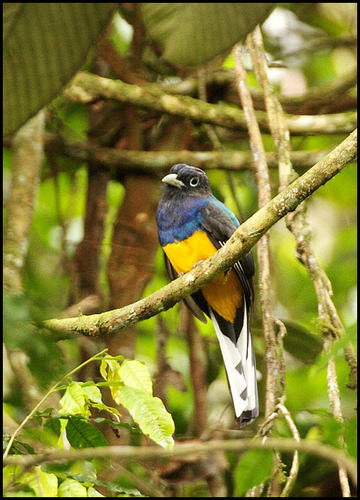 Green-backed Trogon
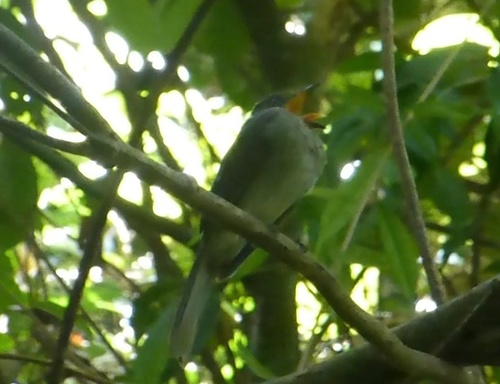 Screaming Piha
In breve
Il segno distintivo più affidabile per separare il Green-backed Trogon dallo Screaming Piha è il piumaggio: i trogoni maschi adulti mostrano una combinazione sorprendente di un dorso verde, una testa blu-nera scura, un ventre arancio-giallo e un sottocoda a strisce nere e bianche, mentre lo Screaming Piha è un uccello grigio medio uniforme senza forti contrasti di colore o motivo nel sottocoda. I Pihas juvenili hanno un colore cannella-ruggine nelle ali e nelle punte della coda, che non si vede mai nei trogoni. Anche la struttura e il comportamento aiutano: i trogoni si posano eretti, spesso immobili, con un becco spesso, mentre i Pihas sono più snelli, più attivi e famosi per il loro canto assordante. Entrambe le specie possono verificarsi nella foresta pluviale amazzonica, ma il trogon è più probabile che venga visto seduto tranquillamente, mentre il Piha è spesso rilevato dalla sua voce.
Consigli di identificazione
- Il giovane Screaming Piha mostra copritrici delle ali e punte della coda cannella-ruggine—se vedi questo colore caldo nelle ali o nella coda, è Piha, non trogon. Questo segno è diagnostico per i giovani Piha.
- Il maschio adulto del Green-backed Trogon ha un dorso verde, una testa blu-nera scura e un ventre arancio-giallo—nessun Piha mostra mai questa combinazione di colori. Se vedi questi, è un trogon.
- La femmina del Green-backed Trogon è grigia sopra e sotto con una coda a strisce nere e bianche—anche se superficialmente più semplice, il motivo della coda è comunque diagnostico. Il Piha non mostra mai striature o forti contrasti nella coda.
- Lo Screaming Piha (tutte le età e i sessi) è grigio medio uniforme sopra, più chiaro sotto, con ali e coda brune più scure—mai colori brillanti, striature o forti contrasti. Se l'uccello è tutto grigio, considera Piha.
- Il motivo del sottocoda è fondamentale per gli uccelli posati: i maschi trogoni hanno un sottocoda nero e bianco con una base nera ampia e una punta/ bordo bianco su ciascuna piuma; le femmine hanno striature nere e bianche principalmente sulle membrane esterne. Il sottocoda del Piha è semplice e non marcato.
- Colore dell'anello oculare: il Green-backed Trogon ha un anello oculare bluastro pallido, mentre l'iride del Piha è marrone-grigia e manca di un anello oculare colorato. Questo è sottile, ma può aiutare in visioni ravvicinate.
- Forma e colore del becco: i trogoni hanno un becco largo e spesso adattato per mangiare frutta; il Piha ha un becco più snello e scuro. La forma del becco è meglio vista di profilo.
- Postura di poso: i trogoni si posano molto eretti e immobili, spesso per lunghi periodi; i Pihas sono più orizzontali e cambiano frequentemente posizione, specialmente quando cantano.
- Comportamento di volo: i trogoni sono riluttanti a volare lontano e si muovono con voli brevi e veloci; i Pihas sono più attivi e possono muoversi più frequentemente attraverso il sottobosco.
- Vocalizzazione: se senti un 'qui, qui, yo' estremamente forte e che si diffonde, è Piha. Il canto del trogon è una serie di note 'cow' più morbide e accelerate.
- Dimorfismo sessuale: Solo il trogon è sessualmente dimorfico; i sessi del Piha sono identici. Se vedi due uccelli insieme con piumaggi diversi, è probabile che sia un trogon.
- Sovrapposizione dell'habitat: Entrambi si trovano nelle foreste umide amazzoniche; non usare solo l'habitat per la separazione.
- Dimensioni: Il trogon è leggermente più lungo e robusto, ma le dimensioni non sono affidabili sul campo a meno che entrambi non siano visti insieme.
- Colore delle gambe e dei piedi: Le gambe e i piedi del Piha sono variabilmente scuri (verdi, marroni, grigi, neri); quelli del trogon non sono descritti, ma questo non è un forte separatore.
- Comportamento alimentare: I trogoni sono più frugivori e meno propensi a unirsi a stormi misti; il comportamento di foraggiamento del Piha è meno distintivo, ma più attivo nel complesso.
Taglia
Il Green-backed Trogon è leggermente più grande in lunghezza (28–30 cm) rispetto allo Screaming Piha (24–26 cm), ma entrambi sono uccelli robusti di dimensioni medie. Lo Screaming Piha pesa in media 81 g, mentre il peso del trogon non è specificato, anche se è descritto come relativamente grande per un trogon. Sul campo, le dimensioni da sole non sono un separatore affidabile, ma il trogon appare più robusto e compatto, specialmente quando è posato eretto.
Piumaggio
I giovani Screaming Pihas sono gli unici dei due con copritrici delle ali e punte della coda cannella-ruggine, che li separa immediatamente da qualsiasi età o sesso di Green-backed Trogon. I maschi adulti del Green-backed Trogon hanno una testa e un petto superiori blu scuro (quasi neri in scarsa luce), un dorso verde, parti inferiori arancio-giallo e un sottocoda a strisce nere e bianche (base nera ampia, punta e bordo bianco ampi su ciascuna piuma). Le femmine sono simili ma con un dorso, una testa e un petto grigi, e una striatura nera e bianca più estesa sulle membrane esterne delle piume della coda. Al contrario, gli adulti dello Screaming Piha di entrambi i sessi sono grigi medi uniformi sopra, grigi più chiari sotto, con ali e coda brune più scure, e senza forti contrasti di colore o striature ovunque. Il becco del Piha è scuro, e le gambe/piedi sono variabilmente scuri. L'anello oculare del trogon è bluastro pallido, mentre l'iride del Piha è marrone-grigia. Non c'è variazione stagionale o basata sul sesso nel piumaggio del Piha; i trogoni sono sessualmente dimorfici.
Comportamento
I Green-backed Trogons di solito si posano eretti e rimangono immobili per lunghi periodi, muovendosi raramente e volando solo per brevi distanze. Sono raramente visti in stormi di specie miste, foraggiando principalmente frutta e talvolta insetti o lucertole. Gli Screaming Pihas sono più attivi, cambiando frequentemente posizione, specialmente quando cantano. Durante le esibizioni vocali, il Piha si inclina avanti e indietro vigorosamente. Il Piha è molto più probabile che venga rilevato dal suono piuttosto che dalla vista, mentre il trogon è spesso trovato scandagliando per un uccello immobile e eretto nel sottobosco.
Habitat
Entrambe le specie abitano foreste umide di pianura nell'Amazzonia e nelle regioni adiacenti. Il Green-backed Trogon è tipicamente il trogon più comune nel suo areale ed è residente delle foreste tropicali, inclusi lo Scudo della Guiana e la Foresta Atlantica in Brasile. Lo Screaming Piha è diffuso in tutto il continente sudamericano (eccetto il cono meridionale) e occupa tipi di foresta simili, ma può essere più spesso sentito che visto. Entrambi possono verificarsi negli stessi habitat generali, quindi il contesto da solo non è diagnostico.
Voce
La vocalizzazione è un separatore importante: lo Screaming Piha è rinomato per il suo richiamo estremamente forte e che si diffonde 'qui, qui, yo', spesso preceduto da deboli note 'groo', e può essere udito fino a 400 metri di distanza. Il suo canto è tra i più forti di qualsiasi uccello. I Pihas producono anche note di miagolio forti e vari squeak e fischi. Al contrario, il canto del Green-backed Trogon è una serie di circa 20 note 'cow', che inizia lentamente e accelera, ma è molto più morbido, più lento rispetto al White-tailed Trogon e più acuto rispetto al Black-tailed Trogon. La voce del trogon non è mai così forte o penetrante come quella del Piha.
Green-backed Trogon · Screaming Piha · I miei uccelli difficili