

Motmot

ミドリコムシクイ 対 オナガカエデチョウ

Camaroptera brachyura 対 Estrilda astrild

ミドリコムシクイとオナガカエデチョウのクイズ
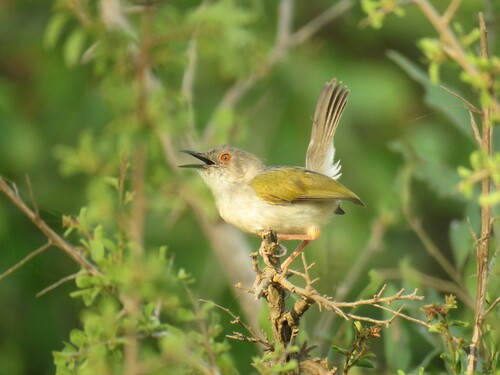
ミドリコムシクイ (Camaroptera brachyura) ミドリコムシクイ
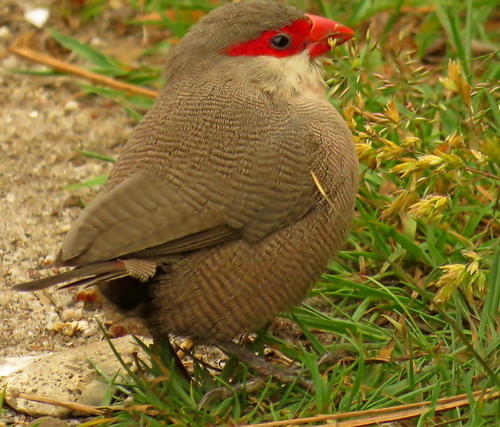
オナガカエデチョウ (Estrilda astrild) オナガカエデチョウ

メディア

読み込み中…

要点

グリーンバックカマロプテラとオナガカエデチョウを区別する最も信頼できるフィールドマークは、くちばしと顔のパターンです:オナガカエデチョウは明るい赤いくちばしと赤いアイストライプを持ち、グリーンバックカマロプテラは無地の暗いくちばしと顔のストライプがありません。幼鳥のオナガカエデチョウは黒いくちばしを持ち、赤い顔のストライプが欠けていますが、細かいバリングと長くて段階的な尾を示します。カマロプテラはオリーブ色の翼と短い尾を持つ無地の緑色の鳥で、通常は密なカバーの中で低く隠れていますが、オナガカエデチョウはより開けていて、細長く、しばしば群れで見られます。どちらも小型ですが、カマロプテラはわずかに重く、よりコンパクトで、明らかに短い尾を持っています。

識別のコツ

  1. Bill color and shape: 成鳥のオナガカエデチョウは明るい赤い円錐形のくちばしを持ち、幼鳥は黒いくちばしを持っています。グリーンバックカマロプテラは常に無地の暗い細長いくちばしを持っています。これは近距離での最も即時のフィールドマークです。
  2. Face pattern: オナガカエデチョウは目を通る大胆な赤いストライプと淡い頬/喉を示しますが、カマロプテラの顔は無地で、ストライプや大胆な顔のマーキングが欠けています。
  3. Tail length and shape: オナガカエデチョウは尾が長く、段階的で暗い尾を持ち、尾羽のカバーを大きく超えています。カマロプテラの尾は短くて太く、コンパクトな外観を与えます。
  4. Body shape and jizz: カマロプテラは丸い体型でコンパクトで短い尾を持ち、しばしば背を丸めているように見えます。オナガカエデチョウは細長く、より細長い体と長い尾を持ち、しばしば茎の上に直立して止まります。
  5. Plumage color: カマロプテラは上面が緑色でオリーブ色の翼と白灰色の腹部を持ち、幼鳥は下がより淡い黄色です。オナガカエデチョウは灰褐色で細かい暗いバリングを持ち、赤いアイストライプがあり、しばしば腹部に赤みがかったまたはピンクがかったフラッシュがあります(特に成鳥や一部の亜種で)。
  6. Juvenile confusion: 幼鳥のオナガカエデチョウは赤い顔のストライプが欠けており、黒いくちばしを持っていますが、カマロプテラよりも長い尾と細かいバリングを示します。幼鳥のカマロプテラは胸がより淡い黄色ですが、その他は成鳥と似ています。
  7. Rump and vent: オナガカエデチョウは茶色の尻と暗い尾/肛門を持ち、カマロプテラの尻は緑色の上面と短い尾に溶け込んでいます。
  8. Habitat: カマロプテラは常に密な低い植生の中にいますが、オナガカエデチョウは開けた草地、畑、時には都市公園におり、しばしば群れで見られます。
  9. Behavior: カマロプテラは孤独またはペアで、隠れていて開けた場所ではめったに見られません。オナガカエデチョウは社交的で、しばしば群れで見られ、草の種をオープンに食べます。
  10. Flight style: オナガカエデチョウの飛行は速く波打つようで、高音の呼び声を伴うことが多いですが、カマロプテラは飛んでいるところが見られることは少なく、通常はカバーの中を低く移動します。
  11. Vocalizations: オナガカエデチョウのさえずりや高音の飛行呼び声を開けた場所で聞いてください。カマロプテラの呼び声はここではあまり詳しく説明されていませんが、通常は密な茂みの中から聞こえます。
  12. Size: どちらも小型ですが、カマロプテラはわずかに重くてコンパクトで、オナガカエデチョウは軽くて長く、細長いです。
  13. Sex differences: どちらの種も性別間で似ていますが、雌のオナガカエデチョウは腹部の赤が少なく、より淡いです;カマロプテラの性別は似ています。
  14. Seasonal variation: どちらの種にも強い季節的な羽毛の変化はありませんが、幼鳥のオナガカエデチョウは鈍く、顔と腹部に赤が欠けています。
  15. Common pitfalls: 照明が悪い場合、黒いくちばしと淡いバリングを持つ幼鳥のオナガカエデチョウはカマロプテラと間違えられることがありますが、長い尾と開けた国の行動が手がかりです。カマロプテラはオナガカエデチョウほど細かくバリングされておらず、長い尾を持つことはありません。

大きさ

グリーンバックカマロプテラはわずかに重く(10.0g対8.2g)、よりコンパクトで丸い体型に見え、短い尾を持っています。オナガカエデチョウは少し軽くて長い(9.5〜13cm)で、明らかに長く段階的な尾と細長い体型を持っています。フィールドでは、カマロプテラは太くて短い尾に見え、オナガカエデチョウはスリムで長い尾を持っています。どちらも小型の鳥ですが、尾の長さと体型の違いは、止まっているときや飛んでいるときにしばしば明らかです。

羽色

どちらの種にも特定の年齢に特有の翼や飛行パターンは記載されていませんが、全体的な羽毛はかなり異なります。すべての年齢のグリーンバックカマロプテラは緑色の上面、オリーブ色の翼、白灰色の腹部を示し、幼鳥は胸がより淡い黄色ですが、その他は似ています。オナガカエデチョウの成鳥は灰褐色で細かい暗いバリングを持ち、明るい赤いくちばし、目を通る赤いストライプ、しばしば腹部と腹にピンクがかったまたは赤みがかったフラッシュがあります(亜種によって異なる);尻は茶色で、尾と肛門は暗いです。幼鳥のオナガカエデチョウは鈍く、腹部に赤がほとんどなく、バリングが淡く、黒いくちばしを持っています。オナガカエデチョウの顔のパターン(赤いアイストライプ、淡い頬と喉)はユニークですが、カマロプテラの顔は無地です。オナガカエデチョウは一部の亜種で長い暗い尾と赤い腹部のストライプを示しますが、カマロプテラには存在しません。

行動

グリーンバックカマロプテラは隠れる習性があり、通常は密な茂みの中で低く見つかり、開けた場所にはめったに出てきません。静かに移動し、見つけにくいことが多く、隠れていることを好みます。オナガカエデチョウははるかに社交的で活発で、開けた場所で草の種を食べる群れでしばしば見られ、露出した茎やワイヤーに止まっています。オナガカエデチョウは開けた場所で見られる可能性が高く、群れで移動し、カマロプテラよりも秘密主義ではありません。

生息環境

グリーンバックカマロプテラは密な低い植生や茂みを好み、カバーから遠く離れることはめったにありません。通常は茂みや森林の端に見られ、開けた草地では見られません。対照的にオナガカエデチョウは開けた草地、葦原、耕作された畑を好み、特に草の種が豊富な都市公園や庭でしばしば見られます。オナガカエデチョウは開けた国や乱れた生息地で見られる可能性が高く、カマロプテラは密な下草に結びついています。

声

オナガカエデチョウはさまざまなさえずりやブンブンという呼び声を持ち、特徴的な高音の飛行呼び声と、最後に下降するシンプルで厳しい鼻声の歌を持っています。グリーンバックカマロプテラは「鳴き声のカマロプテラ」としても知られていますが、その呼び声や歌の詳細な説明はノートには提供されていません。実際には、オナガカエデチョウの呼び声は開けた場所や飛行中に聞こえる可能性が高く、カマロプテラの声は密なカバーの中から聞こえます。

より良い説明を送る

比較と同じ項目を使ってください。文章はすぐに公開されます。

The most reliable field mark to separate Green-backed Camaroptera from Common Waxbill is the bill and face pattern: Common Waxbill has a bright red bill and a red eye-stripe, while Green-backed Camaroptera has a plain, dark bill and no facial stripes. Juvenile Common Waxbills have a black bill and lack the red face stripe, but still show fine barring and a longer, graduated tail. Camaroptera is a plain greenish bird with olive wings and a short tail, typically skulking low in dense cover, while Common Waxbill is more open, slender, and often in flocks. Both are small, but Camaroptera is slightly heavier and more compact, with a noticeably shorter tail.

  1. Bill color and shape: Adult Common Waxbill has a bright red, conical bill; juveniles have a black bill. Green-backed Camaroptera always has a plain, dark, slender bill. This is the most immediate field mark at close range.
  2. Face pattern: Waxbill shows a bold red stripe through the eye and pale cheeks/throat; Camaroptera’s face is plain, lacking any stripes or bold facial markings.
  3. Tail length and shape: Waxbill has a long, graduated, dark tail that extends well past the undertail coverts. Camaroptera’s tail is short and stubby, giving it a compact look.
  4. Body shape and jizz: Camaroptera is round-bodied, compact, and short-tailed, often appearing hunched. Waxbill is slender, with a more elongated body and a longer tail, often perching upright on stems.
  5. Plumage color: Camaroptera is green above with olive wings and whitish-grey underparts; juveniles are paler below. Waxbill is grey-brown with fine dark barring, a red eye-stripe, and often a reddish or pinkish flush on the underparts (especially in adults and some subspecies).
  6. Juvenile confusion: Juvenile Waxbills lack the red face stripe and have a black bill, but still show fine barring and a longer tail than Camaroptera. Juvenile Camaroptera is paler yellowish on the breast but otherwise similar to adults.
  7. Rump and vent: Waxbill has a brown rump and dark tail/vent; Camaroptera’s rump blends into the green upperparts and short tail.
  8. Habitat: Camaroptera is always in dense, low vegetation; Waxbill is in open grassy areas, fields, and sometimes urban parks, often in flocks.
  9. Behavior: Camaroptera is solitary or in pairs, skulking and rarely seen in the open. Waxbill is social, often in groups, and feeds openly on grass seeds.
  10. Flight style: Waxbill’s flight is fast and undulating, often accompanied by high-pitched calls; Camaroptera is less likely to be seen in flight and usually moves low through cover.
  11. Vocalizations: Listen for Waxbill’s twittering and high-pitched flight calls in open areas. Camaroptera’s calls are less well described here, but are typically heard from within dense bushes.
  12. Size: Both are small, but Camaroptera is slightly heavier and more compact; Waxbill is lighter, longer, and more slender.
  13. Sex differences: Both species are similar between sexes, but female Waxbills are paler with less red on the belly; Camaroptera sexes are alike.
  14. Seasonal variation: No strong seasonal plumage change in either species, but juvenile Waxbills are duller and lack red on the face and belly.
  15. Common pitfalls: In poor light, a juvenile Waxbill with a black bill and faint barring could be mistaken for Camaroptera, but the longer tail and open-country behavior are clues. Camaroptera is never as finely barred or as long-tailed as Waxbill.

Green-backed Camaroptera is slightly heavier (10.0g vs 8.2g) and appears more compact and round-bodied, with a short tail. Common Waxbill is a bit lighter and longer (9.5–13cm), with a noticeably long, graduated tail and a slender build. In the field, Camaroptera looks stubby and short-tailed, while Waxbill is slim and long-tailed. Both are small birds, but the difference in tail length and body shape is often apparent when perched or in flight.

No distinctive age-specific wing or flight pattern is described for either species, but overall plumage is quite different. Green-backed Camaroptera of all ages shows green upperparts, olive wings, and whitish-grey underparts; juveniles are paler yellowish on the breast but otherwise similar. Common Waxbill adults are grey-brown with fine dark barring, a bright red bill, a red stripe through the eye, and often a pinkish or reddish flush on the underparts and belly (depending on subspecies); the rump is brown, and the tail and vent are dark. Juvenile Waxbills are duller, with little or no red on the belly, fainter barring, and a black bill. The Waxbill’s face pattern (red eye-stripe, pale cheeks and throat) is unique, while Camaroptera’s face is plain. Waxbill also shows a long, dark tail and a reddish belly stripe in some subspecies, never present in Camaroptera.

Green-backed Camaroptera is a skulker, usually found low in dense bushes, rarely venturing into the open. It moves quietly and is often hard to see, preferring to stay hidden. Common Waxbill is much more social and active, often seen in flocks feeding on grass seeds in open areas, and perching on exposed stems or wires. Waxbills are more likely to be seen out in the open, moving in groups, and are less secretive than Camaroptera.

Green-backed Camaroptera prefers dense, low vegetation and thickets, rarely straying far from cover. It is typically found in bushy or woodland edges, and is not seen in open grassland. Common Waxbill, in contrast, favors open grassy areas, reedbeds, and cultivated fields, and is often found in urban parks and gardens, especially where grass seeds are abundant. Waxbill is much more likely to be seen in open country or disturbed habitats, while Camaroptera is tied to dense undergrowth.

Common Waxbill has a variety of twittering and buzzing calls, plus a distinctive high-pitched flight call and a simple, harsh, nasal song that descends at the end. Green-backed Camaroptera is also known as the 'bleating' camaroptera, but no detailed description of its calls or song is provided in the notes. In practice, Waxbill’s calls are more likely to be heard in open areas and in flight, while Camaroptera’s vocalizations are heard from within dense cover.

変更を破棄しますか?

保存していない編集があります。今離れると失われます。

ミドリコムシクイ · オナガカエデチョウ · 苦手な鳥