

Green-backed Camaroptera vs Common Waxbill
Camaroptera brachyura contro Estrilda astrild
Fai un quiz con Green-backed Camaroptera e Common Waxbill
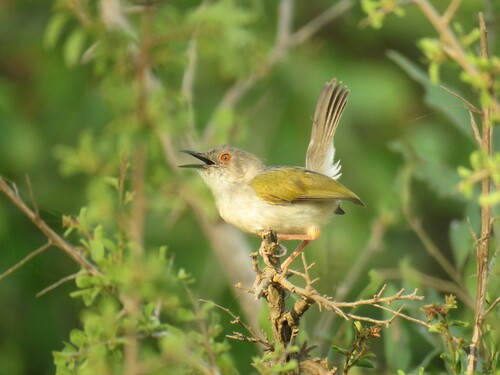 Green-backed Camaroptera
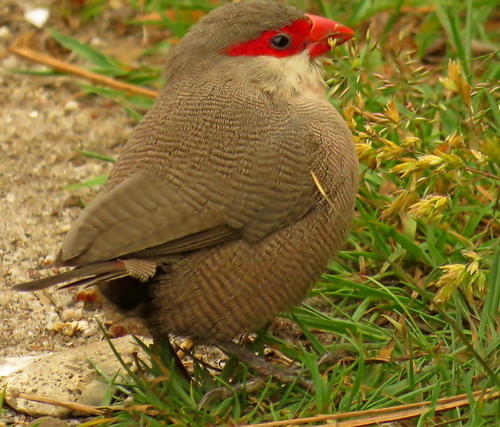 Common Waxbill
In breve
Il segno distintivo più affidabile per separare il Green-backed Camaroptera dal Common Waxbill è il becco e il modello del viso: il Common Waxbill ha un becco rosso brillante e una striscia rossa intorno all'occhio, mentre il Green-backed Camaroptera ha un becco scuro e semplice e nessuna striscia facciale. I Common Waxbill giovani hanno un becco nero e mancano della striscia rossa sul viso, ma mostrano comunque una fine barratura e una coda più lunga e graduata. Il Camaroptera è un uccello verde semplice con ali olivastre e una coda corta, tipicamente si nasconde in basso in coperture dense, mentre il Common Waxbill è più aperto, snodato e spesso in stormi. Entrambi sono piccoli, ma il Camaroptera è leggermente più pesante e più compatto, con una coda visibilmente più corta.
Consigli di identificazione
- Colore e forma del becco: L'adulto Common Waxbill ha un becco conico rosso brillante; i giovani hanno un becco nero. Il Green-backed Camaroptera ha sempre un becco semplice, scuro e snodato. Questo è il segno distintivo più immediato a distanza ravvicinata.
- Modello del viso: Il Waxbill mostra una striscia rossa audace attraverso l'occhio e guance/gola chiare; il viso del Camaroptera è semplice, privo di strisce o marcature facciali audaci.
- Lunghezza e forma della coda: Il Waxbill ha una coda lunga, graduata e scura che si estende ben oltre le copritrici della coda. La coda del Camaroptera è corta e tozza, conferendogli un aspetto compatto.
- Forma del corpo e jizz: Il Camaroptera ha un corpo rotondo, compatto e una coda corta, spesso appare curvo. Il Waxbill è snodato, con un corpo più allungato e una coda più lunga, spesso posandosi eretto su steli.
- Colore del piumaggio: Il Camaroptera è verde sopra con ali olivastre e parti inferiori grigio-biancastre; i giovani sono più chiari sotto. Il Waxbill è grigio-marrone con fine barratura scura, una striscia rossa intorno all'occhio, e spesso una sfumatura rossastra o rosa sulle parti inferiori (specialmente negli adulti e in alcune sottospecie).
- Confusione giovanile: I giovani Waxbill mancano della striscia rossa sul viso e hanno un becco nero, ma mostrano comunque una fine barratura e una coda più lunga rispetto al Camaroptera. Il giovane Camaroptera è più chiaro, giallastro sul petto, ma altrimenti simile agli adulti.
- Rim e vent: Il Waxbill ha un rim marrone e una coda/vent scura; il rim del Camaroptera si fonde con le parti superiori verdi e la coda corta.
- Habitat: Il Camaroptera è sempre in vegetazione densa e bassa; il Waxbill è in aree erbose aperte, campi e talvolta parchi urbani, spesso in stormi.
- Comportamento: Il Camaroptera è solitario o in coppie, si nasconde e raramente viene visto in aperto. Il Waxbill è sociale, spesso in gruppi, e si nutre apertamente di semi d'erba.
- Stile di volo: Il volo del Waxbill è veloce e ondulato, spesso accompagnato da richiami acuti; il Camaroptera è meno probabile da vedere in volo e di solito si muove in basso attraverso la copertura.
- Vocalizzazioni: Ascolta il cinguettio e i richiami acuti del Waxbill in aree aperte. I richiami del Camaroptera sono meno ben descritti qui, ma vengono tipicamente uditi da dentro cespugli densi.
- Dimensioni: Entrambi sono piccoli, ma il Camaroptera è leggermente più pesante e più compatto; il Waxbill è più leggero, più lungo e più snodato.
- Differenze sessuali: Entrambe le specie sono simili tra i sessi, ma le femmine di Waxbill sono più chiare con meno rosso sul ventre; i sessi del Camaroptera sono simili.
- Variazione stagionale: Nessun forte cambiamento del piumaggio stagionale in entrambe le specie, ma i giovani Waxbill sono più opachi e mancano di rosso sul viso e sul ventre.
- Trappole comuni: In scarsa luce, un giovane Waxbill con un becco nero e una barratura debole potrebbe essere scambiato per un Camaroptera, ma la coda più lunga e il comportamento in aperto sono indizi. Il Camaroptera non è mai così finemente barrato o con una coda così lunga come il Waxbill.
Taglia
Il Green-backed Camaroptera è leggermente più pesante (10.0g vs 8.2g) e appare più compatto e rotondo, con una coda corta. Il Common Waxbill è un po' più leggero e lungo (9.5–13cm), con una coda visibilmente lunga e graduata e una struttura snodata. Sul campo, il Camaroptera appare tozzo e con coda corta, mentre il Waxbill è snodato e con coda lunga. Entrambi sono piccoli uccelli, ma la differenza nella lunghezza della coda e nella forma del corpo è spesso evidente quando sono posati o in volo.
Piumaggio
Nessun modello di volo o di ala specifico per età è descritto per entrambe le specie, ma il piumaggio complessivo è piuttosto diverso. Il Green-backed Camaroptera di tutte le età mostra parti superiori verdi, ali olivastre e parti inferiori grigio-biancastre; i giovani sono più chiari, giallastri sul petto, ma altrimenti simili. Gli adulti del Common Waxbill sono grigio-marrone con fine barratura scura, un becco rosso brillante, una striscia rossa intorno all'occhio e spesso una sfumatura rosa o rossastra sulle parti inferiori e sul ventre (a seconda della sottospecie); il rim è marrone e la coda e il vent sono scuri. I giovani Waxbill sono più opachi, con poco o nessun rosso sul ventre, barratura più debole e un becco nero. Il modello del viso del Waxbill (striscia rossa intorno all'occhio, guance e gola chiare) è unico, mentre il viso del Camaroptera è semplice. Il Waxbill mostra anche una lunga coda scura e una striscia rossa sul ventre in alcune sottospecie, mai presente nel Camaroptera.
Comportamento
Il Green-backed Camaroptera è un uccello schivo, di solito trovato in basso in cespugli densi, raramente avventurandosi in aperto. Si muove silenziosamente ed è spesso difficile da vedere, preferendo rimanere nascosto. Il Common Waxbill è molto più sociale e attivo, spesso visto in stormi che si nutrono di semi d'erba in aree aperte e posandosi su steli o fili esposti. I Waxbill sono più propensi a essere visti in aperto, muovendosi in gruppi, e sono meno riservati rispetto al Camaroptera.
Habitat
Il Green-backed Camaroptera preferisce vegetazione densa e bassa e cespugli, raramente allontanandosi molto dalla copertura. Si trova tipicamente ai margini di boschi o cespugli, e non viene visto in praterie aperte. Il Common Waxbill, al contrario, favorisce aree erbose aperte, canneti e campi coltivati, e viene spesso trovato in parchi e giardini urbani, specialmente dove i semi d'erba sono abbondanti. Il Waxbill è molto più probabile da vedere in campagna aperta o in habitat disturbati, mentre il Camaroptera è legato a vegetazione densa.
Voce
Il Common Waxbill ha una varietà di richiami cinguettanti e ronzanti, oltre a un distintivo richiamo di volo acuto e una semplice, dura, canzone nasale che scende alla fine. Il Green-backed Camaroptera è anche conosciuto come il 'camaroptera belante', ma non è fornita alcuna descrizione dettagliata dei suoi richiami o della sua canzone nelle note. In pratica, i richiami del Waxbill sono più probabili da essere uditi in aree aperte e in volo, mentre le vocalizzazioni del Camaroptera vengono udite da dentro coperture dense.
Green-backed Camaroptera · Common Waxbill · I miei uccelli difficili