

Motmot

オオキンノジコ 対 ミドリキンノジコ

Sicalis auriventris 対 Sicalis olivascens

オオキンノジコとミドリキンノジコのクイズ
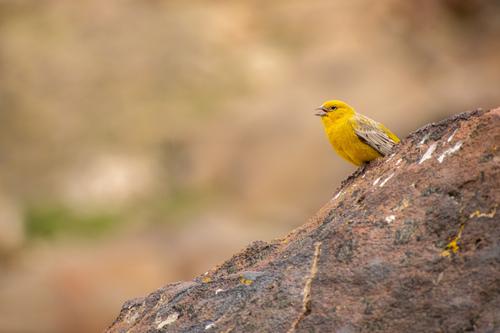
オオキンノジコ (Sicalis auriventris) オオキンノジコ
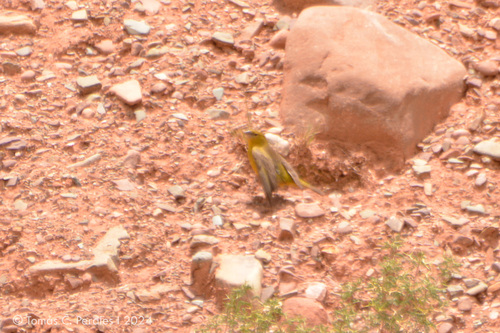
ミドリキンノジコ (Sicalis olivascens) ミドリキンノジコ

メディア

読み込み中…

要点

オオキンノジコとミドリキンノジコの最も信頼できるフィールドマークはサイズです:オオキンノジコはミドリキンノジコの2倍以上の重さがあり、フィールドでは明らかにずっしりとした印象を与えます。両種はアルゼンチンとチリの高地の低木地帯や劣化した森林で重なることがありますが、ミドリキンノジコはボリビアやペルーの北部でも見られます。利用可能なメモに詳細な羽毛や翼のパターンの違いがない場合、特に鳥が並んでいる場合や既知の参照種と一緒に見られる場合は、全体的な体格に注目してください。生息地の重なりは、サイズと構造が最も実用的なフィールドの手がかりであることを意味します。

識別のコツ

  1. サイズが最も信頼できるフィールドマーク:オオキンノジコははるかに大きく、重い(55g対22g)。これは特に、鳥が一緒にいるときや、スケールのために既知の種と一緒にいるときに有利に活用してください。
  2. 体格と構造:オオキンノジコはずっしりとしていて頑丈に見え、ミドリキンノジコは明らかに細身で繊細に見えます。止まっているときと飛んでいるときの両方でこれに注意してください。
  3. 羽毛の類似性:両種は全体的に似たような色合いの黄色のフィンチです。詳細な地域知識や参照資料がない限り、微妙な羽毛の違いに頼らないでください。
  4. 分布の文脈:ボリビアとペルーでは、ミドリキンノジコのみが予想されます。アルゼンチンとチリでは、両種が発生する可能性があるため、サイズと構造が重要になります。
  5. 生息地の重なり:両種は高地の低木地帯や劣化した森林を利用します。生息地だけではアルゼンチンとチリで彼らを区別することはできません。
  6. 混成群れ:Sicalisのフィンチの群れを見た場合、最も大きくてずっしりとした個体を探してください—これらはおそらくオオキンノジコです。
  7. 年齢特有の翼や飛行パターンの違いは記録されていない:未熟な個体や飛んでいる鳥を区別しようとしている場合は、サイズと印象に戻ってください。ユニークな幼鳥や初冬のマークは記述されていません。
  8. 音声の違いは記録されていない:現在の情報源に基づいてフィールドでの区別のために歌や呼び声に頼らないでください。
  9. 性別と季節:利用可能なメモには性別や季節に特有の違いは記述されていません。両性別とすべての年齢が全体的な外観において類似していると仮定してください。
  10. 疑わしい場合はサイズを優先する:不明な場合は、オオキンノジコがミドリキンノジコよりもはるかに大きくてずっしりとした印象を与えることを覚えておいてください。

大きさ

オオキンノジコはかなり大きく、重い(55g対22g)ため、ミドリキンノジコよりもずっしりとした印象を与えます。この違いは、距離があっても混成群れの中でも見えるほど重要です。止まっているとき、オオキンノジコはずっしりとして重い体格に見え、ミドリキンノジコはより繊細で細身に見えるはずです。このサイズの違いを、特にあいまいな光や距離でのフィールドの手がかりとして使用してください。[wikidata]

羽色

これらの2種に関して、利用可能な情報源には詳細な羽毛や年齢特有の翼のパターンの違いは記述されていません。両方とも黄色のフィンチであるため、広く似たような黄色のトーンが期待されます。より詳細な情報がない限り、羽毛だけではフィールドでの信頼できる区別にはなりません。特に未熟な個体や光が悪い場合は、サイズと構造に注目してください。

行動

利用可能なメモには行動の違いは記録されていません。両種は似たような生息地を占有し、比較可能な採餌や群れ行動を示す可能性があります。混成群れを観察する場合は、同定のために行動ではなくサイズと構造を使用してください。

生息環境

両種は特にアルゼンチンとチリで高地の低木地帯や劣化した森林に生息しています。しかし、ミドリキンノジコはボリビアやペルーにまで広がる広い範囲を持ち、オオキンノジコはアルゼンチンとチリに制限されています。ボリビアやペルーでバードウォッチングをしている場合、ミドリキンノジコにしか出会えない可能性が高いです。重なり合う地域では、生息地は信頼できる区別にはなりません。

より良い説明を送る

比較と同じ項目を使ってください。文章はすぐに公開されます。

The most reliable field mark between Greater Yellow-Finch and Greenish Yellow-Finch is size: Greater Yellow-Finch is more than twice as heavy as Greenish Yellow-Finch, making it noticeably bulkier in the field. Both species can overlap in high-altitude shrubland and degraded forests in Argentina and Chile, but Greenish Yellow-Finch is also found further north into Bolivia and Peru. In the absence of detailed plumage or wing pattern differences in the available notes, focus on overall bulk, especially when birds are seen side-by-side or with known reference species. Habitat overlap means size and structure are the most practical field clues.

  1. Size is the most reliable field mark: Greater Yellow-Finch is much larger and heavier (55g vs 22g). Use this to your advantage, especially when birds are together or with known species for scale.
  2. Bulk and structure: Greater Yellow-Finch appears stockier and more robust, while Greenish Yellow-Finch is noticeably more slender and delicate. Watch for this in both perched and flight views.
  3. Plumage similarity: Both species are yellow-finches with similar overall coloration. Do not rely on subtle plumage differences unless you have more detailed local knowledge or reference material.
  4. Range context: In Bolivia and Peru, only Greenish Yellow-Finch is expected. In Argentina and Chile, both species can occur, so size and structure become crucial.
  5. Habitat overlap: Both species use high-altitude shrubland and degraded forests. Habitat alone will not separate them in Argentina and Chile.
  6. Mixed flocks: If you see a group of Sicalis finches, scan for the largest, bulkiest individuals—these are likely Greater Yellow-Finch.
  7. No documented age-specific wing or flight pattern differences: If you are trying to separate immatures or birds in flight, return to size and jizz, as no unique juvenile or first-winter marks are described.
  8. No documented vocal differences: Do not rely on song or call for field separation based on the current sources.
  9. Sex and season: No sex- or season-specific differences are described in the available notes. Assume both sexes and all ages are similar in overall appearance.
  10. When in doubt, prioritize size: If you are unsure, remember that Greater Yellow-Finch should stand out as much larger and bulkier than Greenish Yellow-Finch in any direct comparison.

Greater Yellow-Finch is substantially larger and heavier (55g vs 22g), making it appear much bulkier and more robust than Greenish Yellow-Finch. This difference is significant enough to be seen even at a distance or in mixed flocks. When perched, Greater Yellow-Finch should look stockier with a heavier build, while Greenish Yellow-Finch will seem more delicate and slender. Use this size difference as your primary field cue, especially in ambiguous light or at a distance. [wikidata]

There are no detailed plumage or age-specific wing pattern differences described in the available sources for these two species. Both are yellow-finches, so expect broadly similar yellowish tones. Without more granular information, plumage alone is not a reliable separator in the field, especially for immatures or in poor light. Focus on size and structure instead.

No behavioral differences are documented in the available notes. Both species occupy similar habitats and are likely to show comparable foraging and flocking behavior. If you observe a mixed flock, use size and structure rather than behavior for identification.

Both species occur in high-altitude shrubland and degraded forests, especially in Argentina and Chile. However, Greenish Yellow-Finch has a broader range, extending into Bolivia and Peru, while Greater Yellow-Finch is restricted to Argentina and Chile. If you are birding in Bolivia or Peru, you are only likely to encounter Greenish Yellow-Finch. In overlapping areas, habitat is not a reliable separator.

変更を破棄しますか?

保存していない編集があります。今離れると失われます。

オオキンノジコ · ミドリキンノジコ · 苦手な鳥