

Motmot

マガン 対 コザクラバシガン

Anser albifrons 対 Anser brachyrhynchus

マガンとコザクラバシガンのクイズ
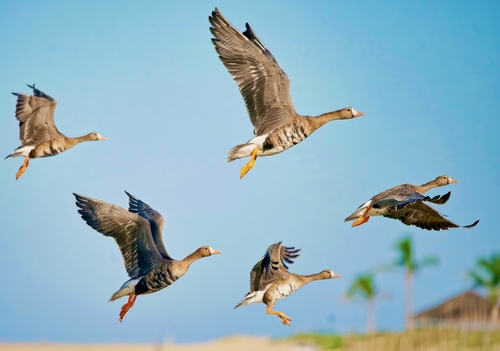
マガン (Anser albifrons) マガン
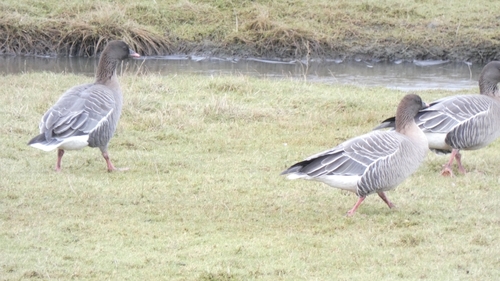
コザクラバシガン (Anser brachyrhynchus) コザクラバシガン

メディア

読み込み中…

要点

マガンとコザクラバシガンを区別するための最も信頼できるフィールドマークはくちばしです:マガンは長く、主にピンクのくちばしを持ち、コザクラバシガンは特徴的なピンクの帯と黒い基部/先端を持つ短いくちばしを示します。飛んでいる時や止まっている時、マガンはしばしばくちばしの基部に太い白いブレイズと変動する暗い腹部のバーを示しますが、コザクラバシガンは白いブレイズがなく、無地の暗い茶色の頭と首を持っています。上翼の覆羽と翼のバーは微妙に異なりますが、近距離で判断するのが最良です。両種はサイズと形が似ているため、くちばしの色と顔のパターンに注意を払うことが重要です。

識別のコツ

  1. Bill color and shape: マガンは長く、主にピンクのくちばし(時々オレンジ-黄色のグリーンランドの鳥)を持ち、コザクラバシガンは明らかに短いくちばしを持ち、ピンクの帯と黒い基部/先端があります。これはすべての年齢と季節で最も信頼できるフィールドマークです。
  2. White facial blaze: 成鳥のマガンはくちばしの基部に太い白いブレイズを示し、コザクラバシガンにはありません。幼鳥のマガンはブレイズが欠けているか、減少している場合があるため、初冬の鳥ではこれだけに頼らないでください。
  3. Belly barring: 成鳥のマガンはしばしば腹部に変動する暗い茶色から黒のバーや斑点を示しますが、コザクラバシガンの腹部は無地です。ただし、腹部のバーは変動があり、若い鳥や一部の成鳥では欠けている場合があるため、注意して使用してください。
  4. Upperwing covert pattern in flight: マガン(特にヨーロッパの鳥)は、下覆羽と中覆羽に目立つ白い縁取りがあり、太い翼のバーを作ります。コザクラバシガンの上翼はより均一な淡い青灰色で、強い翼のバーがありません。これは微妙で、近距離または良い光の下で見るのが最良です。
  5. Tail pattern: 両方とも白い先端の尾を持っていますが、マガンの白い先端と側面はコザクラバシガンのものよりも広く、明らかです。
  6. Head and neck color: コザクラバシガンはより豊かで暗い茶色の頭と首を持ち、より明るい体と対照的です。マガンはより均一な灰褐色で、頭/首と体の間のコントラストが少ないです。
  7. Leg color: 両方とも明るい脚を持っていますが、コザクラバシガンの脚は明らかにピンクで、マガンの脚はオレンジからオレンジ-黄色です。これは距離がある場合や光が悪い場合には判断が難しいです。
  8. Size and structure: マガンはわずかに大きく、ずんぐりした体型で長いくちばしを持つことがありますが、重なりはかなりあります。鳥が並んでいない限り、信頼できるマークではありません。
  9. Voice: マガンの高音のカッカッという声と、コザクラバシガンのホンクのメドレーを聞いてください。呼び声は、鳥が声を出して近くにいるときに最も役立ちます。
  10. Juvenile/first-winter confusion: 若いマガンは白いブレイズと腹部のバーが欠けている場合があり、より地味に見えることがあります。この場合、くちばしの色と上翼の覆羽のパターンがより重要になります。
  11. Context and flock composition: 両種は冬にしばしば混ざるため、群れのサイズや生息地に基づいて単一の種を仮定しないでください。
  12. Subspecies variation: グリーンランドのマガン(A. a. flavirostris)は、ヨーロッパの鳥よりも長く、スリムなオレンジ-黄色のくちばしを持ち、翼のバーがあまり目立たないことがあります。時には鈍い光の中でコザクラバシガンに似ることがあります。くちばしの構造と顔のパターンは依然として重要です。
  13. Lighting effects: くちばしと脚の色は、明るい太陽と鈍い光で異なって見えることがあります。可能であれば複数の特徴を確認してください。
  14. Perched vs. in flight: くちばしと顔のパターンは地面で判断しやすいですが、翼の覆羽のパターンと尾の先端は飛行中により役立ちます。
  15. Do not confuse with カリガネ: この比較にはマガンのみが含まれています。カリガネは小さく、はるかに大きな白いブレイズと黄色のアイリングを持っています。

大きさ

両種は中型のガンで、サイズが重なることがありますが、マガンはわずかに大きくなることがあります(長さ64–81 cm、翼幅130–165 cm、質量最大3.3 kg)に対して、コザクラバシガンは(60–75 cm、翼幅135–170 cm、質量1.8–3.4 kg)です[wikipedia][wikidata]。フィールドでは、サイズの違いは微妙で、鳥が並んでいない限り信頼できる区別ではありません。構造は似ていますが、マガンは少しずんぐりしていて、くちばしが長く見えることがあります。

羽色

両種の幼鳥と成鳥は混同されることがあります、特に飛行中に。マガン(特にヨーロッパのA. a. albifrons)は上翼の覆羽に目立つ白い縁取りを示し、明らかな翼のバーを作り、尾には広い白い先端があります。コザクラバシガンはより均一な淡い青灰色の上翼の覆羽を持ち、強い翼のバーがなく、尾には広い白い先端がありますが、コントラストが少ないです。成鳥のマガンはくちばしの基部に白いブレイズと変動する黒の腹部のバーを示します(これらは若い鳥では欠けているか、薄い場合があります)、一方でコザクラバシガンは白いブレイズがなく、無地の暗い茶色の頭と首を持っています。くちばしの色が重要です:マガンは主にピンクのくちばしを持ち(時々グリーンランドの鳥ではオレンジ-黄色)、コザクラバシガンはピンクの帯と黒い基部/先端を持つ短いくちばしを持っています。両方ともオレンジまたはピンクがかった脚を持っていますが、コザクラバシガンの脚は明らかにピンクです。初冬と幼鳥では、マガンの白いブレイズと腹部のバーは減少または欠けており、くちばしと翼の覆羽のパターンがより重要になります。

行動

両種は非常に群れを成す傾向があり、冬に大きな群れを形成することがよくあります。彼らは開けた野原や湿地で餌を食べ、草や作物を食べます。飛行スタイルは似ており、安定した直接的なフラッピングと頻繁な呼び声があります。フィールドでの区別に役立つような主要な行動の違いは、情報源には記載されていません。

生息環境

両種は渡り鳥であり、特にイギリス、アイルランド、オランダの北西ヨーロッパの冬季生息地で重なります[wikipedia]。マガンはより東(北カナダ、アラスカ、ロシア、グリーンランド)で繁殖し、コザクラバシガンは主に東グリーンランド、アイスランド、スヴァールバル、最近ではノヴァヤゼムリャで繁殖します。冬には、両方とも農地、湿地、河口を利用し、しばしば一緒にいます。生息地だけでは、範囲が重なる場所では診断的ではありません。

声

マガンは高音の笑い声のようなカッカッという声を出し、しばしば「ヘー・ヘー」と表現され、音符の間に明確なブレイクがあります。コザクラバシガンは飛行中に非常に声が大きく、高音のホンクの呼び声のメドレーを生成し、大きな群れでは耳をつんざくような音になります。両方とも騒がしいですが、マガンのカッカッという質は、よく聞こえれば特異的です。

より良い説明を送る

比較と同じ項目を使ってください。文章はすぐに公開されます。

The most reliable field mark to separate Greater White-fronted Goose from Pink-footed Goose is the bill: Greater White-fronted has a longer, mostly pink bill, while Pink-footed shows a shorter bill with a distinctive pink band and black base/tip. In flight or perched, Greater White-fronted often shows a bold white blaze at the base of the bill and variable dark belly bars, while Pink-footed lacks the white blaze and has a plain, darker brown head and neck. Upperwing coverts and wing bars differ subtly, but are best judged at close range. Both species are similar in size and shape, so careful attention to bill color and facial pattern is key.

  1. Bill color and shape: Greater White-fronted Goose has a longer, mostly pink bill (sometimes orange-yellow in Greenland birds), while Pink-footed Goose has a noticeably shorter bill with a pink band and black base/tip. This is the most reliable field mark at all ages and seasons.
  2. White facial blaze: Adult Greater White-fronted shows a bold white blaze at the base of the bill, absent in Pink-footed. Juvenile Greater White-fronted may lack or have a reduced blaze, so do not rely solely on this in first-winter birds.
  3. Belly barring: Adult Greater White-fronted often shows variable dark brown to black bars and blotches on the belly, while Pink-footed's belly is plain. However, belly barring is variable and can be absent in young or some adults, so use with caution.
  4. Upperwing covert pattern in flight: Greater White-fronted (especially European birds) has prominent white fringes on the lesser and median coverts, creating bold wing bars. Pink-footed's upperwing is more uniform pale bluish-grey, lacking strong wing bars. This is subtle and best seen at close range or in good light.
  5. Tail pattern: Both have a white-tipped tail, but Greater White-fronted's white tip and sides are broader and more obvious than Pink-footed's.
  6. Head and neck color: Pink-footed Goose has a richer, darker brown head and neck, contrasting with a paler body. Greater White-fronted is more uniformly grey-brown, with less contrast between head/neck and body.
  7. Leg color: Both have bright legs, but Pink-footed's are distinctly pink, while Greater White-fronted's are orange to orange-yellow. This can be hard to judge at distance or in poor light.
  8. Size and structure: Greater White-fronted can be slightly larger and bulkier with a longer bill, but overlap is considerable. Not a reliable mark unless birds are side by side.
  9. Voice: Listen for the high-pitched cackling 'he-he' of Greater White-fronted versus the medley of honks from Pink-footed. Calls are best used when birds are vocal and close.
  10. Juvenile/first-winter confusion: Young Greater White-fronted may lack the white blaze and belly bars, making them look plainer. In these cases, bill color and upperwing covert pattern become more important.
  11. Context and flock composition: Both species often mix in winter, so do not assume a single species based on flock size or habitat.
  12. Subspecies variation: Greenland Greater White-fronted (A. a. flavirostris) shows a longer, slimmer orange-yellow bill and less obvious wing bars than European birds, occasionally resembling Pink-footed in dull light. Bill structure and face pattern remain key.
  13. Lighting effects: Bill and leg color can appear different in bright sun versus dull light; check multiple features if possible.
  14. Perched vs. in flight: Bill and face pattern are easier to judge on the ground; wing covert pattern and tail tip are more useful in flight.
  15. Do not confuse with Lesser White-fronted Goose: Only Greater White-fronted is in this comparison; Lesser White-fronted is smaller, with a much larger white blaze and a yellow eye ring.

Both species are medium-sized geese and can overlap in size, but Greater White-fronted Goose can be slightly larger (64–81 cm length, wingspan 130–165 cm, mass up to 3.3 kg) compared to Pink-footed Goose (60–75 cm, wingspan 135–170 cm, mass 1.8–3.4 kg) [wikipedia][wikidata]. In the field, size difference is subtle and not a reliable separator unless birds are side by side. Structure is similar, but Greater White-fronted may appear a bit bulkier and longer-billed.

Juveniles and adults of both species can be confused, especially in flight. Greater White-fronted Goose (especially the European A. a. albifrons) shows prominent white fringes on the upperwing coverts, creating obvious wing bars, and a broad white tip to the tail. Pink-footed Goose has more uniform pale bluish-grey upperwing coverts, lacking strong wing bars, and a tail with a broad white tip but less contrast. Adult Greater White-fronted shows a white blaze at the bill base and variable black belly bars (though these can be absent or faint in young birds), while Pink-footed lacks the white blaze and has a plain, darker brown head and neck. Bill color is key: Greater White-fronted has a mostly pink bill (sometimes orange-yellow in Greenland birds), while Pink-footed has a short bill with a pink band and black base/tip. Both have orange or pinkish legs, but Pink-footed's are distinctly pink. In first-winter and juvenile birds, the white blaze and belly barring are reduced or absent in Greater White-fronted, making bill and wing covert patterns more important.

Both species are highly gregarious, often forming large flocks in winter. They feed in open fields and wetlands, grazing on grasses and crops. Flight style is similar, with steady, direct flapping and frequent calling. No major behavioral differences are noted in the sources that are useful for field separation.

Both species are migratory and overlap in wintering areas in northwest Europe, especially the UK, Ireland, and the Netherlands [wikipedia]. Greater White-fronted Goose breeds farther east (northern Canada, Alaska, Russia, Greenland), while Pink-footed breeds mainly in eastern Greenland, Iceland, Svalbard, and recently Novaya Zemlya. In winter, both use farmland, marshes, and estuaries, often together. Habitat alone is not diagnostic where ranges overlap.

Greater White-fronted Goose gives a high-pitched, laughing cackle, often described as 'he-he', with a distinct break between notes. Pink-footed Goose is very vocal in flight, producing a medley of high-pitched honking calls that can be deafening in large flocks. Both are noisy, but the cackling quality of Greater White-fronted can be distinctive if heard well.

変更を破棄しますか?

保存していない編集があります。今離れると失われます。

マガン · コザクラバシガン · 苦手な鳥