

Motmot

ニシヒメコウテンシ 対 モリヒバリ

Calandrella brachydactyla 対 Lullula arborea

ニシヒメコウテンシとモリヒバリのクイズ
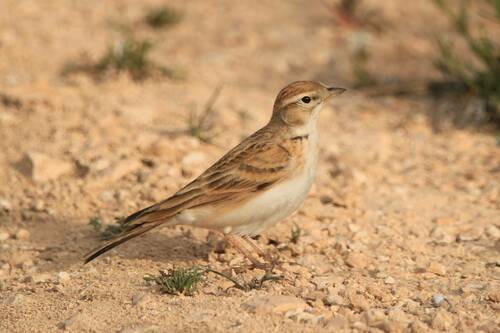
ニシヒメコウテンシ (Calandrella brachydactyla) ニシヒメコウテンシ
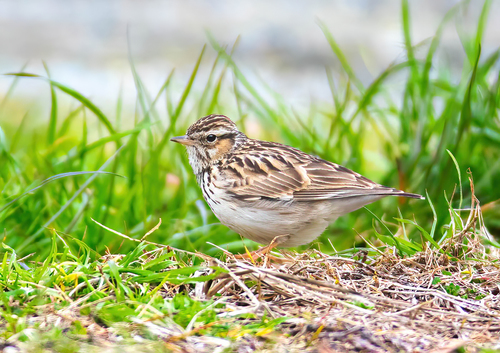
モリヒバリ (Lullula arborea) モリヒバリ

メディア

読み込み中…

要点

ニシヒメコウテンシとモリヒバリを区別するための最も信頼できるフィールドマークは、モリヒバリの大胆な白いスーペルシリウムで、後頭部で出会い、目を引く淡い「眉バンド」を形成することです—これはニシヒメコウテンシには見られない特徴です。飛行中、モリヒバリは白い先端を持つ短い尾を示しますが、ヒバリの白い尾の縁や翼の後縁は欠けています。一方、ニシヒメコウテンシの尾は暗く、白があまり目立ちません。構造的には、モリヒバリはやや大きく、よりコンパクトで、短いくちばしと短く幅広い翼を持つ外観をしています。ニシヒメコウテンシは小さく、より繊細で、尖ったくちばしと長く狭い翼を持っています。両者は上面が茶色で下面が淡いですが、ヒバリの頭の模様とくちばしの形が重要です。声と生息地も役立ちますが、最も信頼できる区別のためには頭の模様と構造に焦点を当ててください。

識別のコツ

  1. 頭の模様が重要です: モリヒバリは常に後頭部で出会う大胆な白いスーペルシリウムを示し、淡い「眉バンド」を形成します—すべての年齢と季節でこれを探してください。ニシヒメコウテンシのスーペルシリウムはより淡く、あまり大胆ではなく、後頭部で出会いません。
  2. くちばしの形: ニシヒメコウテンシは強く尖ったピンクがかったくちばしを持ち、灰色のクルメンがあります—モリヒバリの短くて太いくちばしよりも明らかに長くて細いです。遠くからはくちばしの色が見えにくいかもしれませんが、形はしばしば見えます。
  3. 尾の形と模様: 飛行中、モリヒバリは白い先端を持つ短い尾を持っていますが、白い尾の縁はありません。ニシヒメコウテンシの尾は長く、暗く、明らかな白い縁や先端が欠けています。
  4. 冠: モリヒバリは小さな、時には見える冠を持っていますが、通常は目立ちません。ニシヒメコウテンシは真の冠を持っていません。
  5. 冠の色: 西部の個体群の一部のニシヒメコウテンシは赤褐色の冠を示しますが、これはモリヒバリには存在しません。しかし、これは変動があり、常に信頼できるわけではありません。
  6. 首の斑点: 両種は首の側面に暗い斑点を示すことがありますので、これだけでの識別には使用しないでください。
  7. 構造と印象: モリヒバリはより頑丈でコンパクトで、短い尾と幅広い翼を持ち、特に飛行中に明らかです。ニシヒメコウテンシは小さく、スリムで、より繊細で、長く細いくちばしと狭い翼を持っています。
  8. 飛行スタイル: モリヒバリのディスプレイ飛行はフラッターし、螺旋状で、歌いながら円を描くことがよくあります。ニシヒメコウテンシの群れは特に冬に、密集した同期したグループで飛びます。
  9. 上面と下面の羽毛: 両者は上面が茶色で下面が淡いので、これは有用な区別にはなりません。
  10. 生息地の文脈: モリヒバリは開けた森林、クリアリング、または木のあるヒースランドにいる可能性が高いです。ニシヒメコウテンシはステップや畑のような開けた乾燥した無木の生息地に見られます。
  11. 歌: モリヒバリの歌はメロディックで繰り返される「ルー・ルー・ルー」または「トゥールーイート」で、しばしば飛行中に歌われます。ニシヒメコウテンシの歌は乾いたツイッターや変動するメロディで、音楽的ではありません。
  12. 群れのサイズ: 大きく、コンパクトで同期した群れは特に冬にニシヒメコウテンシを示唆します。モリヒバリはより孤独で、ペアで見られます。
  13. 止まっている姿勢: モリヒバリは止まっているときにより直立してコンパクトに見えることが多いです。ニシヒメコウテンシは地面に近く、より繊細です。
  14. 季節の文脈: 両種はその範囲の一部で年間を通じて存在しますが、モリヒバリは西部でより定住しており、ニシヒメコウテンシはより移動性が高く、冬により大きな群れを形成します。
  15. 性別と年齢: 両種の性別は似ています。モリヒバリの一貫した頭の模様を除いて、強い年齢特有のマークは記載されていません。

大きさ

モリヒバリは二つの中で大きく、長さは13.5〜15 cmです。一方、ニシヒメコウテンシはヒバリよりも小さく、モリヒバリよりも明らかに小柄です。フィールドでは、モリヒバリはより頑丈でコンパクトに見え、短い尾と幅広い翼を持っていますが、ニシヒメコウテンシはより優雅で、細く尖ったくちばしと一般的にスリムな体型を持っています。これらの違いは微妙ですが、直接比較や経験によって評価できます。

羽色

行動

ニシヒメコウテンシは冬に大きく、コンパクトで同期した群れを形成することが多く、特に水に飛んだり、開けた地面で休んだりする際に見られます。モリヒバリは繁殖期にはより孤独でペアで見られ、そのディスプレイ飛行は特徴的です:オスはフラッターし、上昇しながら円を描き、一定の高さで歌います。両種は地面や止まり木から歌うことができますが、モリヒバリの歌の飛行はより目立ち、フラッターします。夕方には、ニシヒメコウテンシは開けた地面で小さな凹みの中にしゃがんで休みます。

生息環境

モリヒバリは開けた森林、松林のクリアリング、ヒースランド、散在する木や若木のある地域を好み、しばしば砂地や乱れた地面に見られます。半森林または森林の端の生息地で見られる可能性が高いです。ニシヒメコウテンシは、ステップ、乾燥した草地、農業用地など、開けた乾燥したしばしば不毛な地面を好み、木のある地域や低木のある地域では見られにくいです。開けた国では生息地の重複が可能ですが、モリヒバリは木のカバーから遠く離れて見られることはまれで、ニシヒメコウテンシはそれを避けます。

声

モリヒバリの歌はメロディックで、さえずりの繰り返し「ルー・ルー・ルー」または「トゥールーイート」で、しばしばディスプレイ飛行中に歌われます。ニシヒメコウテンシの歌はより変動があり、乾いたツイッターからより模倣的なメロディまでさまざまですが、モリヒバリの音楽的でフルートのような質は欠けています。両種は地面や止まり木から歌うことができますが、モリヒバリの歌はより独特で音楽的です。

より良い説明を送る

比較と同じ項目を使ってください。文章はすぐに公開されます。

The single most reliable field mark for separating Greater Short-toed Lark from Woodlark is the Woodlark’s bold white supercilium that meets at the nape, forming a striking pale 'eyebrow band'—a feature never shown by Greater Short-toed Lark. In flight, Woodlark shows a short tail with white tips but lacks the white tail edges and wing rear edge of Skylark, while Greater Short-toed Lark’s tail is dark with less obvious white. Structurally, Woodlark is slightly larger and more compact, with a stubbier bill and a short, broad-winged look in flight; Greater Short-toed Lark is smaller, more delicate, with a pointed bill and longer, narrower wings. Both are brown above and pale below, but the larks’ head patterns and bill shapes are key. Voice and habitat can help, but focus on head pattern and structure for the most reliable separation.

  1. Head pattern is key: Woodlark always shows a bold white supercilium that meets at the nape, forming a pale 'eyebrow band'—look for this in all ages and seasons. Greater Short-toed Lark’s supercilium is paler, less bold, and does not meet at the nape.
  2. Bill shape: Greater Short-toed Lark has a strong, pointed, pinkish bill with a grey culmen—noticeably longer and finer than Woodlark’s shorter, stubbier bill. Bill color may be hard to see at distance, but shape is often visible.
  3. Tail shape and pattern: In flight, Woodlark has a short tail with white tips but no white tail edges; Greater Short-toed Lark’s tail is longer, darker, and lacks obvious white edges or tips.
  4. Crest: Woodlark has a small, sometimes visible crest, but it is usually inconspicuous. Greater Short-toed Lark lacks a true crest.
  5. Crown color: Some Greater Short-toed Larks in western populations show a rufous crown, which is never present in Woodlark. However, this is variable and not always reliable.
  6. Neck patches: Both species can show dark patches on the neck sides, so do not use this alone for identification.
  7. Structure and jizz: Woodlark is more robust and compact, with a shorter tail and broader wings, especially obvious in flight. Greater Short-toed Lark is smaller, slimmer, and more delicate, with a longer, finer bill and narrower wings.
  8. Flight style: Woodlark’s display flight is fluttery and spiral, often circling as it sings. Greater Short-toed Lark’s flocks fly in tight, synchronized groups, especially in winter.
  9. Plumage above and below: Both are brown above and pale below, so this is not a useful separator.
  10. Habitat context: Woodlark is more likely in open woodland, clearings, or heathland with some trees; Greater Short-toed Lark is found in open, dry, treeless habitats like steppe or fields.
  11. Song: Woodlark’s song is a melodious, repeated 'lu-lu-lu' or 'toolooeet', often given in flight. Greater Short-toed Lark’s song is a dry twitter or variable melody, less musical.
  12. Flock size: Large, compact, synchronized flocks suggest Greater Short-toed Lark, especially in winter; Woodlark is more solitary or in pairs.
  13. Perched posture: Woodlark often appears more upright and compact when perched; Greater Short-toed Lark is lower to the ground and more delicate.
  14. Seasonal context: Both species are present year-round in parts of their range, but Woodlark is more resident in the west, while Greater Short-toed Lark is more migratory and forms larger flocks in winter.
  15. Sex and age: Sexes are similar in both species; no strong age-specific marks are described except for the consistent head pattern in Woodlark.

Woodlark is the larger of the two, measuring 13.5–15 cm in length, while Greater Short-toed Lark is smaller than Skylark and noticeably more petite than Woodlark. In the field, Woodlark appears more robust and compact, with a shorter tail and broader wings, while Greater Short-toed Lark is daintier, with a finer, more pointed bill and a generally slimmer build. These differences are subtle but can be appreciated with direct comparison or experience.

  • Juvenile/immature wing pattern: No distinctive age-specific upperwing or flight pattern marks are described for either species in the sources. Both show generally brown upperparts and pale underparts at all ages, so focus shifts to head and tail pattern.
  • Head pattern: Woodlark always shows a bold white supercilium that meets at the nape, creating a pale 'eyebrow band'—this is unique and visible in all plumages and ages. Greater Short-toed Lark has a pale supercilium but it does not meet at the nape and is less striking.
  • Tail pattern: Woodlark has a short tail with white tips but lacks white tail edges; Greater Short-toed Lark’s tail is dark with less obvious white and appears longer and thinner in flight.
  • Bill: Greater Short-toed Lark has a strong, pointed, pinkish bill with a grey culmen; Woodlark’s bill is shorter and stubbier.
  • Crown: Some Greater Short-toed Larks in the west show a rufous crown, but this is variable and not present in Woodlark.
  • Neck patches: Both can show dark patches on the side of the neck, but this is not a strong separator.
  • Crest: Woodlark has a small, often inconspicuous crest; Greater Short-toed Lark does not have a noticeable crest.

Greater Short-toed Lark often forms large, compact, synchronized flocks in winter, especially when flying to water or roosting in open ground. Woodlark is more solitary or found in pairs during the breeding season, and its display flight is distinctive: the male flutters and spirals upwards, circling as he sings at a steady height. Both species can sing from the ground or a perch, but Woodlark’s song flight is more prominent and fluttery. In the evenings, Greater Short-toed Lark roosts on open ground, squatting in small depressions.

Woodlark prefers open woodlands, clearings in pine forests, heathland, and areas with scattered trees or saplings, often in sandy or disturbed ground. It is more likely to be found in semi-wooded or forest-edge habitats. Greater Short-toed Lark favors open, dry, and often barren ground with sparse vegetation, such as steppe, dry grassland, or agricultural fields, and is less likely in wooded or shrubby areas. Habitat overlap is possible in open country, but Woodlark is rarely found far from some tree cover, while Greater Short-toed Lark avoids it.

Woodlark’s song is a melodious, warbling, repeated 'lu-lu-lu' or 'toolooeet', often delivered in a display flight. Greater Short-toed Lark’s song is more variable, ranging from a dry twittering to a more imitative melody, but lacks the musical, fluting quality of Woodlark. Both species can sing from the ground or a perch, but Woodlark’s song is more distinctive and musical.

変更を破棄しますか?

保存していない編集があります。今離れると失われます。

ニシヒメコウテンシ · モリヒバリ · 苦手な鳥