

Calandrella vs Tottavilla
Calandrella brachydactyla contro Lullula arborea
Fai un quiz con Calandrella e Tottavilla
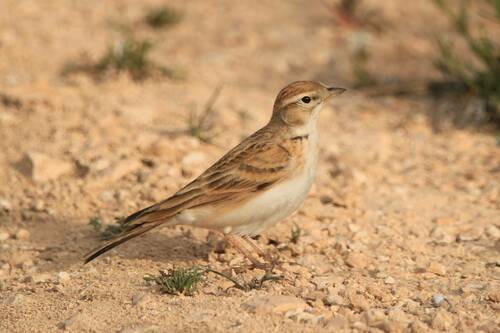 Calandrella
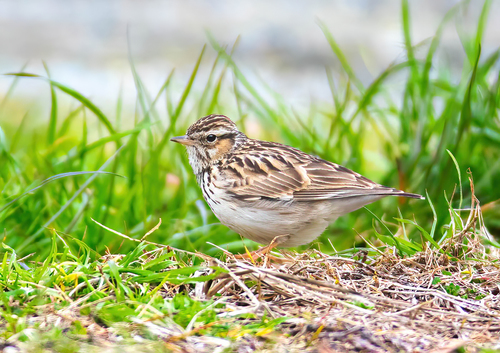 Tottavilla
In breve
Il segno distintivo più affidabile per separare Calandrella da Tottavilla è il supercilio bianco audace della Tottavilla che incontra alla nuca, formando una sorprendente 'striscia di sopracciglia' chiara—una caratteristica mai mostrata dalla Calandrella. In volo, la Tottavilla mostra una coda corta con punte bianche ma manca dei bordi bianchi della coda e del bordo posteriore dell'ala della Allodola, mentre la coda della Calandrella è scura con meno bianco evidente. Strutturalmente, la Tottavilla è leggermente più grande e più compatta, con un becco più tozzo e un aspetto di ali larghe in volo; la Calandrella è più piccola, più delicata, con un becco appuntito e ali più lunghe e strette. Entrambi sono marroni sopra e chiari sotto, ma i modelli della testa e le forme del becco delle allodole sono fondamentali. La voce e l'habitat possono aiutare, ma concentrati sul modello della testa e sulla struttura per la separazione più affidabile.
Consigli di identificazione
- Il modello della testa è fondamentale: La Tottavilla mostra sempre un supercilio bianco audace che incontra alla nuca, formando una 'striscia di sopracciglia' chiara—cerca questo in tutte le età e stagioni. Il supercilio della Calandrella è più chiaro, meno audace e non incontra alla nuca.
- Forma del becco: La Calandrella ha un becco forte, appuntito e rosato con un culmine grigio—notevolmente più lungo e fine rispetto al becco più corto e tozzo della Tottavilla. Il colore del becco può essere difficile da vedere a distanza, ma la forma è spesso visibile.
- Forma e modello della coda: In volo, la Tottavilla ha una coda corta con punte bianche ma senza bordi bianchi; la coda della Calandrella è più lunga, più scura e manca di bordi o punte bianche evidenti.
- Cresta: La Tottavilla ha una piccola cresta, a volte visibile, ma di solito è inconspicua. La Calandrella non ha una vera cresta.
- Colore della corona: Alcune Calandrella nelle popolazioni occidentali mostrano una corona rugginosa, che non è mai presente nella Tottavilla. Tuttavia, questo è variabile e non sempre affidabile.
- Macchie sul collo: Entrambe le specie possono mostrare macchie scure sui lati del collo, quindi non utilizzare questo da solo per l'identificazione.
- Struttura e aspetto: La Tottavilla è più robusta e compatta, con una coda più corta e ali più larghe, particolarmente evidenti in volo. La Calandrella è più piccola, più snella e più delicata, con un becco più lungo e fine e ali più strette.
- Stile di volo: Il volo di display della Tottavilla è fluttuante e a spirale, spesso circolando mentre canta. I gruppi di Calandrella volano in formazioni strette e sincronizzate, specialmente in inverno.
- Piumaggio sopra e sotto: Entrambi sono marroni sopra e chiari sotto, quindi questo non è un separatore utile.
- Contesto dell'habitat: La Tottavilla è più probabile trovarla in boschi aperti, radure o brughiere con alcuni alberi; la Calandrella si trova in habitat aperti, asciutti e privi di alberi come steppe o campi.
- Canto: Il canto della Tottavilla è melodioso, ripetuto 'lu-lu-lu' o 'toolooeet', spesso dato in volo. Il canto della Calandrella è un cinguettio secco o una melodia variabile, meno musicale.
- Dimensione del gruppo: Grandi, compatti e sincronizzati gruppi suggeriscono Calandrella, specialmente in inverno; la Tottavilla è più solitaria o in coppie.
- Postura in perching: La Tottavilla appare spesso più eretta e compatta quando è posata; la Calandrella è più bassa a terra e più delicata.
- Contesto stagionale: Entrambe le specie sono presenti tutto l'anno in alcune parti del loro areale, ma la Tottavilla è più residente a ovest, mentre la Calandrella è più migratoria e forma gruppi più grandi in inverno.
- Sesso e età: I sessi sono simili in entrambe le specie; non sono descritti segni specifici per l'età tranne che per il modello della testa costante nella Tottavilla.
Taglia
La Tottavilla è la più grande delle due, misurando 13.5–15 cm di lunghezza, mentre la Calandrella è più piccola della Allodola e notevolmente più minuta della Tottavilla. Sul campo, la Tottavilla appare più robusta e compatta, con una coda più corta e ali più larghe, mentre la Calandrella è più delicata, con un becco più fine e appuntito e una struttura generalmente più snella. Queste differenze sono sottili ma possono essere apprezzate con un confronto diretto o esperienza.
Piumaggio
- Modello delle ali giovanili/immaturi: Non sono descritti segni distintivi specifici per l'età per le ali superiori o i modelli di volo per nessuna delle due specie nelle fonti. Entrambi mostrano generalmente parti superiori marroni e parti inferiori chiare a tutte le età, quindi l'attenzione si sposta sul modello della testa e della coda.
- Modello della testa: La Tottavilla mostra sempre un supercilio bianco audace che incontra alla nuca, creando una 'striscia di sopracciglia' chiara—questo è unico e visibile in tutti i piumaggi e le età. La Calandrella ha un supercilio chiaro ma non incontra alla nuca ed è meno evidente.
- Modello della coda: La Tottavilla ha una coda corta con punte bianche ma manca di bordi bianchi; la coda della Calandrella è scura con meno bianco evidente e appare più lunga e sottile in volo.
- Becco: La Calandrella ha un becco forte, appuntito e rosato con un culmine grigio; il becco della Tottavilla è più corto e tozzo.
- Corona: Alcune Calandrella a ovest mostrano una corona rugginosa, ma questo è variabile e non presente nella Tottavilla.
- Macchie sul collo: Entrambe possono mostrare macchie scure sui lati del collo, ma questo non è un forte separatore.
- Cresta: La Tottavilla ha una piccola cresta, spesso inconspicua; la Calandrella non ha una cresta evidente.
Comportamento
La Calandrella forma spesso grandi, compatti e sincronizzati gruppi in inverno, specialmente quando vola verso l'acqua o si riposa in terreni aperti. La Tottavilla è più solitaria o si trova in coppie durante la stagione riproduttiva, e il suo volo di display è distintivo: il maschio fluttua e spiraleggia verso l'alto, circolando mentre canta a un'altezza costante. Entrambe le specie possono cantare dal terreno o da un posatoio, ma il volo di canto della Tottavilla è più prominente e fluttuante. La sera, la Calandrella si riposa a terra aperta, accovacciandosi in piccole depressioni.
Habitat
La Tottavilla preferisce boschi aperti, radure nei boschi di pino, brughiere e aree con alberi o giovani alberi sparsi, spesso in terreni sabbiosi o disturbati. È più probabile trovarla in habitat semi-boschivi o ai margini della foresta. La Calandrella favorisce terreni aperti, asciutti e spesso aridi con vegetazione scarsa, come steppe, praterie secche o campi agricoli, ed è meno probabile trovarla in aree boschive o cespugliose. È possibile una sovrapposizione degli habitat in campagna aperta, ma la Tottavilla è raramente trovata lontano da qualche copertura arborea, mentre la Calandrella la evita.
Voce
Il canto della Tottavilla è melodioso, gorgheggiante, ripetuto 'lu-lu-lu' o 'toolooeet', spesso emesso in un volo di display. Il canto della Calandrella è più variabile, che va da un cinguettio secco a una melodia più imitativa, ma manca della qualità musicale e flautata della Tottavilla. Entrambe le specie possono cantare dal terreno o da un posatoio, ma il canto della Tottavilla è più distintivo e musicale.