

Motmot

ニシヒメコウテンシ 対 クビワコウテンシ

Calandrella brachydactyla 対 Melanocorypha bimaculata

ニシヒメコウテンシとクビワコウテンシのクイズ
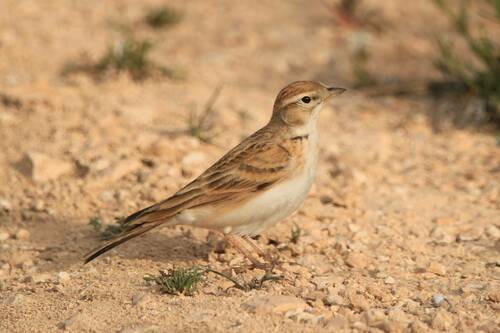
ニシヒメコウテンシ (Calandrella brachydactyla) ニシヒメコウテンシ
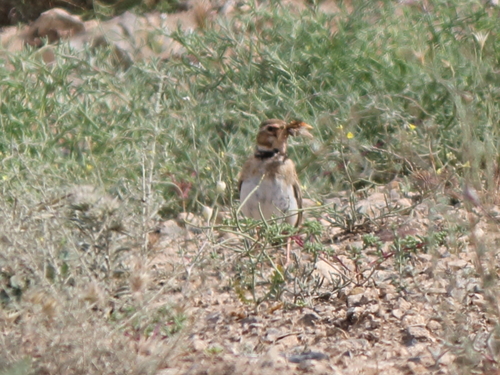
クビワコウテンシ (Melanocorypha bimaculata) クビワコウテンシ

メディア

読み込み中…

要点

ニシヒメコウテンシとクビワコウテンシの最も信頼できるフィールドマークは、飛行中の翼と尾のパターンです:クビワコウテンシは、灰褐色の下翼を持つ短く広い翼と、白い先端を持つ短い尾を示しますが、白い縁はありません。一方、ニシヒメコウテンシはこれらの特徴を欠いています。構造的には、クビワコウテンシは明らかに重くて頑丈で、より小さく、色が薄く、繊細なニシヒメコウテンシと比べて、よりがっしりとした印象を与えます。止まっている鳥は見分けが難しいことがありますが、くちばしの形、顔の模様、全体の色合いが役立ちます。飛行中の翼と尾のパターンに注意を払うことが、特に幼鳥や混成群れの中でこれら二種を分ける鍵となります。

識別のコツ

  1. 飛行中に尾の先端を探す: クビワコウテンシは常に白い先端の尾を示し、白い縁はありません;ニシヒメコウテンシは白い先端と白い縁の両方を欠いています。これはすべての羽色と年齢において最も信頼できるフィールドマークです。
  2. 飛行中の下翼の色を確認する: クビワコウテンシは、良い光の下で見える灰褐色の下翼を持っています;ニシヒメコウテンシの下翼は対照的ではないと記述されており、より薄く、あまり目立たないように見えます。
  3. 全体のサイズと体格を評価する: クビワコウテンシは、はるかに重くて頑丈です(54g対はるかに軽いニシヒメコウテンシ)、より頑丈な体型と広い翼を持っています。小さなコウテンシの中で特にずんぐりした印象を与える場合は、クビワコウテンシを疑ってください。
  4. くちばしの形と色: ニシヒメコウテンシは、灰色のクルメンを持つ強く尖ったピンクがかったくちばしを持ち、クビワコウテンシのより頑丈なくちばしよりも繊細であるように見えます。
  5. 顔の模様: 両種は淡い眉斑と暗い首の斑点を持っていますが、クビワコウテンシの斑点は通常より目立ち、孤立しています;ニシヒメコウテンシの斑点はあまり目立ちません。
  6. 頭頂の色: 一部の西部のニシヒメコウテンシは赤褐色の頭頂を示しますが、これはクビワコウテンシの特徴ではありません。
  7. 上面の縞模様: ニシヒメコウテンシは、上面が暗い縞模様の灰褐色で、下面が白く、全体的にクビワコウテンシの一般的に豊かな色合いよりも薄く、洗い流された印象を与えます。
  8. 飛行中の翼の形: クビワコウテンシは短く広い翼を持ち、空中でより丸みを帯びた重い印象を与えます;ニシヒメコウテンシの翼は相対的に長く狭く、より小さなサイズに合っています。
  9. 群れの構造: 冬には、ニシヒメコウテンシは大きく、密集した同期した群れを形成します;クビワコウテンシはそうする可能性が低く、その重い飛行スタイルは混成群れの中で目立ちます。
  10. 生息地の文脈: 南ヨーロッパや北アフリカ、特に乾燥した開けた地域にいる場合、ニシヒメコウテンシがより可能性が高いです;トルコの東のステップや半乾燥地域では、クビワコウテンシが期待されます。
  11. 休息行動: ニシヒメコウテンシはしばしば開けた地面で休息し、小さな土の凹みでしゃがみます;この行動はクビワコウテンシには記載されていません。
  12. 歌と鳴き声: 乾いたツイッター音や模倣的なメロディーを聞いた場合、それはおそらくニシヒメコウテンシです;クビワコウテンシの声はこれらのメモには記載されていないため、分けるために歌に頼らないでください。
  13. 性別と年齢: 両種は羽色において性別が同形です;年齢に関連する違いはよく記述されていませんが、クビワコウテンシの白い尾の先端はすべての年齢で存在します。
  14. 他のコウテンシとの混同に注意: 両種は他のカランデレラやクビワコウテンシと混同される可能性があります;可能な限り、飛行中に尾と翼のパターンを確認してください。
  15. 疑わしい場合は、飛行中の視点を優先する: 停止している鳥は挑戦的ですが、飛行中の尾の先端と下翼をよく見ることが通常は決定的です。

大きさ

クビワコウテンシは、ニシヒメコウテンシよりもかなり大きくて重いです(体重約54g [wikidata])が、ニシヒメコウテンシは著しく小さなコウテンシです(ヒバリよりも小さいですが、正確な体重は記載されていません)。フィールドでは、クビワコウテンシはより頑丈で強靭に見え、ニシヒメコウテンシはコンパクトで優雅です。このサイズの違いは、両種が一緒に見られたり、スケールのために馴染みのあるコウテンシと一緒に見られたりするときにしばしば明らかです。

羽色

飛行中のすべての年齢のクビワコウテンシは、灰褐色の下翼の色合いを持つ短く広い翼と、白い先端を持つ短い尾を示しますが、白い縁はありません—この尾のパターンは診断的であり、ニシヒメコウテンシと区別します。ニシヒメコウテンシは全体的に上面と下面が薄く、上面には暗い縞模様があり、淡い眉斑を持っています;一部の西部の鳥は赤褐色の頭頂を示します。両種は暗い首の斑点を持っていますが、これらは通常クビワコウテンシではより目立ち、孤立しています。性別は両種で似ています。幼鳥や未成熟の羽色はどちらの種でも詳細には記述されていませんが、飛行パターンと尾の先端は、クビワコウテンシのすべての年齢で信頼できるままです。

行動

ニシヒメコウテンシは、特に水に飛ぶときや開けた地面で休息するときに、冬に大きく、密集した同期した群れを形成することがよくあります。クビワコウテンシの群れ行動は詳細には記述されていませんが、その重い体格と広い翼は、ニシヒメコウテンシの速くて敏捷な動きに比べて、より遅く、重々しい飛行をもたらします。両種は開けた地面で見られることがありますが、ニシヒメコウテンシはよりコンパクトで一体感のある群れで見られる可能性が高いです。

生息環境

ニシヒメコウテンシは南ヨーロッパ、北アフリカ、アジア小アジアで繁殖し、冬を過ごし、開けた乾燥した生息地を好みます。クビワコウテンシはトルコから中央アジアにかけてさらに東で繁殖し、同様に開けた国に生息します。トルコや中東の一部で重複する可能性がありますが、ニシヒメコウテンシはより西に分布し、より乾燥した地中海的な環境で見られることが多く、クビワコウテンシはさらに東のステップや半乾燥地域に関連しています。

声

ニシヒメコウテンシの歌は、乾いたツイッター音からより多様で模倣的なメロディーに変化します。クビワコウテンシの声については、利用可能なメモには記載されていないため、ここでは声は信頼できる分け方ではありません。

より良い説明を送る

比較と同じ項目を使ってください。文章はすぐに公開されます。

The most reliable field mark between Greater Short-toed Lark and Bimaculated Lark is the wing and tail pattern in flight: Bimaculated Lark shows short, broad wings with grey-brown underwings and a short tail with a white tip but no white edges, while Greater Short-toed Lark lacks these features. Structurally, Bimaculated Lark is noticeably heavier and bulkier, with a stouter jizz, compared to the smaller, paler, and more delicate Greater Short-toed Lark. Perched birds can be tricky, but bill shape, facial pattern, and overall coloration help. Flight views and attention to wing and tail pattern are key for separating these two, especially among immatures or in mixed flocks.

  1. In flight, look for the tail tip: Bimaculated Lark always shows a white-tipped tail with no white edges; Greater Short-toed Lark lacks both the white tip and white edges. This is the single most reliable field mark in all plumages and ages.
  2. Check underwing color in flight: Bimaculated Lark has grey-brown underwings, visible in good light; Greater Short-toed Lark's underwing is not described as contrasting, so appears paler and less distinct.
  3. Assess overall size and bulk: Bimaculated Lark is much heavier and bulkier (54g vs much lighter Greater Short-toed Lark), with a more robust build and broader wings. If a lark looks especially chunky among small larks, suspect Bimaculated.
  4. Bill shape and color: Greater Short-toed Lark has a strong, pointed, pinkish bill with a grey culmen, appearing finer and more delicate than the stouter bill of Bimaculated Lark.
  5. Facial pattern: Both species have a pale supercilium and dark neck patches, but Bimaculated Lark's patches are typically more prominent and isolated; Greater Short-toed Lark's are less distinct.
  6. Crown color: Some western Greater Short-toed Larks show a rufous crown, which is not a feature of Bimaculated Lark.
  7. Upperpart streaking: Greater Short-toed Lark is dark-streaked greyish-brown above and white below, giving a paler, more washed-out impression than the generally richer tones of Bimaculated Lark.
  8. Wing shape in flight: Bimaculated Lark has short, broad wings, giving it a more rounded and heavy appearance in the air; Greater Short-toed Lark's wings are proportionally longer and narrower, matching its smaller size.
  9. Flock structure: In winter, Greater Short-toed Lark forms large, tight, synchronized flocks; Bimaculated Lark is less likely to do so, and its heavier flight style stands out in mixed groups.
  10. Habitat context: If in southern Europe or North Africa, especially in dry, open country, Greater Short-toed Lark is more likely; in steppe or semi-arid regions east of Turkey, Bimaculated is expected.
  11. Roosting behavior: Greater Short-toed Lark often roosts in open ground, squatting in small soil depressions; this behavior is not noted for Bimaculated Lark.
  12. Song and calls: If you hear a dry twittering or imitative melody, it is likely Greater Short-toed Lark; Bimaculated Lark's voice is not described in these notes, so do not rely on song for separation.
  13. Sex and age: Both species are sexually monomorphic in plumage; age-related differences are not well described, but the white tail tip of Bimaculated Lark is present in all ages.
  14. Beware of confusion with other larks: Both species can be confused with other Calandrella and Melanocorypha larks; always confirm the tail and wing pattern in flight when possible.
  15. When in doubt, prioritize flight views: Perched birds can be challenging, but a good look at the tail tip and underwing in flight is usually decisive.

Bimaculated Lark is substantially larger and heavier (body mass ~54g [wikidata]) than Greater Short-toed Lark, which is a notably small lark (smaller than Skylark [wikipedia], but no precise mass given). In the field, Bimaculated Lark appears bulkier and more robust, while Greater Short-toed Lark is compact and dainty. This size difference is often obvious when both species are seen together or with familiar larks for scale.

In flight, Bimaculated Lark of all ages shows short, broad wings with grey-brown underwing coloration, and a short tail with a white tip but no white edges—this tail pattern is diagnostic and separates it from Greater Short-toed Lark, which does not show a white-tipped tail or grey-brown underwings. Greater Short-toed Lark is overall paler above and below, with dark streaking on the upperparts and a pale supercilium; some western birds show a rufous crown. Both species have dark neck patches, but these are typically more prominent and isolated in Bimaculated Lark. Sexes are similar in both species. Juvenile and immature plumages are not described in detail for either species, but the flight pattern and tail tip remain reliable at all ages for Bimaculated Lark.

Greater Short-toed Lark often forms large, tight, and synchronized flocks in winter, especially when flying to water or roosting on open ground. Bimaculated Lark's flocking behavior is not detailed, but its heavier build and broader wings give it a slower, more ponderous flight compared to the quick, agile movements of Greater Short-toed Lark. Both species may be found on open ground, but Greater Short-toed Lark is more likely to be seen in compact, cohesive groups.

Greater Short-toed Lark breeds and winters across southern Europe, North Africa, and into Asia Minor, favoring open, dry habitats. Bimaculated Lark breeds further east, from Turkey into Central Asia, also in open country. Overlap is possible in parts of Turkey and the Middle East, but Greater Short-toed Lark is more westerly and often found in drier, more Mediterranean settings, while Bimaculated Lark is associated with steppe and semi-arid regions further east.

Greater Short-toed Lark's song varies from a dry twittering to a more varied and imitative melody. No vocal description is provided for Bimaculated Lark in the available notes, so voice is not a reliable separator here.

変更を破棄しますか?

保存していない編集があります。今離れると失われます。

ニシヒメコウテンシ · クビワコウテンシ · 苦手な鳥