

Calandrella vs Calandra asiatica
Calandrella brachydactyla contro Melanocorypha bimaculata
Fai un quiz con Calandrella e Calandra asiatica
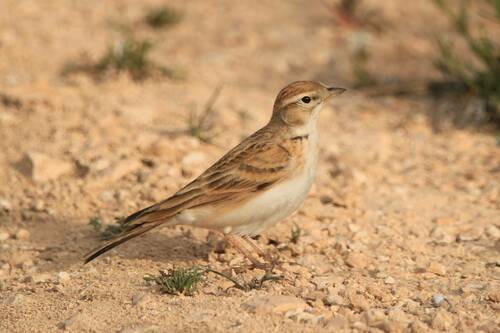 Calandrella
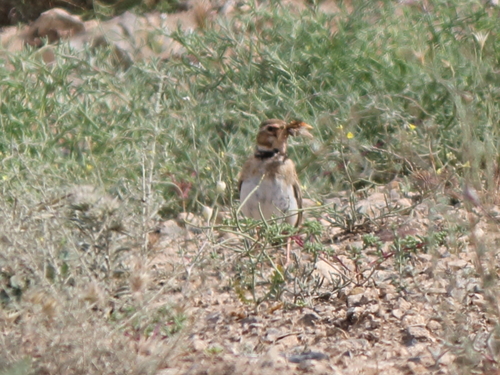 Calandra asiatica
In breve
Il segno di campo più affidabile tra Calandrella e Calandra asiatica è il modello di ali e coda in volo: Calandra asiatica mostra ali corte e larghe con sottocoperte grigio-marroni e una coda corta con una punta bianca ma senza bordi bianchi, mentre Calandrella manca di queste caratteristiche. Strutturalmente, Calandra asiatica è notevolmente più pesante e massiccia, con un aspetto più robusto, rispetto alla Calandrella più piccola, più chiara e più delicata. Gli uccelli in posa possono essere difficili, ma la forma del becco, il modello facciale e la colorazione generale aiutano. Le viste in volo e l'attenzione al modello di ali e coda sono fondamentali per separare questi due, specialmente tra gli immaturi o in gruppi misti.
Consigli di identificazione
- In volo, cerca la punta della coda: Calandra asiatica mostra sempre una coda con punta bianca e senza bordi bianchi; Calandrella manca sia della punta bianca che dei bordi bianchi. Questo è il segno di campo più affidabile in tutte le livree e età.
- Controlla il colore delle sottocoperte in volo: Calandra asiatica ha sottocoperte grigio-marroni, visibili in buona luce; le sottocoperte di Calandrella non sono descritte come contrastanti, quindi appaiono più chiare e meno distinte.
- Valuta la dimensione e la massa complessiva: Calandra asiatica è molto più pesante e massiccia (54g rispetto alla Calandrella molto più leggera), con una struttura più robusta e ali più larghe. Se un'allodola appare particolarmente tozza tra le piccole allodole, sospetta Calandra asiatica.
- Forma e colore del becco: Calandrella ha un becco forte, appuntito e rosato con un culmine grigio, che appare più fine e delicato rispetto al becco più robusto di Calandra asiatica.
- Modello facciale: Entrambe le specie hanno un supercilium chiaro e macchie scure sul collo, ma le macchie di Calandra asiatica sono tipicamente più prominenti e isolate; quelle di Calandrella sono meno distinte.
- Colore della corona: Alcuni esemplari occidentali di Calandrella mostrano una corona rugginosa, che non è una caratteristica di Calandra asiatica.
- Striature sulla parte superiore: Calandrella è striata di grigio-marrone scuro sopra e bianca sotto, dando un'impressione più chiara e sbiadita rispetto ai toni generalmente più ricchi di Calandra asiatica.
- Forma dell'ala in volo: Calandra asiatica ha ali corte e larghe, conferendole un aspetto più arrotondato e pesante in volo; le ali di Calandrella sono proporzionalmente più lunghe e più strette, corrispondenti alla sua dimensione più piccola.
- Struttura del gruppo: In inverno, Calandrella forma grandi gruppi compatti e sincronizzati; Calandra asiatica è meno probabile che lo faccia, e il suo stile di volo più pesante si distingue in gruppi misti.
- Contesto dell'habitat: Se in Europa meridionale o Nord Africa, specialmente in paesaggi asciutti e aperti, è più probabile vedere Calandrella; nelle steppe o nelle regioni semi-aride a est della Turchia, ci si aspetta Calandra asiatica.
- Comportamento di riposo: Calandrella spesso si posa su terreni aperti, accovacciandosi in piccole depressioni del suolo; questo comportamento non è notato per Calandra asiatica.
- Canto e richiami: Se senti un cinguettio secco o una melodia imitativa, è probabile che sia Calandrella; la voce di Calandra asiatica non è descritta in queste note, quindi non fare affidamento sul canto per la separazione.
- Sesso e età: Entrambe le specie sono sessualmente monomorfiche nella livrea; le differenze legate all'età non sono ben descritte, ma la punta bianca della coda di Calandra asiatica è presente in tutte le età.
- Attenzione alla confusione con altre allodole: Entrambe le specie possono essere confuse con altre allodole di Calandrella e Melanocorypha; conferma sempre il modello di coda e ali in volo quando possibile.
- Quando hai dubbi, dai priorità alle viste in volo: Gli uccelli in posa possono essere impegnativi, ma una buona osservazione della punta della coda e delle sottocoperte in volo è solitamente decisiva.
Taglia
Calandra asiatica è sostanzialmente più grande e pesante (massa corporea ~54g [wikidata]) rispetto a Calandrella, che è un'allodola notevolmente piccola (più piccola dell'allodola [wikipedia], ma senza massa precisa fornita). Sul campo, Calandra asiatica appare più massiccia e robusta, mentre Calandrella è compatta e delicata. Questa differenza di dimensioni è spesso ovvia quando entrambe le specie sono viste insieme o con allodole familiari per scala.
Piumaggio
In volo, Calandra asiatica di tutte le età mostra ali corte e larghe con colorazione delle sottocoperte grigio-marroni, e una coda corta con una punta bianca ma senza bordi bianchi—questo modello di coda è diagnostico e la separa da Calandrella, che non mostra una coda con punta bianca o sottocoperte grigio-marroni. Calandrella è complessivamente più chiara sopra e sotto, con striature scure sulla parte superiore e un supercilium chiaro; alcuni esemplari occidentali mostrano una corona rugginosa. Entrambe le specie hanno macchie scure sul collo, ma queste sono tipicamente più prominenti e isolate in Calandra asiatica. I sessi sono simili in entrambe le specie. Le livree giovanili e immature non sono descritte in dettaglio per nessuna delle due specie, ma il modello di volo e la punta della coda rimangono affidabili in tutte le età per Calandra asiatica.
Comportamento
Calandrella forma spesso grandi gruppi compatti e sincronizzati in inverno, specialmente quando vola verso l'acqua o si posa su terreni aperti. Il comportamento di gruppo di Calandra asiatica non è dettagliato, ma la sua struttura più pesante e ali più larghe le conferiscono un volo più lento e ponderato rispetto ai movimenti rapidi e agili di Calandrella. Entrambe le specie possono essere trovate su terreni aperti, ma Calandrella è più probabile da vedere in gruppi compatti e coesi.
Habitat
Calandrella nidifica e sverna in tutta l'Europa meridionale, Nord Africa e in Asia Minore, preferendo habitat aperti e asciutti. Calandra asiatica nidifica più a est, dalla Turchia all'Asia Centrale, anche in campagna aperta. È possibile un sovrapposizione in alcune parti della Turchia e del Medio Oriente, ma Calandrella è più occidentale e spesso trovata in ambienti più secchi e mediterranei, mentre Calandra asiatica è associata a steppe e regioni semi-aride più a est.
Voce
Il canto di Calandrella varia da un cinguettio secco a una melodia più varia e imitativa. Nessuna descrizione vocale è fornita per Calandra asiatica nelle note disponibili, quindi la voce non è un separatore affidabile qui.