

Motmot

ソウゲンライチョウ 対 ヒメソウゲンライチョウ

Tympanuchus cupido 対 Tympanuchus pallidicinctus

ソウゲンライチョウとヒメソウゲンライチョウのクイズ
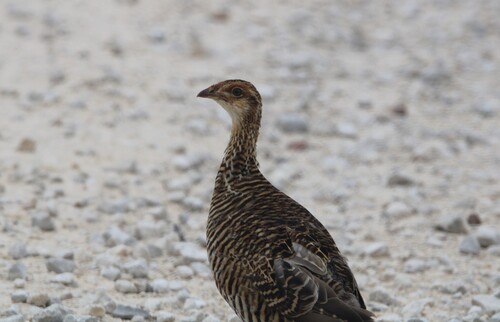
ソウゲンライチョウ (Tympanuchus cupido) ソウゲンライチョウ
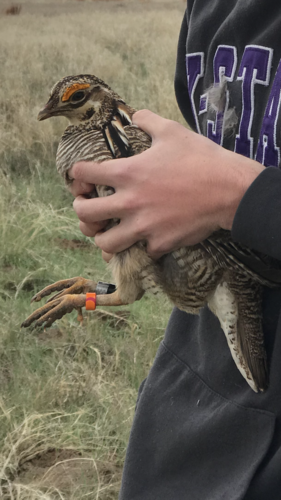
ヒメソウゲンライチョウ (Tympanuchus pallidicinctus) ヒメソウゲンライチョウ

メディア

読み込み中…

要点

グレーター・プレーリー・チキンとレスター・プレーリー・チキンの最も信頼できるフィールドマークは、全体のサイズと体格です:グレーターは明らかに大きく、より頑丈で、体が長く、翼が広いのに対し、レスターは目に見えて小さく、軽いです。両種は似たような縞模様の茶色とバフの羽毛を持つ鶏のようなプレーリーグラウスですが、グレーターのオスはレスターのより控えめな黄橙色に比べて、明るいオレンジ色の首の空気嚢とトサカを示します。フィールドでは、構造やディスプレイの特徴の違いは微妙であるため、サイズ、ディスプレイの色合い、文脈に注意を払うことが重要です。未熟な個体や雌は特に難しく、羽毛が非常に似ています。

識別のコツ

  1. サイズは最も一貫したフィールドマークです:グレーター・プレーリー・チキンはレスターよりも明らかに大きく、体格がしっかりしています。これは、鳥が一緒に見られるときや、スケールのために馴染みのある種と一緒に見られるときに使用してください。
  2. オスのディスプレイ特徴:レッキング中、グレーターのオスは明るいオレンジ色の首の空気嚢とトサカを示し、レスターのオスはより淡い、より黄橙色のディスプレイ特徴を持っています。これは近距離またはスコープで見るのが最適です。
  3. 構造:グレーターは全体的により頑丈に見え、体が長く、翼が広く、より丸みを帯びています。レスターはスリムでコンパクトです。
  4. 尾の形:両種は短く丸い尾を持っていますが、グレーターの尾は体のサイズに対してややふっくらして見えることがあります。
  5. 頭の羽毛:両種のオスは頭の羽毛が長いですが、グレーターの方が長く、より目立ちます。雌と未熟な個体は両種ともに短い頭の羽毛を持っています。
  6. 羽毛の落とし穴:雌と未熟な個体は両種で非常に似ており、縞模様の茶色とバフで、明るいディスプレイ特徴が欠けています。これらの年齢のために羽毛だけに頼らないでください。
  7. 上翼のパターン:飛行中の幼鳥や未熟な個体に対する特異な違いは記載されていません;両方とも似たような縞模様を示します。
  8. 文脈と豊富さ:グレーター・プレーリー・チキンは現在非常に希少で局所的であり、特に管理された保護区の外ではそうです。もし、特定の地域で一種だけが生息していることが知られている場合、これは強い手がかりとなります。
  9. レッキング行動:両種は春に、そしてやや少ない程度で秋にディスプレイします。レスターはレックのために人工構造物をより頻繁に使用するかもしれませんが、これは信頼できる区別ではありません。
  10. 鳴き声:両種は似たような「ボーミング」コールを発します;分離のために声に頼らないでください。
  11. くちばしと顔:くちばしのサイズや顔のパターンに関する信頼できる違いは記載されていません。
  12. 飛行の印象:グレーターは飛行中により重く、より労力を要するように見えるかもしれませんが、これは微妙で、経験によって最もよく判断されます。
  13. 季節的文脈:ディスプレイの特徴は春に最も明らかです。繁殖シーズン以外では、両種は分離が難しくなります。
  14. 性差:明るいトサカと首の空気嚢を示すのはオスだけです;雌と未熟な個体はサイズと文脈によって最もよく識別されます。
  15. 疑問がある場合:サイズを判断できない場合やディスプレイの特徴が見えない場合、または生息地/地域が一種を明確に支持していない場合、鳥を種に特定することは不可能かもしれません。

大きさ

グレーター・プレーリー・チキンはより大きく、重い種であり、成鳥は約43 cm (17 in) の長さと69.5–72.5 cm (27.4–28.5 in) の翼幅に達します [wikipedia]。レスター・プレーリー・チキンは平均して約685.5 gの質量を持ち [wikidata]、ほとんどのグレーター・プレーリー・チキンよりも小さく、軽いです。直接比較すると、グレーターはより体格がしっかりしており、やや長い翼と尾を持っています。鳥が並んで見られるときや良い文脈で見られるとき、このサイズの違いはしばしば最も簡単な手がかりです。

羽色

これらの2種に関する利用可能なメモには、年齢特有の上翼や飛行パターンの違いについての詳細は記載されていません。両種は全体的に似たような縞模様の茶色とバフの羽毛を持っています。グレーター・プレーリー・チキンの成鳥のオスは目の上に目立つオレンジ色のトサカと、大きく明るいオレンジ色の膨張可能な首の空気嚢を持ち、これは特にディスプレイ中に目立ちます。レスター・プレーリー・チキンのオスは似たようなディスプレイ特徴を持っていますが、首の空気嚢とトサカはより淡い—鮮やかなオレンジ色よりも黄橙色です。両種の雌と未熟な個体は明るいトサカが欠けており、短い頭の羽毛を持っているため、羽毛だけで分離するのが非常に難しいです。ソースには、いずれの種に対しても特異な幼鳥や未熟な上翼パターンは記載されていません。

行動

両種は、オスが集まってディスプレイを行い、「ボーミング」コールを発するレッキング行動で有名です。レスター・プレーリー・チキンのオスは、やや異なるレックサイトを使用することがあり、時には人工構造物を選ぶこともありますが、両種は春に、そしてやや少ない程度で秋に似たような領土的およびディスプレイ行動を示します。両種は地面に巣を作り、似たような繁殖サイクルを持っています。行動の違いは微妙であり、フィールドでの分離には信頼できません。

生息環境

グレーター・プレーリー・チキンはかつて広範囲に分布していましたが、現在は厳しい個体数の減少により、管理された保護区の中の原生プレーリーの残存パッチに制限されています [wikipedia]。レスター・プレーリー・チキンも開けたプレーリーを好み、特に短い草と散在する低木のある地域を好み、レッキングのためにいくつかの人工構造物を使用することに適応しています。両種は一般的な生息地の好みで重なりますが、グレーターは現在はるかに希少で局所的です。生息地だけでは、地域の豊富さがよく知られていない限り、信頼できる区別にはなりません。

声

両種はレッキングのディスプレイ中に深く、共鳴する「ボーミング」コールを発します。メモには、両種間の鳴き声の診断的な違いは提供されていません。

より良い説明を送る

比較と同じ項目を使ってください。文章はすぐに公開されます。

The most reliable field mark between Greater and Lesser Prairie-Chicken is overall size and bulk: Greater is distinctly larger and more robust, with a longer body and broader wings, while Lesser is noticeably smaller and lighter. Both species are chicken-like prairie grouse with similar barred brown-and-buff plumage, but Greater males show brighter orange neck air sacs and combs, compared to the more subdued yellow-orange in Lesser. In the field, differences in structure and display features are subtle, so careful attention to size, display coloration, and context is crucial. Immature and female birds are especially challenging, as their plumage is very similar.

  1. Size is the most consistent field mark: Greater Prairie-Chicken is noticeably larger and bulkier than Lesser. Use this when birds are seen together or with familiar species for scale.
  2. Display features in males: During lekking, Greater males show bright orange neck sacs and combs, while Lesser males have paler, more yellow-orange display features. This is best seen at close range or with a scope.
  3. Structure: Greater appears more robust overall, with a longer body and broader, more rounded wings. Lesser is slimmer and more compact.
  4. Tail shape: Both species have short, rounded tails, but Greater's may appear slightly fuller in proportion to body size.
  5. Head feathering: Both species have elongated head feathers in males, but these are longer and more prominent in Greater. Females and immatures have short head feathers in both species.
  6. Plumage pitfalls: Females and immatures are extremely similar in both species—barred brown and buff, lacking bright display features. Do not rely on plumage alone for these ages.
  7. Upperwing pattern: No distinctive differences are described for juveniles or immatures in flight; both show similar barred patterns.
  8. Context and abundance: Greater Prairie-Chicken is now very rare and localized, especially outside managed reserves. If seen in a region where only one species is known to persist, this can be a strong clue.
  9. Lekking behavior: Both species display in spring and, to a lesser extent, fall. Lesser may use man-made structures for leks more often, but this is not a reliable separator.
  10. Vocalizations: Both produce similar 'booming' calls; do not rely on voice for separation.
  11. Bill and face: No reliable differences in bill size or face pattern are described.
  12. Flight jizz: Greater may appear heavier and more labored in flight, with broader wings, but this is subtle and best judged with experience.
  13. Seasonal context: Display features are most obvious in spring. Outside the breeding season, both species are harder to separate.
  14. Sex differences: Only males show the bright combs and neck sacs; females and immatures are best identified by size and context.
  15. When in doubt: If you cannot judge size or see display features, and habitat/region does not clearly favor one species, it may not be possible to identify the bird to species.

Greater Prairie-Chicken is the larger and heavier species, with adults reaching about 43 cm (17 in) in length and a wingspan of 69.5–72.5 cm (27.4–28.5 in) [wikipedia]. Lesser Prairie-Chicken averages around 685.5 g in mass [wikidata], making it smaller and lighter than most Greater Prairie-Chickens, which can weigh 700–1,200 g. In direct comparison, Greater appears bulkier, with a more robust build and slightly longer wings and tail. When birds are seen side by side or with good context, this size difference is often the easiest clue.

There are no detailed age-specific upperwing or flight pattern differences described in the available notes for these two species. Both species have similar overall barred brown-and-buff plumage. Adult males of Greater Prairie-Chicken have prominent orange combs above the eye and large, bright orange inflatable neck sacs, which are especially visible during display. Lesser Prairie-Chicken males have similar display features, but the neck sacs and combs are paler—more yellow-orange than vivid orange. Females and immatures of both species lack the bright combs and have shorter head feathers, making them extremely difficult to separate on plumage alone. No distinctive juvenile or immature upperwing pattern is noted for either species in the sources.

Both species are famous for their lekking behavior, where males gather to display and produce 'booming' calls. Lesser Prairie-Chicken males may use slightly different lek sites, sometimes choosing man-made structures, but both species show similar territorial and display behaviors during spring and, to a lesser extent, fall. Both species nest on the ground and have similar breeding cycles. Behavioral differences are subtle and not reliable for field separation.

Greater Prairie-Chicken was once widespread but is now restricted to remnant patches of native prairie, often in managed reserves due to severe population declines [wikipedia]. Lesser Prairie-Chicken also prefers open prairie, especially areas with short grass and scattered brush, and has adapted to using some man-made structures for lekking. Both species overlap in general habitat preference, but Greater is now much rarer and more localized. Habitat alone is not a reliable separator unless local abundance is well known.

Both species produce deep, resonant 'booming' calls during lekking displays. The notes do not provide diagnostic differences in vocalizations between the two species.

変更を破棄しますか?

保存していない編集があります。今離れると失われます。

ソウゲンライチョウ · ヒメソウゲンライチョウ · 苦手な鳥