

Greater Prairie-Chicken vs Lesser Prairie-Chicken
Tympanuchus cupido contro Tympanuchus pallidicinctus
Fai un quiz con Greater Prairie-Chicken e Lesser Prairie-Chicken
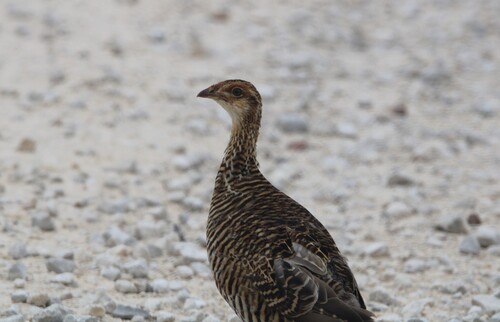 Greater Prairie-Chicken
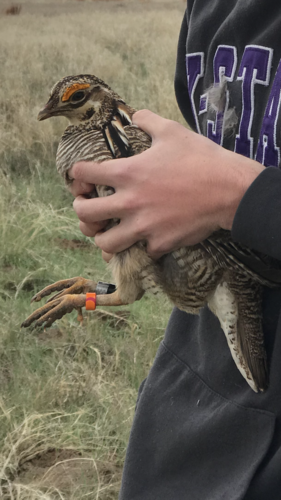 Lesser Prairie-Chicken
In breve
Il segno di campo più affidabile tra Greater Prairie-Chicken e Lesser Prairie-Chicken è la dimensione e la robustezza complessiva: Greater è decisamente più grande e robusto, con un corpo più lungo e ali più larghe, mentre Lesser è notevolmente più piccolo e leggero. Entrambe le specie sono galliformi simili a polli con piumaggio barrato marrone e buff simile, ma i maschi di Greater mostrano sacchi aerei arancioni più brillanti e creste, rispetto al giallo-arancio più tenue di Lesser. Sul campo, le differenze nella struttura e nelle caratteristiche di display sono sottili, quindi prestare attenzione alla dimensione, alla colorazione del display e al contesto è cruciale. Gli uccelli immaturi e femminili sono particolarmente difficili, poiché il loro piumaggio è molto simile.
Consigli di identificazione
- La dimensione è il segno di campo più consistente: Greater Prairie-Chicken è notevolmente più grande e robusto di Lesser. Usa questo quando gli uccelli sono visti insieme o con specie familiari per scala.
- Caratteristiche di display nei maschi: Durante il lekking, i maschi di Greater mostrano sacchi aerei arancioni brillanti e creste, mentre i maschi di Lesser hanno caratteristiche di display più chiare, più giallo-arancio. Questo è meglio visto a distanza ravvicinata o con un cannocchiale.
- Struttura: Greater appare più robusto nel complesso, con un corpo più lungo e ali più larghe e arrotondate. Lesser è più snello e compatto.
- Forma della coda: Entrambe le specie hanno code corte e arrotondate, ma quella di Greater può apparire leggermente più piena in proporzione alla dimensione del corpo.
- Piumaggio della testa: Entrambe le specie hanno piume della testa allungate nei maschi, ma queste sono più lunghe e più prominenti in Greater. Le femmine e gli immaturi hanno piume della testa corte in entrambe le specie.
- Trappole del piumaggio: Le femmine e gli immaturi sono estremamente simili in entrambe le specie—barrati marrone e buff, privi di caratteristiche di display brillanti. Non fare affidamento sul piumaggio da solo per queste età.
- Schema dell'ala superiore: Non sono descritte differenze distintive per i giovanili o gli immaturi in volo; entrambi mostrano schemi barrati simili.
- Contesto e abbondanza: Greater Prairie-Chicken è ora molto raro e localizzato, specialmente al di fuori delle riserve gestite. Se visto in una regione in cui è nota la persistenza di una sola specie, questo può essere un forte indizio.
- Comportamento di lekking: Entrambe le specie si esibiscono in primavera e, in misura minore, in autunno. Lesser può utilizzare strutture artificiali per i lek più spesso, ma questo non è un separatore affidabile.
- Vocalizzazioni: Entrambi producono chiamate simili a 'booming'; non fare affidamento sulla voce per la separazione.
- Becco e faccia: Non sono descritte differenze affidabili nella dimensione del becco o nel pattern del viso.
- Volo: Greater può apparire più pesante e affaticato in volo, con ali più larghe, ma questo è sottile e meglio giudicato con esperienza.
- Contesto stagionale: Le caratteristiche di display sono più evidenti in primavera. Al di fuori della stagione riproduttiva, entrambe le specie sono più difficili da separare.
- Differenze sessuali: Solo i maschi mostrano le creste brillanti e i sacchi aerei; le femmine e gli immaturi sono meglio identificati per dimensione e contesto.
- Quando in dubbio: Se non puoi giudicare la dimensione o vedere le caratteristiche di display, e l'habitat/regione non favorisce chiaramente una specie, potrebbe non essere possibile identificare l'uccello a specie.
Taglia
Greater Prairie-Chicken è la specie più grande e pesante, con adulti che raggiungono circa 43 cm (17 in) di lunghezza e un'apertura alare di 69.5–72.5 cm (27.4–28.5 in) [wikipedia]. Lesser Prairie-Chicken pesa in media circa 685.5 g [wikidata], rendendolo più piccolo e leggero rispetto alla maggior parte dei Greater Prairie-Chickens, che possono pesare 700–1,200 g. In confronto diretto, Greater appare più robusto, con una costruzione più robusta e ali e coda leggermente più lunghe. Quando gli uccelli sono visti fianco a fianco o con un buon contesto, questa differenza di dimensione è spesso il segno più facile da notare.
Piumaggio
Non ci sono differenze dettagliate specifiche per età nel pattern dell'ala superiore o nel volo descritte nelle note disponibili per queste due specie. Entrambe le specie hanno un piumaggio barrato marrone e buff simile. I maschi adulti di Greater Prairie-Chicken hanno creste arancioni prominenti sopra l'occhio e grandi sacchi aerei arancioni brillanti, che sono particolarmente visibili durante il display. I maschi di Lesser Prairie-Chicken hanno caratteristiche di display simili, ma i sacchi aerei e le creste sono più chiari—più giallo-arancio che arancione vivido. Le femmine e gli immaturi di entrambe le specie mancano delle creste brillanti e hanno piume della testa più corte, rendendoli estremamente difficili da separare solo per il piumaggio. Non è notato alcun pattern distintivo dell'ala superiore per i giovanili o gli immaturi per entrambe le specie nelle fonti.
Comportamento
Entrambe le specie sono famose per il loro comportamento di lekking, dove i maschi si radunano per esibirsi e produrre chiamate 'booming'. I maschi di Lesser Prairie-Chicken possono utilizzare siti di lek leggermente diversi, a volte scegliendo strutture artificiali, ma entrambe le specie mostrano comportamenti territoriali e di display simili durante la primavera e, in misura minore, in autunno. Entrambe le specie nidificano a terra e hanno cicli riproduttivi simili. Le differenze comportamentali sono sottili e non affidabili per la separazione sul campo.
Habitat
Greater Prairie-Chicken era un tempo diffuso ma ora è ristretto a macchie residue di prateria nativa, spesso in riserve gestite a causa di gravi cali di popolazione [wikipedia]. Lesser Prairie-Chicken preferisce anche la prateria aperta, specialmente aree con erba corta e cespugli sparsi, e si è adattato a utilizzare alcune strutture artificiali per il lekking. Entrambe le specie si sovrappongono nella preferenza generale per l'habitat, ma Greater è ora molto più raro e localizzato. L'habitat da solo non è un separatore affidabile a meno che l'abbondanza locale non sia ben nota.
Voce
Entrambe le specie producono chiamate profonde e risonanti 'booming' durante le esibizioni di lekking. Le note non forniscono differenze diagnostiche nelle vocalizzazioni tra le due specie.
Greater Prairie-Chicken · Lesser Prairie-Chicken · I miei uccelli difficili