

Motmot

メキシコヒタキモドキ 対 Northern Tropical Pewee

Contopus pertinax 対 Contopus bogotensis

メキシコヒタキモドキとNorthern Tropical Peweeのクイズ
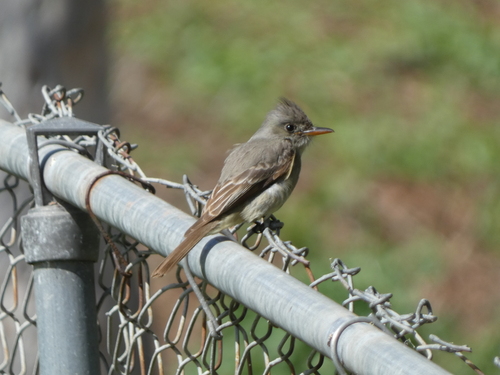
メキシコヒタキモドキ (Contopus pertinax) メキシコヒタキモドキ
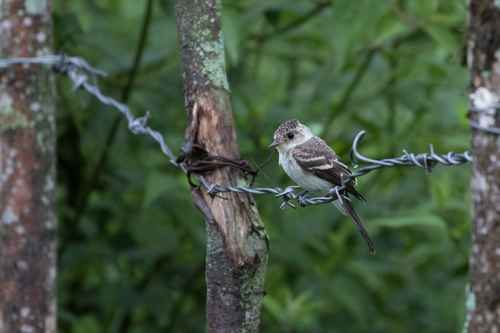
Northern Tropical Pewee (Contopus bogotensis) Northern Tropical Pewee

メディア

読み込み中…

要点

メキシコヒタキモドキとNorthern Tropical Peweeの最も信頼できるフィールドマークは全体のサイズです:メキシコヒタキモドキははるかに大きく、重く、構造が明らかにがっしりしています。フィールドでは、メキシコヒタキモドキは地味なオリーブグレーの顔と頭を示し、わずかな翼のバーしかありませんが、Northern Tropical Peweeは暗い冠、細い白いアイリング、特に幼鳥ではより明確な翼のバーを持っています。幼鳥のNorthern Tropical Peweeは、翼の覆羽に明らかなシナモンバフの先端を示し、これはメキシコヒタキモドキには決して見られません。くちばしの色は似ていますが、メキシコヒタキモドキのくちばしはやや太く見えます。一緒に見られた場合、サイズの違いとNorthern Tropical Peweeの顔のコントラストがそれらを分ける最も迅速な方法です。

識別のコツ

  1. Size is the fastest check: メキシコヒタキモドキはNorthern Tropical Peweeよりもはるかに大きく、重いです。大きくてがっしりしたフライキャッチャーを見たら、メキシコヒタキモドキの可能性が高いです;小さくて優雅な鳥はNorthern Tropical Peweeを指し示します。
  2. Juvenile plumage is diagnostic: 幼鳥のNorthern Tropical Peweeは翼の覆羽に広いシナモンバフの先端と茶色のあごを持ち、これはメキシコヒタキモドキでは決して見られません。これらのマークが見られたら、あなたはNorthern Tropical Peweeの幼鳥を持っています。
  3. Facial contrast: Northern Tropical Peweeは細い白いアイリングと暗い冠を示し、よりコントラストのある顔を与えます。メキシコヒタキモドキの顔は地味なオリーブグレーで、わずかなロアしかなく、アイリングはありません。
  4. Wing bars: 両種は2つの翼のバーを持っていますが、メキシコヒタキモドキではそれらはわずかで灰色がかっています;Northern Tropical Pewee(特に幼鳥)では、より明確で、若い鳥では淡いシナモンバフになることがあります。
  5. Crest shape: メキシコヒタキモドキはトゲのある冠を持ち、Northern Tropical Peweeのわずかな冠よりも目立つように見えることがあります。
  6. Bill structure: 両者は暗い上顎と黄色がかったオレンジの下顎を持っていますが、メキシコヒタキモドキのくちばしは太く、相対的に大きく、より大きな頭に合っています。
  7. Underparts color: メキシコヒタキモドキはバフィーな腹部と尾羽の覆羽を持ち、Northern Tropical Peweeのそれは白から黄色がかった白で、淡い茶色の尾羽の覆羽を持っています。
  8. Rump features: Northern Tropical Peweeは尻尾の両側に隠れた白い羽の房を持っています(ふくらませたり扱ったりしない限り見えません)、これはメキシコヒタキモドキにはありません。
  9. Iris color: 両者は茶色の虹彩を持ち、分離には役立ちません。
  10. Leg color: 両種は暗いから黒っぽい脚と足を持っています;これは有用なフィールドマークではありません。
  11. Perching behavior: Northern Tropical Peweeはしばしば同じ止まり木に戻り、着地時に尾を震わせることがあります;これはメキシコヒタキモドキではあまり見られません。
  12. Habitat and elevation: 重複する地域では、メキシコヒタキモドキはより高い標高の松・オークの森林にいる可能性が高く、Northern Tropical Peweeは低く湿った森林の端を好みます。
  13. Sexes alike: 両種は羽毛において性的二形性を示さず、性別を手がかりとして使用しないでください。
  14. Seasonal wear: メキシコヒタキモドキの羽毛は摩耗とともに色あせ、オリーブ色が薄くなりますが、これは微妙で強いフィールドマークではありません。
  15. Voice: メモには含まれていません;現在の情報に基づいて分離のために声に依存しないでください。

大きさ

メキシコヒタキモドキはかなり大きく、長さ18〜20 cm、質量約27 gで、Northern Tropical Peweeの12〜14 cmおよび8〜14 gと比較されます。これは手の中での劇的な違いであり、サイズの基準があればフィールドで明らかになるはずです。メキシコヒタキモドキはより長く、重い体を持ち、相対的に大きな頭とくちばしを持っています。Northern Tropical Peweeははるかに小柄で、軽い体型と小さなくちばしを持っています。

羽色

幼鳥のNorthern Tropical Peweeは独特で、上面がより茶色く、翼の覆羽に広い淡いシナモンバフの先端を示し、さらに茶色のあごを持っています—これらはどの年齢のメキシコヒタキモドキでも見られません。成鳥のNorthern Tropical Peweeは暗い黒灰色の冠、細い白いアイリング、尻尾の両側に隠れた白い羽の房を持ち、翼のバーは薄いですがメキシコヒタキモドキのわずかなバーよりも明確です。メキシコヒタキモドキの成鳥はより地味で、トゲのある冠、地味なオリーブグレーの頭と上面、わずかな灰色の翼のバーしか持っていません。両種は淡いロアを持っていますが、Northern Tropical Peweeだけが明確なアイリングを示します。腹部は微妙に異なり、メキシコヒタキモドキはバフィーな腹部と尾羽の覆羽を持ち、Northern Tropical Peweeのそれは白から黄色がかった白で、淡い茶色の尾羽の覆羽を持っています。くちばしの色は似ています(暗い上部、黄色がかったオレンジの下部)が、メキシコヒタキモドキのくちばしは少し太いです。両者は暗い脚と茶色の虹彩を持っています。

行動

両種は典型的なContopusのフライキャッチャーで、露出した止まり木から昆虫を捕まえるために飛び出します。Northern Tropical Peweeはしばしば同じ止まり木に戻り、着地時に尾を震わせることがありますが、これはメキシコヒタキモドキでは特に見られません。メキシコヒタキモドキの大きなサイズは、その動きをより遅く、より意図的に見せるかもしれません。両者は直立して止まる傾向があり、混合種の群れに加わることは知られていません。

生息環境

メキシコヒタキモドキはアリゾナ州とニューメキシコ州からニカラグア南部まで見られ、通常は松・オークの森林や山地の森林に生息しています。Northern Tropical Peweeは南東メキシコから南アメリカ北部まで分布し、森林の端や中間の止まり木を好みます。中米ではいくつかの重複がありますが、メキシコヒタキモドキはより高い標高や乾燥した松・オークの生息地にいる可能性が高く、Northern Tropical Peweeは湿った森林の端や森林内の低いから中間のレベルを好みます。

より良い説明を送る

比較と同じ項目を使ってください。文章はすぐに公開されます。

The most reliable field mark between Greater Pewee and Northern Tropical Pewee is overall size: Greater Pewee is much larger and heavier, with a notably bulkier structure. In the field, Greater Pewee shows a plain olive-gray face and head with only faint wing bars, while Northern Tropical Pewee has a darker crown, a thin white eye-ring, and more distinct wing bars, especially in juveniles. Juvenile Northern Tropical Pewee also shows obvious cinnamon-buff tips to the wing coverts, a feature never present on Greater Pewee. Bill color is similar but the Greater Pewee’s bill appears slightly stouter. If seen together, the difference in size and the facial contrast of Northern Tropical Pewee are the quickest ways to separate them.

  1. Size is the fastest check: Greater Pewee is much larger and heavier than Northern Tropical Pewee. If you see a flycatcher that looks big and chunky, Greater Pewee is likely; a small, dainty bird points to Northern Tropical Pewee.
  2. Juvenile plumage is diagnostic: Juvenile Northern Tropical Pewee has broad cinnamon-buff tips to the wing coverts and a brown chin, never seen on Greater Pewee. If you see these marks, you have a Northern Tropical Pewee juvenile.
  3. Facial contrast: Northern Tropical Pewee shows a thin white eye-ring and a darker crown, giving a more contrasting face. Greater Pewee’s face is plain olive-gray with only pale lores and no eye-ring.
  4. Wing bars: Both species have two wing bars, but on Greater Pewee they are faint and grayish; on Northern Tropical Pewee (especially juveniles) they are more distinct and can be pale cinnamon-buff in young birds.
  5. Crest shape: Greater Pewee has a spiky crest, which can look more pronounced than the slight crest of Northern Tropical Pewee.
  6. Bill structure: Both have a dark upper mandible and yellowish to orange lower, but Greater Pewee’s bill is stouter and proportionally larger, matching its bigger head.
  7. Underparts color: Greater Pewee has a buffy belly and undertail coverts; Northern Tropical Pewee’s are white to yellowish white, with pale brown undertail coverts.
  8. Rump features: Northern Tropical Pewee has a hidden white feather tuft on each side of the rump (not visible unless fluffed or handled), absent in Greater Pewee.
  9. Iris color: Both have brown irises, not useful for separation.
  10. Leg color: Both species have dusky to blackish legs and feet; not a useful field mark.
  11. Perching behavior: Northern Tropical Pewee often returns to the same perch and may shiver its tail upon landing; this is less noted in Greater Pewee.
  12. Habitat and elevation: In overlapping regions, Greater Pewee is more likely in higher-elevation pine-oak woodlands, while Northern Tropical Pewee prefers lower, humid forest edges.
  13. Sexes alike: Both species show no sexual dimorphism in plumage—do not use sex as a clue.
  14. Seasonal wear: Greater Pewee’s plumage fades with wear, becoming less olive, but this is subtle and not a strong field mark.
  15. Voice: Not covered in the notes; do not rely on vocalizations for separation based on current information.

Greater Pewee is substantially larger: 18–20 cm in length and about 27 g in mass, compared to Northern Tropical Pewee’s 12–14 cm and 8–14 g. This is a dramatic difference in hand and should be obvious in the field if you have any size reference. Greater Pewee appears longer and heavier-bodied, with a proportionally larger head and bill. Northern Tropical Pewee is much more petite, with a lighter build and smaller bill.

Juvenile Northern Tropical Pewee is distinctive, showing browner upperparts and broad pale cinnamon-buff tips to the wing coverts, plus a brown chin—none of which are ever seen on Greater Pewee of any age. Adult Northern Tropical Pewee has a dark blackish gray crown, a thin white eye-ring, and a hidden white feather tuft on each side of the rump; its wing bars are thin but more distinct than the faint bars of Greater Pewee. Greater Pewee adults are plainer, with a spiky crest, plain olive-gray head and upperparts, and only faint grayish wing bars. Both species have pale lores, but only Northern Tropical Pewee shows a clear eye-ring. Underparts differ subtly: Greater Pewee has a buffy belly and undertail coverts, while Northern Tropical Pewee’s are white to yellowish white, with pale brown undertail coverts. Bill color is similar (dark upper, yellowish to orange lower), but Greater Pewee’s bill is a bit stouter. Both have dusky legs and brown irises.

Both species are classic Contopus flycatchers, sallying from exposed perches to catch insects. Northern Tropical Pewee often returns to the same perch and may shiver its tail on landing, a behavior not specifically noted for Greater Pewee. Greater Pewee’s larger size may make its movements appear slower and more deliberate. Both tend to perch upright and are not known for joining mixed-species flocks.

Greater Pewee is found from Arizona and New Mexico south to Nicaragua, typically in pine-oak woodlands and montane forests. Northern Tropical Pewee ranges from southeastern Mexico to northern South America, favoring forest edges and mid-level perches. There is some overlap in Central America, but Greater Pewee is more likely at higher elevations and in drier pine-oak habitats, while Northern Tropical Pewee prefers humid forest edges and lower to mid-levels within the forest.

変更を破棄しますか?

保存していない編集があります。今離れると失われます。

メキシコヒタキモドキ · Northern Tropical Pewee · 苦手な鳥