

Motmot

ノドグロミツオシエ 対 キバラヤブチメドリ

Indicator indicator 対 Turdoides plebejus

ノドグロミツオシエとキバラヤブチメドリのクイズ
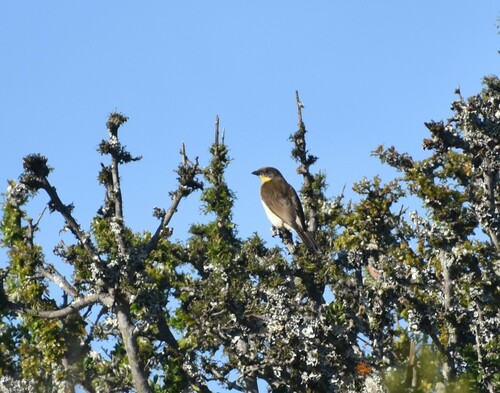
ノドグロミツオシエ (Indicator indicator) ノドグロミツオシエ
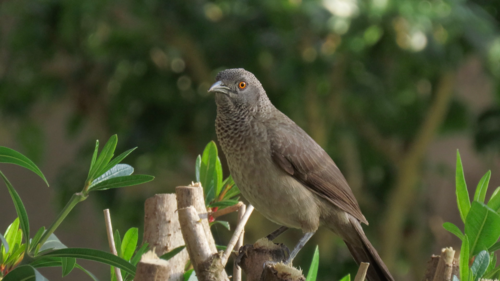
キバラヤブチメドリ (Turdoides plebejus) キバラヤブチメドリ

メディア

読み込み中…

要点

ノドグロミツオシエとキバラヤブチメドリを区別する最も信頼できるフィールドマークは、ハニガイドの存在する大胆な白い尾の斑点と対照的な黄色の肩の斑点であり、特に飛行中または尾を広げて止まっているときに目立ちます。幼鳥のハニガイドはオリーブブラウンの上面と白い尾羽を示し、一方でバブラーはより均一に茶色で、鱗状の頭と白い縞模様の喉と胸を持っています。構造的には、ハニガイドは小さくて細身で、短くて淡いくちばし(オスの場合)を持ち、一方でバブラーは重くてがっしりしており、黒いくちばしを持っています。両種は遠くから見ると地味に見えることがありますが、尾、喉、翼のマーキングに注意を払うことで、ほとんどのフィールドビューで区別できます。

識別のコツ

  1. 白い尾の斑点(すべての年齢、特に飛行中): ノドグロミツオシエだけが尾の側に大胆な白い斑点を示し、尾を広げて止まっているときや飛行中に見えます。キバラヤブチメドリの尾は無地の茶色です。
  2. 黄色の肩の斑点(成鳥のオスのハニガイド): オスのハニガイドの肩に黄色の斑点を探してください。バブラーはどこにも黄色を示しません。
  3. 喉と胸の模様(成鳥): キバラヤブチメドリは白い縞模様の喉と胸、鱗状の頭を持ち、縞模様のあるパターンの外観を与えます。ハニガイドのオスは黒い喉を持ち、メスは鈍い黒っぽい喉を持ち、幼鳥は黄色の喉と上胸を持っています。
  4. くちばしの色と形: 成鳥のオスのハニガイドはピンクのくちばしを持ち、メスは黒っぽいです。キバラヤブチメドリは常に黒いくちばしを持ち、わずかに重く、下向きに曲がっています。
  5. 尾羽の色(幼鳥): 幼鳥のハニガイドは白い尾羽を持ち、オリーブブラウンの上面と対照的です。バブラーは均一に茶色で、白い尾羽はありません。
  6. 体の形とサイズ: バブラーは大きく、重く、がっしりしており、より丸みを帯びた、ぽっこりした外観を持っています。ハニガイドは細身で軽いです。
  7. 翼の色と模様: ハニガイドの翼は白っぽい縞模様があり、バブラーの翼は青銅色の茶色で、縞模様はありません。
  8. 目の色(成鳥と幼鳥): 成鳥のバブラーは黄色の虹彩を持ち、幼鳥は茶色です。これは微妙ですが、近くで見ると役立ちます。ハニガイドの目の色は特に目立つものではありません。
  9. 群れの行動: バブラーはほぼ常に騒がしい群れにいますが、ハニガイドは孤独または緩やかに関連しており、蜂の巣の近くを除いてはそうです。
  10. 誘導行動: ハニガイドだけが人間を蜂の巣に積極的に導く独特の行動を示し、特定の呼び声や飛行パターンを伴います。
  11. 鳴き声: バブラーは非常に騒がしく、群れからの絶え間ない厳しいおしゃべりがあります。ハニガイドは孤独で、揺れ動くおしゃべりの「ティヤ」音を出し、特に誘導中にそうします。
  12. 生息地の文脈: バブラーは開けた森林、低木、耕作地を好み、しばしば水の近くで群れを作ります。ハニガイドは蜂の活動、森林、またはサバンナの近くにいる可能性が高く、大きな群れで見られることは少ないです。
  13. 性差: ハニガイドだけが性二形性を示し(オスはピンクのくちばしと黄色の肩の斑点を持つ)、バブラーは性一形性です。
  14. 幼鳥の混乱: 白い尾羽と黄色の喉を持つ鳥を見たら、それは幼鳥のハニガイドです。群れの中で無地の茶色で、縞模様の少ない鳥は幼鳥のバブラーです。
  15. 採餌行動: ハニガイドは蜂の巣の近くやワックスを食べているのが見られることがありますが、バブラーは地面や低い植物の中で採餌し、蜂と接触することはほとんどありません。

大きさ

キバラヤブチメドリは明らかに大きくて重く、平均62.5g(範囲52–80g)で、長さは22–25cmで、ノドグロミツオシエの47gと約20cmと比較されます。バブラーはよりがっしりして重い体に見え、しばしば緩やかで騒がしい群れで移動しますが、ハニガイドは細身でより孤独です。両者が一緒に見られるときにその違いが最も明らかですが、単独でも、バブラーのサイズと質量は両方に慣れている場合には特異です。

羽色

行動

ノドグロミツオシエはしばしば孤独であるか、蜂の巣の近くで他のハニガイドと緩やかに関連しており、時には目立つ、揺れ動く飛行とおしゃべりの呼び声で人間を積極的に導くことがあります。静かに止まっているか、木の間を目的を持って飛んでいるのが見られることがあります。キバラヤブチメドリは非常に社交的で、通常は騒がしい緩やかな群れの中で、低木や低木の中を移動し、しばしば地面の上や近くで採餌します。バブラーは落ち着きがなく、頻繁に跳ねたり、翼や尾をひらひらさせたりし、絶えず鳴き声を上げます。ハニガイドは誘導しているとき以外は静かで目立たない動きをします。

生息環境

両種は西アフリカからケニアまでの重複する地域に生息することがありますが、好ましい生息地は異なります。ノドグロミツオシエは野生の蜂が巣を作る地域—森林、サバンナ、時には人間の集落の近くに関連しています。キバラヤブチメドリは開けた森林、低木、耕作地を好み、しばしば水の近くで群れを作り、開けた場所やエッジの生息地で群れで見られる可能性が高いです。開けた低木や農地の騒がしい群れの中で鳥を見た場合、それはバブラーである可能性が高いです。蜂の活動の近くや人間を導いている孤独な鳥はハニガイドである可能性が高いです。

声

ノドグロミツオシエは、特に誘導中または興奮しているときに、特徴的な揺れ動くおしゃべりの「ティヤ」音を出し、ピープやパイプと混ざります。キバラヤブチメドリは全体的に非常に騒がしく、群れによってほぼ常に与えられる厳しいおしゃべりや叱責の呼び声の範囲があります。持続的で複雑な群れの合唱を聞いた場合、それはバブラーである可能性が高いです。孤独で誘導するおしゃべりはハニガイドを示します。

より良い説明を送る

比較と同じ項目を使ってください。文章はすぐに公開されます。

The most reliable field mark to separate Greater Honeyguide from Brown Babbler is the presence of bold white tail patches and a contrasting yellow shoulder patch in the honeyguide, especially visible in flight or when perched with the tail spread. Juvenile honeyguides show olive-brown upperparts and a white rump, while babblers are more uniformly brown with a scaled head and white-streaked throat and breast. Structurally, honeyguides are smaller and slimmer with a shorter, paler bill (in males), while babblers are heavier, bulkier, and have a black bill. Both species can appear drab at a distance, but careful attention to tail, throat, and wing markings will separate them in most field views.

  1. White tail patches (all ages, especially in flight): Only Greater Honeyguide shows bold white patches on the sides of the tail, visible when perched with tail spread or in flight. Brown Babbler's tail is plain brown.
  2. Yellow shoulder patch (adult male honeyguide): Look for a yellow patch at the shoulder in male honeyguides; babblers never show yellow anywhere.
  3. Throat and breast pattern (adults): Brown Babbler has a white-streaked throat and breast and a scaled head, giving a streaky, patterned look. Honeyguide males have a solid black throat, females a duller blackish throat, and immatures a yellow throat and upper breast.
  4. Bill color and shape: Adult male honeyguide has a pink bill; female's is blackish. Brown Babbler always has a black bill, which is slightly heavier and more downcurved.
  5. Rump color (immatures): Immature honeyguides have a white rump, contrasting with olive-brown upperparts. Babblers are uniformly brown with no white rump.
  6. Body shape and size: Babblers are larger, heavier, and bulkier, with a more rounded, pot-bellied look. Honeyguides are slimmer and lighter.
  7. Wing color and pattern: Honeyguide wings are streaked whitish; babbler wings are bronze-brown and lack streaking.
  8. Eye color (adults vs juveniles): Adult babblers have yellow irises, while juveniles have brown. This is subtle but can help in close views; honeyguide eye color is not noted as distinctive.
  9. Group behavior: Babblers are almost always in noisy flocks; honeyguides are solitary or loosely associated, except at bee nests.
  10. Guiding behavior: Only honeyguides exhibit the unique behavior of actively leading humans to bee nests, often with specific calls and flight patterns.
  11. Vocalizations: Babblers are much noisier, with constant harsh chattering from groups. Honeyguides give solitary, wavering, chattering 'tya' notes, especially when guiding.
  12. Habitat context: Babblers prefer open woodland, scrub, and cultivated areas, often near water and in groups. Honeyguides are more likely near bee activity, woodland, or savanna, and are less likely to be seen in large groups.
  13. Sex differences: Only honeyguides show sexual dimorphism (male with pink bill and yellow shoulder patch); babblers are sexually monomorphic.
  14. Juvenile confusion: If you see a bird with a white rump and yellow throat, it's an immature honeyguide; a plain brown, less streaked bird in a flock is a juvenile babbler.
  15. Feeding behavior: Honeyguides may be seen near bee nests or feeding on wax; babblers forage on the ground or in low vegetation, rarely interacting with bees.

Brown Babbler is noticeably larger and heavier, averaging 62.5 g (range 52–80 g) and 22–25 cm in length, compared to the Greater Honeyguide's 47 g and about 20 cm. Babblers look bulkier and heavier-bodied, often moving in loose, noisy groups, while honeyguides are slimmer and more solitary. The difference is most apparent when both are seen together, but even singly, the babbler's size and mass are distinctive if familiar with both.

  • Juvenile/immature birds: Greater Honeyguide immatures have olive-brown upperparts, a white rump, and a yellow throat and upper breast. These features are not found in Brown Babbler juveniles, which are plainer, browner, and lack the white rump or yellow tones, with brown irises instead of yellow.
  • Adults: Male Greater Honeyguide shows a black throat, pink bill, yellow shoulder patch, bold white tail sides, and white underparts. Females are duller but still show white tail patches and a blackish bill. Brown Babbler adults are overall grey-brown with a scaled head, white-streaked throat and breast, bronze-brown wings, and a black bill; both sexes look alike. The babbler lacks any yellow or white rump/tail patches and has a more uniform brown appearance with a distinctive streaked throat and scaled crown.
  • In flight: The honeyguide's white tail patches are diagnostic and visible in most views, especially when the bird fans or flicks its tail. Babblers have plain brown tails with no white, and their wings are bronze-brown without contrasting patches.

Greater Honeyguide is often solitary or in loose association with other honeyguides at bee nests, sometimes actively guiding humans with conspicuous, wavering flight and chattering calls. It may be seen perched quietly or flying purposefully between trees. Brown Babbler is highly social, usually in noisy, loose flocks that move through undergrowth or low trees, often foraging on or near the ground. Babblers are restless, frequently hopping and flicking wings and tails, and vocalizing constantly. Honeyguides are quieter and less conspicuous in their movements except when guiding.

Both species can occur in overlapping regions from West Africa to Kenya, but their preferred habitats differ. Greater Honeyguide is associated with areas where wild bees nest—woodland, savanna, and sometimes near human settlements. Brown Babbler favors open woodland, scrub, and cultivated areas, often near water, and is more likely to be seen in groups in open or edge habitats. If you see a bird in a noisy flock in open scrub or farmland, it's more likely a babbler; a solitary bird near bee activity or guiding humans is likely a honeyguide.

Greater Honeyguide gives distinctive wavering, chattering 'tya' notes mixed with peeps or pipes, especially when guiding or agitated. Brown Babbler is much noisier overall, with a range of harsh, chattering, and scolding calls given almost constantly by the flock. If you hear a persistent, complex group chorus, it's likely babblers; a solitary, guiding chatter points to honeyguide.

変更を破棄しますか?

保存していない編集があります。今離れると失われます。

ノドグロミツオシエ · キバラヤブチメドリ · 苦手な鳥