

Greater Honeyguide vs Brown Babbler
Indicator indicator contro Turdoides plebejus
Fai un quiz con Greater Honeyguide e Brown Babbler
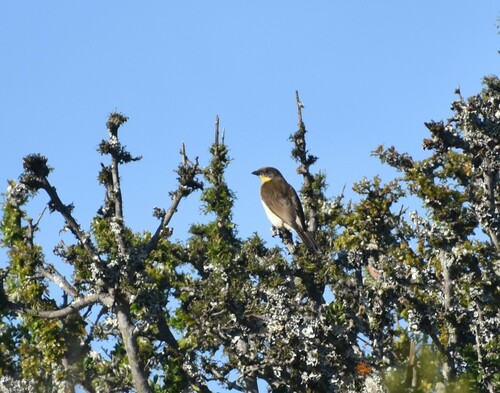 Greater Honeyguide
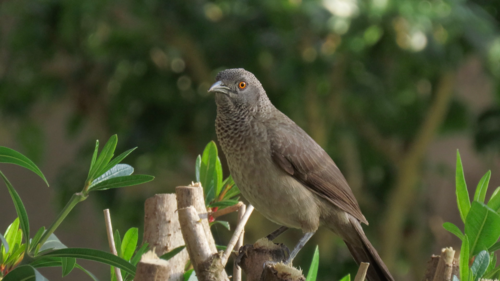 Brown Babbler
In breve
Il segno di campo più affidabile per separare il Greater Honeyguide dal Brown Babbler è la presenza di macchie bianche audaci sulla coda e di una macchia gialla contrastante sulla spalla nel honeyguide, particolarmente visibile in volo o quando è posato con la coda aperta. I honeyguides juvenili mostrano parti superiori di colore oliva-marrone e un sottocoda bianco, mentre i babblers sono più uniformemente marroni con una testa squamosa e una gola e un petto striati di bianco. Strutturalmente, i honeyguides sono più piccoli e snelli con un becco più corto e più chiaro (nei maschi), mentre i babblers sono più pesanti, più robusti e hanno un becco nero. Entrambe le specie possono apparire opache a distanza, ma un'attenzione accurata ai segni sulla coda, sulla gola e sulle ali le separerà nella maggior parte delle visuali di campo.
Consigli di identificazione
- Macchie bianche sulla coda (tutte le età, specialmente in volo): Solo il Greater Honeyguide mostra macchie bianche audaci sui lati della coda, visibili quando è posato con la coda aperta o in volo. La coda del Brown Babbler è marrone uniforme.
- Macchia gialla sulla spalla (honeyguide maschio adulto): Cerca una macchia gialla sulla spalla nei maschi honeyguides; i babblers non mostrano mai giallo.
- Schema di gola e petto (adulti): Il Brown Babbler ha una gola e un petto striati di bianco e una testa squamosa, dando un aspetto striato e decorato. I maschi honeyguide hanno una gola nera solida, le femmine una gola nera più opaca e gli immaturi una gola gialla e un petto superiore.
- Colore e forma del becco: Il maschio adulto honeyguide ha un becco rosa; quello della femmina è nerastro. Il Brown Babbler ha sempre un becco nero, che è leggermente più pesante e più ricurvo.
- Colore del sottocoda (immaturi): I honeyguides immaturi hanno un sottocoda bianco, in contrasto con le parti superiori oliva-marrone. I babblers sono uniformemente marroni senza sottocoda bianco.
- Forma e dimensione del corpo: I babblers sono più grandi, più pesanti e più robusti, con un aspetto più arrotondato e panciuto. I honeyguides sono più snelli e leggeri.
- Colore e schema delle ali: Le ali del honeyguide sono striate di bianco; le ali del babbler sono bronzo-marroni e mancano di striature.
- Colore degli occhi (adulti vs juvenili): I babblers adulti hanno iridi gialle, mentre i juvenili hanno marroni. Questo è sottile ma può aiutare nelle visuali ravvicinate; il colore degli occhi del honeyguide non è notato come distintivo.
- Comportamento di gruppo: I babblers sono quasi sempre in stormi rumorosi; i honeyguides sono solitari o associati in modo lasco, tranne che nei nidi delle api.
- Comportamento di guida: Solo i honeyguides mostrano il comportamento unico di guidare attivamente gli esseri umani verso i nidi delle api, spesso con richiami e schemi di volo specifici.
- Vocalizzazioni: I babblers sono molto più rumorosi, con un continuo chiacchierio aspro dai gruppi. I honeyguides emettono note solitarie, tremolanti e chiacchieranti 'tya', specialmente quando guidano.
- Contesto dell'habitat: I babblers preferiscono boschi aperti, cespugli e aree coltivate, spesso vicino all'acqua e in gruppi. I honeyguides sono più propensi a trovarsi vicino all'attività delle api, nei boschi o nella savana, e sono meno probabili da vedere in grandi gruppi.
- Differenze sessuali: Solo i honeyguides mostrano dimorfismo sessuale (maschio con becco rosa e macchia gialla sulla spalla); i babblers sono sessualmente monomorfi.
- Confusione giovanile: Se vedi un uccello con un sottocoda bianco e una gola gialla, è un honeyguide immaturo; un uccello marrone uniforme, meno striato in un gruppo è un babbler giovanile.
- Comportamento alimentare: I honeyguides possono essere visti vicino ai nidi delle api o nutrirsi di cera; i babblers cercano cibo a terra o in vegetazione bassa, raramente interagendo con le api.
Taglia
Il Brown Babbler è notevolmente più grande e più pesante, con un peso medio di 62,5 g (intervallo 52–80 g) e una lunghezza di 22–25 cm, rispetto ai 47 g e circa 20 cm del Greater Honeyguide. I babblers appaiono più robusti e pesanti, spesso muovendosi in gruppi rumorosi e sciolti, mentre i honeyguides sono più snelli e più solitari. La differenza è più evidente quando entrambi sono visti insieme, ma anche singolarmente, la dimensione e la massa del babbler sono distintive se si è familiari con entrambi.
Piumaggio
- Uccelli giovanili/immaturi: I honeyguides immaturi hanno parti superiori oliva-marrone, un sottocoda bianco e una gola e un petto gialli. Queste caratteristiche non si trovano nei juvenili del Brown Babbler, che sono più semplici, marroni e mancano del sottocoda bianco o delle tonalità gialle, con iridi marroni invece di gialle.
- Adulti: Il maschio del Greater Honeyguide mostra una gola nera, un becco rosa, una macchia gialla sulla spalla, lati della coda bianchi audaci e parti inferiori bianche. Le femmine sono più opache ma mostrano ancora macchie bianche sulla coda e un becco nerastro. Gli adulti del Brown Babbler sono complessivamente grigio-marroni con una testa squamosa, gola e petto striati di bianco, ali bronzo-marroni e un becco nero; entrambi i sessi si somigliano. Il babbler non ha macchie gialle o bianche sul sottocoda o sulla coda e ha un aspetto marrone più uniforme con una gola striata distintiva e una corona squamosa.
- In volo: Le macchie bianche sulla coda del honeyguide sono diagnostiche e visibili nella maggior parte delle visuali, specialmente quando l'uccello apre o flicka la coda. I babblers hanno code marroni uniformi senza bianco, e le loro ali sono bronzo-marroni senza macchie contrastanti.
Comportamento
Il Greater Honeyguide è spesso solitario o in associazione lasca con altri honeyguides nei nidi delle api, a volte guidando attivamente gli esseri umani con un volo evidente e tremolante e richiami chiacchieranti. Può essere visto posato tranquillamente o volando con decisione tra gli alberi. Il Brown Babbler è altamente sociale, di solito in stormi rumorosi e sciolti che si muovono attraverso la vegetazione bassa o gli alberi, spesso cercando cibo a terra o vicino al suolo. I babblers sono irrequieti, saltellando frequentemente e flickando ali e code, e vocalizzando costantemente. I honeyguides sono più silenziosi e meno appariscenti nei loro movimenti tranne quando guidano.
Habitat
Entrambe le specie possono verificarsi in regioni sovrapposte dall'Africa occidentale al Kenya, ma i loro habitat preferiti differiscono. Il Greater Honeyguide è associato ad aree dove le api selvatiche nidificano—boschi, savana e talvolta vicino agli insediamenti umani. Il Brown Babbler predilige boschi aperti, cespugli e aree coltivate, spesso vicino all'acqua, ed è più probabile che venga visto in gruppi in habitat aperti o di margine. Se vedi un uccello in un gruppo rumoroso in cespugli aperti o terreni agricoli, è più probabile che sia un babbler; un uccello solitario vicino all'attività delle api o che guida gli esseri umani è probabilmente un honeyguide.
Voce
Il Greater Honeyguide emette note 'tya' distintive, tremolanti e chiacchieranti mescolate a peep o pipe, specialmente quando guida o è agitato. Il Brown Babbler è molto più rumoroso nel complesso, con una gamma di richiami aspri, chiacchieranti e rimproveranti emessi quasi costantemente dal gruppo. Se senti un coro di gruppo persistente e complesso, è probabile che siano babblers; un chiacchierio solitario e guida indica un honeyguide.
Greater Honeyguide · Brown Babbler · I miei uccelli difficili