

Motmot

アカゲラ 対 カオジロアカゲラ

Dendrocopos major 対 Dendrocopos syriacus

アカゲラとカオジロアカゲラのクイズ
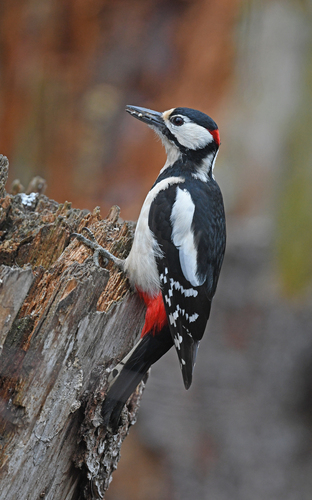
アカゲラ (Dendrocopos major) アカゲラ
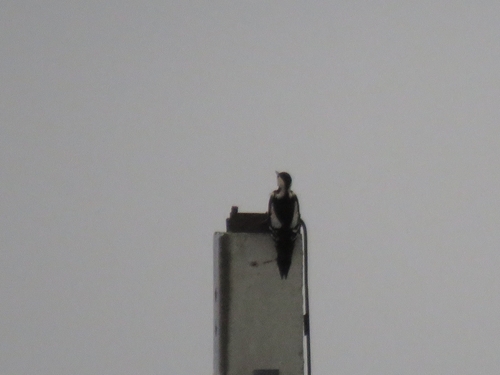
カオジロアカゲラ (Dendrocopos syriacus) カオジロアカゲラ

メディア

読み込み中…

要点

アカゲラとカオジロアカゲラを区別する最も信頼できるフィールドマークは、黒い頬のバーの有無です:アカゲラは常にくちばしの基部から首にかけて強い黒い線を示しますが、カオジロアカゲラはこれがなく、顔がより白く、開放的に見えます。両種はサイズと全体的なパターンが非常に似ていますが、カオジロアカゲラはくちばしが長く、下側がより淡いように見え、腹部の赤が少なくなっています。幼鳥のアカゲラは特に混乱を招くことがありますが、彼らの頬のバーは不完全である場合がありますが、カオジロアカゲラはどの年齢でも完全な黒い頬のバーを示すことはありません。飛んでいる時や止まっている時は、まず頭のパターンに焦点を当て、その後、くちばしの長さや下側の色の微妙な違いを確認してください。

識別のコツ

  1. 黒い頬のバー(全ての年齢): アカゲラは常にくちばしから頬を通って強い黒い線を示します;カオジロアカゲラはこれがなく、より白く、開放的な顔になります。これは最も信頼できるフィールドマークです。
  2. 幼鳥の混乱: 幼鳥のアカゲラは不完全な頬のバーを持っているかもしれませんが、通常は何らかの痕跡が見えます;カオジロアカゲラの幼鳥は完全な頬のバーを示すことはありません。
  3. くちばしの長さ: カオジロアカゲラはアカゲラよりも長く、やや細いくちばしを持つ傾向がありますが、これは微妙で、補助的な証拠として使用するのが最適です。
  4. 頭のパターン: カオジロアカゲラは頭により多くの白があり、特に顔や額の周りで、アカゲラのよりパターン化された外観と比較されます。
  5. 下側の色: アカゲラは下側が白く、腹部と尾の下側がスカーレットです;カオジロアカゲラは下側がバフ色の白で、腹部と尾の下側に赤みがあり、全体的により淡く見えることが多いです。
  6. 尾のパターン: カオジロアカゲラの外側の3本の尾羽は白い斑点が少ししかなく、アカゲラは尾により広範囲な白いバーがあります。これは尾が広がった時に最もよく見えます。
  7. 肩の斑点: 両種とも大きな白い肩の斑点があります;区別にはなりません。
  8. 翼のパターン: 両種とも黒と白の縞模様の翼があります;区別にはなりません。
  9. 赤い冠(幼鳥): 両方の幼鳥は赤い冠を持っていますが、その範囲は異なり、信頼できる区別にはなりません。
  10. 後頭部の斑点(性別): 両種のオスは赤い後頭部の斑点を持っています;メスはこれがありません。種の区別には役立ちません。
  11. ドラミング: カオジロアカゲラのドラミングは長く、音量が減少しますが、アカゲラのドラミングは短く、より均一です。微妙で、経験と共に使用するのが最適です。
  12. 鳴き声: カオジロアカゲラの鳴き声はアカゲラのよりも柔らかい(「クイット、クイット」)ですが、重複と個体差により信頼性がありません。
  13. 生息地: カオジロアカゲラは古い木のある開けた耕作地にいる可能性が高いですが、両種とも生息域が重なる公園や森林に出現することがあります。
  14. 行動: 両種とも幹や枝を登り、尾を支えとして使用します;行動は区別にはなりません。
  15. 直接比較: 両種が出現する場所では、まず頬のバーと顔のパターンに焦点を当て、その後、くちばしの長さと下側の色を補助的なマークとして使用してください。

大きさ

両種はサイズが非常に近く、アカゲラは平均89gの質量と20〜24 cmの長さで、カオジロアカゲラは約23 cmの長さです(質量は指定されていませんが、似ています)。フィールドでは、サイズだけでは信頼できる区別にはなりません。カオジロアカゲラはわずかにくちばしが長く、少しスリムに見えるかもしれませんが、これは微妙で、直接比較なしでは見逃されやすいです。

羽色

全ての年齢において、主な違いは黒い頬のバーです:アカゲラ(成鳥とほとんどの幼鳥)はくちばしから頬を通って大胆な黒い線を示しますが、カオジロアカゲラはこれがなく、顔がはるかに白くなります。幼鳥のアカゲラは不完全な頬のバーを持つことがありますが、完全に欠如することは稀です。両種とも大きな白い肩の斑点と黒と白の縞模様の翼を持っています。アカゲラの下側は白く、スカーレットの下腹部と尾の下側を持ち、カオジロアカゲラは下側がバフ色の白で、腹部と尾の下側の羽毛に赤みがあります。幼鳥の赤い冠は両方に存在しますが、その範囲は異なります。カオジロアカゲラは全体的に頭により多くの白を示し、外側の3本の尾羽は白い斑点が少ししかありません(アカゲラよりも少なく、アカゲラはより広範囲な尾のバーがあります)。両種のオスは赤い後頭部の斑点を持っています;メスはこれがありません。アカゲラの亜種の変異により、下側が淡くなったり暗くなったりすることがありますが、頬のバーは一貫しています。

行動

両種は似たような方法で餌を探し、幹や枝を登り、硬い尾を支えとして使用します。カオジロアカゲラはしばしば目立たず、開けた森林や公園で見落とされることがあります。ドラミング行動は似ていますが、カオジロアカゲラのドラミングは長く、音量が減少し、アカゲラのドラミングは短く、より均一です。

生息環境

アカゲラはユーラシア全域に広く分布し、成熟した森林、公園、庭などのさまざまな森林に見られます。カオジロアカゲラはより局所的で、開けた森林、木のある耕作地、公園を好み、しばしばアカゲラよりも乾燥したり開放的な生息地にいます。重複する地域では、両種とも似たような環境に出現することがあるため、生息地だけでは診断にはなりません。

声

カオジロアカゲラの鳴き声は鋭く、柔らかい「クイット、クイット」で、アカゲラの鳴き声よりも厳しくありません。ドラミングも微妙に異なります:カオジロアカゲラのドラミングは長く、音量が減少し、やや速く、アカゲラのドラミングは短く、より均一です。これらの違いは経験と共に最もよく理解され、フィールドで常に信頼できるわけではありません。

より良い説明を送る

比較と同じ項目を使ってください。文章はすぐに公開されます。

The most reliable field mark to separate Great Spotted Woodpecker from Syrian Woodpecker is the presence or absence of a black cheek bar: Great Spotted always shows a strong black line running from the base of the bill down the neck, while Syrian lacks this, leaving the face whiter and more open. Both species are strikingly similar in size and overall pattern, but Syrian appears longer-billed and paler below, with less extensive red on the underparts. Juvenile Great Spotted can be especially confusing, as their cheek bar may be incomplete, but Syrian never shows a full black cheek bar at any age. In flight or perched, focus first on the head pattern and then check for subtle differences in bill length and underpart color.

  1. Black cheek bar (all ages): Great Spotted Woodpecker always shows a strong black line from the bill through the cheek; Syrian Woodpecker lacks this, resulting in a whiter, more open face. This is the single most reliable field mark.
  2. Juvenile confusion: Juvenile Great Spotted may have an incomplete cheek bar, but usually some trace is visible; Syrian juveniles never show a full cheek bar.
  3. Bill length: Syrian Woodpecker tends to have a longer, slightly more slender bill than Great Spotted, but this is subtle and best used as supporting evidence.
  4. Head pattern: Syrian has more white on the head, especially around the face and forehead, compared to the more patterned look of Great Spotted.
  5. Underparts color: Great Spotted is white below with a scarlet lower belly and undertail; Syrian is buffish white with reddish on the abdomen and undertail, often appearing paler overall.
  6. Tail pattern: The three outer tail feathers of Syrian show only a few white spots, while Great Spotted has more extensive white barring on the tail. This is best seen when the tail is spread.
  7. Shoulder patch: Both have a large white shoulder patch; not a separator.
  8. Wing pattern: Both have black-and-white barred wings; not a separator.
  9. Red crown (juveniles): Both juveniles have a red crown, but the extent varies and is not a reliable separator.
  10. Nape patch (sexes): Males of both species have a red nape patch; females lack it. Not useful for species separation.
  11. Drumming: Syrian's drumming is longer and fades in volume, while Great Spotted's is shorter and more even. Subtle and best used with experience.
  12. Call: Syrian's call is softer ('quit, quit') than Great Spotted's harsher call, but overlap and individual variation make this unreliable.
  13. Habitat: Syrian is more likely in open, cultivated areas with old trees, but both can occur in parks and woodlands where ranges overlap.
  14. Behavior: Both climb trunks and branches, using their tails for support; behavior is not a separator.
  15. Direct comparison: Where both species occur, focus on the cheek bar and face pattern first, then use bill length and underpart color as supporting marks.

Both species are very close in size, with Great Spotted Woodpecker averaging 89g in mass and 20–24 cm in length, while Syrian Woodpecker is about 23 cm long (mass not specified, but similar). In the field, size alone is not a reliable separator. Syrian may appear slightly longer-billed and a touch slimmer, but this is subtle and easily missed without direct comparison.

For all ages, the key difference is the black cheek bar: Great Spotted Woodpecker (adult and most juveniles) shows a bold black line running from the bill through the cheek, while Syrian Woodpecker lacks this, resulting in a much whiter face. Juvenile Great Spotted can have an incomplete cheek bar, but it is rarely completely absent. Both species have a large white shoulder patch and barred black-and-white wings. Underparts are white in Great Spotted, with a scarlet lower belly and undertail, while Syrian is buffish white below with reddish on the abdomen and undertail coverts. The red crown in juveniles is present in both, but the extent varies. Syrian shows more white on the head overall, and the three outer tail feathers have only a few white spots (less than Great Spotted, which has more extensive tail barring). Males of both species have a red nape patch; females lack this. Subspecific variation in Great Spotted can cause paler or darker underparts, but the cheek bar is consistent.

Both species forage in similar ways, climbing trunks and branches, using their stiff tails for support. Syrian Woodpecker is often more inconspicuous and can be overlooked in open woodland or parkland. Drumming behavior is similar, but Syrian's drumming is longer and decreases in volume, while Great Spotted's is shorter and more even.

Great Spotted Woodpecker is widespread across the Palearctic, found in a variety of woodlands, including mature forests, parks, and gardens. Syrian Woodpecker is more localized, favoring open woodlands, cultivated areas with trees, and parks, often in drier or more open habitats than Great Spotted. In areas of overlap, both can occur in similar settings, so habitat alone is not diagnostic.

Syrian Woodpecker's call is a sharp, soft 'quit, quit', less harsh than Great Spotted's call. Drumming is also subtly different: Syrian's drumming is longer, decreases in volume, and is slightly faster, while Great Spotted's is shorter and more even. These differences are best appreciated with experience and are not always reliable in the field.

変更を破棄しますか?

保存していない編集があります。今離れると失われます。

アカゲラ · カオジロアカゲラ · 苦手な鳥