

Picchio rosso maggiore vs Syrian Woodpecker
Dendrocopos major contro Dendrocopos syriacus
Fai un quiz con Picchio rosso maggiore e Syrian Woodpecker
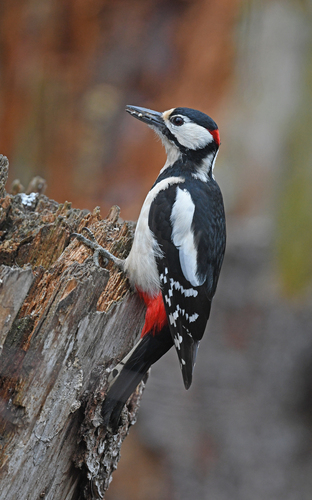 Picchio rosso maggiore
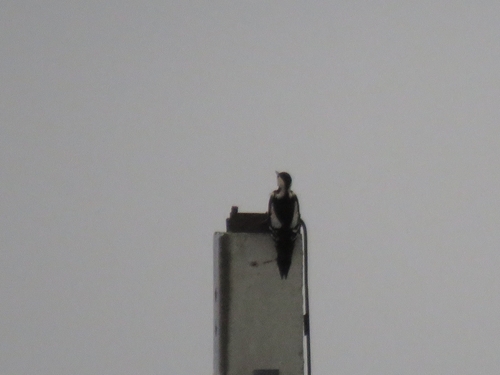 Syrian Woodpecker
In breve
Il segno di campo più affidabile per separare il Picchio rosso maggiore dal Syrian Woodpecker è la presenza o l'assenza di una barra nera sulla guancia: il Picchio rosso maggiore mostra sempre una forte linea nera che corre dalla base del becco lungo il collo, mentre il Syrian manca di questo, lasciando il viso più bianco e aperto. Entrambe le specie sono sorprendentemente simili in dimensioni e nel modello generale, ma il Syrian appare con un becco più lungo e più chiaro sotto, con meno rosso nelle parti inferiori. I giovani Picchi rossi maggiori possono essere particolarmente confusi, poiché la loro barra sulla guancia può essere incompleta, ma il Syrian non mostra mai una barra nera completa sulla guancia a nessuna età. In volo o posato, concentrati prima sul modello della testa e poi controlla le sottili differenze nella lunghezza del becco e nel colore delle parti inferiori.
Consigli di identificazione
- Barra nera sulla guancia (tutte le età): Il Picchio rosso maggiore mostra sempre una forte linea nera dal becco attraverso la guancia; il Syrian Woodpecker manca di questo, risultando in un viso più bianco e aperto. Questo è il segno di campo più affidabile.
- Confusione nei giovani: I giovani Picchi rossi possono avere una barra sulla guancia incompleta, ma di solito è visibile qualche traccia; i giovani Syrian non mostrano mai una barra completa sulla guancia.
- Lunghezza del becco: Il Syrian Woodpecker tende ad avere un becco più lungo e leggermente più snello rispetto al Picchio rosso maggiore, ma questo è sottile e meglio utilizzato come prova di supporto.
- Modello della testa: Il Syrian ha più bianco sulla testa, specialmente attorno al viso e alla fronte, rispetto all'aspetto più decorato del Picchio rosso maggiore.
- Colore delle parti inferiori: Il Picchio rosso maggiore è bianco sotto con un ventre e un sottocoda scarlatti; il Syrian è bianco giallastro con rossiccio sull'addome e sul sottocoda, apparendo spesso più chiaro nel complesso.
- Modello della coda: Le tre penne esterne della coda del Syrian mostrano solo alcune macchie bianche, mentre il Picchio rosso maggiore ha una maggiore barratura bianca sulla coda. Questo è meglio visibile quando la coda è aperta.
- Macchia sulla spalla: Entrambi hanno una grande macchia bianca sulla spalla; non è un separatore.
- Modello delle ali: Entrambi hanno ali barrate in bianco e nero; non è un separatore.
- Corona rossa (giovani): Entrambi i giovani hanno una corona rossa, ma l'estensione varia e non è un separatore affidabile.
- Macchia sulla nuca (sessi): I maschi di entrambe le specie hanno una macchia rossa sulla nuca; le femmine ne sono prive. Non utile per la separazione delle specie.
- Battito: Il battito del Syrian è più lungo e sfuma in volume, mentre quello del Picchio rosso maggiore è più corto e più uniforme. Sottile e meglio utilizzato con esperienza.
- Richiamo: Il richiamo del Syrian è più morbido ('quit, quit') rispetto a quello più duro del Picchio rosso maggiore, ma l'overlap e la variazione individuale rendono questo poco affidabile.
- Habitat: Il Syrian è più probabile in aree aperte e coltivate con alberi vecchi, ma entrambi possono verificarsi in parchi e boschi dove gli areali si sovrappongono.
- Comportamento: Entrambi arrampicano tronchi e rami, usando le loro code per supporto; il comportamento non è un separatore.
- Confronto diretto: Dove si trovano entrambe le specie, concentrati prima sulla barra della guancia e sul modello del viso, poi usa la lunghezza del becco e il colore delle parti inferiori come segni di supporto.
Taglia
Entrambe le specie sono molto simili in dimensioni, con il Picchio rosso maggiore che pesa in media 89g e misura 20–24 cm di lunghezza, mentre il Syrian Woodpecker è lungo circa 23 cm (peso non specificato, ma simile). Sul campo, la dimensione da sola non è un separatore affidabile. Il Syrian può apparire leggermente con un becco più lungo e un po' più snello, ma questo è sottile e facilmente trascurabile senza un confronto diretto.
Piumaggio
Per tutte le età, la differenza chiave è la barra nera sulla guancia: il Picchio rosso maggiore (adulto e la maggior parte dei giovani) mostra una forte linea nera che corre dal becco attraverso la guancia, mentre il Syrian Woodpecker manca di questo, risultando in un viso molto più bianco. I giovani Picchi rossi possono avere una barra sulla guancia incompleta, ma raramente è completamente assente. Entrambe le specie hanno una grande macchia bianca sulla spalla e ali barrate in bianco e nero. Le parti inferiori sono bianche nel Picchio rosso maggiore, con un ventre e un sottocoda scarlatti, mentre il Syrian è bianco giallastro sotto con rossiccio sull'addome e sulle copritrici del sottocoda. La corona rossa nei giovani è presente in entrambi, ma l'estensione varia. Il Syrian mostra più bianco sulla testa nel complesso, e le tre penne esterne della coda hanno solo alcune macchie bianche (meno del Picchio rosso maggiore, che ha una barratura della coda più estesa). I maschi di entrambe le specie hanno una macchia rossa sulla nuca; le femmine ne sono prive. La variazione subspecifica nel Picchio rosso maggiore può causare parti inferiori più chiare o più scure, ma la barra sulla guancia è costante.
Comportamento
Entrambe le specie cercano cibo in modi simili, arrampicandosi su tronchi e rami, usando le loro code rigide per supporto. Il Syrian Woodpecker è spesso più discreto e può essere trascurato in boschi aperti o parchi. Il comportamento di battito è simile, ma il battito del Syrian è più lungo e diminuisce di volume, mentre quello del Picchio rosso maggiore è più corto e più uniforme.
Habitat
Il Picchio rosso maggiore è diffuso in tutta la Paleartica, trovato in una varietà di boschi, tra cui foreste mature, parchi e giardini. Il Syrian Woodpecker è più localizzato, preferendo boschi aperti, aree coltivate con alberi e parchi, spesso in habitat più asciutti o aperti rispetto al Picchio rosso maggiore. Nelle aree di sovrapposizione, entrambi possono verificarsi in ambienti simili, quindi l'habitat da solo non è diagnostico.
Voce
Il richiamo del Syrian Woodpecker è un 'quit, quit' acuto e morbido, meno duro rispetto a quello del Picchio rosso maggiore. Anche il battito è leggermente diverso: il battito del Syrian è più lungo, diminuisce di volume ed è leggermente più veloce, mentre quello del Picchio rosso maggiore è più corto e più uniforme. Queste differenze sono meglio apprezzate con esperienza e non sono sempre affidabili sul campo.
Picchio rosso maggiore · Syrian Woodpecker · I miei uccelli difficili