

Motmot

ペルーオオカマドドリ 対 マミジロミツドリ

Synallaxis hypochondriaca 対 Coereba flaveola

ペルーオオカマドドリとマミジロミツドリのクイズ
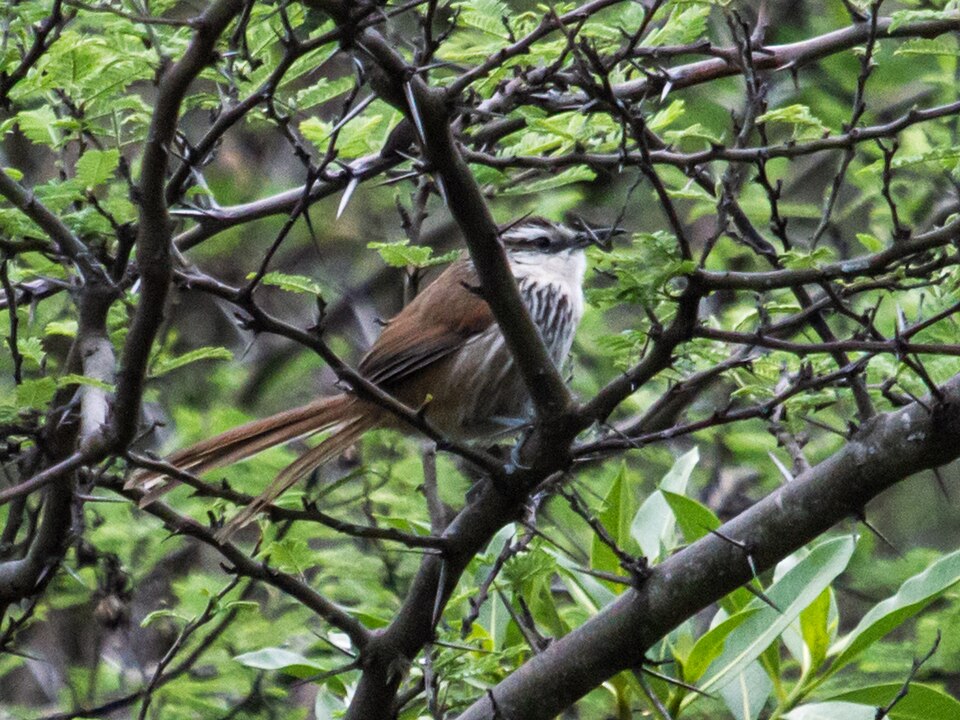
ペルーオオカマドドリ (Synallaxis hypochondriaca) ペルーオオカマドドリ
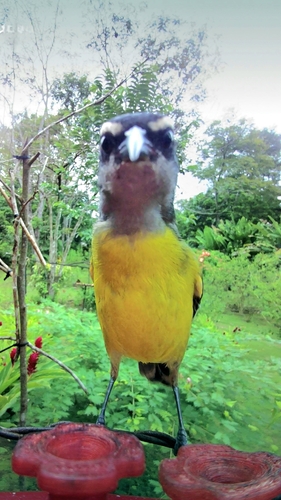
マミジロミツドリ (Coereba flaveola) マミジロミツドリ

メディア

読み込み中…

要点

グレートスピネテイルとマミジロミツドリを区別する最も信頼できるフィールドマークは、全体の構造とくちばしの形です:グレートスピネテイルは、まっすぐで頑丈なくちばしを持つ大きく、長い尾を持つフルナリウィドであり、一方マミジロミツドリははるかに小さく、蜜を吸うために適応した細く、強く曲がったくちばしを持っています。羽色において、グレートスピネテイルは広い白いスーペルシリウムと重い縞模様の白い腹部を示し、マミジロミツドリは目立つ白い眉毛を持っていますが、腹部と尾は黄色です。幼鳥のマミジロミツドリは鈍い色合いですが、まだ黄色のトーンを示し、幼鳥のグレートスピネテイルは腹部の縞模様が少なく、黄色を示すことはありません。生息地も強い手がかりです:グレートスピネテイルはペルー北部の乾燥した山地の低木に限定されており、マミジロミツドリはネオトロピクス全体の低地や丘の庭や開放的な生息地に広く分布しています。

識別のコツ

  1. Bill shape: グレートスピネテイルはまっすぐで頑丈なくちばしを持っています;マミジロミツドリのくちばしは細く、強く曲がっています。これは距離があっても見えるもので、すべての年齢で診断的です。
  2. Size and structure: グレートスピネテイルははるかに大きく、長い尾を持ち、体がより大きく、尾が段階的です。マミジロミツドリは小さく、コンパクトで、短い尾を持っています。
  3. Supercilium/eyebrow: 両方とも目立つ白い眉毛を持っていますが、グレートスピネテイルのものはより広く、暗い頬と耳の覆いと対比しています;マミジロミツドリのものは狭いですが、依然として印象的です。
  4. Underparts color: グレートスピネテイルは白い腹部に茶色の灰色の縞模様を持ち(幼鳥では縞模様が少ない)、黄色はありません。マミジロミツドリは常に腹部と尾に黄色を示し、鈍い幼鳥でもそうです。
  5. Upperparts color: グレートスピネテイルは上面が茶色から灰色がかった茶色です;マミジロミツドリは上面が暗い灰色から黒で、頭の冠と側面は黒です。
  6. Tail: グレートスピネテイルの尾は長く、段階的で、暗い茶色です;マミジロミツドリの尾は短く、暗く、上面と一致しています。
  7. Juvenile differences: 幼鳥のグレートスピネテイルは下部がより淡い色で、縞模様が少なく、黄色や黒っぽい色合いは示しません。幼鳥のマミジロミツドリは成鳥より鈍いですが、依然として黄色がかった腹部と部分的に黄色の眉毛と喉を持っています。
  8. Mandible color (juveniles): 幼鳥のグレートスピネテイルはより淡い、ピンクがかったくちばしを持っています;マミジロミツドリの幼鳥は、特にカリブ海の亜種でピンクの口を示すことがあります。
  9. Feeding behavior: マミジロミツドリは花や砂糖のフィーダーで餌を食べているのがよく見られ、蜜を吸うために止まります;グレートスピネテイルは葉や枝から昆虫を採取し、花で見られることはほとんどありません。
  10. Habitat: グレートスピネテイルはペルー北部の乾燥した山地の低木に限定されています;マミジロミツドリはネオトロピクス全体の庭、公園、開放的な生息地に一般的で、2,000 m以上ではめったに見られません。
  11. Voice: 聞こえた場合、グレートスピネテイルの速く、チャタリングする歌は独特で、マミジロミツドリの典型的な鳴き声とは異なります(ここでは説明されていません)。
  12. Sexes: 両種は性別において同形であり、羽色の違いは性別に基づいていません。
  13. Flight style: 詳細には説明されていませんが、グレートスピネテイルはおそらく重く、飛行中は機敏さが少ないのに対し、マミジロミツドリは素早く、急に動くことができます。
  14. Context: 鳥が人間の周りで餌を食べている場合や砂糖のフィーダーで餌を食べている場合、マミジロミツドリである可能性がはるかに高いです;グレートスピネテイルは内気で、野生の低木に限定されています。
  15. Range: ペルー北部の上部マラニョン渓谷の外では、グレートスピネテイルは発生しません;マミジロミツドリはキューバと密なアマゾンの森を除いて広く分布しています。

大きさ

グレートスピネテイルは、長さ17〜19 cm、質量約24 g [wikidata]で、明らかに長く段階的な尾を持ち、かなり大きいです。マミジロミツドリははるかに小さく、長さ10〜13 cm、質量5.5〜19 g(ほとんどは下限に近い)[wikipedia]です。フィールドでは、グレートスピネテイルはより大きく、長い尾を持っているように見え、マミジロミツドリは小さく、活発な鳥で、コンパクトで丸みを帯びた外観を持っています。

羽色

幼鳥と成鳥のグレートスピネテイルは、どちらも広い白いスーペルシリウム、暗い頬と耳の覆い、淡い茶色の縞模様のある鈍い茶色の冠、そしてより明るい茶色の背中を持っています。彼らの腹部は白く、茶色の灰色の縞模様があります(幼鳥では縞模様が少ない)、そして尾は長く、段階的で、暗い茶色です。マミジロミツドリは、すべての羽色において目立つ白いアイストライプを示しますが、上面は暗い灰色から黒で、頭の冠と側面は黒、胸、腹、尾は黄色です。幼鳥のマミジロミツドリは鈍い色合いで、部分的に黄色の眉毛と喉を持っていますが、グレートスピネテイルにはない黄色のトーンを示します。マミジロミツドリのくちばしは細く、強く曲がっていますが、グレートスピネテイルのくちばしはまっすぐで頑丈です。どちらの種についても年齢特有の上翼パターンは説明されていませんが、全体の色合いと黄色の有無が重要です。

行動

グレートスピネテイルは主に乾燥した山地の低木の中で、通常は単独、ペア、または小さな家族グループで、地面から2 mまでの葉や枝から節足動物を採取します。オープンエリアで見られる可能性は低く、より秘密主義です。マミジロミツドリは非常に活発で、庭、公園、開放的な生息地でよく見られ、蜜、果物、小さな昆虫を食べています。花やフィーダーを頻繁に訪れ、人間の周りで非常に馴れ親しむことができます。マミジロミツドリは餌を食べるために止まる必要があり(ハチドリのようにホバリングできません)、花や低木の間を素早く移動しているのがよく見られます。

生息環境

グレートスピネテイルは、ペルー北部の上部マラニョン渓谷の乾燥した山地の低木に厳密に制限されており、標高2,000〜2,800 m、時には3,000 mまでです [wikipedia]。それは密な低木、サボテン、およびアカシア、ボンバックス、アルヌスのような散在する木々と関連しています。対照的に、マミジロミツドリはネオトロピクス全体に広く分布しており、キューバやいくつかの密な森林や砂漠を除いて、低地(2,000 m以上ではめったに見られない)で庭、公園、開放的または半開放的な生息地に一般的です。もしあなたが豊かな庭や低地の公園で鳥を見た場合、それはほぼ確実にマミジロミツドリです;もしペルー北部の乾燥した山地の低木の中であれば、グレートスピネテイルの可能性があります。

声

グレートスピネテイルの歌は、上昇し下降する「thk」音の大きく、速く、スプラッタリングするおしゃべりで、しばしばデュエットで歌われ、金属的な「TCHEE-TCHEE」やより長い「tu-ter-CHEE-CHEE-CHEE」のような呼び声があります [wikipedia]。マミジロミツドリの鳴き声はこれらのメモには記載されていないため、声はグレートスピネテイルの独特なおしゃべりに慣れていない限り、区別にはあまり信頼できません。

より良い説明を送る

比較と同じ項目を使ってください。文章はすぐに公開されます。

The most reliable field mark to separate Great Spinetail from Bananaquit is overall structure and bill shape: Great Spinetail is a large, long-tailed furnariid with a straight, sturdy bill, while Bananaquit is much smaller, with a slender, strongly curved bill adapted for nectar feeding. In plumage, Great Spinetail shows a broad white supercilium and heavily streaked white underparts, while Bananaquit has a prominent white eyebrow but a yellow belly and rump. Juvenile Bananaquits are duller but still show yellow tones, whereas juvenile Great Spinetails have less underpart streaking but never show yellow. Habitat is also a strong clue: Great Spinetail is restricted to arid montane scrub in northern Peru, while Bananaquit is widespread in lowland and foothill gardens and open habitats throughout the Neotropics.

  1. Bill shape: Great Spinetail has a straight, sturdy bill; Bananaquit's bill is slender and strongly curved. This is visible even at a distance and is diagnostic in all ages.
  2. Size and structure: Great Spinetail is much larger and longer-tailed, with a bulkier body and a graduated tail. Bananaquit is small, compact, and short-tailed.
  3. Supercilium/eyebrow: Both have a prominent white eyebrow, but Great Spinetail's is broader and contrasts with dusky lores and ear coverts; Bananaquit's is narrower but still striking.
  4. Underparts color: Great Spinetail has white underparts with brown-gray streaks (less streaked in juveniles), never yellow. Bananaquit always shows yellow on the belly and rump, even in dull juveniles.
  5. Upperparts color: Great Spinetail is brown to grayish brown above; Bananaquit is dark grey to black above, with a black crown and sides of the head.
  6. Tail: Great Spinetail's tail is long, graduated, and dusky brown; Bananaquit's tail is short and dark, matching the upperparts.
  7. Juvenile differences: Juvenile Great Spinetail is paler below with less streaking, but never shows yellow or blackish tones. Juvenile Bananaquit is duller than adult but still has yellowish underparts and a partially yellow eyebrow and throat.
  8. Mandible color (juveniles): Juvenile Great Spinetail has a paler, pinker mandible; Bananaquit juveniles may show a pink gape, especially in Caribbean subspecies.
  9. Feeding behavior: Bananaquit is often seen feeding at flowers or sugar feeders, perching to sip nectar; Great Spinetail gleans insects from foliage and branches, rarely seen at flowers.
  10. Habitat: Great Spinetail is restricted to arid montane scrub in northern Peru; Bananaquit is common in gardens, parks, and open habitats throughout the Neotropics, rarely above 2,000 m.
  11. Voice: If heard, Great Spinetail's rapid, chattering song is distinctive and unlike Bananaquit's typical calls (not described here).
  12. Sexes: Both species are sexually monomorphic; plumage differences are not sex-based.
  13. Flight style: Not described in detail, but Great Spinetail is likely heavier and less agile in flight compared to the quick, darting movements of Bananaquit.
  14. Context: If the bird is tame and feeding around humans or at sugar feeders, Bananaquit is far more likely; Great Spinetail is shy and restricted to wild scrub.
  15. Range: Outside the upper Marañón valley of northern Peru, Great Spinetail does not occur; Bananaquit is widespread except Cuba and dense Amazonian forest.

Great Spinetail is substantially larger, at 17–19 cm in length and about 24 g in mass [wikidata], with a noticeably long, graduated tail. Bananaquit is much smaller, ranging from 10–13 cm in length and 5.5–19 g in mass (most typically at the lower end) [wikipedia]. In the field, Great Spinetail will appear bulkier and longer-tailed, while Bananaquit is a small, active bird with a compact, rounded appearance.

Juvenile and adult Great Spinetails both have a wide white supercilium, dusky lores and ear coverts, a dull brown crown with faint buffy streaks, and a back that is lighter brown. Their underparts are white with brown-gray streaks (less streaked in juveniles), and their tail is long, graduated, and dusky brown. Bananaquit, in all plumages, shows a prominent white eyestripe, but differs in having dark grey to black upperparts, black crown and sides of the head, and a yellow chest, belly, and rump. Juvenile Bananaquits are duller, with partially yellow eyebrows and throat, but still show yellow tones absent in Great Spinetail. The Bananaquit's bill is slender and strongly decurved, while Great Spinetail's is straight and robust. No age-specific upperwing pattern is described for either species, but the overall coloration and presence/absence of yellow are key.

Great Spinetail forages mainly in dense arid montane scrub, usually singly, in pairs, or small family groups, gleaning arthropods from foliage and branches up to 2 m above ground. It is more secretive and less likely to be seen in open areas. Bananaquit is highly active, often seen flitting about in gardens, parks, and open habitats, feeding on nectar, fruit, and small insects. It frequently visits flowers and feeders and can become very tame around humans. Bananaquit must perch to feed (cannot hover like a hummingbird), and is often seen moving quickly between flowers and shrubs.

Great Spinetail is strictly limited to arid montane scrub in the upper Marañón valley of northern Peru, at elevations of 2,000–2,800 m, sometimes up to 3,000 m [wikipedia]. It is associated with dense scrub, cactus, and scattered trees like Acacia, Bombax, and Alnus. Bananaquit, by contrast, is widespread throughout the Neotropics, absent only from Cuba and some dense forests or deserts, and is common in gardens, parks, and open to semi-open habitats at lower elevations (rarely above 2,000 m). If you see the bird in a lush garden or lowland park, it is almost certainly a Bananaquit; if in arid montane scrub in northern Peru, Great Spinetail is possible.

Great Spinetail's song is a loud, rapid, spluttering chatter of 'thk' notes that rise and fall, often sung in duet, with calls like a metallic 'TCHEE-TCHEE' or a longer 'tu-ter-CHEE-CHEE-CHEE' [wikipedia]. Bananaquit's vocalizations are not described in these notes, so voice is less reliable for separation unless you are familiar with Great Spinetail's distinctive chatter.

変更を破棄しますか?

保存していない編集があります。今離れると失われます。

ペルーオオカマドドリ · マミジロミツドリ · 苦手な鳥