

Motmot

ズグロミズナギドリ 対 ハイイロミズナギドリ

Ardenna gravis 対 Ardenna grisea

ズグロミズナギドリとハイイロミズナギドリのクイズ
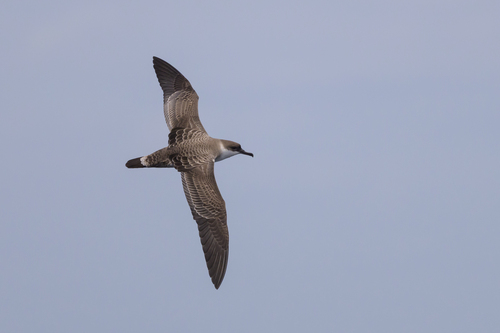
ズグロミズナギドリ (Ardenna gravis) ズグロミズナギドリ
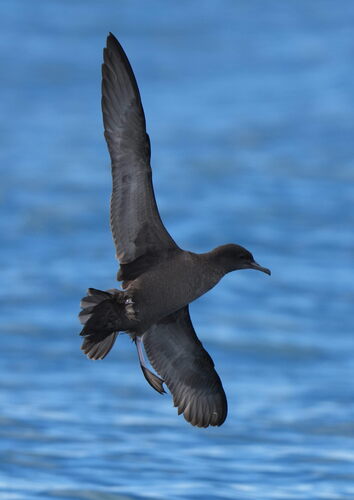
ハイイロミズナギドリ (Ardenna grisea) ハイイロミズナギドリ

メディア

読み込み中…

要点

ズグロミズナギドリとハイイロミズナギドリを区別する最も信頼できる方法は、全体の羽毛によるものです。ズグロミズナギドリは、暗い上面と白い下面の間に際立ったコントラストを示し、特徴的な茶色の腹部の斑点、暗い帽子、尾の基部に白い「馬蹄形」を持っています。それに対して、ハイイロミズナギドリはほぼ均一な暗いチョコレートブラウンで、良い光の中では下面の中央に銀色のストリップがあるだけです。両種はサイズと飛行スタイルが似ていますが、ズグロミズナギドリの大胆なパターンは遠くからでも目立ち、ハイイロミズナギドリは悪い光の中では全体が暗く見えることがあります。未熟な羽毛と成鳥の羽毛は両種で似ているため、これらの特徴は年間を通じて有効です。視界が悪いときは注意が必要で、ハイイロミズナギドリはほぼ黒く見えることがあり、ズグロミズナギドリの腹部の斑点は見えにくいことがあります。

識別のコツ

  1. Underpart color: ズグロミズナギドリは白い下面に茶色の腹部の斑点があり、ハイイロミズナギドリは均一に暗いです。これはすべての年齢と季節において最も信頼できるフィールドマークです。
  2. Tail base pattern: ズグロミズナギドリの尾の基部にある白い「馬蹄形」を探してください。特に飛行中に。ハイイロミズナギドリはこの特徴がなく、尾の先まで暗いです。
  3. Cap and face: ズグロミズナギドリは、より明るい顔と白い喉と対照的な黒い帽子を示します。ハイイロミズナギドリの頭は体の他の部分と同じ暗い茶色で、コントラストがありません。
  4. Underwing pattern: ハイイロミズナギドリは良い光の中で下面の中央に銀色のパネルを示します。ズグロミズナギドリの下面は主に白く、暗い縁があり、銀色のパネルはありません。
  5. Upperparts: ズグロミズナギドリは暗い灰色の茶色の上面に明るい尾の基部を持ち、ハイイロミズナギドリは上面が均一に暗い茶色です。
  6. Bill color: 両種ともに暗いくちばしを持ち、区別にはなりません。
  7. Flight style: 両種は水面近くで硬い翼で滑空し、似たような飛行スタイルを持っていますが、信頼できる区別にはなりません。
  8. Size: ズグロミズナギドリはわずかに大きいですが、これは微妙で、鳥が並んでいない限り信頼できません。
  9. Group behavior: 両種ともに大きくて騒がしい群れを形成することができ、特に漁船の周りで見られますが、区別にはなりません。
  10. Lighting pitfalls: 悪い光の中では、ハイイロミズナギドリは全体が黒く見え、ズグロミズナギドリの腹部の斑点は見えにくいことがあります。常にズグロミズナギドリの白い下面と尾の馬蹄形を探してください。
  11. Geographic context: 両種は北大西洋で広く重なり合っています。移動シーズンでの区別には範囲に頼らないでください。
  12. Age/season: フィールドマークにおいて年齢に関連する顕著な違いはありません。上記のコントラストは成鳥と未熟鳥の両方に有効です。
  13. Perched views: 海では稀ですが、ズグロミズナギドリの白い下面と腹部の斑点は水面に浮かんでいるときにより明らかになることがあります。
  14. Voice: 海では実用的な区別にはなりません。両種とも繁殖地から離れるとほとんど静かです。
  15. Common pitfalls: 最も頻繁な誤りは、悪い光の中でハイイロミズナギドリをズグロミズナギドリと間違えることや、遠くのズグロミズナギドリの腹部の斑点と尾の馬蹄形を見逃すことです。常にコントラストのある白い下面と尾のパターンを確認してください。

大きさ

両種は大型のミズナギドリですが、ズグロミズナギドリは全体的にわずかに大きいです。ズグロミズナギドリは長さ43–51 cm、翼幅105–122 cmで、ハイイロミズナギドリは長さ40–51 cm、翼幅94–110 cmです。フィールドでは、このサイズの違いは微妙で、鳥が並んでいない限り診断にはなりません。両種ともにミズナギドリに典型的な長くて細い翼を持ち、比率は非常に似ています。

羽色

羽毛は最も信頼できる区別です。ズグロミズナギドリ(すべての年齢)は暗い灰色の茶色の上面、黒い帽子、茶色の腹部の斑点と胸の側面に暗い汚れがあるシャープな白い下面を示します。尾の基部にある白い「馬蹄形」は特に飛行中の重要なマークです。くちばしは黒です。ハイイロミズナギドリ(すべての年齢)は全体が暗いチョコレートブラウンで、悪い光の中ではほぼ黒く見え、白い下面、腹部の斑点、または尾の馬蹄形はありません。唯一の明るい特徴は、良い光の中で最もよく見える下面の中央にある銀色のパネルです。両種はこれらのマークにおいて強い年齢関連の変化がないため、これらのコントラストは年間を通じて信頼できます。どちらの種にも特有の幼鳥または未熟な上翼のパターンは確認されていません。

行動

両種は典型的な「シアリング」飛行を持っています。硬くてまっすぐな翼で、羽ばたきが少なく、水面近くを滑空し、左右にバンクします。ズグロミズナギドリは特に硬く、直接的な飛行を持ち、大きなマンクスミズナギドリを思わせます。ハイイロミズナギドリも力強く、直接的で、小さなアルバトロスに例えられることがあります。両種ともに海で大きくて騒がしい群れを形成することができ、特に漁船の周りで見られます。行動はこの二種の間で強い区別にはなりません。

生息環境

両種は外洋性で、同様の開放的な海洋生息地に生息し、移動中に船や岬からよく見られます。ズグロミズナギドリは南大西洋の島々で繁殖し、大西洋に沿って北に移動します。一方、ハイイロミズナギドリは南太平洋と南大西洋で繁殖し、太平洋と大西洋の両方を北に移動します。北大西洋では、両種が一緒に見られることが多く、特にヨーロッパと北アメリカの沿岸で見られます。生息地と文脈は区別には信頼できません。

声

海では、両種ともに一般的に静かですが、ズグロミズナギドリは群れで休んでいるときに鋭い「イーヤー」という鳴き声を上げることがあり、ハイイロミズナギドリは食べ物を競うときに鳴くことがあります。繁殖地では、ハイイロミズナギドリは夜により多く鳴きますが、これらの鳴き声は海ではほとんど聞かれません。鳴き声は区別のための実用的なフィールドマークにはなりません。

より良い説明を送る

比較と同じ項目を使ってください。文章はすぐに公開されます。

The most reliable way to separate Great Shearwater from Sooty Shearwater is by overall plumage: Great Shearwater shows a striking contrast between its dark upperparts and white underparts, with a distinctive brown belly patch, dark cap, and a white 'horseshoe' at the base of the tail. In contrast, Sooty Shearwater is nearly uniform dark chocolate-brown all over, with only a silvery strip along the center of the underwing in good light. Both species have similar size and flight style, but the Great Shearwater’s bold patterning stands out even at a distance, while Sooty Shearwater can appear all-dark in poor light. Immature and adult plumages are similar in both species, so these marks work year-round. Be cautious in poor visibility, as Sooty Shearwater can look almost black and Great Shearwater’s belly patch may be hard to see.

  1. Underpart color: Great Shearwater has white underparts with a brown belly patch; Sooty Shearwater is uniformly dark below. This is the most reliable field mark for all ages and seasons.
  2. Tail base pattern: Look for the white 'horseshoe' at the base of the tail on Great Shearwater, especially in flight. Sooty Shearwater lacks this feature and is dark to the tail tip.
  3. Cap and face: Great Shearwater shows a black cap contrasting with a paler face and white throat; Sooty Shearwater's head is the same dark brown as the rest of the body, with no contrast.
  4. Underwing pattern: Sooty Shearwater shows a silvery panel along the center of the underwing in good light; Great Shearwater's underwing is mostly white with dark edges and lacks a silvery panel.
  5. Upperparts: Great Shearwater has dark gray-brown upperparts with a paler rump and white tail base; Sooty Shearwater is uniformly dark brown above.
  6. Bill color: Both have dark bills, not a separator.
  7. Flight style: Both species glide on stiff wings close to the water, with similar flight jizz; not a reliable separator.
  8. Size: Great Shearwater is slightly larger, but this is subtle and not reliable unless birds are side by side.
  9. Group behavior: Both can form large, noisy flocks, especially around fishing vessels; not a separator.
  10. Lighting pitfalls: In poor light, Sooty Shearwater can look all-black and Great Shearwater’s belly patch may be hard to see. Always look for the white underparts and tail horseshoe on Great Shearwater.
  11. Geographic context: Both species overlap widely in the North Atlantic; do not rely on range for separation in migration seasons.
  12. Age/season: No significant age-related differences in field marks; the above contrasts work for adults and immatures.
  13. Perched views: Rare at sea, but Great Shearwater’s white underparts and belly patch may be more obvious when sitting on the water.
  14. Voice: Not a practical separator at sea; both are mostly silent away from breeding grounds.
  15. Common pitfalls: The most frequent error is mistaking a Sooty Shearwater for a Great Shearwater in poor light, or missing the belly patch and tail horseshoe on a distant Great Shearwater. Always check for contrasting white underparts and tail pattern.

Both species are large shearwaters, but Great Shearwater is slightly larger overall. Great Shearwater measures 43–51 cm in length with a wingspan of 105–122 cm, while Sooty Shearwater is 40–51 cm long with a wingspan of 94–110 cm. In the field, this size difference is subtle and rarely diagnostic unless birds are side by side. Both have long, slender wings typical of shearwaters, and their proportions are very similar.

Plumage is the most reliable separator. Great Shearwater (all ages) shows dark gray-brown upperparts, a black cap, and sharply white underparts interrupted by a brown belly patch and dark smudges on the sides of the breast. The white 'horseshoe' at the base of the tail is a key mark, especially in flight. The bill is black. Sooty Shearwater (all ages) is overall dark chocolate-brown, appearing nearly black in poor light, with no white underparts, belly patch, or tail horseshoe. The only paler feature is a silvery panel along the center of the underwing, best seen in good light. Both species lack strong age-related variation in these marks, so these contrasts are reliable year-round. No distinctive juvenile or immature upperwing patterns are noted for either species.

Both species have the classic 'shearing' flight: stiff, straight wings with few wingbeats, gliding close to the water and banking from side to side. Great Shearwater is described as having a particularly stiff, direct flight, reminiscent of a large Manx Shearwater. Sooty Shearwater is also powerful and direct, sometimes likened to a small albatross. Both can gather in large, noisy flocks at sea, especially around fishing boats. Behavior is not a strong separator between these two.

Both species are pelagic and occur in similar open-ocean habitats, often seen from ships or headlands during migration. Great Shearwater breeds on South Atlantic islands and migrates north along the Atlantic, while Sooty Shearwater breeds in the South Pacific and South Atlantic, migrating north up both the Pacific and Atlantic Oceans. In the North Atlantic, both can be seen together, especially off the coasts of Europe and North America. Habitat and context are not reliable for separation.

At sea, both species are generally silent, though Great Shearwater may give a piercing 'eeyah' cry when resting in groups, and Sooty Shearwater may call when competing for food. On breeding grounds, Sooty Shearwater is more vocal at night, but these calls are rarely heard at sea. Vocalizations are not a practical field mark for separation.

変更を破棄しますか?

保存していない編集があります。今離れると失われます。

ズグロミズナギドリ · ハイイロミズナギドリ · 苦手な鳥