

Motmot

ズグロミズナギドリ 対 セグロミズナギドリ

Ardenna gravis 対 Puffinus lherminieri

ズグロミズナギドリとセグロミズナギドリのクイズ
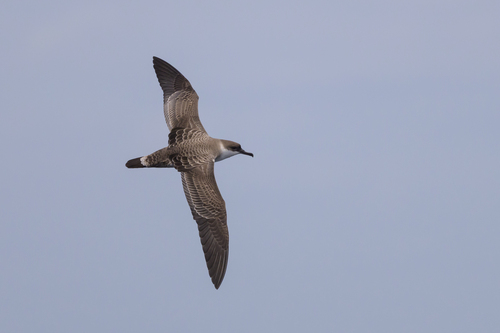
ズグロミズナギドリ (Ardenna gravis) ズグロミズナギドリ
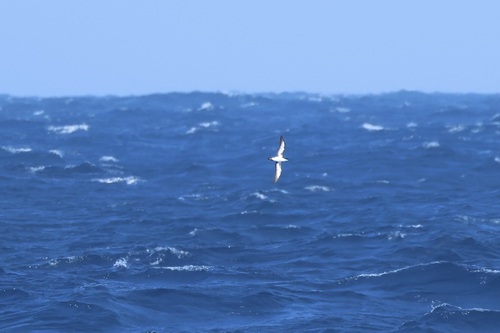
セグロミズナギドリ (Puffinus lherminieri) セグロミズナギドリ

メディア

読み込み中…

要点

ズグロミズナギドリとセグロミズナギドリを区別する最も信頼できる方法はサイズです。ズグロミズナギドリはほぼ2倍の長さで、翼幅もはるかに広いです。飛行中、ズグロミズナギドリは尾の基部に大胆な白い馬蹄形を示し、暗い腹部の斑点と強い暗い肩の模様がありますが、セグロミズナギドリは小さく、よりコンパクトで、これらの大胆なコントラストが欠けています。両種は暗い上面と白い下面を持っていますが、ズグロミズナギドリの黒い帽子と重いくちばしは近距離で際立っています。構造的な違いと飛行スタイルも役立ちます。ズグロミズナギドリはより大きく、より力強く見え、翼はより硬く、まっすぐです。一方、セグロミズナギドリはより優雅で機敏です。

識別のコツ

  1. サイズが最も早いチェック: ズグロミズナギドリはほぼ2倍の長さで、セグロミズナギドリよりもはるかに大きいです。一緒に見ると、違いは際立っています。
  2. 翼幅と形: ズグロミズナギドリの翼は長くて広い(1メートル以上)ですが、セグロミズナギドリの翼ははるかに短くて狭い(約65〜70 cm)です。これが飛行プロファイルに影響します。
  3. 尾と臀部の模様: ズグロミズナギドリの尾の基部に大胆な白い「馬蹄形」を探してください。セグロミズナギドリはこの特徴がまったくありません。
  4. 腹部の斑点: ズグロミズナギドリは、飛行中および下から見える明確な茶色の腹部の斑点を示します。セグロミズナギドリの下面はきれいな白で、斑点はありません。
  5. 肩の模様: ズグロミズナギドリは上翼に強い暗い肩の模様があり、翼の残りの部分と対照的です。セグロミズナギドリの上翼はより均一に暗いです。
  6. 帽子と顔: ズグロミズナギドリは黒い帽子を持ち、頭がより暗く、フードのように見えます。セグロミズナギドリの頭は目の下が白く、強い帽子がありません。
  7. くちばしのサイズと色: ズグロミズナギドリは重い全黒のくちばしを持っています。セグロミズナギドリのくちばしは小さく、灰色がかっていてピンクがかった色合いで、より繊細です。
  8. 足の色: よく見える場合、セグロミズナギドリは黒い洗いがかかった鈍いピンクの足を持っていますが、ズグロミズナギドリの足はこの文脈では特徴的ではありません。
  9. 飛行スタイル: ズグロミズナギドリは硬く、まっすぐな翼で力強く、直接的な動きで飛び、しばしば長い距離を滑空します。セグロミズナギドリはより機敏で速く、軽やかでひらひらした飛行をします。
  10. 羽毛の均一性: セグロミズナギドリは上面がより均一に暗く、下面が白で、ズグロミズナギドリよりもコントラストが少ないです。
  11. 年齢の違い: 未成熟のセグロミズナギドリは成鳥に似ているため、上記の特徴はすべての年齢に適用されます。ズグロミズナギドリには年齢特有の特徴は記載されていないため、成鳥の特徴は信頼できます。
  12. 生息地と文脈: カリブ海やサルガッソ海で見られた場合、セグロミズナギドリの可能性が高いです。北大西洋や西ヨーロッパでは、ズグロミズナギドリが期待され、特に大きな群れで見られます。
  13. 船との関連: 両者とも船を追うことがありますが、ズグロミズナギドリは大きくて騒がしい群れで見られる可能性が高いです。
  14. 声: コロニーでのみ有用です。ズグロミズナギドリは鋭い鳴き声を出し、セグロミズナギドリは夜にさえずりや鳴き声を出します。
  15. 落とし穴: 両者がこの特性を共有しているため、「シアリング」飛行スタイルだけに頼らないでください。自信を持って識別するために、サイズ、尾/臀部の模様、腹部の斑点に焦点を当ててください。

大きさ

ズグロミズナギドリは大きな海鳥で、長さは43〜51 cm、翼幅は105〜122 cmです。セグロミズナギドリははるかに小さく、長さは30〜33 cm、翼幅は64〜72 cmです。体重の違いも重要です。ズグロミズナギドリははるかに重いですが(ここでは指定されていませんが、サイズから暗示されています)、セグロミズナギドリの平均体重は170 gです。直接比較すると、ズグロミズナギドリはより大きく、翼が長く、より頑丈に見え、セグロミズナギドリは明らかにより小柄でコンパクトです。

羽色

どちらの種についても年齢特有の上翼の模様は記載されていないため、成鳥と一般的な羽毛に焦点を当ててください。ズグロミズナギドリは暗い上面、白い下面、明確な茶色の腹部の斑点、暗い肩の模様、尾の基部に目立つ白い馬蹄形を持って際立っています。黒い帽子と黒いくちばしがさらにそれを際立たせます。セグロミズナギドリは上面がより均一に黒褐色で、下面が白く、目の下の頭も白です。下翼は主に白ですが、遠位の風切羽にいくらかの暗い色が見えることがあります。また、ズグロミズナギドリの大胆な腹部の斑点と尾の馬蹄形が欠けています。セグロミズナギドリのくちばしは小さく、灰色がかっていてピンクがかった色合いで、足は鈍いピンクで黒い洗いがかかっています。未成熟のセグロミズナギドリは成鳥と異なる羽毛を持たないため、これらの違いは年齢を問わず当てはまります。

行動

両種は、硬い翼で水面を低く滑空し、翼の羽ばたきが少ない典型的な「シアリング」飛行を共有しています。しかし、ズグロミズナギドリの飛行はより力強く、直接的で、翼は硬くまっすぐに保たれ、動いているときはしばしばより大きく、重く見えます。セグロミズナギドリは小さいため、より機敏で、翼の上でより速く、軽やかに見えることがあります。両者とも漁船を追い、餌を求めて群れを成すことがありますが、ズグロミズナギドリは大きくて騒がしい群れで見られる可能性が高いです。

生息環境

ズグロミズナギドリは南大西洋の遠隔の島で繁殖し、大西洋で広く移動し、アメリカ大陸の東海岸や西ヨーロッパでよく見られます。セグロミズナギドリは主にカリブ海とルカヤン諸島で繁殖し、北西大西洋を広範囲に移動し、特にメキシコ湾流とサルガッソ海に沿って見られます。両種は外洋性で沖合で見られますが、セグロミズナギドリは熱帯および亜熱帯の水域により結びついており、ズグロミズナギドリは温帯地域や移動中の北部で見られる可能性が高いです。

声

ズグロミズナギドリは鋭い「イーヤー」という鳴き声を持ち、通常は水面で群れを成して休んでいるときに聞かれます。セグロミズナギドリはさえずりの呼び声や鳴き声を出し、主に繁殖コロニーで夜に行います。どちらの種も海では特に声を出すことはなく、コロニーでない限り声はあまり役立つフィールドマークにはなりません。

より良い説明を送る

比較と同じ項目を使ってください。文章はすぐに公開されます。

The most reliable way to separate Great Shearwater from Sargasso Shearwater is by size—Great Shearwater is nearly twice as long and has a much broader wingspan. In flight, Great Shearwater shows a bold white horseshoe at the tail base, a dark belly patch, and strong dark shoulder markings, while Sargasso Shearwater is smaller, more compact, and lacks these bold contrasts. Both species have dark upperparts and white underparts, but Great Shearwater's black cap and heavy bill are distinctive at close range. Structural differences and flight style also help: Great Shearwater appears larger and more powerful, with stiffer, straighter wings, while Sargasso Shearwater is daintier and more agile.

  1. Size is the fastest check: Great Shearwater is nearly twice as long and much bulkier than Sargasso Shearwater. If you see two together, the difference is striking.
  2. Wingspan and shape: Great Shearwater's wings are long and broad (over 1 meter), while Sargasso Shearwater's are much shorter and narrower (about 65–70 cm). This affects their flight profile.
  3. Tail and rump pattern: Look for the bold white 'horseshoe' at the base of the tail on Great Shearwater—Sargasso Shearwater lacks this feature entirely.
  4. Belly patch: Great Shearwater shows a distinct brown belly patch visible in flight and from below; Sargasso Shearwater's underparts are clean white without a patch.
  5. Shoulder markings: Great Shearwater has strong dark shoulder marks on the upperwing, contrasting with the rest of the wing. Sargasso Shearwater's upperwing is more uniformly dark.
  6. Cap and face: Great Shearwater has a black cap, making the head look darker and more hooded. Sargasso Shearwater's head is white below the eye and lacks a strong cap.
  7. Bill size and color: Great Shearwater has a heavy, all-black bill; Sargasso Shearwater's bill is smaller, greyish with a pinkish hue, and more delicate in proportion.
  8. Feet color: If seen well, Sargasso Shearwater has dull pink feet with black wash, while Great Shearwater's feet are not described as distinctive in this context.
  9. Flight style: Great Shearwater flies with stiff, straight wings and a powerful, direct motion, often gliding for long stretches. Sargasso Shearwater is more agile and quick, with a lighter, more fluttery flight.
  10. Plumage uniformity: Sargasso Shearwater is more uniformly dark above and white below, with less contrast than Great Shearwater.
  11. Age differences: Immature Sargasso Shearwaters look like adults, so the above marks apply to all ages. No age-specific marks are noted for Great Shearwater, so adult features are reliable.
  12. Habitat and context: If seen in the Caribbean or Sargasso Sea, Sargasso Shearwater is more likely; off the North Atlantic or Western Europe, Great Shearwater is expected, especially in large flocks.
  13. Association with boats: Both may follow ships, but Great Shearwater is more likely to be seen in large, noisy groups.
  14. Voice: Only useful at colonies—Great Shearwater gives a piercing cry, Sargasso Shearwater twitters and mews at night.
  15. Pitfalls: Do not rely solely on 'shearing' flight style, as both share this trait. Focus on size, tail/rump pattern, and belly patch for a confident ID.

Great Shearwater is a large seabird, measuring 43–51 cm in length with a wingspan of 105–122 cm. Sargasso Shearwater is much smaller, at 30–33 cm in length and a wingspan of 64–72 cm. The weight difference is also significant: Great Shearwater is much heavier (not specified here, but implied by size), while Sargasso Shearwater averages 170 g. In direct comparison, Great Shearwater will appear bulkier, longer-winged, and more robust, while Sargasso Shearwater is noticeably more petite and compact.

No age-specific upperwing pattern is described for either species, so focus on adult and general plumage. Great Shearwater stands out with its dark upperparts, white underparts, a distinct brown belly patch, dark shoulder markings, and a conspicuous white horseshoe at the tail base. The black cap and black bill further set it apart. Sargasso Shearwater is more uniformly blackish-brown above and white below, with the head below the eye also white. Its underwing is mostly white but may show some dark on the distal remiges, and it lacks the bold belly patch and tail horseshoe of Great Shearwater. The bill of Sargasso Shearwater is smaller and greyish with a pinkish hue, and the feet are dull pink with black wash. Immature Sargasso Shearwaters do not have a distinct plumage from adults, so these differences hold across ages.

Both species share the typical 'shearing' flight of the genus, gliding low over the water with stiff wings and few wingbeats. However, Great Shearwater's flight is more powerful and direct, with wings held stiff and straight, and it often appears larger and heavier in motion. Sargasso Shearwater, being smaller, is more agile and may appear quicker and lighter on the wing. Both may follow fishing boats and gather in feeding flocks, but Great Shearwater is more likely to be seen in large, noisy groups.

Great Shearwater breeds on remote South Atlantic islands and migrates widely in the Atlantic, often seen off the eastern seaboard of the Americas and Western Europe. Sargasso Shearwater breeds mainly in the Caribbean and Lucayan Archipelago, ranging across the northwestern Atlantic, especially along the Gulf Stream and Sargasso Sea. Both species are pelagic and can be seen offshore, but Sargasso Shearwater is more tied to tropical and subtropical waters, while Great Shearwater is more likely in temperate zones and further north during migration.

Great Shearwater has a piercing 'eeyah' cry, typically heard when resting in groups on the water. Sargasso Shearwater gives twittering calls and mewing, mostly at night in breeding colonies. Neither species is particularly vocal at sea, so voice is rarely a useful field mark unless at a colony.

変更を破棄しますか?

保存していない編集があります。今離れると失われます。

ズグロミズナギドリ · セグロミズナギドリ · 苦手な鳥