

Berta dell'Atlantico vs Sargasso Shearwater
Ardenna gravis contro Puffinus lherminieri
Fai un quiz con Berta dell'Atlantico e Sargasso Shearwater
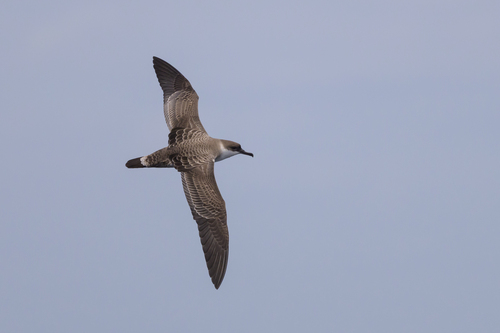 Berta dell'Atlantico
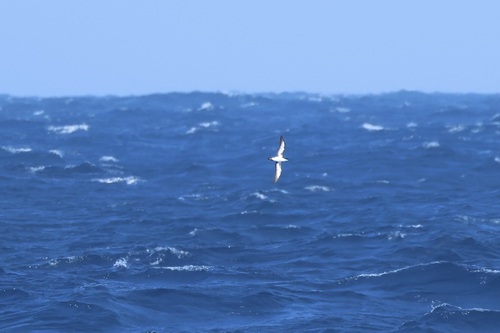 Sargasso Shearwater
In breve
Il modo più affidabile per separare la Berta dell'Atlantico dallo Sargasso Shearwater è la dimensione: la Berta dell'Atlantico è quasi il doppio più lunga e ha un'apertura alare molto più ampia. In volo, la Berta dell'Atlantico mostra un audace ferro di cavallo bianco alla base della coda, una macchia scura sul ventre e forti segni scuri sulle spalle, mentre lo Sargasso Shearwater è più piccolo, più compatto e privo di questi audaci contrasti. Entrambe le specie hanno parti superiori scure e parti inferiori bianche, ma il cappello nero e il becco pesante della Berta dell'Atlantico sono distintivi da vicino. Anche le differenze strutturali e lo stile di volo aiutano: la Berta dell'Atlantico appare più grande e potente, con ali più rigide e dritte, mentre lo Sargasso Shearwater è più delicato e agile.
Consigli di identificazione
- La dimensione è il controllo più veloce: La Berta dell'Atlantico è quasi il doppio più lunga e molto più robusta dello Sargasso Shearwater. Se vedi due insieme, la differenza è sorprendente.
- Apertura alare e forma: Le ali della Berta dell'Atlantico sono lunghe e larghe (oltre 1 metro), mentre quelle dello Sargasso Shearwater sono molto più corte e strette (circa 65–70 cm). Questo influisce sul loro profilo di volo.
- Modello di coda e groppa: Cerca il coraggioso 'ferro di cavallo' bianco alla base della coda sulla Berta dell'Atlantico: lo Sargasso Shearwater manca completamente di questa caratteristica.
- Macchia sul ventre: La Berta dell'Atlantico mostra una distinta macchia marrone sul ventre visibile in volo e da sotto; le parti inferiori dello Sargasso Shearwater sono bianche e pulite senza macchia.
- Segni sulle spalle: La Berta dell'Atlantico ha forti segni scuri sulle spalle dell'ala superiore, in contrasto con il resto dell'ala. L'ala superiore dello Sargasso Shearwater è più uniformemente scura.
- Cappello e faccia: La Berta dell'Atlantico ha un cappello nero, rendendo la testa più scura e più coperta. La testa dello Sargasso Shearwater è bianca sotto l'occhio e manca di un cappello forte.
- Dimensione e colore del becco: La Berta dell'Atlantico ha un becco pesante, completamente nero; il becco dello Sargasso Shearwater è più piccolo, grigiastro con una sfumatura rosata, e più delicato in proporzione.
- Colore dei piedi: Se visti bene, lo Sargasso Shearwater ha piedi rosa opachi con lavaggio nero, mentre i piedi della Berta dell'Atlantico non sono descritti come distintivi in questo contesto.
- Stile di volo: La Berta dell'Atlantico vola con ali rigide e dritte e un movimento potente e diretto, spesso planando per lunghe distanze. Lo Sargasso Shearwater è più agile e veloce, con un volo più leggero e più fluttuante.
- Uniformità del piumaggio: Lo Sargasso Shearwater è più uniformemente scuro sopra e bianco sotto, con meno contrasto rispetto alla Berta dell'Atlantico.
- Differenze di età: I Sargasso Shearwaters immaturi assomigliano agli adulti, quindi i segni sopra si applicano a tutte le età. Non sono notati segni specifici per età per la Berta dell'Atlantico, quindi le caratteristiche degli adulti sono affidabili.
- Habitat e contesto: Se visti nei Caraibi o nel Mare Sargasso, è più probabile che si tratti di Sargasso Shearwater; al largo dell'Atlantico settentrionale o dell'Europa occidentale, ci si aspetta la Berta dell'Atlantico, specialmente in grandi stormi.
- Associazione con le barche: Entrambi possono seguire le navi, ma è più probabile vedere la Berta dell'Atlantico in grandi gruppi rumorosi.
- Voce: Utile solo nelle colonie: la Berta dell'Atlantico emette un grido penetrante, lo Sargasso Shearwater cinguetta e miagola di notte.
- Trappole: Non fare affidamento solo sullo stile di volo 'shearing', poiché entrambi condividono questa caratteristica. Concentrati su dimensione, modello di coda/groppa e macchia sul ventre per un'identificazione sicura.
Taglia
La Berta dell'Atlantico è un grande uccello marino, che misura 43–51 cm di lunghezza con un'apertura alare di 105–122 cm. Lo Sargasso Shearwater è molto più piccolo, con una lunghezza di 30–33 cm e un'apertura alare di 64–72 cm. Anche la differenza di peso è significativa: la Berta dell'Atlantico è molto più pesante (non specificato qui, ma implicato dalla dimensione), mentre lo Sargasso Shearwater pesa in media 170 g. In un confronto diretto, la Berta dell'Atlantico apparirà più robusta, con ali più lunghe e più robuste, mentre lo Sargasso Shearwater è visibilmente più piccolo e compatto.
Piumaggio
Nessun modello di ala superiore specifico per età è descritto per entrambe le specie, quindi concentrati sul piumaggio adulto e generale. La Berta dell'Atlantico si distingue per le sue parti superiori scure, le parti inferiori bianche, una distinta macchia marrone sul ventre, segni scuri sulle spalle e un evidente ferro di cavallo bianco alla base della coda. Il cappello nero e il becco nero la distinguono ulteriormente. Lo Sargasso Shearwater è più uniformemente marrone scuro sopra e bianco sotto, con la testa sotto l'occhio anch'essa bianca. La sua ala inferiore è per lo più bianca ma può mostrare un po' di scuro sulle remiganti distali, e manca della audace macchia sul ventre e del ferro di cavallo della Berta dell'Atlantico. Il becco dello Sargasso Shearwater è più piccolo e grigiastro con una sfumatura rosata, e i piedi sono rosa opachi con lavaggio nero. I Sargasso Shearwaters immaturi non hanno un piumaggio distinto dagli adulti, quindi queste differenze si mantengono attraverso le età.
Comportamento
Entrambe le specie condividono il tipico volo 'shearing' del genere, planando basso sull'acqua con ali rigide e pochi battiti d'ala. Tuttavia, il volo della Berta dell'Atlantico è più potente e diretto, con ali tenute rigide e dritte, e spesso appare più grande e pesante in movimento. Lo Sargasso Shearwater, essendo più piccolo, è più agile e può apparire più veloce e leggero in volo. Entrambi possono seguire le barche da pesca e radunarsi in stormi di alimentazione, ma è più probabile vedere la Berta dell'Atlantico in grandi gruppi rumorosi.
Habitat
La Berta dell'Atlantico nidifica su remote isole dell'Atlantico meridionale e migra ampiamente nell'Atlantico, spesso vista al largo della costa orientale delle Americhe e dell'Europa occidentale. Lo Sargasso Shearwater nidifica principalmente nei Caraibi e nell'arcipelago lucayano, diffondendosi attraverso l'Atlantico nordoccidentale, specialmente lungo la Corrente del Golfo e il Mare Sargasso. Entrambe le specie sono pelagiche e possono essere viste al largo, ma lo Sargasso Shearwater è più legato alle acque tropicali e subtropicali, mentre la Berta dell'Atlantico è più probabile nelle zone temperate e più a nord durante la migrazione.
Voce
La Berta dell'Atlantico ha un grido penetrante 'eeyah', tipicamente udito quando riposa in gruppi sull'acqua. Lo Sargasso Shearwater emette richiami cinguettanti e miagolii, principalmente di notte nelle colonie di nidificazione. Nessuna delle due specie è particolarmente vocale in mare, quindi la voce è raramente un utile segno sul campo, a meno che non si sia in una colonia.
Berta dell'Atlantico · Sargasso Shearwater · I miei uccelli difficili