

Motmot

ズグロミズナギドリ 対 マンクスミズナギドリ

Ardenna gravis 対 Puffinus puffinus

ズグロミズナギドリとマンクスミズナギドリのクイズ
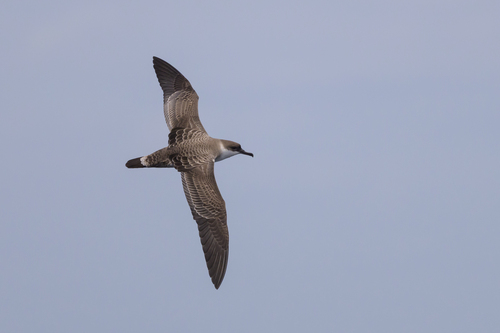
ズグロミズナギドリ (Ardenna gravis) ズグロミズナギドリ
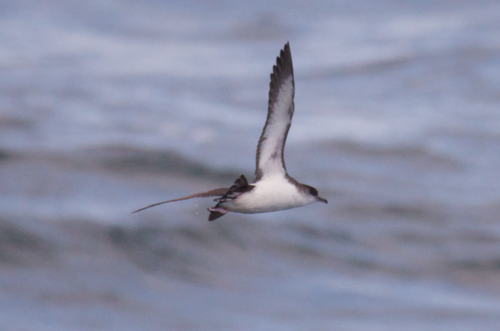
マンクスミズナギドリ (Puffinus puffinus) マンクスミズナギドリ

メディア

読み込み中…

要点

ズグロミズナギドリとマンクスミズナギドリの最も信頼できるフィールドマークは、ズグロミズナギドリの特徴的な茶色の腹部パッチと暗い肩のマーキングであり、これはマンクスにはありません。ズグロミズナギドリはまた、はるかに大きくてずんぐりした体形をしており、黒い帽子と尾の基部に対照的な白い「蹄鉄」がありますが、マンクスはスリムでこれらの特徴が欠けています。両種は似たような白黒のミズナギドリパターンと硬直した低い滑空飛行を共有していますが、ズグロミズナギドリはより力強く、重厚に見えます。サイズ、構造、および腹部パッチの有無は、特に混合群れの中で海上でそれらを区別する最も早い方法です。

識別のコツ

  1. Belly Patch: ズグロミズナギドリは常に茶色がかった腹部パッチと暗い肩の汚れを示します; マンクスミズナギドリは下側がきれいな白で、パッチはありません。これはすべての年齢と季節で最も早い視覚的チェックです。
  2. Head Pattern: ズグロミズナギドリは白い喉と顔に対して黒い帽子があります; マンクスはより均一に暗い上頭部を持っていますが、鋭い帽子の効果が欠けています。
  3. Tail Markings: ズグロミズナギドリの尾の基部にある白い「蹄鉄」を探してください。後ろまたは下から見える; マンクスはこの特徴が欠けており、平らな白い尾羽を持っています。
  4. Size and Bulk: ズグロミズナギドリははるかに大きくてずんぐりしており、翼幅が長く、体が重い; マンクスは比較するとスリムで繊細に見えます。鳥が一緒にいるときや他の海鳥の近くにいるときは、サイズを使用してスケールを測ります。
  5. Flight Style: 両者は滑空しますが、ズグロミズナギドリの飛行はより力強く、直接的で、羽ばたきが少ない; マンクスはより浮力があり、敏捷で、翼の姿勢から「飛ぶ十字架」と表現されることがよくあります。
  6. Upperwing Pattern: 両者は上面が暗いですが、ズグロミズナギドリの上面はより暗く、均一であり、マンクスは良い光の下で上翼にわずかに淡いパネルを示すことがあります(常に信頼できるわけではありません)。
  7. Bill Color: ズグロミズナギドリは黒いくちばしを持っています; マンクスのくちばしも暗いので、これは強い区別にはなりません。
  8. Shoulder Markings: ズグロミズナギドリだけが白い下翼と体に見える暗い肩のマークを持っています; マンクスはここできれいで無地です。
  9. Context and Range: 北大西洋の春/夏では、マンクスは繁殖コロニーの近くにいる可能性が高い; ズグロミズナギドリはオフショアでより一般的で、ヨーロッパと北アメリカの遅い夏/秋に見られます。
  10. Association with Boats: ズグロミズナギドリは漁船を追いかけて廃棄物を巡って争う可能性が高い; マンクスはこれらの状況ではあまり群れを成しません。
  11. Flock Size: 両者は大きな群れを形成できますが、ズグロミズナギドリはオフショアで非常に大きく、密な群れで見られることが多く、時には他の大きなミズナギドリと混ざることがあります。
  12. Perched Views: 海上では珍しいですが、水上で見られた場合、ズグロミズナギドリはより大きく、重い頭とくちばしを持ち、腹部パッチが見えることがあります; マンクスは低く座り、よりコンパクトに見えます。
  13. Voice: 聞こえた場合、ズグロミズナギドリの「イーヤ」は特徴的ですが、両者は通常海上では静かです。
  14. Juvenile/Immature Marks: これらのメモには、どちらの種の特定の幼鳥または未熟な上翼パターンは記載されていません; すべての年齢に対して腹部パッチと全体的なサイズに焦点を当てます。
  15. Pitfalls: 照明が悪い場合や距離がある場合、マンクスはより大きく、暗く見えることがありますが、腹部パッチや尾の蹄鉄は決して示しません。混合群れの中でコリーまたはハイイロミズナギドリの混同に注意してくださいが、それらはさらに大きいか、全体が暗いです。

大きさ

ズグロミズナギドリはかなり大きい: 43–51 cmの長さで、105–122 cmの翼幅を持ち、マンクスミズナギドリの30–38 cmの長さと76–89 cmの翼幅と比較されます [wikipedia]。マンクスは約521 gの重さがあります [wikidata]が、ズグロミズナギドリはより重いです(正確な質量は示されていませんが、視覚的におよび長さ/翼幅によって、はるかにずんぐりしています)。フィールドでは、ズグロミズナギドリは大きくて重い体のミズナギドリとして際立っており、マンクスは目に見えて小さく、スリムで、より繊細に見えます。

羽色

年齢特有の上翼または飛行マークは、これらのメモには詳細が記載されていないため、全体的な羽毛に焦点を当てます。ズグロミズナギドリの成鳥(および未熟鳥、年齢差は記載されていないため)は、明確な茶色の腹部パッチ、暗い肩のマーキング、黒い帽子、および尾の基部に白い「蹄鉄」を示します。マンクスミズナギドリは上面がきれいに黒く、下面が白く、腹部パッチ、肩の汚れ、または尾の蹄鉄はありません。両者は白い下部を持っていますが、ズグロミズナギドリだけが腹部に茶色がかった汚れと暗い帽子を持っています。飛行中、マンクスはシャープなコントラストを持つきれいな白黒の「飛ぶ十字架」として現れますが、ズグロミズナギドリは腹部パッチと暗い頭のために下側が乱雑に見えます。

行動

両種は典型的な「シアリング」飛行を示し、硬直したまっすぐな翼で水面近くを滑空し、羽ばたきは最小限です。ズグロミズナギドリの飛行は、より力強く、直接的であり、その大きなサイズにふさわしいとされ、空中でより重く見えることがよくあります。マンクスミズナギドリはより浮力があり、敏捷で、わずかに羽ばたきの多い飛行を持っています。両者は大きな餌を求める群れで見られることがありますが、ズグロミズナギドリは漁船を追いかけて食べ物を巡って騒がしい争いをする可能性が高いです。

生息環境

両者は外洋性で、遠くの海上で見られますが、繁殖範囲は重なりません: ズグロミズナギドリは南大西洋の孤立した島で繁殖し、マンクスミズナギドリは北大西洋(英国、アイルランド、アイスランドなど)で繁殖します。海上では、両者は北大西洋の沿岸で見られることがあり、特に移動中は、遅い春から秋にかけて重なり合う可能性があります。ズグロミズナギドリは南大西洋および南西ヨーロッパの遅い夏により多く見られる可能性が高く、マンクスは繁殖シーズンに沿岸性で北に位置します。

声

ズグロミズナギドリは、主に水上で群れで休んでいるときに鋭い「イーヤ」という鳴き声を発します。マンクスミズナギドリの声はこれらのメモには記載されていませんが、両者は一般的に海上では静かで、主に夜間にコロニーで鳴きます。声は海上でのフィールド分離にはほとんど役立ちません。

より良い説明を送る

比較と同じ項目を使ってください。文章はすぐに公開されます。

The most reliable field mark between Great Shearwater and Manx Shearwater is the Great Shearwater’s distinctive brown belly patch and dark shoulder markings, which are absent in Manx. Great Shearwater is also much larger and bulkier, with a black cap and a contrasting white 'horseshoe' at the base of the tail, while Manx is slimmer and lacks these features. Both species share a similar black-and-white shearwater pattern and stiff, low gliding flight, but Great Shearwater appears more powerful and heavyset. Size, structure, and the presence or absence of the belly patch are the fastest ways to separate them at sea, especially in mixed flocks.

  1. Belly Patch: Great Shearwater always shows a brownish belly patch and dark shoulder smudges on otherwise white underparts; Manx Shearwater is clean white below with no patch. This is the fastest visual check in all ages and seasons.
  2. Head Pattern: Great Shearwater has a black cap contrasting with a white throat and face; Manx has a more evenly dark upper head, but lacks the sharp cap effect.
  3. Tail Markings: Look for the white 'horseshoe' at the base of the tail in Great Shearwater, visible from behind or below; Manx lacks this feature and has a plain white undertail.
  4. Size and Bulk: Great Shearwater is much larger and bulkier, with a longer wingspan and heavier build; Manx looks slim and delicate by comparison. Use size when birds are together or near other seabirds for scale.
  5. Flight Style: Both shear, but Great Shearwater’s flight is more powerful and direct, with less fluttering; Manx is more buoyant and agile, often described as a 'flying cross' due to its wing posture.
  6. Upperwing Pattern: Both are dark above, but Great Shearwater’s upperparts are darker and more uniform, while Manx may show a slightly paler panel on the upperwing in good light (not always reliable).
  7. Bill Color: Great Shearwater has a black bill; Manx’s bill is also dark, so this is not a strong separator.
  8. Shoulder Markings: Only Great Shearwater has dark shoulder marks visible on the white underwing and body; Manx is clean and unmarked here.
  9. Context and Range: In the North Atlantic in spring/summer, Manx is more likely close to breeding colonies; Great Shearwater is more common offshore and in late summer/autumn off Europe and North America.
  10. Association with Boats: Great Shearwater is more likely to follow fishing boats and squabble over discards; Manx is less gregarious in these situations.
  11. Flock Size: Both can form large flocks, but Great Shearwater is often seen in very large, dense groups offshore, sometimes mixed with other large shearwaters.
  12. Perched Views: Rare at sea, but if seen on water, Great Shearwater appears larger, with a heavier head and bill, and the belly patch may be visible; Manx sits lower and looks more compact.
  13. Voice: If heard, Great Shearwater’s 'eeyah' is distinctive, but both are usually silent at sea.
  14. Juvenile/Immature Marks: No specific juvenile or immature upperwing patterns are described for either species in these notes; focus on belly patch and overall size for all ages.
  15. Pitfalls: In poor light or at distance, Manx can look larger and darker, but will never show the belly patch or tail horseshoe. Beware of Cory’s or Sooty Shearwater confusion in mixed flocks, but those are even larger or all-dark.

Great Shearwater is substantially larger: 43–51 cm long with a 105–122 cm wingspan, compared to Manx Shearwater’s 30–38 cm length and 76–89 cm wingspan [wikipedia]. Manx weighs around 521 g [wikidata], while Great Shearwater is heavier (exact mass not given, but visually and by length/wingspan, it is much bulkier). In the field, Great Shearwater stands out as a big, heavy-bodied shearwater, while Manx looks noticeably smaller, slimmer, and more delicate.

Age-specific upperwing or flight marks are not detailed for either species in these notes, so focus is on overall plumage. Great Shearwater adults (and immatures, as no age difference is noted) show dark upperparts with a clear brown belly patch, dark shoulder markings, a black cap, and a white 'horseshoe' at the tail base. Manx Shearwater is cleanly black above and white below, with no belly patch, shoulder smudge, or tail horseshoe. Both have white underparts, but only Great Shearwater has the brownish smudge on the belly and the dark cap. In flight, Manx appears as a neat black-and-white 'flying cross' with sharp contrast, while Great Shearwater looks messier below due to the belly patch and darker head.

Both species exhibit classic 'shearing' flight, gliding low over the water with stiff, straight wings and minimal flapping. Great Shearwater’s flight is described as more powerful and direct, befitting its larger size, and it often appears heavier in the air. Manx Shearwater is more buoyant and agile, with a slightly more fluttery flight. Both may be seen in large feeding flocks, but Great Shearwater is more likely to follow fishing boats and engage in noisy squabbles over food.

Both are pelagic and seen far offshore, but their breeding ranges do not overlap: Great Shearwater breeds on remote South Atlantic islands, while Manx Shearwater breeds in the North Atlantic (UK, Ireland, Iceland, etc.). At sea, both can occur off the North Atlantic coasts, especially during migration, so overlap is possible in late spring through autumn. Great Shearwater is more likely in the southern Atlantic and off southwestern Europe in late summer, while Manx is more coastal and northern in breeding season.

Great Shearwater gives a piercing 'eeyah' cry, mostly when resting in groups on the water. Manx Shearwater’s voice is not described in these notes, but both are generally silent at sea and vocalize mainly at colonies at night. Voice is rarely useful for field separation at sea.

変更を破棄しますか?

保存していない編集があります。今離れると失われます。

ズグロミズナギドリ · マンクスミズナギドリ · 苦手な鳥