

Berta dell'Atlantico vs Manx Shearwater
Ardenna gravis contro Puffinus puffinus
Fai un quiz con Berta dell'Atlantico e Manx Shearwater
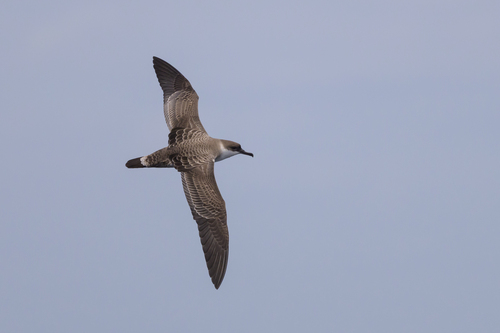 Berta dell'Atlantico
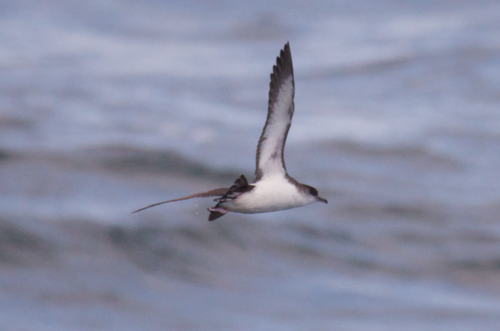 Manx Shearwater
In breve
Il segno distintivo più affidabile tra Berta dell'Atlantico e Manx Shearwater è la caratteristica macchia marrone sul ventre della Berta dell'Atlantico e le marcature scure sulle spalle, assenti nel Manx. La Berta dell'Atlantico è anche molto più grande e robusta, con un cappello nero e un 'ferro di cavallo' bianco contrastante alla base della coda, mentre il Manx è più snello e privo di queste caratteristiche. Entrambe le specie condividono un simile schema di berta bianco e nero e un volo rigido e basso, ma la Berta dell'Atlantico appare più potente e massiccia. Dimensioni, struttura e la presenza o assenza della macchia sul ventre sono i modi più rapidi per separarli in mare, specialmente in stormi misti.
Consigli di identificazione
- Macchia sul Ventre: La Berta dell'Atlantico mostra sempre una macchia ventrale marrone e macchie scure sulle spalle su parti inferiori altrimenti bianche; il Manx Shearwater è pulito bianco sotto senza macchia. Questo è il controllo visivo più veloce in tutte le età e stagioni.
- Schema della Testa: La Berta dell'Atlantico ha un cappello nero che contrasta con una gola e un viso bianchi; il Manx ha una parte superiore della testa più uniformemente scura, ma manca dell'effetto del cappello netto.
- Marcature della Coda: Cerca il 'ferro di cavallo' bianco alla base della coda nella Berta dell'Atlantico, visibile da dietro o sotto; il Manx manca di questa caratteristica e ha una coda bianca semplice.
- Dimensione e Volume: La Berta dell'Atlantico è molto più grande e robusta, con un'apertura alare più lunga e una costruzione più pesante; il Manx appare snello e delicato in confronto. Usa la dimensione quando gli uccelli sono insieme o vicino ad altri uccelli marini per scala.
- Stile di Volo: Entrambi planano, ma il volo della Berta dell'Atlantico è più potente e diretto, con meno battiti d'ali; il Manx è più galleggiante e agile, spesso descritto come una 'croce volante' a causa della sua postura alare.
- Schema della Parte Superiore dell'Ala: Entrambi sono scuri sopra, ma le parti superiori della Berta dell'Atlantico sono più scure e più uniformi, mentre il Manx può mostrare un pannello leggermente più chiaro sulla parte superiore dell'ala in buona luce (non sempre affidabile).
- Colore del Becco: La Berta dell'Atlantico ha un becco nero; il becco del Manx è anche scuro, quindi questo non è un forte separatore.
- Marcature delle Spalle: Solo la Berta dell'Atlantico ha marcature scure sulle spalle visibili sulla parte inferiore bianca dell'ala e del corpo; il Manx è pulito e senza segni qui.
- Contesto e Distribuzione: Nell'Atlantico settentrionale in primavera/estate, il Manx è più probabile vicino a colonie di nidificazione; la Berta dell'Atlantico è più comune al largo e in tarda estate/autunno al largo dell'Europa e del Nord America.
- Associazione con le Barche: La Berta dell'Atlantico è più probabile a seguire le barche da pesca e litigare per gli scarti; il Manx è meno gregario in queste situazioni.
- Dimensione del Branco: Entrambi possono formare grandi stormi, ma la Berta dell'Atlantico è spesso vista in gruppi molto grandi e densi al largo, a volte mescolata con altre grandi berte.
- Viste in Posato: Rara in mare, ma se vista sull'acqua, la Berta dell'Atlantico appare più grande, con una testa e un becco più pesanti, e la macchia sul ventre può essere visibile; il Manx si posiziona più in basso e appare più compatto.
- Voce: Se udita, il 'eeyah' della Berta dell'Atlantico è distintivo, ma entrambi sono solitamente silenziosi in mare.
- Segni Giovanili/Immaturi: Non sono descritti schemi specifici di ali superiori giovanili o immaturi per nessuna delle due specie in queste note; concentrati sulla macchia sul ventre e sulla dimensione complessiva per tutte le età.
- Trappole: In scarsa luce o a distanza, il Manx può apparire più grande e scuro, ma non mostrerà mai la macchia sul ventre o il ferro di cavallo. Fai attenzione alla confusione con la Berta grigia o la Berta di Cory in stormi misti, ma questi sono ancora più grandi o completamente scuri.
Taglia
La Berta dell'Atlantico è sostanzialmente più grande: 43–51 cm di lunghezza con un'apertura alare di 105–122 cm, rispetto alla lunghezza di 30–38 cm e all'apertura alare di 76–89 cm del Manx Shearwater [wikipedia]. Il Manx pesa circa 521 g [wikidata], mentre la Berta dell'Atlantico è più pesante (massa esatta non fornita, ma visivamente e per lunghezza/apertura alare, è molto più robusta). Sul campo, la Berta dell'Atlantico si distingue come una grande berta dal corpo pesante, mentre il Manx appare notevolmente più piccolo, snello e più delicato.
Piumaggio
Non sono dettagliati segni specifici di ali superiori o di volo per nessuna delle due specie in queste note, quindi ci si concentra sul piumaggio complessivo. Gli adulti della Berta dell'Atlantico (e gli immaturi, poiché non è notata alcuna differenza di età) mostrano parti superiori scure con una chiara macchia ventrale marrone, marcature scure sulle spalle, un cappello nero e un 'ferro di cavallo' bianco alla base della coda. Il Manx Shearwater è pulito nero sopra e bianco sotto, senza macchia ventrale, macchia sulle spalle o ferro di cavallo. Entrambi hanno parti inferiori bianche, ma solo la Berta dell'Atlantico ha la macchia marrone sul ventre e il cappello scuro. In volo, il Manx appare come una 'croce volante' nera e bianca ordinata con un forte contrasto, mentre la Berta dell'Atlantico appare più disordinata sotto a causa della macchia sul ventre e della testa più scura.
Comportamento
Entrambe le specie mostrano un volo classico di 'shearing', planando basso sull'acqua con ali rigide e dritte e battiti minimi. Il volo della Berta dell'Atlantico è descritto come più potente e diretto, adatto alla sua dimensione maggiore, e spesso appare più pesante in aria. Il Manx Shearwater è più galleggiante e agile, con un volo leggermente più frenetico. Entrambi possono essere visti in grandi stormi di alimentazione, ma la Berta dell'Atlantico è più propensa a seguire le barche da pesca e a impegnarsi in litigi rumorosi per il cibo.
Habitat
Entrambi sono pelagici e visti lontano dalla costa, ma le loro aree di nidificazione non si sovrappongono: la Berta dell'Atlantico nidifica su isole remote dell'Atlantico meridionale, mentre il Manx Shearwater nidifica nell'Atlantico settentrionale (Regno Unito, Irlanda, Islanda, ecc.). In mare, entrambi possono verificarsi al largo delle coste dell'Atlantico settentrionale, specialmente durante la migrazione, quindi è possibile una sovrapposizione nella tarda primavera fino all'autunno. La Berta dell'Atlantico è più probabile nel sud dell'Atlantico e al largo del sud-ovest dell'Europa in tarda estate, mentre il Manx è più costiero e settentrionale nella stagione di nidificazione.
Voce
La Berta dell'Atlantico emette un grido acuto 'eeyah', principalmente quando riposa in gruppi sull'acqua. La voce del Manx Shearwater non è descritta in queste note, ma entrambi sono generalmente silenziosi in mare e vocalizzano principalmente nelle colonie di notte. La voce è raramente utile per la separazione sul campo in mare.
Berta dell'Atlantico · Manx Shearwater · I miei uccelli difficili