

Motmot

キバラオオタイランチョウ 対 キバラヒタキモドキ

Pitangus sulphuratus 対 Myiozetetes cayanensis

キバラオオタイランチョウとキバラヒタキモドキのクイズ
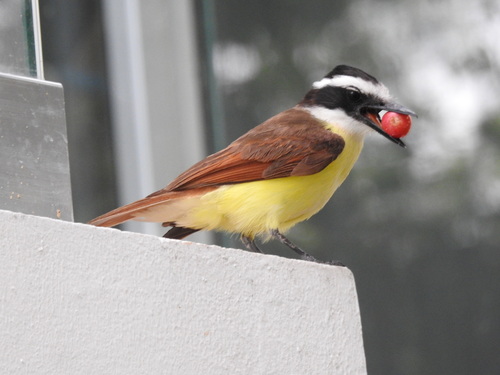
キバラオオタイランチョウ (Pitangus sulphuratus) キバラオオタイランチョウ
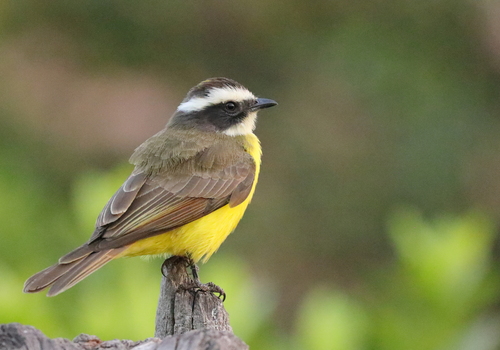
キバラヒタキモドキ (Myiozetetes cayanensis) キバラヒタキモドキ

メディア

読み込み中…

要点

キバラオオタイランチョウとキバラヒタキモドキを区別する最も信頼できる方法は、サイズと構造です:キバラオオタイランチョウははるかに大きく、ずんぐりした体型で、より厚く、頑丈なくちばしと、より際立った赤褐色の縁取りのある翼と尾を持っています。両種は黒っぽい頭に白い眉斑と隠れた黄色の冠の縞を持っていますが、キバラオオタイランチョウの頭の模様はより大胆で、赤褐色の翼と尾の縁はより広く、明るいです。幼鳥のキバラヒタキモドキは、翼と尾により広範囲の赤褐色のシナモン色を示しますが、キバラオオタイランチョウのサイズやくちばしの形には決して匹敵しません。止まっている時や飛んでいる時には、まずサイズ、くちばし、そして翼と尾の赤褐色の量と明るさに注目してください。

識別のコツ

  1. Size is the first check: キバラオオタイランチョウはキバラヒタキモドキよりもはるかに大きく、ずんぐりしています。もしその鳥がカケスのサイズに見えるか、キングバードよりも明らかに大きい場合、それはほぼ確実にキバラオオタイランチョウです(すべての年齢)。
  2. Bill structure: キバラオオタイランチョウは短くて厚く、重い黒いくちばしを持ち、ほぼシュライクのようです。キバラヒタキモドキのくちばしは小さく、頭のサイズに対してより比例しており、決して頑丈ではありません(すべての年齢)。
  3. Head pattern: 両種は黒っぽい冠に白い眉斑と隠れた黄色の冠の縞を持っていますが、キバラオオタイランチョウの方が大胆で、白い線が広く、黒と白のコントラストがより強いです。キバラヒタキモドキの眉斑は細いですが、目の後ろまでさらに伸びています(すべての年齢)。
  4. Rufous in wings and tail: キバラオオタイランチョウの成鳥は、翼と尾に強く広い赤褐色の縁を持ち、止まっている時も飛んでいる時も見えます。キバラヒタキモドキは、主に外側の第二次羽と第一次羽に薄く鈍い赤褐色またはシナモン色の縁を示しますが、決して明るく広範囲ではありません(すべての年齢、特に成鳥)。
  5. Juvenile Rusty-margined: 幼鳥は成鳥よりも翼と尾により多くの赤褐色のシナモン色を持っていますが、やはりキバラオオタイランチョウほど広く明るくはありません。彼らは冠に黄色を持っていません(幼鳥のみ)。
  6. Upperparts color: キバラオオタイランチョウの上面は無地の茶色です;キバラヒタキモドキは茶色からオリーブ茶色で、時には少し地味な外観を持っています(すべての年齢)。
  7. Tail color: キバラオオタイランチョウの尾は茶色で強い赤褐色の縁を持っています;キバラヒタキモドキの尾は暗い茶色がかった色で、明るいオリーブの縁を持ち、明らかな赤褐色はありません(すべての年齢)。
  8. Underparts: 両種は明るい黄色の腹部と白い喉を持っているため、これは有用なフィールドマークではありません。
  9. Perched jizz: キバラオオタイランチョウは直立して座り、しばしば高く目立ち、ずんぐりした大きな頭の外観を持っています。キバラヒタキモドキはスリムで目立たず、時にはペアや小グループで見られます(すべての年齢)。
  10. Flight jizz: 飛んでいる時、キバラオオタイランチョウは重くて広い翼を持っているように見え、翼と尾に明らかな赤褐色があります。キバラヒタキモドキはより敏捷で、赤褐色はあまり目立たず、スリムなプロファイルです(すべての年齢)。
  11. Vocalizations: もし大きく、響く「BEE-tee-WEE」またはそれに似た音を聞いたら、それはキバラオオタイランチョウです。キバラヒタキモドキの鳴き声はあまり特徴的ではなく、音も大きくありません(すべての年齢)。
  12. Habitat: 両種は似たような生息地に出現することがありますが、キバラオオタイランチョウは都市部や餌台で見られる可能性が高いです。キバラヒタキモドキは森林の縁や半開放的な森林に典型的です(すべての年齢)。
  13. Feeding behavior: キバラオオタイランチョウは大胆で、高い止まり木から飛び出して小さな脊椎動物を含む様々な獲物を捕らえます。キバラヒタキモドキはあまり攻撃的ではなく、より昆虫食です(すべての年齢)。
  14. Direct comparison: 両種が存在する場合、サイズとくちばしの違いはすぐに明らかです。単独の鳥の場合は、翼/尾の赤褐色とくちばしの太さに注目してください。
  15. Pitfalls: 幼鳥のキバラヒタキモドキには注意してください。幼鳥は成鳥よりも赤褐色に見えることがありますが、決してキバラオオタイランチョウのサイズやくちばしには匹敵しません。もしその鳥が小さくてスリムなら、それはキバラオオタイランチョウではありません。

大きさ

キバラオオタイランチョウは、全長25〜28 cm、体重約74 gで、最大のタイランチョウの一種です [wikipedia][wikidata]。キバラヒタキモドキは、全長16.5〜18 cm、体重22〜29.5 gと、はるかに小さいです。フィールドでは、このサイズの違いは明らかです:キバラオオタイランチョウはずんぐりしていてほぼカケスのサイズに見え、キバラヒタキモドキはずんぐりしたキングバードに近いです。キバラオオタイランチョウのくちばしは特に厚くて短く、ほぼシュライクのようですが、キバラヒタキモドキは小さくて短いくちばしを持っています。直接比較がなくても、キバラオオタイランチョウの全体的な体格と頭のサイズは際立っています。

羽色

幼鳥のキバラヒタキモドキは、成鳥よりも翼と尾により広範囲の赤褐色のシナモン色の縁を持っていますが、成鳥のキバラオオタイランチョウの強い赤褐色の縁ほど広く明るくはありません。キバラオオタイランチョウの成鳥は、大胆な黒い冠に広い白い眉斑と隠れた黄色の冠の縞を持ち、上面は茶色で、翼と尾には強い赤褐色の縁があります。キバラヒタキモドキの成鳥は、暗いすすけた茶色から黒っぽい冠(隠れた黄色またはオレンジの斑点を持つ)、目の後ろまでよく伸びる白い眉斑、無地の茶色からオリーブ茶色の上面を持っています。彼らの翼には薄い赤褐色またはシナモン色の縁があります(特に外側の第二次羽と第一次羽に)、しかしこれらは常にキバラオオタイランチョウのものよりも狭く鈍いです。キバラヒタキモドキの尾は暗い茶色がかった色で、明るいオリーブの縁を持ち、キバラオオタイランチョウの広い赤褐色は欠けています。両種は明るい黄色の腹部と白い喉を持っていますが、キバラオオタイランチョウの頭の模様はより大胆でコントラストが強いです。

行動

キバラオオタイランチョウは目立ち、騒がしく、しばしば開けた場所で高く止まり、昆虫や小さな脊椎動物を捕らえるために飛び出し、人間の居住地の周りで頻繁に見られます。大胆で、餌台に訪れることもあります。キバラヒタキモドキは目立たず、ペアや小グループで見られることが多く、しばしば森林の縁や半開放的な生息地にいます。両種はオープンに止まることがありますが、キバラオオタイランチョウの行動はより派手で攻撃的であり、キバラヒタキモドキはより控えめです。

生息環境

両種は開けた森林や縁の生息地に出現し、しばしば水の近くや人間の居住地の周りにいます。キバラオオタイランチョウは特に都市部や郊外で一般的で、ラテンアメリカの都市で最も目立つ鳥の一つです。キバラヒタキモドキは同じ範囲の多くを共有しますが、都市化が進んだ地域では一般的に少なく、森林の縁、二次成長、開けた森林に典型的です。生息地の重複は広範囲にわたるため、文脈だけでは診断できません。

声

キバラオオタイランチョウは、大きく、活気に満ち、特徴的な鳴き声を持ち、しばしば「BEE-tee-WEE」またはそれに似た音として表現されます。これは擬音語であり、いくつかの言語でこの鳥の名前の由来となっています。キバラヒタキモドキの鳴き声はこれらのメモではあまりよく説明されていませんが、キバラオオタイランチョウほど大きくも特徴的でもありません。騒がしい都市環境では、キバラオオタイランチョウの鳴き声が最も明らかな手がかりとなることがよくあります。

より良い説明を送る

比較と同じ項目を使ってください。文章はすぐに公開されます。

The most reliable way to separate Great Kiskadee from Rusty-margined Flycatcher is by size and structure: Great Kiskadee is much larger and bulkier, with a thicker, more robust bill and a more strikingly rufous-edged wing and tail. Both species have a blackish head with a white supercilium and a hidden yellow crown stripe, but the Kiskadee’s head pattern is bolder and its rufous wing and tail edges are broader and brighter. Juvenile Rusty-margined Flycatchers show more extensive rusty-cinnamon on the wings and tail, but never match the Kiskadee’s size or bill shape. In perched or flight views, focus first on size, bill, and the amount and brightness of rufous on the wings and tail.

  1. Size is the first check: Great Kiskadee is much larger and bulkier than Rusty-margined Flycatcher. If the bird looks jay-sized or noticeably bigger than a kingbird, it is almost certainly a Kiskadee (all ages).
  2. Bill structure: Kiskadee has a short, thick, heavy black bill, almost shrike-like. Rusty-margined’s bill is smaller, more proportional to head size, and never as robust (all ages).
  3. Head pattern: Both have a blackish crown with a white supercilium and a hidden yellow crown stripe, but Kiskadee’s is bolder, with a broader white line and more contrast between black and white. Rusty-margined’s supercilium is thinner but extends further behind the eye (all ages).
  4. Rufous in wings and tail: Kiskadee adults have strong, broad rufous fringes on wings and tail, visible both perched and in flight. Rusty-margined shows only thin, dull rusty or cinnamon edges, mainly on outer secondaries and primaries, never as bright or extensive (all ages, but especially adults).
  5. Juvenile Rusty-margined: Juveniles have more rusty-cinnamon on wings and tail than adults, but still not as broad or bright as Kiskadee. They lack any yellow on the crown (juveniles only).
  6. Upperparts color: Kiskadee’s upperparts are plain brown; Rusty-margined is brown to olive-brown, sometimes with a slightly plainer look (all ages).
  7. Tail color: Kiskadee’s tail is brown with strong rufous fringes; Rusty-margined’s is dusky brownish with light olive edges, lacking obvious rufous (all ages).
  8. Underparts: Both species have bright yellow bellies and white throats, so this is not a useful field mark.
  9. Perched jizz: Kiskadee sits upright, often high and conspicuous, with a bulky, big-headed look. Rusty-margined is slimmer and less imposing, sometimes in pairs or small groups (all ages).
  10. Flight jizz: In flight, Kiskadee appears heavy and broad-winged, with obvious rufous in wings and tail. Rusty-margined is more agile, with less obvious rufous and a slimmer profile (all ages).
  11. Vocalizations: If you hear a loud, ringing "BEE-tee-WEE" or similar, it is Kiskadee. Rusty-margined’s calls are less distinctive and not as loud (all ages).
  12. Habitat: Both can occur in similar habitats, but Kiskadee is more likely in urban areas and at feeders. Rusty-margined is more typical of forest edge and semi-open woodland (all ages).
  13. Feeding behavior: Kiskadee is bold, often sallying from high perches and taking a wide variety of prey, including small vertebrates. Rusty-margined is less aggressive and more insectivorous (all ages).
  14. Direct comparison: If both species are present, the size and bill differences are immediately obvious. In single-bird situations, focus on rufous in the wings/tail and bill thickness.
  15. Pitfalls: Beware of juvenile Rusty-margined, which can look more rufous than adults, but never matches Kiskadee’s size or bill. If the bird is small and slim, it is not a Kiskadee.

Great Kiskadee is one of the largest tyrant flycatchers, at 25–28 cm in length and about 74 g in mass [wikipedia][wikidata]. Rusty-margined Flycatcher is much smaller, at 16.5–18 cm and 22–29.5 g. In the field, this size difference is obvious: Kiskadee looks stocky and almost jay-sized, while Rusty-margined is closer to a bulky kingbird. The Kiskadee’s bill is notably thick and short, almost shrike-like, while Rusty-margined has a smaller, stubby bill. Even without a direct comparison, the overall bulk and head size of Kiskadee stand out.

Juvenile Rusty-margined Flycatchers have more extensive rusty-cinnamon edging on the wings and tail than adults, but never as broad or bright as the adult Great Kiskadee’s strong rufous fringes. Kiskadee adults show a bold black crown with a wide white supercilium and a hidden yellow crown stripe; the upperparts are brown, with wings and tail showing strong rufous edges. Rusty-margined adults have a dark sooty brown to blackish crown (with a concealed yellow or orange patch), a white supercilium that extends well past the eye, and plain brown to olive-brown upperparts. Their wings have thin rusty or cinnamon-rufous edges (especially on outer secondaries and primaries), but these are always narrower and duller than Kiskadee’s. The tail of Rusty-margined is dusky brownish with light olive edges, lacking the Kiskadee’s broad rufous. Both species have bright yellow underparts and a white throat, but the Kiskadee’s head pattern is bolder and more contrasting.

Great Kiskadee is conspicuous, noisy, and often perches high in the open, sallying out for insects or even small vertebrates, and is frequently seen around human habitation. It is bold and will visit feeders. Rusty-margined Flycatcher is less conspicuous and more likely to be seen in pairs or small groups, often in edge or semi-open habitats. Both species may perch openly, but Kiskadee’s behavior is flashier and more aggressive, while Rusty-margined is more retiring.

Both species occur in open woodland and edge habitats, often near water and around human habitation. Great Kiskadee is especially common in urban and suburban areas, and is one of the most conspicuous birds in Latin American cities. Rusty-margined Flycatcher shares much of the same range but is generally less abundant in heavily urbanized areas and more typical of forest edge, secondary growth, and open woodland. Habitat overlap is extensive, so context alone is not diagnostic.

Great Kiskadee has a loud, exuberant, and distinctive call often rendered as "BEE-tee-WEE" or similar, which is onomatopoeic and gives the bird its name in several languages. Rusty-margined Flycatcher’s vocalizations are less well described in these notes, but are not as loud or distinctive as the Kiskadee’s. In noisy urban environments, the Kiskadee’s call is often the most obvious clue.

変更を破棄しますか?

保存していない編集があります。今離れると失われます。

キバラオオタイランチョウ · キバラヒタキモドキ · 苦手な鳥