

Motmot

オオニワシドリ 対 チャバラニワシドリ

Chlamydera nuchalis 対 Chlamydera cerviniventris

オオニワシドリとチャバラニワシドリのクイズ
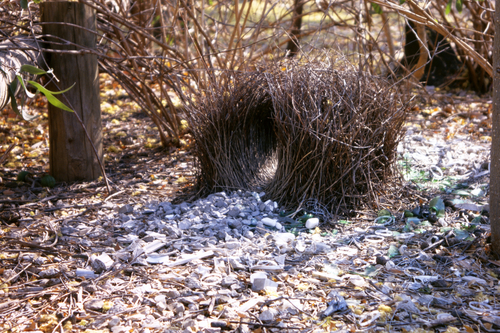
オオニワシドリ (Chlamydera nuchalis) オオニワシドリ
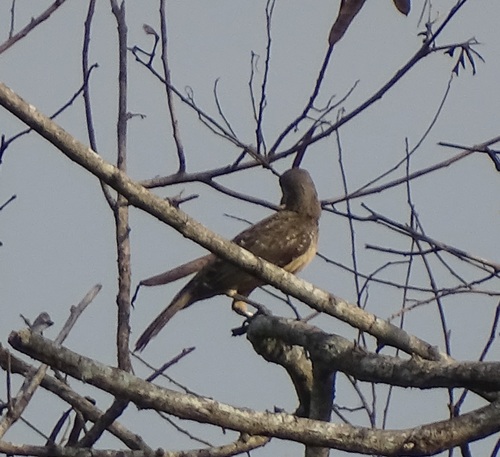
チャバラニワシドリ (Chlamydera cerviniventris) チャバラニワシドリ

メディア

読み込み中…

要点

オオニワシドリとチャバラニワシドリを区別する最も信頼できるフィールドマークは、オオニワシドリの求愛中のオスに見られる明るいラベンダー色の後頭冠の存在です。チャバラニワシドリはこの特徴を示しません。チャバラニワシドリはオレンジバフの腹部と黒いくちばしで際立っており、オオニワシドリは一般的に下部が鈍く、コントラストが少なく、オレンジの洗いがありません。両種はケープヨーク半島で重なることがありますが、オオニワシドリはオーストラリア北部全体に広がっているのに対し、チャバラニワシドリはニューギニアとケープヨークの最北部により制限されています。フィールドでは、腹部の色、くちばしの色、そして自信を持った同定のための求愛行動に注意を払ってください。

識別のコツ

  1. ラベンダー色の後頭冠(求愛中のオスのみ): オオニワシドリのオスだけが、特に良い光の中で求愛中に明るいラベンダー色の冠を示します。チャバラニワシドリはこの特徴を示しません。
  2. 腹部の色: チャバラニワシドリは、両性およびすべての年齢で見られる明確なオレンジバフの洗いを持っています。オオニワシドリは下部がより淡く、このオレンジの洗いがありません。
  3. くちばしの色: チャバラニワシドリは黒いくちばしを持っていますが、オオニワシドリのくちばしはより淡いです(詳細は指定されていませんが、黒ではありません)。これは近距離での有用なチェックです。
  4. 口の内側の色: チャバラニワシドリは黄色の口の内側を示し、これは鳥が鳴いたり求愛したりする際に見えることがあります。オオニワシドリの口の色は黄色とは記述されていません。
  5. 上部の斑点: 両種は灰褐色の上部に白い斑点を持っているため、これは信頼できる区別にはなりません。
  6. 性差: 両種は性別間で似ていますが、求愛中にラベンダー色の冠を示すのはオオニワシドリのオスだけです。
  7. 幼鳥/未成熟の羽毛: どちらの種についても特定の年齢に関連する上翼や飛行パターンの違いは記述されていないため、飛行の視点に頼らないでください。
  8. 求愛行動: オオニワシドリのオスは北南に向けて巣を配置し、冠を持って求愛します。チャバラニワシドリは緑のベリーで巣を飾りますが、冠の求愛行動はありません。
  9. 生息地と範囲: ケープヨーク半島北部やニューギニアの外で見られた場合、チャバラニワシドリはあり得ません。オオニワシドリはオーストラリア北部に広がっています。ケープヨークでは両方が可能なので、羽毛とくちばしの色を使用してください。
  10. サイズと構造: 両方とも中型から大型の頑丈なニワシドリで、サイズは信頼できるフィールドマークではありません。
  11. 止まっている時と飛んでいる時の視点: 止まっている時は、腹部の色とくちばしが見えるため、区別が容易です。飛行中は、特徴的な翼のパターンがないため、同定が難しいです。
  12. 巣の装飾: 巣で観察された場合、装飾に注意してください:緑のベリーはチャバラニワシドリを示唆しますが、物の選択に重複がある可能性があります。
  13. 雌と非求愛の鳥: チャバラニワシドリについては、性別や年齢に関係なく一貫しているため、腹部の色とくちばしの色に注目してください。
  14. 照明条件: オオニワシドリのラベンダー色の冠は、求愛中の強い方向性の光の中で最も見えやすいですが、そうでない場合は隠れている可能性があります。
  15. 落とし穴: 一般的な斑点の外観やサイズに頼らないでください。最も信頼できるフィールドの区別のために、常に腹部の色とくちばしの色を確認してください。

大きさ

直接的なサイズ比較は利用可能なデータによって制限されていますが、チャバラニワシドリは最大32 cmの長さと175 gの質量が記録されています。オオニワシドリはサイズが似ており、最も大きなニワシドリの一つですが、正確な質量は情報源に記載されていません。両方とも頑丈で中型から大型のニワシドリであり、サイズだけではフィールドでの信頼できる区別にはなりません。

羽色

成鳥のオスのオオニワシドリは、明るいラベンダー色の後頭冠を持つ独特の求愛行動を示し、これはすべての年齢と性別のチャバラニワシドリには存在しません。両性のチャバラニワシドリは、腹部に特徴的なオレンジバフの洗い、黒いくちばし、黄色の口の内側を持ち、灰褐色の上部と白い斑点があります。オオニワシドリは一般的に淡く、下部にオレンジバフがなく、上部と下部のコントラストが少ないです。両種は全体的な構造と斑点のある上部が似ていますが、腹部の色とくちばしの色が重要です。情報源には、どちらの種についても年齢特有の上翼や飛行パターンの違いは記述されていないため、区別は止まっている視点と羽毛の詳細に依存します。

行動

両種はアベニュータイプの巣を作り、オスはくちばしに物を持って求愛します。オオニワシドリのオスは、巣を北南に向けて配置し、ラベンダー色の冠の求愛行動を強調するために朝の光を利用することで知られています。チャバラニワシドリは通常、緑のベリーで巣を飾ります。両種は繁殖期に求愛行動のために目立ちますが、オオニワシドリの求愛行動は冠のために視覚的により印象的です。両種の雌はより秘密主義で、単独で巣を作ります。

生息環境

オオニワシドリは、ブロームからケープヨーク、タウンズビルまでの北オーストラリアの広範囲にわたる森林、森林地帯、つる植物の森林の縁、モンスーン林、マングローブ湿地に生息しています。チャバラニワシドリはより制限されており、ニューギニアとケープヨーク半島の最北部に生息し、熱帯林、マングローブ、サバンナの森林、森林の縁を好みます。重複はケープヨークの最北部でのみ可能です。生息地だけでは範囲が重なる場所では診断的ではありませんが、他の場所では強い手がかりとなることがあります。

より良い説明を送る

比較と同じ項目を使ってください。文章はすぐに公開されます。

The most reliable field mark to separate Great Bowerbird from Fawn-breasted Bowerbird is the presence of a bright lavender nuchal crest in displaying male Great Bowerbirds, which is never shown by Fawn-breasted. Fawn-breasted Bowerbird stands out with its orange-buff underparts and a black bill, while Great Bowerbird is generally duller with less contrast below and lacks the orange wash. Both species can overlap in Cape York Peninsula, but Great Bowerbird is widespread across northern Australia, whereas Fawn-breasted is more restricted to New Guinea and the far northern Cape York. In the field, pay close attention to underpart color, bill color, and any display behavior for a confident identification.

  1. Lavender nuchal crest (displaying males only): Only Great Bowerbird males show a bright lavender crest during display, especially visible in good light. Fawn-breasted Bowerbird never shows this feature.
  2. Underpart color: Fawn-breasted Bowerbird has a clear orange-buff wash to the underparts, visible in both sexes and all ages. Great Bowerbird is paler below and lacks this orange wash.
  3. Bill color: Fawn-breasted Bowerbird has a black bill, while Great Bowerbird's bill is paler (not specified in detail, but not black). This is a useful check at close range.
  4. Mouth lining: Fawn-breasted Bowerbird shows a yellow mouth lining, which may be visible when the bird is calling or displaying; Great Bowerbird's mouth color is not described as yellow.
  5. Upperpart spotting: Both species have greyish-brown upperparts with white spotting, so this is not a reliable separator.
  6. Sexual dimorphism: Both species are similar between sexes, but only male Great Bowerbird shows the lavender crest in display.
  7. Juvenile/immature plumage: No specific age-related upperwing or flight pattern differences are described for either species, so do not rely on flight views for separation.
  8. Display behavior: Great Bowerbird males orient bowers north–south and display with the crest in early morning light; Fawn-breasted Bowerbird decorates with green berries but lacks the crest display.
  9. Habitat and range: If seen outside northern Cape York Peninsula or New Guinea, Fawn-breasted is unlikely; Great Bowerbird is widespread in northern Australia. In Cape York, both are possible, so use plumage and bill color.
  10. Size and structure: Both are medium-large, robust bowerbirds; size is not a reliable field mark.
  11. Perched vs. flight views: Separation is easier when perched, as underpart color and bill are visible. In flight, identification is difficult due to lack of distinctive wing pattern.
  12. Bower decoration: If observed at a bower, note the decoration: green berries suggest Fawn-breasted, but overlap in object choice is possible.
  13. Female and non-displaying birds: Focus on underpart color and bill color, as these are consistent across sexes and ages for Fawn-breasted.
  14. Lighting conditions: The lavender crest of Great Bowerbird is most visible in strong, directional light during display; otherwise, it may be hidden.
  15. Pitfalls: Do not rely on general spotted appearance or size. Always check underpart color and bill color for the most reliable field separation.

Direct size comparison is limited by available data, but Fawn-breasted Bowerbird is recorded at up to 32 cm in length and 175 g in mass. Great Bowerbird is similar in size, being one of the largest bowerbirds, but no precise mass is given in the sources. Both are robust, medium-large bowerbirds, and size alone is not a reliable separator in the field.

Adult male Great Bowerbird is unique in display with a bright lavender nuchal crest, which is absent in all ages and sexes of Fawn-breasted. Fawn-breasted Bowerbird of both sexes shows a distinctive orange-buff wash to the underparts, a black bill, and a yellow mouth lining, with greyish-brown upperparts and white spotting. Great Bowerbird is generally paler and lacks the orange-buff below, with less contrast between upper and underparts. Both species have similar overall structure and spotted upperparts, but the underpart color and bill color are key. No age-specific upperwing or flight pattern differences are described in the sources for either species, so separation relies on perched views and plumage details.

Both species build avenue-type bowers and males display by holding objects in their bills. Great Bowerbird males are noted for orienting their bowers north–south and using the morning light to enhance the lavender crest display. Fawn-breasted Bowerbird typically decorates bowers with green berries. Both species are conspicuous during the breeding season due to display activity, but Great Bowerbird's display is more visually striking due to the crest. Females of both species are more secretive and nest alone.

Great Bowerbird is found across a broad swath of northern Australia, including forest, woodland, vine forest margins, monsoon forest, and mangrove swamps, from Broome to Cape York and south to Townsville. Fawn-breasted Bowerbird is more restricted, occurring in New Guinea and the northernmost Cape York Peninsula, favoring tropical forests, mangroves, savanna woodlands, and forest edges. Overlap is possible only in the far north of Cape York. Habitat alone is not diagnostic where ranges overlap, but elsewhere can be a strong clue.

変更を破棄しますか?

保存していない編集があります。今離れると失われます。

オオニワシドリ · チャバラニワシドリ · 苦手な鳥