

Great Bowerbird vs Fawn-breasted Bowerbird
Chlamydera nuchalis contro Chlamydera cerviniventris
Fai un quiz con Great Bowerbird e Fawn-breasted Bowerbird
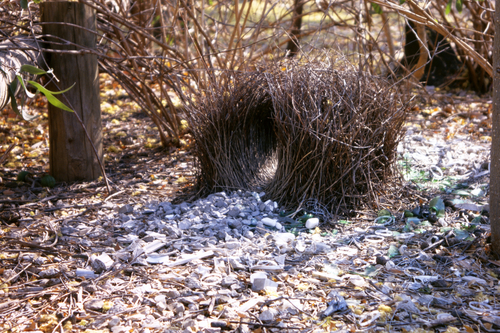 Great Bowerbird
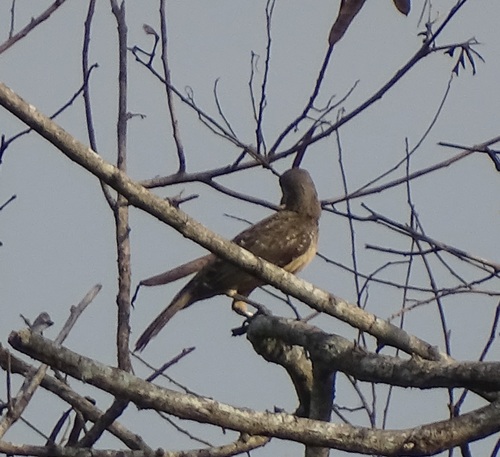 Fawn-breasted Bowerbird
In breve
Il segno di campo più affidabile per separare il Great Bowerbird dal Fawn-breasted Bowerbird è la presenza di una cresta nucale lavanda brillante nei maschi in mostra del Great Bowerbird, che non viene mai mostrata dal Fawn-breasted. Il Fawn-breasted Bowerbird si distingue per il suo ventre arancio-buff e un becco nero, mentre il Great Bowerbird è generalmente più opaco con meno contrasto sotto e manca del lavaggio arancio. Entrambe le specie possono sovrapporsi nella Penisola di Cape York, ma il Great Bowerbird è diffuso in tutta l'Australia settentrionale, mentre il Fawn-breasted è più ristretto alla Nuova Guinea e al far nord di Cape York. Sul campo, presta particolare attenzione al colore del ventre, al colore del becco e a qualsiasi comportamento di mostra per un'identificazione sicura.
Consigli di identificazione
- Cresta nucale lavanda (solo maschi in mostra): Solo i maschi del Great Bowerbird mostrano una cresta lavanda brillante durante la mostra, specialmente visibile in buona luce. Il Fawn-breasted Bowerbird non mostra mai questa caratteristica.
- Colore del ventre: Il Fawn-breasted Bowerbird ha un chiaro lavaggio arancio-buff sul ventre, visibile in entrambi i sessi e in tutte le età. Il Great Bowerbird è più chiaro sotto e manca di questo lavaggio arancio.
- Colore del becco: Il Fawn-breasted Bowerbird ha un becco nero, mentre il becco del Great Bowerbird è più chiaro (non specificato in dettaglio, ma non nero). Questo è un utile controllo a distanza ravvicinata.
- Rivestimento della bocca: Il Fawn-breasted Bowerbird mostra un rivestimento giallo della bocca, che può essere visibile quando l'uccello chiama o mostra; il colore della bocca del Great Bowerbird non è descritto come giallo.
- Macchie sulle parti superiori: Entrambe le specie hanno parti superiori marrone-grigiastro con macchie bianche, quindi questo non è un separatore affidabile.
- Dimorfismo sessuale: Entrambe le specie sono simili tra i sessi, ma solo il maschio del Great Bowerbird mostra la cresta lavanda in mostra.
- Piumaggio giovanile/immaturo: Non sono descritte differenze specifiche di età nelle ali superiori o nei modelli di volo per nessuna delle due specie, quindi non fare affidamento sulle viste in volo per la separazione.
- Comportamento di mostra: I maschi del Great Bowerbird orientano i loro nidi nord-sud e mostrano con la cresta alla luce del mattino; il Fawn-breasted Bowerbird decora con bacche verdi ma manca della mostra della cresta.
- Habitat e distribuzione: Se visto al di fuori della Penisola di Cape York settentrionale o della Nuova Guinea, è improbabile che si tratti di un Fawn-breasted; il Great Bowerbird è diffuso nell'Australia settentrionale. Nella Penisola di Cape York, entrambe le specie sono possibili, quindi usa il piumaggio e il colore del becco.
- Dimensioni e struttura: Entrambe sono bowerbirds di grandezza media-grande e robuste; la dimensione non è un segno di campo affidabile.
- Viste in perching vs. volo: La separazione è più facile quando sono in perching, poiché il colore del ventre e il becco sono visibili. In volo, l'identificazione è difficile a causa della mancanza di un modello distintivo delle ali.
- Decorazione del nido: Se osservato a un nido, nota la decorazione: le bacche verdi suggeriscono il Fawn-breasted, ma è possibile una sovrapposizione nella scelta degli oggetti.
- Femmine e uccelli non in mostra: Concentrati sul colore del ventre e sul colore del becco, poiché questi sono coerenti tra i sessi e le età per il Fawn-breasted.
- Condizioni di illuminazione: La cresta lavanda del Great Bowerbird è più visibile in luce forte e direzionale durante la mostra; altrimenti, potrebbe essere nascosta.
- Trappole: Non fare affidamento sull'aspetto macchiato generale o sulla dimensione. Controlla sempre il colore del ventre e il colore del becco per la separazione di campo più affidabile.
Taglia
Il confronto diretto delle dimensioni è limitato dai dati disponibili, ma il Fawn-breasted Bowerbird è registrato fino a 32 cm di lunghezza e 175 g di massa. Il Great Bowerbird è simile in dimensioni, essendo uno dei più grandi bowerbirds, ma non è fornita una massa precisa nelle fonti. Entrambi sono bowerbirds robusti di grandezza media-grande, e la dimensione da sola non è un separatore affidabile sul campo.
Piumaggio
Il maschio adulto del Great Bowerbird è unico nella mostra con una cresta nucale lavanda brillante, che è assente in tutte le età e sessi del Fawn-breasted. Il Fawn-breasted Bowerbird di entrambi i sessi mostra un distintivo lavaggio arancio-buff sul ventre, un becco nero e un rivestimento giallo della bocca, con parti superiori marrone-grigiastro e macchie bianche. Il Great Bowerbird è generalmente più chiaro e manca del lavaggio arancio-buff sotto, con meno contrasto tra le parti superiori e inferiori. Entrambe le specie hanno una struttura complessiva simile e parti superiori macchiate, ma il colore del ventre e il colore del becco sono fondamentali. Non sono descritte differenze specifiche di età nelle ali superiori o nei modelli di volo nelle fonti per nessuna delle due specie, quindi la separazione si basa su viste in perching e dettagli del piumaggio.
Comportamento
Entrambe le specie costruiscono nidi di tipo viale e i maschi mostrano tenendo oggetti nei loro becchi. I maschi del Great Bowerbird sono noti per orientare i loro nidi nord-sud e utilizzare la luce del mattino per migliorare la mostra della cresta lavanda. Il Fawn-breasted Bowerbird decora tipicamente i nidi con bacche verdi. Entrambe le specie sono evidenti durante la stagione riproduttiva a causa dell'attività di mostra, ma la mostra del Great Bowerbird è più visivamente impressionante a causa della cresta. Le femmine di entrambe le specie sono più segrete e nidificano da sole.
Habitat
Il Great Bowerbird si trova in una vasta area dell'Australia settentrionale, comprese foreste, boschi, margini di foreste di vite, foreste monsoniche e paludi di mangrovie, da Broome a Cape York e a sud fino a Townsville. Il Fawn-breasted Bowerbird è più ristretto, presente in Nuova Guinea e nella Penisola di Cape York più settentrionale, preferendo foreste tropicali, mangrovie, boschi di savana e margini forestali. La sovrapposizione è possibile solo nel far nord di Cape York. L'habitat da solo non è diagnostico dove le distribuzioni si sovrappongono, ma altrove può essere un forte indizio.
Great Bowerbird · Fawn-breasted Bowerbird · I miei uccelli difficili