

Motmot

オオカモメ 対 アイスランドカモメ

Larus marinus 対 Larus glaucoides

オオカモメとアイスランドカモメのクイズ
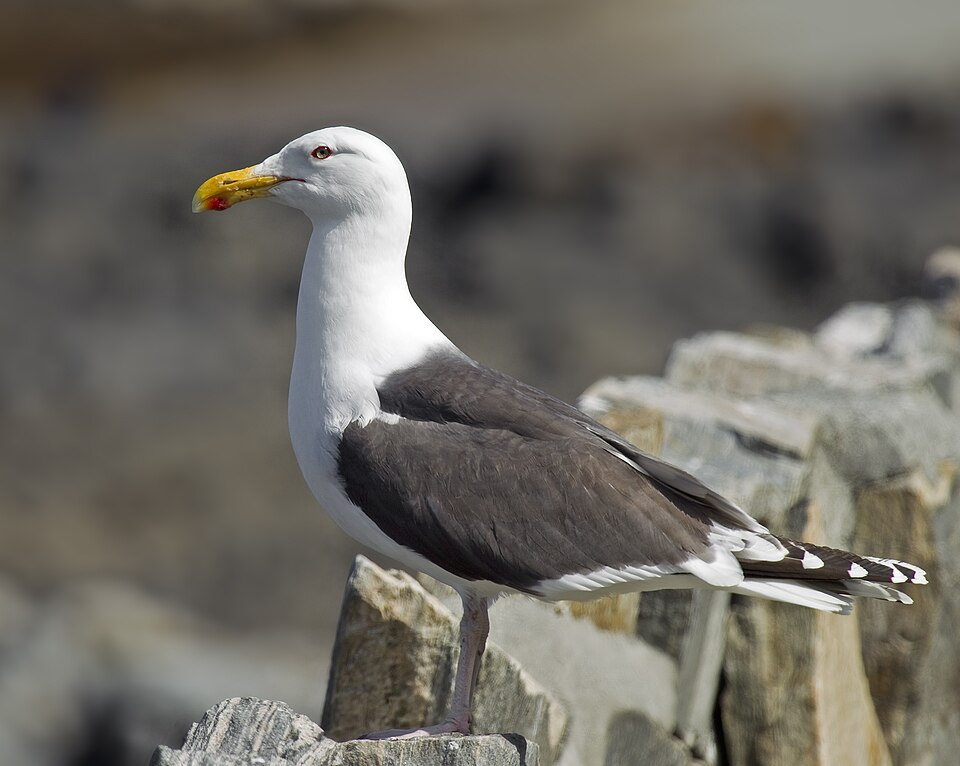
オオカモメ (Larus marinus) オオカモメ
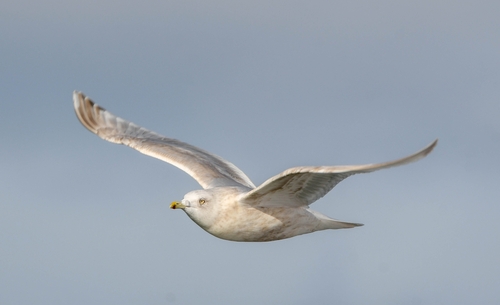
アイスランドカモメ (Larus glaucoides) アイスランドカモメ

メディア

読み込み中…

要点

オオカモメとアイスランドカモメの最も信頼できるフィールドマークは成鳥の上翼です:オオカモメはジェットブラックのマントルと白いミラーを持つ上翼を示し、一方アイスランドカモメははるかに淡く、薄い灰色のマントルと黒のない白い初列風切を持っています。幼鳥と未成熟の鳥も飛行中に区別可能です:オオカモメは暗いチェック模様の上面と翼の大胆な黒っぽい後縁を示し、アイスランドカモメの未成熟は全体的にはるかに淡く、翼に強いコントラストがありません。構造的には、オオカモメははるかに大きく、重いくちばしを持ち、アイスランドカモメは著しくスリムで繊細です。サイズの違いは劇的ですが、スケールのために孤立した鳥や混合フロックに注意してください。声は診断的であることは稀ですが、オオカモメの鳴き声ははるかに深いです。

識別のコツ

  1. Upperwing pattern in immatures: 幼鳥と初冬のオオカモメは、翼の大胆な暗い後縁と黒っぽい茶色の飛翔羽を示し、チェック模様の上面を持っています。アイスランドカモメの未成熟は全体的に淡く、翼に強い暗いコントラストがなく、飛翔羽と上面は淡い灰色またはクリーミーで、黒はありません。
  2. Adult upperwing and mantle: 成鳥のオオカモメは、初列風切に白いミラーを持つジェットブラックの上翼とマントルを持っています。成鳥のアイスランドカモメは、上面が淡い灰色で、初列風切は白く、翼のどこにも黒はありません。
  3. Tail pattern in juveniles: 幼鳥のオオカモメは、ジグザグのバーと先端近くに壊れた黒いバンドを持つ白い尾を持っています。アイスランドカモメの幼鳥は、はるかに淡い尾を持ち、強いバリングや大胆な端のバンドがありません。
  4. Bill structure: オオカモメは、成鳥では黄色で赤い斑点のある巨大で厚く、強力なくちばしを持っています。アイスランドカモメのくちばしは、成鳥でははるかにスリムで短く、黄緑色です;未成熟はより広範に暗いくちばしを持っていますが、オオカモメよりも薄いです。
  5. Size and bulk: オオカモメはアイスランドカモメよりも劇的に大きく、重く、首が太いです。アイスランドカモメは中型で、スリムで、軽いくちばしを持っています。最良の結果を得るためにフロック内での直接比較を使用してください;スケールのために孤立した鳥に注意してください。
  6. Leg color: 幼鳥のオオカモメは、いくつかのピンクのトーンを持つ暗い青灰色の脚を持っています;アイスランドカモメの未成熟は淡い脚を持っていますが、脚の色は変動し、常に信頼できるわけではありません。
  7. Overall darkness: すべての年齢のオオカモメは、同じ年齢のアイスランドカモメよりも暗く、よりパターンがあります。アイスランドカモメは常に淡く、洗い流されたように見え、強いコントラストがありません。
  8. Flight style: オオカモメは重く、力強い翼の打撃で飛び、巨大に見えます;アイスランドカモメはより浮遊感があり、優雅に飛びます。
  9. Behavior: オオカモメは攻撃的で、他の鳥、他のカモメを追いかけたり攻撃したりすることがよくあります。アイスランドカモメはより受動的で、捕食的であることは稀です。
  10. Habitat context: 北大西洋では、オオカモメは年間を通じて一般的ですが、アイスランドカモメは北極からの冬の訪問者です。ヨーロッパでは、アイスランドカモメははるかに希少です。
  11. Voice: 非常に深く、轟くような「笑い声」の呼び声はオオカモメを指し示します;アイスランドカモメの声は特徴的ではありません。
  12. Maturity timing: 両種は成鳥の羽毛に達するのに4年かかりますが、オオカモメの未成熟は常に暗く、よりパターンがあります。
  13. Bill color in immatures: アイランドカモメの未成熟は、シロカモメよりも広範に暗いくちばしを持っていますが、オオカモメよりも薄く、より繊細です。オオカモメの未成熟は、白い先端を持つ茶色がかった黒いくちばしを持ち、色が濃くなった後に淡くなります。
  14. Plumage progression: オオカモメは年を重ねるにつれて、よりコントラストが強く、暗くなります;アイスランドカモメは常に淡いままです。
  15. Pitfalls: アイランドカモメが暗く見えたり、オオカモメが淡く見えるような照明条件に注意してください。特に混合フロックや遠くからの視界では、常に複数の特徴を確認してください。

大きさ

オオカモメは北大西洋で最大のカモメで、巨大で厚いくちばしと重い体を持っています。アイスランドカモメは中型で、はるかに軽く、スリムで、薄いくちばしを持っています。参考までに、オオカモメは長さ64–79 cm、翼幅150–170 cm、質量1.1–2.3 kg [avonet/wikidata]であり、アイスランドカモメは長さ50–64 cm、翼幅115–150 cm、質量480–1,100 g [wikipedia]です。大きなオスのアイスランドカモメでさえ、メスのオオカモメよりも明らかに小さく、軽く見えます。直接比較や混合フロックでは、サイズの違いは明らかですが、スケールを判断するのが難しい孤立した鳥には注意してください。

羽色

幼鳥と初冬の鳥は、飛行中の上翼パターンによって最もよく区別されます:オオカモメの未成熟(1年未満)は、スケール状のチェック模様の黒茶色の上面を持ち、翼の大胆な暗い後縁と黒っぽい茶色の飛翔羽を示します。彼らの尾はジグザグのバーと先端近くに壊れた黒いバンドを持つ白いです。対照的に、アイスランドカモメの未成熟は全体的に非常に淡く、翼に強いコントラストがなく、暗い後縁や初列風切の黒はありません。成鳥のオオカモメは、ジェットブラックの上翼とマントルで明確に区別され、成鳥のアイスランドカモメは上面が淡い灰色で、初列風切は白く、翼のどこにも黒はありません。成鳥のオオカモメのくちばしは、赤い斑点のある黄色で、厚くて強力です;アイスランドカモメのくちばしはスリムで黄緑色です。両種が年を重ねるにつれて、オオカモメは暗く、よりコントラストが強くなり、アイスランドカモメは淡く、洗い流されたように留まります。両種は成熟に達するのに4年かかりますが、オオカモメの未成熟は常に同じ年齢のアイスランドカモメよりも暗く、よりパターンがあります。

行動

オオカモメは非常に攻撃的で、しばしば猛禽類のように振る舞います:狩り、海賊行為、そして死骸をあさり、他の鳥を攻撃して殺すことが知られています。アイスランドカモメは典型的な雑食性のカモメで、魚、軟体動物、残飯、卵を食べ、他の鳥を捕食することはあまりありません。混合フロックでは、オオカモメがしばしば優位に立ち、他のカモメを追い払います。アイスランドカモメは静かに餌を探したり、ゴミ捨て場や港で死骸をあさるのがより一般的です。飛行スタイルは異なり、オオカモメは重く力強く見え、アイスランドカモメはより浮遊感があり、優雅です。

生息環境

両種は北大西洋の沿岸に生息していますが、繁殖地と越冬地は異なります。オオカモメは北ヨーロッパと北東北アメリカの沿岸や島で繁殖し、しばしば常駐または局所的に移動します。アイスランドカモメは北極カナダとグリーンランドで繁殖し、アトランティック沿岸の南部、英国諸島や北東アメリカで越冬します。アイスランドカモメはオオカモメよりもヨーロッパでははるかに希少です。冬には、両種は港、ゴミ捨て場、沿岸地域で見られますが、オオカモメは温帯地域で年間を通じて見られる可能性が高いです。

声

オオカモメの呼び声は深い「笑い声」で、他のほとんどのカモメよりも低い音程で、ほとんど哺乳類のように聞こえることがあります。アイスランドカモメの声は、情報源では詳細に説明されていませんが、特徴的でも特に深いとも言われていません。実際には、呼び声はこれら二種を区別するための主要なフィールドマークであることは稀ですが、非常に深く轟くような呼び声はオオカモメを指し示します。

より良い説明を送る

比較と同じ項目を使ってください。文章はすぐに公開されます。

The most reliable field mark between Great Black-backed Gull and Iceland Gull is the adult upperwing: Great Black-backed shows a jet-black mantle and upperwings with white mirrors, while Iceland Gull is much paler, with a light grey mantle and white primaries lacking black. Juvenile and immature birds are also separable in flight: Great Black-backed shows dark, checkered upperparts and a bold blackish trailing edge to the wing, while Iceland Gull immatures are overall much paler and lack strong contrast in the wing. Structurally, Great Black-backed is much bulkier and heavier-billed, while Iceland Gull is notably slimmer and more delicate. Size difference is dramatic, but beware lone birds or mixed flocks for scale. Voice is rarely diagnostic, but Great Black-backed's call is much deeper.

  1. Upperwing pattern in immatures: Juvenile and first-winter Great Black-backed Gulls show a bold, dark trailing edge to the wing and blackish-brown flight feathers, with checkered upperparts. Iceland Gull immatures are pale overall, lacking strong dark contrasts in the wing; their flight feathers and upperparts are pale grey or creamy, with no black.
  2. Adult upperwing and mantle: Adult Great Black-backed Gulls have jet-black upperwings and mantle with white mirrors in the primaries. Adult Iceland Gulls are pale grey above, with white primaries and no black anywhere in the wing.
  3. Tail pattern in juveniles: Juvenile Great Black-backed has a white tail with zigzag bars and a broken black band near the tip. Iceland Gull juveniles have a much paler tail, lacking strong barring or a bold terminal band.
  4. Bill structure: Great Black-backed has a massive, thick, and powerful bill, yellow with a red spot in adults. Iceland Gull's bill is much slimmer, shorter, and yellowish-green in adults; immatures have a more extensively dark bill, but still thinner than Great Black-backed.
  5. Size and bulk: Great Black-backed is dramatically larger and bulkier than Iceland Gull, with a heavier body and thicker neck. Iceland Gull is medium-sized, slim, and light-billed. Use direct comparison in flocks for best results; beware of lone birds for scale.
  6. Leg color: Juvenile Great Black-backed has dark bluish-grey legs with some pink tones; Iceland Gull immatures have pale legs, though leg color is variable and not always reliable.
  7. Overall darkness: Great Black-backed of all ages is darker and more patterned than Iceland Gull at the same age. Iceland Gull always appears pale and washed-out, lacking strong contrasts.
  8. Flight style: Great Black-backed flies with heavy, powerful wingbeats and appears massive; Iceland Gull is more buoyant and graceful in flight.
  9. Behavior: Great Black-backed is aggressive, often chasing or attacking other birds, including other gulls. Iceland Gull is more passive and rarely predatory.
  10. Habitat context: In the North Atlantic, Great Black-backed is common year-round, while Iceland Gull is a winter visitor from the Arctic. In Europe, Iceland Gull is much scarcer.
  11. Voice: A very deep, booming 'laughing' call points to Great Black-backed; Iceland Gull's voice is not distinctive.
  12. Maturity timing: Both species take four years to reach adult plumage, but Great Black-backed immatures remain darker and more patterned throughout.
  13. Bill color in immatures: Iceland Gull immatures have a more extensively dark bill than Glaucous Gull, but still thinner and more delicate than Great Black-backed. Great Black-backed immatures have a brownish-black bill with a white tip, becoming darker before paling.
  14. Plumage progression: As Great Black-backed ages, it becomes more contrasting and darker; Iceland Gull remains pale throughout.
  15. Pitfalls: Beware of lighting conditions that can make Iceland Gull look darker or Great Black-backed look paler. Always check multiple features, especially in mixed flocks or distant views.

Great Black-backed Gull is the largest gull in the North Atlantic, with a massive, thick bill and heavy body. Iceland Gull is medium-sized, much lighter and more slender, with a thinner bill. For reference, Great Black-backed measures 64–79 cm in length, wingspan 150–170 cm, and mass 1.1–2.3 kg [avonet/wikidata], while Iceland Gull is 50–64 cm long, wingspan 115–150 cm, and mass 480–1,100 g [wikipedia]. Even a large male Iceland Gull will look noticeably smaller and lighter than a female Great Black-backed. In direct comparison or mixed flocks, the size difference is obvious, but beware of lone birds where scale is hard to judge.

Juvenile and first-winter birds are best separated by upperwing pattern in flight: Great Black-backed Gull immatures (under one year) show scaly, checkered black-brown upperparts with a bold, dark trailing edge to the wing and blackish-brown flight feathers. Their tails are white with zigzag bars and a broken black band near the tip. In contrast, Iceland Gull immatures are very pale overall, lacking strong contrast in the wing, and show pale grey upperparts with no dark trailing edge or black in the primaries. Adult Great Black-backed Gulls are unmistakable with their jet-black upperwings and mantle, while adult Iceland Gulls are pale grey above with white primaries and no black anywhere in the wing. The bill of adult Great Black-backed is yellow with a red spot, thick and powerful; Iceland Gull's is slimmer and yellowish-green. As both species age, Great Black-backed remains darker and more contrasting, while Iceland Gull stays pale and washed-out. Both species take four years to reach maturity, but Great Black-backed immatures are always darker and more patterned than Iceland Gull of the same age.

Great Black-backed Gull is highly aggressive, often behaving like a raptor: it hunts, pirates, and scavenges, and is known to attack and kill other birds, including adults of smaller species. Iceland Gull is a typical omnivorous gull, feeding on fish, mollusks, scraps, and eggs, and is less likely to be seen predating other birds. In mixed flocks, Great Black-backed often dominates, chasing off other gulls. Iceland Gull is more likely to be seen foraging quietly or scavenging at dumps and harbors. Flight style differs: Great Black-backed appears heavy and powerful, while Iceland Gull is more buoyant and graceful.

Both species occur along North Atlantic coasts, but their breeding and wintering ranges differ. Great Black-backed breeds on coasts and islands of northern Europe and northeastern North America, and is often resident or only locally migratory. Iceland Gull breeds in Arctic Canada and Greenland, wintering farther south along the Atlantic coast, including the British Isles and northeastern US. Iceland Gull is much scarcer in Europe than Great Black-backed. In winter, both can be found at harbors, garbage dumps, and coastal areas, but Great Black-backed is more likely to be seen year-round in temperate zones.

Great Black-backed Gull's call is a deep, 'laughing' cry, much lower-pitched than most other gulls, and can sound almost mammalian. Iceland Gull's voice is not described in detail in the sources, but is not noted as distinctive or particularly deep. In practice, calls are rarely a primary field mark for separating these two, but a very deep, booming call points to Great Black-backed.

変更を破棄しますか?

保存していない編集があります。今離れると失われます。

オオカモメ · アイスランドカモメ · 苦手な鳥