

Motmot

コバシヌマミソサザイ 対 キバラサボテンミソサザイ

Cistothorus platensis 対 Campylorhynchus zonatus

コバシヌマミソサザイとキバラサボテンミソサザイのクイズ
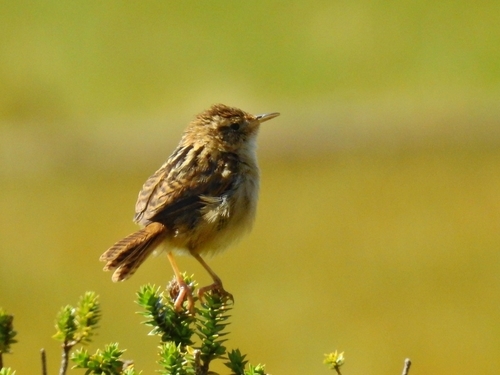
コバシヌマミソサザイ (Cistothorus platensis) コバシヌマミソサザイ
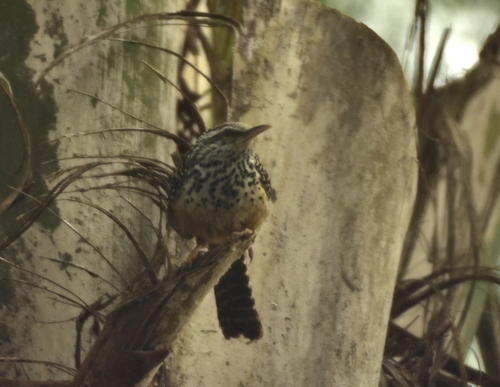
キバラサボテンミソサザイ (Campylorhynchus zonatus) キバラサボテンミソサザイ

メディア

読み込み中…

要点

コバシヌマミソサザイとキバラサボテンミソサザイを分ける最も信頼できる方法は、サイズと構造です:キバラサボテンミソサザイは劇的に大きく、ずんぐりした体形で、より重い体格と大胆な羽色パターンを持っています。コバシヌマミソサザイは小さく、スリムなミソサザイで、地味なバフ色の腹部と上面には細かい筋模様がありますが、キバラサボテンミソサザイははるかに大きく、目を引く縞模様の背中、黒い斑点のある白い喉と胸、シナモン色の腹部を持っています。幼鳥のキバラサボテンミソサザイは地味ですが、依然として大きなサイズと重い構造を示します。オープンな森林や家の近くで騒がしく採餌しているミソサザイの群れを見かけたら、ほぼ確実にキバラサボテンミソサザイです;コバシヌマミソサザイは孤独またはペアで、草地やオープンな生息地を好みます。声と行動も大きく異なります。

識別のコツ

  1. サイズは最も簡単なチェック:キバラサボテンミソサザイはコバシヌマミソサザイよりもはるかに大きく、重いです。もし鳥が小さくて繊細に見えるなら、ほぼ確実にコバシヌマミソサザイです。
  2. 構造:キバラサボテンミソサザイは頑丈で、大きな頭と太いくちばしを持っています;コバシヌマミソサザイはスリムで、細いくちばしを持ち、優雅です。
  3. 羽色パターン:キバラサボテンミソサザイは上面と尾に重い縞模様があり、大胆な黒、黄褐色、白のパターンがあります。コバシヌマミソサザイは上面に細かい筋模様があり、決して縞模様はなく、ずっと地味です。
  4. 腹部:コバシヌマミソサザイは主に地味なバフ色の腹部を持っています;キバラサボテンミソサザイは重い黒い斑点のある白い喉と胸、シナモン色の腹部を持っています。
  5. 幼鳥の混乱:若いキバラサボテンミソサザイは地味ですが、サイズといくつかの縞模様を保持しています;彼らは決してコバシヌマミソサザイのように地味には見えません。
  6. 尾のパターン:両者とも尾にいくつかのパターンがありますが、キバラサボテンミソサザイだけが尾全体に重い縞模様を示します。
  7. 社会的行動:キバラサボテンミソサザイはほぼ常に騒がしい家族群にいます;コバシヌマミソサザイは孤独またはペアです。
  8. 採餌の高さ:キバラサボテンミソサザイは木や低木のさまざまな高さで採餌します;コバシヌマミソサザイは草や茂みの中で低く留まります。
  9. 巣の種類:キバラサボテンミソサザイは木の高いところに大きな球形の巣を作ります;コバシヌマミソサザイの巣は小さく、草の中に隠れています。
  10. 生息地:コバシヌマミソサザイはオープンな草地や湿地に見られます;キバラサボテンミソサザイは森林、低木、家の近くの地域を好みます。
  11. 地理的重複:両者は中央アメリカに出現することがありますが、キバラサボテンミソサザイはカリブ海の山麓や人間の居住地の近くにいる可能性が高いです。
  12. 声:短いかすれた「ゼク」や複雑なおしゃべりの歌を聞いたら、それはキバラサボテンミソサザイです。コバシヌマミソサザイの声はここでは説明されていません。
  13. 群れのサイズ:3羽以上のミソサザイの群れはほぼ確実にキバラサボテンミソサザイです。
  14. 飛行スタイル:特に特徴的な飛行マークは説明されていませんが、キバラサボテンミソサザイの体格と群れでの飛行は特徴的です。
  15. 疑問がある場合:サイズ、群れの行動、羽色パターンの大胆さの組み合わせを使用してください—キバラサボテンミソサザイは大きく、社交的で、大胆に模様が付いています;コバシヌマミソサザイは小さく、孤独で、地味です。

大きさ

キバラサボテンミソサザイはコバシヌマミソサザイよりも4倍以上重く(34.6 g対8.0 g)、はるかに長いです(16.5 cm対10–10.5 cm)。フィールドでは、キバラサボテンミソサザイは頑丈でずんぐりした印象を与え、大きな頭と太いくちばしを持っていますが、コバシヌマミソサザイは小さく、スリムで繊細です。幼鳥のキバラサボテンミソサザイでさえ、どのコバシヌマミソサザイよりもはるかに大きいです。サイズだけで、同時に見たり、スケールのために馴染みのある種と一緒に見たりした場合には、混乱を排除するのに十分です。

羽色

どちらの種についても年齢特有の上翼や飛行パターンのマークは説明されていないため、全体の羽色に焦点を当ててください。成鳥のコバシヌマミソサザイは上面がバフ色の茶色で、背中には細かい黒とバフ色の白っぽい筋模様があり、翼と尾には薄暗い帯があります。腹部は主にバフ色で地味です。キバラサボテンミソサザイの成鳥は茶灰色の冠、黒い後頭部を持ち、上面と尾の残りは黒、黄褐色、白で重く縞模様が付いています。喉と胸は白で、重い黒い斑点があり、腹部はシナモン色です。幼鳥のキバラサボテンミソサザイは上面が地味で、オフホワイトからバフ色の腹部を持っていますが、依然として大きなサイズといくつかの縞模様を示します。コバシヌマミソサザイはどの年齢でもキバラサボテンミソサザイの大胆な縞模様や黒い斑点を示すことはありません。

行動

キバラサボテンミソサザイは非常に社交的で、4〜12羽の騒がしい家族群で採餌し、しばしばオープンな場所で、木や低木のさまざまな高さで見られます。彼らはまた、木の高いところに大きく目立つ球形の巣を作り、時にはブロメリアの中に作り、年間を通じて寝床の巣を使用します。コバシヌマミソサザイははるかに秘密主義で、通常は一人またはペアで見られ、しばしば密な草や茂みの中で低く見られ、小さく、より隠れた巣を作ります。群れでの採餌はキバラサボテンミソサザイの強い手がかりです。

生息環境

コバシヌマミソサザイはオープンな草地、湿地、草原の端を好み、しばしばよりオープンな国に見られます。キバラサボテンミソサザイは、薄くなった森林、オープンな森林、低木、二次成長、家の周りの林に見られ、主に中央アメリカの山脈のカリブ海側に生息しています。人間の居住地や混合森林の近くにいる可能性が高く、コバシヌマミソサザイはこれらの環境を避けます。もし鳥が高い草や湿地にいるなら、コバシヌマミソサザイの可能性が高いです;木の中や家の近くにいるなら、キバラサボテンミソサザイを疑ってください。

声

キバラサボテンミソサザイは短いかすれた「ゼク」という呼び声と、乾いたおしゃべり、スプラッター、ゴロゴロ音の複雑な歌を発します。コバシヌマミソサザイの声は提供されたメモでは説明されていないため、声は特有のキバラサボテンミソサザイの音を聞いた場合にのみ役立ちます。キバラサボテンミソサザイは群れでより声が大きく、目立ちます。

より良い説明を送る

比較と同じ項目を使ってください。文章はすぐに公開されます。

The most reliable way to separate Grass Wren from Band-backed Wren is by size and structure: Band-backed Wren is dramatically larger and bulkier, with a heavier build and much bolder plumage patterning. Grass Wren is a tiny, slim wren with plain buffy underparts and fine streaking above, while Band-backed Wren is much bigger, with a strikingly barred back, black-spotted white throat and breast, and a cinnamon belly. Juvenile Band-backed Wrens are duller but still show the large size and heavier structure. If you see a wren in a group foraging noisily in open woodland or near houses, it's almost certainly Band-backed; Grass Wren is solitary or in pairs and prefers grassy, open habitats. Voice and behavior also differ strongly.

  1. Size is the quickest check: Band-backed Wren is much larger and heavier than Grass Wren. If the bird looks small and delicate, it's almost certainly Grass Wren.
  2. Structure: Band-backed Wren is robust, with a large head and thick bill; Grass Wren is slim, fine-billed, and dainty.
  3. Plumage pattern: Band-backed Wren has heavily barred upperparts and tail, with bold black, tawny, and white patterning. Grass Wren is finely streaked above, never barred, and much plainer.
  4. Underparts: Grass Wren has mostly plain buffy underparts; Band-backed Wren has a white throat and breast with heavy black spotting and a cinnamon belly.
  5. Juvenile confusion: Young Band-backed Wrens are duller but retain size and some barring; they never look as plain as Grass Wren.
  6. Tail pattern: Both have some tail patterning, but only Band-backed Wren shows heavy barring throughout the tail.
  7. Social behavior: Band-backed Wren is almost always in noisy family groups; Grass Wren is solitary or in pairs.
  8. Foraging height: Band-backed Wren forages at various heights in trees and shrubs; Grass Wren stays low in grass or brush.
  9. Nest type: Band-backed Wren builds large, spherical nests high in trees; Grass Wren's nests are smaller and hidden in grass.
  10. Habitat: Grass Wren is found in open grassy or marshy areas; Band-backed Wren prefers woodland, scrub, and areas near houses.
  11. Geographic overlap: Both can occur in Central America, but Band-backed Wren is more likely in the Caribbean foothills and near human habitation.
  12. Vocalizations: If you hear a short rasping 'zek' or complex chattering song, it's Band-backed Wren. Grass Wren's voice is not described here.
  13. Group size: Any group of wrens larger than three is almost certainly Band-backed Wren.
  14. Flight style: No distinctive flight marks are described, but Band-backed Wren's bulk and group flight are distinctive.
  15. When in doubt: Use a combination of size, group behavior, and boldness of plumage pattern—Band-backed Wren is big, social, and boldly marked; Grass Wren is tiny, solitary, and plain.

Band-backed Wren is over four times heavier than Grass Wren (34.6 g vs. 8.0 g) and much longer (16.5 cm vs. 10–10.5 cm). In the field, Band-backed Wren appears robust and chunky, with a large head and thick bill, while Grass Wren is tiny, slim, and delicate. Even juvenile Band-backed Wrens are much larger than any Grass Wren. Size alone is often enough to rule out confusion if seen together or with familiar species for scale.

No age-specific upperwing or flight pattern marks are described for either species, so focus on overall plumage. Adult Grass Wren is buffy brown above with fine black and buffy whitish streaks on the back, and wings and tail have dusky bands. Underparts are mostly buffy and plain. Band-backed Wren adults have a brown-grey crown, black nape, and the rest of the upperparts and tail are heavily barred with black, tawny, and white. The throat and breast are white with heavy black spotting, and the belly is cinnamon. Juvenile Band-backed Wrens are duller above and have off-white to buff underparts, but still show the larger size and some barring. Grass Wren never shows the bold barring or black spotting of Band-backed Wren at any age.

Band-backed Wren is highly social, foraging in noisy family groups of 4–12 birds, often in the open and at various heights in trees or shrubs. They also build large, conspicuous spherical nests high in trees, sometimes in bromeliads, and use dormitory nests year-round. Grass Wren is much more secretive and usually seen alone or in pairs, often low in dense grass or brush, and builds smaller, more concealed nests. Group foraging is a strong clue for Band-backed Wren.

Grass Wren prefers open grassy areas, marshes, and grassland edges, often in more open country. Band-backed Wren is found in thinned forest, open woodland, scrub, second growth, and groves around houses, mainly on the Caribbean side of Central American mountain ranges. It is much more likely near human habitation or in mixed woodland, while Grass Wren avoids these settings. If the bird is in tall grass or marsh, it's likely Grass Wren; if in trees or near houses, suspect Band-backed Wren.

Band-backed Wren gives a short, rasping 'zek' call and a complex song of dry chatters, splutters, and gurgles. Grass Wren's vocalizations are not described in the provided notes, so voice is only useful if you hear the distinctive Band-backed Wren sounds. Band-backed Wrens are also more vocal and conspicuous in groups.

変更を破棄しますか?

保存していない編集があります。今離れると失われます。

コバシヌマミソサザイ · キバラサボテンミソサザイ · 苦手な鳥