

Grass Wren vs Band-backed Wren
Cistothorus platensis contro Campylorhynchus zonatus
Fai un quiz con Grass Wren e Band-backed Wren
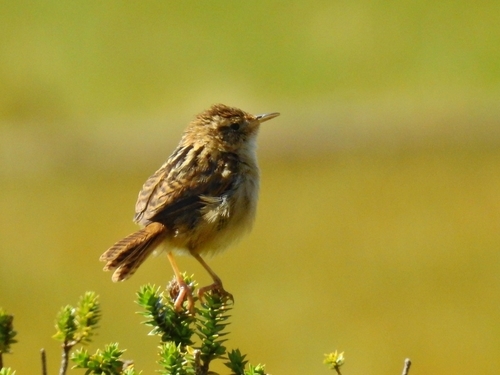 Grass Wren
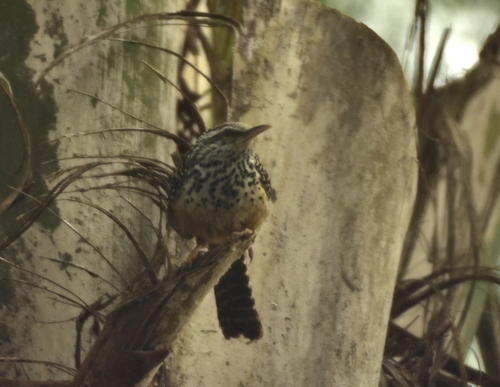 Band-backed Wren
In breve
Il modo più affidabile per separare il Grass Wren dal Band-backed Wren è per dimensione e struttura: il Band-backed Wren è drammaticamente più grande e massiccio, con una costruzione più pesante e un modello di piumaggio molto più audace. Il Grass Wren è un piccolo e snello wren con parti inferiori di un colore buffo uniforme e striature fini sopra, mentre il Band-backed Wren è molto più grande, con una schiena a barre notevolmente marcate, una gola e un petto bianchi macchiati di nero e una pancia cannella. I giovani Band-backed Wrens sono più opachi ma mostrano comunque la grande dimensione e la struttura più pesante. Se vedi uno wren in un gruppo che cerca cibo rumorosamente in un bosco aperto o vicino a case, è quasi certamente un Band-backed; il Grass Wren è solitario o in coppie e preferisce habitat erbosi e aperti. Anche la voce e il comportamento differiscono fortemente.
Consigli di identificazione
- La dimensione è il controllo più veloce: il Band-backed Wren è molto più grande e pesante del Grass Wren. Se l'uccello appare piccolo e delicato, è quasi certamente un Grass Wren.
- Struttura: il Band-backed Wren è robusto, con una grande testa e un becco spesso; il Grass Wren è snello, con un becco fine e delicato.
- Modello di piumaggio: il Band-backed Wren ha parti superiori e coda fortemente barrate, con un audace modello nero, fulvo e bianco. Il Grass Wren è finemente striato sopra, mai barrato e molto più semplice.
- Parti inferiori: il Grass Wren ha principalmente parti inferiori di un colore buffo uniforme; il Band-backed Wren ha una gola e un petto bianchi con pesanti macchie nere e una pancia cannella.
- Confusione giovanile: i giovani Band-backed Wrens sono più opachi ma mantengono la dimensione e alcune barre; non sembrano mai così semplici come il Grass Wren.
- Modello della coda: entrambi hanno un certo modello di coda, ma solo il Band-backed Wren mostra pesanti barre lungo tutta la coda.
- Comportamento sociale: il Band-backed Wren è quasi sempre in gruppi familiari rumorosi; il Grass Wren è solitario o in coppie.
- Altezza di foraggiamento: il Band-backed Wren cerca cibo a varie altezze negli alberi e nei cespugli; il Grass Wren rimane basso nell'erba o nei rovi.
- Tipo di nido: il Band-backed Wren costruisce nidi grandi e sferici in alto negli alberi; i nidi del Grass Wren sono più piccoli e nascosti nell'erba.
- Habitat: il Grass Wren si trova in aree erbose aperte o paludose; il Band-backed Wren preferisce boschi, cespugli e aree vicino alle case.
- Sovrapposizione geografica: entrambi possono verificarsi in America Centrale, ma il Band-backed Wren è più probabile nelle pendici caraibiche e vicino agli insediamenti umani.
- Vocalizzazioni: se senti un breve richiamo raspante 'zek' o una canzone complessa di chiacchiere, è il Band-backed Wren. La voce del Grass Wren non è descritta qui.
- Dimensione del gruppo: qualsiasi gruppo di wrens più grande di tre è quasi certamente un Band-backed Wren.
- Stile di volo: non sono descritti segni distintivi di volo, ma il volume e il volo di gruppo del Band-backed Wren sono distintivi.
- Quando hai dubbi: usa una combinazione di dimensione, comportamento di gruppo e audacia del modello di piumaggio—il Band-backed Wren è grande, sociale e audacemente marcato; il Grass Wren è piccolo, solitario e semplice.
Taglia
Il Band-backed Wren è oltre quattro volte più pesante del Grass Wren (34,6 g contro 8,0 g) e molto più lungo (16,5 cm contro 10–10,5 cm). Sul campo, il Band-backed Wren appare robusto e massiccio, con una grande testa e un becco spesso, mentre il Grass Wren è piccolo, snello e delicato. Anche i giovani Band-backed Wrens sono molto più grandi di qualsiasi Grass Wren. La dimensione da sola è spesso sufficiente per escludere confusione se visti insieme o con specie familiari per scala.
Piumaggio
Non sono descritti segni specifici di età per le parti superiori o il modello di volo per nessuna delle due specie, quindi concentrati sul piumaggio complessivo. L'adulto Grass Wren è marrone buffo sopra con fini striature nere e bianche buffe sulla schiena, e ali e coda hanno bande scure. Le parti inferiori sono per lo più buffe e semplici. Gli adulti del Band-backed Wren hanno una corona grigio-marrone, una nuca nera, e il resto delle parti superiori e la coda sono fortemente barrate di nero, fulvo e bianco. La gola e il petto sono bianchi con pesanti macchie nere, e la pancia è cannella. I giovani Band-backed Wrens sono più opachi sopra e hanno parti inferiori da bianco sporco a buffo, ma mostrano comunque la dimensione più grande e alcune barre. Il Grass Wren non mostra mai le audaci barre o le macchie nere del Band-backed Wren a nessuna età.
Comportamento
Il Band-backed Wren è altamente sociale, cercando cibo in gruppi familiari rumorosi di 4–12 uccelli, spesso in aperto e a varie altezze negli alberi o nei cespugli. Costruiscono anche grandi nidi sferici e conspicui in alto negli alberi, a volte in bromeliadi, e usano nidi dormitorio tutto l'anno. Il Grass Wren è molto più riservato e di solito viene visto da solo o in coppie, spesso basso in erba densa o rovi, e costruisce nidi più piccoli e più nascosti. La ricerca di cibo in gruppo è un forte indizio per il Band-backed Wren.
Habitat
Il Grass Wren preferisce aree erbose aperte, paludi e margini di praterie, spesso in paesi più aperti. Il Band-backed Wren si trova in foreste diradate, boschi aperti, cespugli, crescita secondaria e boschetti intorno alle case, principalmente sul lato caraibico delle catene montuose dell'America Centrale. È molto più probabile vicino agli insediamenti umani o in boschi misti, mentre il Grass Wren evita questi ambienti. Se l'uccello è in erba alta o palude, è probabile che sia un Grass Wren; se è negli alberi o vicino alle case, sospetta un Band-backed Wren.
Voce
Il Band-backed Wren emette un breve richiamo raspante 'zek' e una canzone complessa di chiacchiere secche, schiocchi e gorgoglii. Le vocalizzazioni del Grass Wren non sono descritte nelle note fornite, quindi la voce è utile solo se senti i suoni distintivi del Band-backed Wren. I Band-backed Wrens sono anche più vocali e conspicui in gruppo.