

Motmot

アカリュウキュウガモ 対 インドガン

Dendrocygna bicolor 対 Anser indicus

アカリュウキュウガモとインドガンのクイズ
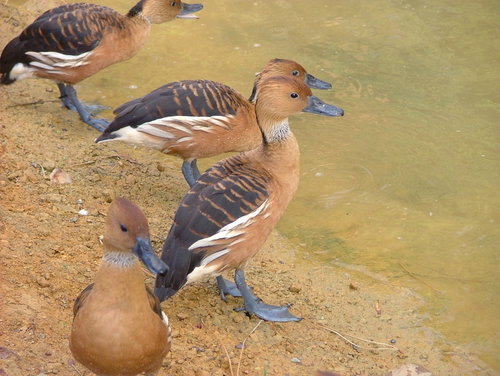
アカリュウキュウガモ (Dendrocygna bicolor) アカリュウキュウガモ
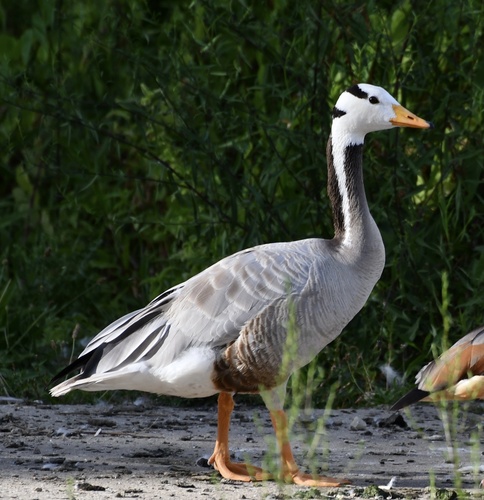
インドガン (Anser indicus) インドガン

メディア

読み込み中…

要点

インドガンとアカリュウキュウガモを区別する最も信頼できるフィールドマークは、アカリュウキュウガモの豊かな赤褐色(アカリュウキュウ)羽毛で、飛行中に尾の上に特徴的な白い三日月と黒い尾があるのに対し、インドガンは淡い灰色の体と大胆な黒と白の頭の模様を持っています。幼鳥のアカリュウキュウガモは鈍い色合いですが、依然として暗い冠のストライプを示し、ガンの強いコントラストは欠いています。構造的には、ガンははるかに大きくてずんぐりしており、くちばしと首が短いのに対し、アカリュウキュウガモはスリムで、脚が長く、首も長いです。飛行中、アカリュウキュウガモは茶色の上翼と黒い下翼を示し、白はありませんが、インドガンは淡い灰色で、翼の後縁が広くて暗いです。両種は湿地に見られることがありますが、インドガンは本物のガンで、非常に異なるジズと行動を持っています。

識別のコツ

  1. Head pattern: アカリュウキュウガモは、冠から首の後ろにかけて暗い茶色から黒のストライプが走っています。インドガンは、白い頭に冠を横切る2本の大胆な黒いバーがあります(成鳥)、決して完全な暗い冠のストライプはありません。これはすべての年齢で最も信頼できるマークです。
  2. Rump and tail in flight: アカリュウキュウガモは、飛行中に尾の上に特徴的な白い三日月と黒い尾を示します。インドガンはこれを欠き、淡い灰色の尾と尾を示し、鋭いコントラストはありません。
  3. Overall plumage color: アカリュウキュウガモは豊かな赤褐色(アカリュウキュウ)で、頭と首は淡い色です。インドガンは淡い灰色で、赤褐色やアカリュウキュウの色調はありません。
  4. Wing pattern in flight: アカリュウキュウガモは茶色の上翼と黒い下翼を持ち、白はありません。インドガンは淡い灰色の翼を持ち、上も下も広い暗い後縁があります。
  5. Juvenile confusion: 幼鳥のアカリュウキュウガモは鈍い色合いですが、依然として冠のストライプを示します。幼鳥のインドガンは淡い灰色で、白い顔を持ち、暗い冠のストライプはありません。
  6. Bill and leg color: アカリュウキュウガモは長い灰色のくちばしと灰色の脚を持っています。インドガンは短く、ずんぐりしたくちばしとオレンジ色の脚を持っています(遠くからは常に見えませんが、見えたときには役立ちます)。
  7. Size and structure: インドガンはほぼ3倍の重さで、はるかにずんぐりしており、体のサイズに対して首とくちばしが相対的に短いです。アカリュウキュウガモはスリムで、脚が長く、首も長く、より直立した姿勢を持っています。
  8. Jizz in flight: アカリュウキュウガモは、脚がしばしば引きずられる柔らかく、ゆるい飛行を持っています。ガンは強く、直接的に飛ぶことが多く、しばしばV字編隊を形成します。
  9. Group size and behavior: アカリュウキュウガモは通常、小さな群れやペアで見られ、しばしば植生の中に立っているか、浅い湿地で泳いでいます。彼らは種子や植物材料を食べ、ホイッスルの呼び声で知られています。飛行中、彼らはゆるく、ふわふわした飛行スタイルを持ち、着陸時に脚をぶら下げることがよくあります。インドガンは非常に群れを成し、大きな群れを形成し、特に移動中や越冬地で見られます。彼らは開けた野原や湖の近くの短い草を食べ、飛行は強く、直接的で目的があります。ガンの行動はより陸生で社会的であり、アカリュウキュウガモはより水生で秘密主義的です。
  10. Habitat context: アカリュウキュウガモは、浅い湖、湿地、稲作田を含む密な植生のある熱帯および亜熱帯の湿地を好みます。彼らは豊富な浮遊植物のある低地で最もよく見られます。インドガンは中央アジアの高地湖で繁殖し、南アジア全体の開けた野原や湖で越冬します。時には密な植生から遠く離れています。両者は湿地で見られることがありますが、ガンは開けた草地や農地にいる可能性が高く、特に繁殖シーズン外ではそうです。南アジアの冬に重なり合うことは可能ですが、文脈と生息地の使用は異なります:アカリュウキュウガモは植生のある湿地に留まり、ガンは開水や野原にいます。
  11. Vocalizations: アカリュウキュウガモは、飛行中や地上でよく聞かれる明確なホイッスルの「キーウィーオー」という呼び声を出し、動揺したときには厳しい繰り返しの「キー」を出します。これらの呼び声は高音で特徴的です。インドガンは、他のガンと同様に、大きなホーンや吠える呼び声を出し、アカリュウキュウガモの声よりも深く、共鳴します。呼び声の違いは顕著です:アカリュウキュウガモはホイッスルを吹き、ガンはホーンを鳴らします。
  12. Flank markings: アカリュウキュウガモは脇に白っぽいストライプを示します。インドガンは強い脇のストライプを欠いています。
  13. Tail shape: アカリュウキュウガモは上に白い三日月がある黒い尾を持っています。インドガンは対照的なマークのない淡い尾を持っています。
  14. Sex differences: 両種はフィールドでの性的二形性はほとんどありませんが、アカリュウキュウガモの雌は雄よりもやや小さく鈍いです。これはフィールドIDにはあまり役立ちません。
  15. Seasonal context: 南アジアでは、インドガンは主に冬に存在し、アカリュウキュウガモは常駐または局所的に移動します。可能性のある種を確認するために季節をチェックしてくださいが、これだけに頼らないでください。

大きさ

インドガンは劇的に大きく、成鳥の平均体重は2367.5 gで、アカリュウキュウガモの682.0 gと比較されます。ガンは重いだけでなく、ずんぐりしており、体のサイズに対して相対的に短い首とくちばしを持っています。アカリュウキュウガモはスリムで、脚が長く、首も長く、より直立した繊細な外観を持っています。遠くからでも、飛行中でも、サイズの違いは大きく、インドガンはほぼ3倍の重さで、はるかに威圧的に見えます。

羽色

幼鳥と成鳥のアカリュウキュウガモは、主に豊かな赤褐色(アカリュウキュウ)で、背中は暗く、頭と首は淡い色で、冠から首の後ろにかけて暗い茶色から黒のストライプが走っています。彼らは脇に白っぽいストライプを示し、飛行中に黒い尾に対して特に目立つ白い三日月を持っています。翼は上が茶色で、下が黒で、どの年齢でも白いマークはありません。幼鳥はより淡く鈍い色合いで、特に脇ではそうですが、冠のストライプを保持しています。それに対して、すべての年齢のインドガンは全体的に淡い灰色で、白い顔と頭には成鳥の冠を横切る2本の大胆な黒いバーがあります(幼鳥はあまり明確なバーを持つかもしれませんが、決して完全な暗い冠のストライプはありません)。ガンの翼は上が淡い灰色で、広い暗い後縁があり、下翼も淡い色で暗いエッジがあります。インドガンはアカリュウキュウや赤褐色の色調を欠き、白い尾の三日月や黒い尾を決して示しません。頭の模様が最も際立った違いです:アカリュウキュウガモは暗い冠のストライプを持ち、インドガンは白い頭に2本の黒いバーがあります。

行動

アカリュウキュウガモは通常、小さな群れやペアで見られ、しばしば浮遊植物の中に直立しているか、浅い湿地で泳いでいます。彼らは種子や植物材料を食べ、ホイッスルの呼び声で知られています。飛行中、彼らはゆるく、ふわふわした飛行スタイルを持ち、着陸時に脚をぶら下げることがよくあります。インドガンは非常に群れを成し、大きな群れを形成し、特に移動中や越冬地で見られます。彼らは開けた野原や湖の近くの短い草を食べ、飛行は強く、直接的で目的があります。ガンの行動はより陸生で社会的であり、アカリュウキュウガモはより水生で秘密主義的です。

生息環境

アカリュウキュウガモは、浅い湖、湿地、稲作田を含む密な植生のある熱帯および亜熱帯の湿地を好みます。彼らは豊富な浮遊植物のある低地で最もよく見られます。インドガンは中央アジアの高地湖で繁殖し、南アジア全体の開けた野原や湖で越冬します。時には密な植生から遠く離れています。両者は湿地で見られることがありますが、ガンは開けた草地や農地にいる可能性が高く、特に繁殖シーズン外ではそうです。南アジアの冬に重なり合うことは可能ですが、文脈と生息地の使用は異なります:アカリュウキュウガモは植生のある湿地に留まり、ガンは開水や野原にいます。

声

アカリュウキュウガモは、飛行中や地上でよく聞かれる明確なホイッスルの「キーウィーオー」という呼び声を出し、動揺したときには厳しい繰り返しの「キー」を出します。これらの呼び声は高音で特徴的です。インドガンは、他のガンと同様に、大きなホーンや吠える呼び声を出し、アカリュウキュウガモの声よりも深く、共鳴します。呼び声の違いは顕著です:アカリュウキュウガモはホイッスルを吹き、ガンはホーンを鳴らします。

より良い説明を送る

比較と同じ項目を使ってください。文章はすぐに公開されます。

The most reliable field mark to separate Fulvous Whistling-Duck from Bar-headed Goose is the Fulvous Whistling-Duck’s rich reddish-brown (fulvous) plumage with a distinctive white crescent across the rump and black tail in flight, versus the Bar-headed Goose’s pale gray body and bold black-and-white head pattern. Juvenile Fulvous Whistling-Ducks are duller but still show a dark crown stripe and lack the strong contrast of the goose. Structurally, the goose is much larger and bulkier, with a shorter bill and neck, while the whistling-duck is slim, long-legged, and long-necked. In flight, Fulvous Whistling-Ducks show brown upperwings and black underwings with no white, while Bar-headed Geese are pale gray with broad, dark trailing edges on the wings. Both species may be found in wetlands, but the Bar-headed Goose is a true goose with a very different jizz and behavior.

  1. Head pattern: Fulvous Whistling-Duck has a dark brown to black stripe running from the crown down the back of the neck; Bar-headed Goose has a white head with two bold black bars across the crown (adults), never a full dark crown stripe. This is the most reliable mark at all ages.
  2. Rump and tail in flight: Fulvous Whistling-Duck shows a distinctive white crescent across the rump with a black tail in flight; Bar-headed Goose lacks this, showing a pale gray rump and tail with no sharp contrast.
  3. Overall plumage color: Fulvous Whistling-Duck is rich reddish-brown (fulvous) with buffy head and neck; Bar-headed Goose is pale gray with no reddish or fulvous tones.
  4. Wing pattern in flight: Fulvous Whistling-Duck has brown upperwings and black underwings with no white; Bar-headed Goose has pale gray wings with broad dark trailing edges, both above and below.
  5. Juvenile confusion: Juvenile Fulvous Whistling-Duck is duller but still shows the crown stripe; juvenile Bar-headed Goose is pale gray with a white face and lacks any dark crown stripe.
  6. Bill and leg color: Fulvous Whistling-Duck has a long gray bill and gray legs; Bar-headed Goose has a shorter, stubbier bill and orange legs (not always visible at distance, but useful when seen).
  7. Size and structure: Bar-headed Goose is nearly three times heavier and much bulkier, with a shorter neck and bill relative to body size; Fulvous Whistling-Duck is slim, long-legged, and long-necked, with a more upright stance.
  8. Jizz in flight: Whistling-ducks have a floppy, loose flight with legs often trailing; geese are strong, direct fliers, often in V-formation.
  9. Group size and behavior: Fulvous Whistling-Ducks are usually in small groups or pairs, often among vegetation; Bar-headed Geese are highly gregarious, forming large flocks in open areas.
  10. Habitat context: Whistling-ducks prefer dense, vegetated wetlands; geese are more often in open lakes or fields, especially on migration or wintering grounds.
  11. Vocalizations: Whistling-ducks give high-pitched whistles; geese give deep honks or barks. If you hear a whistling call, it is not a Bar-headed Goose.
  12. Flank markings: Fulvous Whistling-Duck shows whitish stripes on the flanks; Bar-headed Goose lacks any strong flank stripes.
  13. Tail shape: Fulvous Whistling-Duck has a black tail with a white crescent above; Bar-headed Goose has a pale tail with no contrasting markings.
  14. Sex differences: Both species have little sexual dimorphism in the field, but Fulvous Whistling-Duck females are slightly smaller and duller than males; this is rarely useful for field ID.
  15. Seasonal context: In South Asia, Bar-headed Goose is present mainly in winter, while Fulvous Whistling-Duck is resident or locally migratory; check the season for likely species, but do not rely solely on this.

Bar-headed Goose is dramatically larger, with an average adult mass of 2367.5 g compared to the Fulvous Whistling-Duck’s 682.0 g [wikidata]. The goose is not only heavier but also bulkier and longer-bodied, with a proportionally shorter neck and bill compared to its size. The whistling-duck is slim, long-legged, and long-necked, giving a more upright, delicate appearance. Even at a distance or in flight, the size difference is substantial: Bar-headed Goose is nearly three times heavier and appears much more imposing.

Juvenile and adult Fulvous Whistling-Ducks are mostly rich reddish-brown (fulvous) with a darker back, buffy head and neck, and a dark brown to black stripe running from the crown down the back of the neck [wikipedia]. They show whitish stripes on the flanks and a white crescent on the rump, which is especially visible in flight against the black tail. The wings are brown above and black below, with no white markings at any age. Juveniles are paler and duller, especially on the flanks, but retain the crown stripe. In contrast, Bar-headed Geese of all ages are pale gray overall, with a white face and head marked by two bold black bars across the crown (adults; juveniles may have less distinct bars but never a full dark crown stripe). The goose’s wings are pale gray above with a broad dark trailing edge, and the underwings are also pale with dark edges. The Bar-headed Goose lacks any fulvous or reddish tones, and never shows a white rump crescent or black tail. The head pattern is the most striking difference: Fulvous Whistling-Duck has a dark crown stripe, while Bar-headed Goose has a white head with two black bars.

Fulvous Whistling-Ducks are typically seen in small groups or pairs, often standing upright among emergent vegetation or swimming in shallow wetlands. They feed by dabbling or grazing on seeds and plant material, and are known for their whistling calls. In flight, they have a loose, floppy flight style and often show dangling legs when landing. Bar-headed Geese are highly gregarious, forming large flocks, especially in migration or on wintering grounds. They graze in open fields or on short grass near lakes, and their flight is strong, direct, and purposeful, often in V-formations. The goose’s behavior is more terrestrial and social, while the whistling-duck is more aquatic and secretive.

Fulvous Whistling-Duck prefers tropical and subtropical wetlands with dense vegetation, including shallow lakes, marshes, and rice paddies [wikipedia]. They are most often found in lowland areas with abundant emergent plants. Bar-headed Goose breeds at high-altitude lakes in Central Asia and winters in open fields and lakes across South Asia, sometimes far from dense vegetation [wikipedia]. While both can be seen in wetlands, the goose is more likely in open, grassy areas or agricultural fields, especially outside the breeding season. Overlap is possible in winter in South Asia, but the context and habitat use differ: whistling-ducks stick to vegetated wetlands, geese to open water and fields.

Fulvous Whistling-Duck gives a clear, whistling 'kee-wee-ooo' call, often heard both in flight and on the ground, and a harsh repeated 'kee' when agitated [wikipedia]. These calls are high-pitched and distinctive. Bar-headed Goose, like other geese, gives loud, honking or barking calls, which are deeper and more resonant than the whistling-duck’s voice. The difference in vocalizations is marked: whistling-ducks whistle, geese honk.

変更を破棄しますか?

保存していない編集があります。今離れると失われます。

アカリュウキュウガモ · インドガン · 苦手な鳥