

Dendrocigna fulva vs Oca indiana
Dendrocygna bicolor contro Anser indicus
Fai un quiz con Dendrocigna fulva e Oca indiana
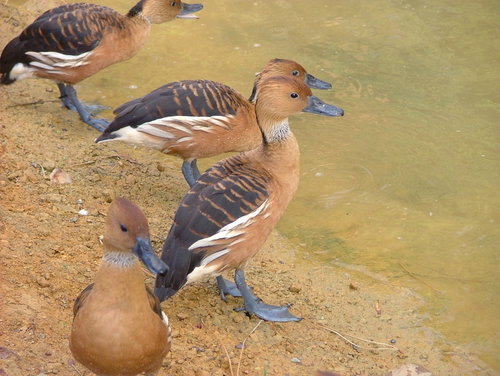 Dendrocigna fulva
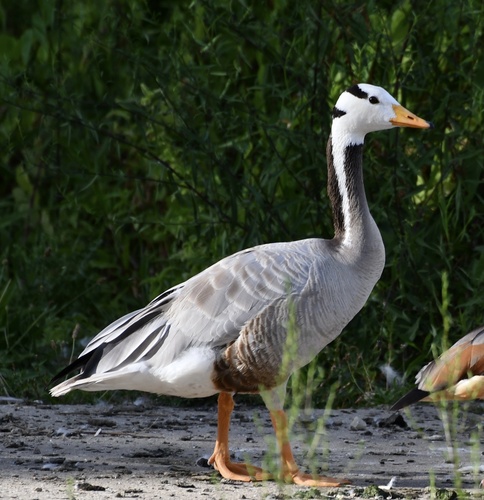 Oca indiana
In breve
Il segno di campo più affidabile per separare il Dendrocigna fulva dall'Oca indiana è il ricco piumaggio rosso-bruno (fulvo) del Dendrocigna fulva con una distintiva mezzaluna bianca sul dorso e una coda nera in volo, rispetto al corpo grigio chiaro dell'Oca indiana e al suo audace motivo della testa bianco e nero. I Dendrocigna fulva giovani sono più opachi ma mostrano comunque una striscia scura sulla corona e mancano del forte contrasto dell'oca. Strutturalmente, l'oca è molto più grande e massiccia, con un becco e un collo più corti, mentre il Dendrocigna fulva è snello, con lunghe gambe e collo lungo. In volo, i Dendrocigna fulva mostrano ali superiori marroni e ali inferiori nere senza bianco, mentre le Oche indiane sono grigie chiare con ampi bordi scuri sulle ali. Entrambe le specie possono essere trovate in zone umide, ma l'Oca indiana è un'oca vera con un comportamento e un aspetto molto diversi.
Consigli di identificazione
- Head pattern: Il Dendrocigna fulva ha una striscia marrone scuro a nera che corre dalla corona lungo il retro del collo; l'Oca indiana ha una testa bianca con due audaci barre nere attraverso la corona (adulti), mai una piena striscia scura sulla corona. Questo è il segno più affidabile a tutte le età.
- Rump and tail in flight: Il Dendrocigna fulva mostra una distintiva mezzaluna bianca sul dorso con una coda nera in volo; l'Oca indiana manca di questo, mostrando un dorso e una coda grigi chiari senza un forte contrasto.
- Overall plumage color: Il Dendrocigna fulva è di un ricco rosso-bruno (fulvo) con testa e collo color crema; l'Oca indiana è grigia chiara senza toni rossastri o fulvi.
- Wing pattern in flight: Il Dendrocigna fulva ha ali superiori marroni e ali inferiori nere senza bianco; l'Oca indiana ha ali grigie chiare con ampi bordi scuri, sia sopra che sotto.
- Juvenile confusion: Il Dendrocigna fulva giovane è più opaco ma mostra comunque la striscia sulla corona; l'Oca indiana giovane è grigia chiara con un volto bianco e manca di qualsiasi striscia scura sulla corona.
- Bill and leg color: Il Dendrocigna fulva ha un lungo becco grigio e gambe grigie; l'Oca indiana ha un becco più corto e tozzo e gambe arancioni (non sempre visibili a distanza, ma utili quando viste).
- Size and structure: L'Oca indiana è quasi tre volte più pesante e molto più massiccia, con un collo e un becco più corti rispetto alla dimensione del corpo; il Dendrocigna fulva è snello, con lunghe gambe e collo lungo, con una postura più eretta.
- Jizz in flight: I Dendrocigna hanno un volo floscio e sciolto con le gambe spesso penzolanti; le oche sono volatori forti e diretti, spesso in formazione a V.
- Group size and behavior: I Dendrocigna fulva sono solitamente in piccoli gruppi o coppie, spesso tra la vegetazione; le Oche indiane sono altamente gregarie, formando grandi stormi in aree aperte.
- Habitat context: I Dendrocigna preferiscono zone umide dense e vegetate; le oche si trovano più spesso in laghi aperti o campi, specialmente durante la migrazione o nei terreni invernali.
- Vocalizations: I Dendrocigna emettono fischi acuti; le oche emettono honk o abbaiare profondi. Se senti un richiamo fischiante, non è un'Oca indiana.
- Flank markings: Il Dendrocigna fulva mostra strisce bianche sui fianchi; l'Oca indiana manca di forti strisce sui fianchi.
- Tail shape: Il Dendrocigna fulva ha una coda nera con una mezzaluna bianca sopra; l'Oca indiana ha una coda chiara senza marcature a contrasto.
- Sex differences: Entrambe le specie hanno poco dimorfismo sessuale sul campo, ma le femmine di Dendrocigna fulva sono leggermente più piccole e opache rispetto ai maschi; questo è raramente utile per l'identificazione sul campo.
- Seasonal context: Nell'Asia meridionale, l'Oca indiana è presente principalmente in inverno, mentre il Dendrocigna fulva è residente o migratorio localmente; controlla la stagione per le specie probabili, ma non fare affidamento solo su questo.
Taglia
L'Oca indiana è drammaticamente più grande, con una massa media adulta di 2367,5 g rispetto ai 682,0 g del Dendrocigna fulva [wikidata]. L'oca non è solo più pesante ma anche più massiccia e dal corpo più lungo, con un collo e un becco proporzionalmente più corti rispetto alla sua dimensione. Il Dendrocigna fulva è snello, con lunghe gambe e collo lungo, dando un aspetto più eretto e delicato. Anche a distanza o in volo, la differenza di dimensione è sostanziale: l'Oca indiana è quasi tre volte più pesante e appare molto più imponente.
Piumaggio
I Dendrocigna fulva giovani e adulti sono per lo più di un ricco rosso-bruno (fulvo) con un dorso più scuro, testa e collo color crema, e una striscia marrone scuro a nera che corre dalla corona lungo il retro del collo [wikipedia]. Mostrano strisce bianche sui fianchi e una mezzaluna bianca sul dorso, che è particolarmente visibile in volo contro la coda nera. Le ali sono marroni sopra e nere sotto, senza marcature bianche a qualsiasi età. I giovani sono più chiari e opachi, specialmente sui fianchi, ma mantengono la striscia sulla corona. Al contrario, le Oche indiane di tutte le età sono complessivamente grigie chiare, con un volto bianco e una testa contrassegnata da due audaci barre nere attraverso la corona (adulti; i giovani possono avere barre meno distinte ma mai una piena striscia scura sulla corona). Le ali dell'oca sono grigie chiare sopra con un ampio bordo scuro, e le ali inferiori sono anch'esse chiare con bordi scuri. L'Oca indiana manca di qualsiasi tono fulvo o rossastro e non mostra mai una mezzaluna bianca sul dorso o una coda nera. Il motivo della testa è la differenza più evidente: il Dendrocigna fulva ha una striscia scura sulla corona, mentre l'Oca indiana ha una testa bianca con due barre nere.
Comportamento
I Dendrocigna fulva sono tipicamente visti in piccoli gruppi o coppie, spesso in posizione eretta tra la vegetazione emergente o nuotando in zone umide poco profonde. Si nutrono immergendo o pascolando su semi e materiale vegetale, e sono noti per i loro richiami fischianti. In volo, hanno uno stile di volo sciolto e floscio e mostrano spesso le gambe penzolanti quando atterrano. Le Oche indiane sono altamente gregarie, formando grandi stormi, specialmente durante la migrazione o nei terreni invernali. Pascolano in campi aperti o su erba corta vicino ai laghi, e il loro volo è forte, diretto e deciso, spesso in formazioni a V. Il comportamento dell'oca è più terrestre e sociale, mentre il Dendrocigna fulva è più acquatico e riservato.
Habitat
Il Dendrocigna fulva preferisce zone umide tropicali e subtropicali con vegetazione densa, inclusi laghi poco profondi, paludi e risaie [wikipedia]. Si trovano più spesso in aree di pianura con abbondanti piante emergenti. L'Oca indiana nidifica in laghi ad alta quota in Asia Centrale e sverna in campi aperti e laghi nell'Asia meridionale, a volte lontano da vegetazione densa [wikipedia]. Anche se entrambe possono essere viste in zone umide, l'oca è più probabile che si trovi in aree aperte e erbose o in campi agricoli, specialmente al di fuori della stagione di nidificazione. È possibile un sovrapposizione in inverno nell'Asia meridionale, ma il contesto e l'uso dell'habitat differiscono: i Dendrocigna si attaccano a zone umide vegetate, le oche a acque aperte e campi.
Voce
Il Dendrocigna fulva emette un chiaro richiamo fischiante 'kee-wee-ooo', spesso udito sia in volo che a terra, e un 'kee' duro e ripetuto quando è agitato [wikipedia]. Questi richiami sono acuti e distintivi. L'Oca indiana, come altre oche, emette forti richiami di honk o abbaiare, che sono più profondi e più risonanti rispetto alla voce del Dendrocigna fulva. La differenza nelle vocalizzazioni è marcata: i Dendrocigna fischiano, le oche honk.