

Motmot

エンビモリハチドリ 対 ムナオビオナガゴシキドリ

Thalurania furcata 対 Trachyphonus vaillantii

エンビモリハチドリとムナオビオナガゴシキドリのクイズ
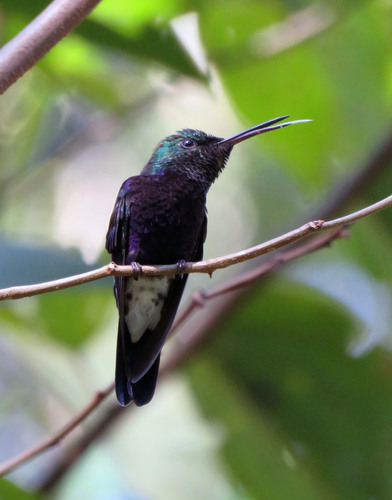
エンビモリハチドリ (Thalurania furcata) エンビモリハチドリ
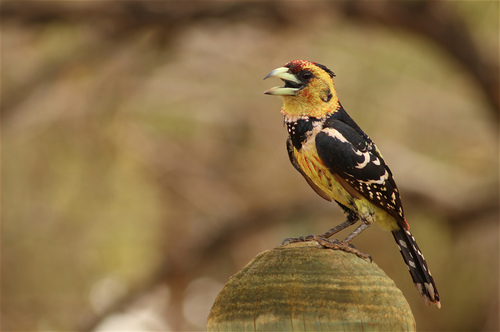
ムナオビオナガゴシキドリ (Trachyphonus vaillantii) ムナオビオナガゴシキドリ

メディア

読み込み中…

要点

フォークテイルウッドニンフとムナオビオナガゴシキドリを区別する最も信頼できるフィールドマークは、全体の構造と色彩です:ウッドニンフは、まっすぐな黒いくちばしと虹色の緑紫色の羽毛を持つ細長い小さなハチドリであり、ムナオビオナガゴシキドリは、大きな頭と太いくちばしを持つずんぐりした鳥で、はっきりとしたパターンの黄色、赤、黒、白の体と小さな黒い冠を持っています。年齢特有の翼や飛行パターンの混乱は起こりにくく、両者はすべての年齢で形状と羽毛が劇的に異なります。飛んでいるのが見られた場合、ウッドニンフの分岐した青黒い尾と迅速でホバリングする飛行は、ムナオビオナガゴシキドリの短い跳ねるような動きと飛ぶことへの消極性と鋭く対比します。生息地と行動も役立ちます:ウッドニンフは花でホバリングすることが多い蜜を食べる鳥であり、ムナオビオナガゴシキドリは地面で餌を探したり、オープンに止まって大きな声で鳴いたりします。

識別のコツ

  1. 構造が最も迅速な区別点です: フォークテイルウッドニンフは、まっすぐで中程度の長さの黒いくちばしを持つ小さく細長いハチドリです;ムナオビオナガゴシキドリは、巨大で円錐形のくちばしと小さな黒い冠を持つずんぐりした鳥です。この違いは、どんな距離でも明らかです。
  2. 尾の形: ウッドニンフは深く分岐した青黒い尾を持っています(特にオスに顕著です);ムナオビオナガゴシキドリの尾は短く、四角い先端で、分岐していません。
  3. 飛行スタイル: ウッドニンフはホバリングして急速に動き、長時間止まることはほとんどありません;ムナオビオナガゴシキドリは地面で跳ねたり、止まったりし、短い距離しか飛ばず、ホバリングすることはありません。
  4. くちばしの色と形: ウッドニンフのくちばしは細長く黒いです;ムナオビオナガゴシキドリのくちばしは太く、重く、淡い色です(色は指定されていませんが、常にずっと太いです)。
  5. 羽毛の質感: ウッドニンフは虹色の緑/紫(オス)または明るい緑の上部/淡い下部(メス)です;ムナオビオナガゴシキドリは、黄色、赤、黒、白のはっきりとしたパターンで、斑点のある顔と腹部、広い黒い首のバンドを持っています。
  6. 冠: ムナオビオナガゴシキドリだけが小さな黒い冠を持っています;ウッドニンフは決して冠を示しません。
  7. 顔のパターン: ムナオビオナガゴシキドリの顔は、黒い冠を持つ黄色と赤の斑点があります;ウッドニンフの顔は、単色の緑または青銅色の緑で、時々輝くゴルゲット(オス)があります。
  8. 腹部: ウッドニンフのオスは紫色の腹を持っています;メスは淡い灰色の下部です。ムナオビオナガゴシキドリの腹は赤い斑点のある黄色で、決して単色または虹色ではありません。
  9. 翼のパターン: ムナオビオナガゴシキドリの翼は黒に白い斑点があります;ウッドニンフの翼は単色の暗色で、白や斑点はありません。
  10. 幼鳥の混乱: 幼鳥のウッドニンフは上部が緑がかっており、斑点や斑模様はありません;幼鳥のムナオビオナガゴシキドリは常にはっきりとしたパターンを持っています。
  11. 声: 持続的なトリルの呼び声はムナオビオナガゴシキドリに特有です;ウッドニンフはほとんど静かで、細く高い呼び声を出します。
  12. 生息地と範囲: ウッドニンフは新熱帯域(南アメリカ)に生息しています;ムナオビオナガゴシキドリはアフロトロピカル(サハラ以南のアフリカ)です。あなたの場所を知っていれば、これは通常決定的です。
  13. 餌を食べる行動: ウッドニンフは花を訪れて蜜を食べ、しばしばホバリングします;ムナオビオナガゴシキドリは地面や木の中で餌を食べ、昆虫、果物、卵を食べます。
  14. 止まる行動: ウッドニンフは短時間軽く止まります;ムナオビオナガゴシキドリはしばしばオープンに止まり、鳴いたり、地面で跳ねたりします。
  15. 落とし穴: これらの種をフィールドで混同する現実的なリスクは、写真クイズやコレクションを除いてはありません。構造、行動、範囲が根本的に異なるためです。

大きさ

フォークテイルウッドニンフは、オスが9.5〜12.9 cm、メスが8〜10.7 cmの長さで、体重は3〜6 gと、はるかに小さく軽いです。対照的に、ムナオビオナガゴシキドリは明らかに大きく、ずんぐりした体型です(正確な測定値は提供されていませんが、頑丈でずんぐりした鳥です)。ウッドニンフの体は繊細で流線型で、敏捷なホバリングに適しているのに対し、ムナオビオナガゴシキドリは頑丈で大きな頭と太いくちばしを持ち、止まったり地面で餌を探すために作られています。

羽色

これらの種の間には、年齢に関係なく翼や飛行パターンの重複はありません。フォークテイルウッドニンフのオスは、上部が金属的な緑で、紫色の腹、分岐した青黒い尾、輝く緑の喉を持っています;メスは上部が明るい緑で、淡い灰色の下部と白い先端の外羽を持つ尾があります。幼鳥は鈍い色ですが、上部はまだ緑がかっています。ムナオビオナガゴシキドリは、すべての年齢で、斑点のある黄色と赤の顔、黒い冠、赤い斑点のある黄色の腹、白い斑点のある黒い翼、広い黒い首のバンドで大胆にマーキングされています。ムナオビオナガゴシキドリの羽毛は斑点があり、決して虹色や均一な緑ではありません。ウッドニンフの色彩は滑らかで虹色であり、決して斑点や斑模様ではありません。

行動

フォークテイルウッドニンフは、すべてのレベルの花でホバリングして蜜を探し、時には花のパッチを守ったり、トラップラインを引いたりします。彼らは敏捷で、ほとんど常に飛んでいるか、短時間止まっているのが見られます。ムナオビオナガゴシキドリは地上性で、オープンに止まり、地面で跳ねたり、露出した枝から呼びかけたりします。ムナオビオナガゴシキドリは他の鳥に対して攻撃的で、しばしば追いかけ、飛ぶことに消極的で、通常は短い距離しか飛びません。彼らの餌は、蜜ではなく、昆虫、果物、卵を含みます。

生息環境

フォークテイルウッドニンフは、南アメリカ本土のほとんどの地域で広範囲にわたる生息地に見られ(チリとウルグアイを除く)、通常は花が豊富な地域に生息しています。ムナオビオナガゴシキドリはサハラ以南のアフリカに制限されており、森林、サバンナ、庭、森林の茂み、水路に生息しています。したがって、地理的範囲は強力な区別要因です:これらの種は野生では重複しません。

声

フォークテイルウッドニンフは一般的に静かで、ハチドリに典型的な高音で細い呼び声を出します(ノートには詳細が記載されていません)。ムナオビオナガゴシキドリは非常に声が大きく、長時間続くことができる大きく独特なトリルを生成します。持続的なトリルを聞いた場合、それはムナオビオナガゴシキドリの診断になります。

より良い説明を送る

比較と同じ項目を使ってください。文章はすぐに公開されます。

The most reliable field mark to separate Fork-tailed Woodnymph from Crested Barbet is overall structure and coloration: the woodnymph is a slender, small hummingbird with a straight black bill and iridescent green-violet plumage, while the barbet is a chunky, thick-billed bird with a boldly patterned yellow, red, black, and white body and a small black crest. No age-specific wing or flight pattern confusion is likely, as the two differ dramatically in both shape and plumage at all ages. If seen in flight, the woodnymph’s forked blue-black tail and rapid, hovering flight contrast sharply with the barbet’s short, bounding hops and reluctance to fly. Habitat and behavior also help: woodnymphs are nectar feeders often hovering at flowers, while barbets forage on the ground or perch openly, calling loudly.

  1. Structure is the quickest separator: Fork-tailed Woodnymph is a tiny, slim hummingbird with a straight, medium-length black bill; Crested Barbet is a chunky, thickset bird with a massive, conical bill and a small black crest. This difference is obvious at any distance.
  2. Tail shape: Woodnymph has a deeply forked, blue-black tail (especially obvious in males); barbet’s tail is short, square-tipped, and not forked.
  3. Flight style: Woodnymphs hover and dart rapidly, rarely perching for long; barbets bounce on the ground or perch, flying only short distances and never hovering.
  4. Bill color and shape: Woodnymph’s bill is slender and black; barbet’s is thick, heavy, and pale (color not specified, but always much stouter).
  5. Plumage texture: Woodnymphs are iridescent green/violet (males) or bright green above/pale below (females); barbets are boldly patterned with yellow, red, black, and white, with a speckled face and belly and a broad black neck band.
  6. Crest: Only Crested Barbet has a small black crest; woodnymphs never show a crest.
  7. Face pattern: Barbet’s face is speckled yellow and red with a black crest; woodnymph’s face is plain green or bronze-green, sometimes with a glittering gorget (male).
  8. Underparts: Woodnymph males have a violet belly; females are pale gray below. Barbet’s belly is yellow with red speckles, never plain or iridescent.
  9. Wing pattern: Barbet’s wings are black with white specks; woodnymph’s wings are plain dark, with no white or speckling.
  10. Juvenile confusion: Even juvenile woodnymphs are greenish above and lack any patchy or speckled pattern; juvenile barbets are always boldly patterned.
  11. Voice: Persistent trilling calls are unique to Crested Barbet; woodnymphs are mostly silent or give thin, high calls.
  12. Habitat and range: Woodnymphs are Neotropical (South America); barbets are Afrotropical (sub-Saharan Africa). If you know your location, this is usually decisive.
  13. Feeding behavior: Woodnymphs visit flowers for nectar, often hovering; barbets feed on the ground or in trees, eating insects, fruit, and eggs.
  14. Perching behavior: Woodnymphs perch briefly and lightly; barbets often perch in the open, calling, or bounce on the ground.
  15. Pitfalls: There is no realistic risk of confusing these species in the field except in a photo quiz or collection, due to their radically different structure, behavior, and range.

Fork-tailed Woodnymphs are much smaller and lighter, with males measuring 9.5–12.9 cm and females 8–10.7 cm in length, weighing 3–6 g. In contrast, Crested Barbets are noticeably larger and bulkier (exact measurements not provided, but they are robust, thickset birds). The woodnymph’s body is delicate and streamlined, suited for agile hovering, while the barbet is stout with a large head and thick bill, built for perching and ground foraging.

There is no overlap in wing or flight pattern between these species at any age. Fork-tailed Woodnymph males are metallic green above with a violet belly, a forked blue-black tail, and glittering green throat; females are bright green above with pale gray underparts and a tail with white-tipped outer feathers. Juveniles are duller but still greenish above. Crested Barbets, at all ages, are boldly marked with a speckled yellow and red face, black crest, yellow belly with red speckles, black wings with white spots, and a broad black neck band. The barbet’s plumage is patchy and variegated, never iridescent or uniform green. The woodnymph’s coloration is smooth and iridescent, never patchy or speckled.

Fork-tailed Woodnymphs forage for nectar by hovering at flowers at all levels, sometimes defending flower patches or trap-lining. They are agile, almost always seen in flight or briefly perched. Crested Barbets are terrestrial or perch openly, bouncing on the ground or calling from exposed branches. Barbets are aggressive toward other birds, often chasing them, and are reluctant fliers, usually flying only short distances. Their feeding includes insects, fruit, and eggs, not nectar.

Fork-tailed Woodnymphs are found in a wide range of habitats across most of mainland South America (except Chile and Uruguay), typically in areas with abundant flowering plants. Crested Barbets are restricted to sub-Saharan Africa, inhabiting forests, savannahs, gardens, woodland thickets, and watercourses. Thus, geographic range is a strong separator: these species do not overlap in the wild.

Fork-tailed Woodnymphs are generally quiet or give high-pitched, thin calls typical of hummingbirds (not detailed in the notes). Crested Barbets are very vocal, producing a loud, distinctive trill that can continue for long periods. If you hear a persistent trill, it is diagnostic for Crested Barbet.

変更を破棄しますか?

保存していない編集があります。今離れると失われます。

エンビモリハチドリ · ムナオビオナガゴシキドリ · 苦手な鳥