

Motmot

アカオタイヨウチョウ 対 ミドリオタイヨウチョウ

Aethopyga ignicauda 対 Aethopyga nipalensis

アカオタイヨウチョウとミドリオタイヨウチョウのクイズ
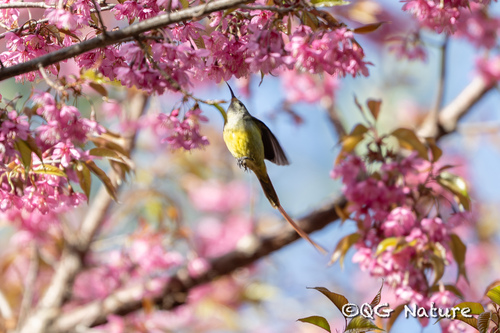
アカオタイヨウチョウ (Aethopyga ignicauda) アカオタイヨウチョウ
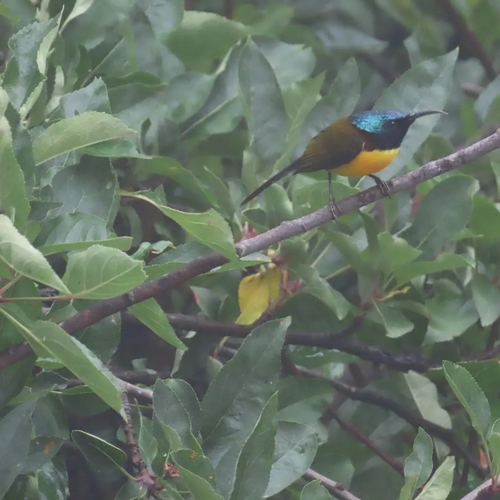
ミドリオタイヨウチョウ (Aethopyga nipalensis) ミドリオタイヨウチョウ

メディア

読み込み中…

要点

アカオタイヨウチョウとミドリオタイヨウチョウの最も信頼できるフィールドマークは尾です:繁殖羽のアカオタイヨウチョウの成鳥オスは長く明るいスカーレットの尾を示し、ミドリオタイヨウチョウのオスは短く緑がかった尾を持っています。メスはより難しいですが、アカオタイヨウチョウのメスは白い先端がない四角い尾を持ち、より直線的なくちばしと尻の部分にオリーブイエローが多く見られます。両種はヒマラヤと東南アジアの山地森林で重なり合うため、特に繁殖期外やメスや幼鳥の場合は尾の形、くちばし、微妙な羽毛に注意を払うことが重要です。成鳥オスの羽毛が完全でない場合、構造的および尾の違いが最も安全な手がかりです。

識別のコツ

  1. 尾の長さと色(成鳥オス): 繁殖羽のアカオタイヨウチョウのオスは長く明るいスカーレットの尾を持ち、これは最も明白なフィールドマークです。ミドリオタイヨウチョウのオスは短く緑がかった尾を持っています。
  2. 尾の形と模様(メス): アカオタイヨウチョウのメスは白い先端がない四角い尾を持ち、側面に茶色がかったオレンジの痕跡があります。ミドリオタイヨウチョウのメスはしばしば白い先端のあるより丸い尾を示します。
  3. くちばしの形: アカオタイヨウチョウのメスは、ミドリオタイヨウチョウのメスのわずかに曲がったくちばしに比べて、明らかにより直線的なくちばしを持っています。これは微妙ですが、近くで見る際に役立ちます。
  4. 尻の色(メス): アカオタイヨウチョウのメスは尻により多くのオリーブイエローを示し、これはミドリオタイヨウチョウのメスではあまり目立ちません。
  5. スカーレットの上尾羽(エクリプス/幼鳥のオス): アカオタイヨウチョウのエクリプスのオス(非繁殖)は、繁殖羽が完全でない場合でも、スカーレットの上尾羽と尾の側面を示します。ミドリオタイヨウチョウの幼鳥はこれらの特徴を欠いています。
  6. 後頭部と背中の色(成鳥オス): アカオタイヨウチョウのオスはスカーレットの後頭部と背中を持ち、ミドリオタイヨウチョウのオスは持っていません。
  7. 胸と腹の色: アカオタイヨウチョウのオスは黄色がかったオレンジの胸とオリーブグリーンの腹を持ち、ミドリオタイヨウチョウのオスは黄色の背中を持ち、オレンジの色合いがありません。
  8. 全体のサイズ: アカオタイヨウチョウのオスは尾のために長く見えますが、これはメスや幼鳥にはあまり信頼できません。
  9. 生息地の文脈: 繁殖期に高地の針葉樹林で見られた場合、アカオタイヨウチョウの可能性が高いですが、両種は生息地で広く重なります。
  10. 飛行時の印象: 飛行中のアカオタイヨウチョウのオスは長く流れる尾を示し、ミドリオタイヨウチョウはよりコンパクトに見えます。
  11. 止まり姿勢: アカオタイヨウチョウのオスの長い尾は、止まっているときにしばしば垂れ下がったり、翼の先端を超えて流れたりしますが、ミドリオタイヨウチョウとは異なります。
  12. 季節的な移動: 両種は冬に低地に降りるため、繁殖期外では標高は信頼できる区別要素ではありません。
  13. 特徴的な上翼の模様はなし: どちらの種も、情報源には独特の幼鳥や幼体の上翼の模様が示されていないため、尾と尻に焦点を当ててください。
  14. 声: 情報源には記載されていないため、声による区別には頼らないでください。
  15. 疑わしい場合: 鳥が長いスカーレットの尾を欠いていて明らかな成鳥オスでない場合は、メスや幼鳥の尾の形、くちばしの直線性、尻の色を探してください。最良の結果を得るために、これらの微妙なマークの組み合わせを使用してください。

大きさ

成鳥オスのアカオタイヨウチョウは、尾が長いためミドリオタイヨウチョウよりも明らかに長く、尾を含めて約15 cmに達し、メスはその長さの約3分の2です。ミドリオタイヨウチョウは全体的に一般的に小さく、両性ともに相対的に短い尾を持っています。フィールドでは、アカオタイヨウチョウのオスの長く流れる尾は明らかですが、サイズの違いはメスや幼鳥にはあまり信頼できません。

羽色

行動

両種は活発で、蜜や昆虫を食べる太陽の鳥であり、しばしば花や葉の間を素早く移動しているのが見られます。アカオタイヨウチョウは成鳥オスの長く流れるスカーレットの尾のため、飛行中により目を引くように見えるかもしれません。両種は冬に低地に降りるが、行動はそれ以外は似ており、強い区別要素ではありません。

生息環境

両種はヒマラヤと隣接する東南アジアの温帯および亜熱帯または熱帯の湿った山地森林に生息しています。アカオタイヨウチョウは、特に繁殖中に高地(最大4,000メートル)の針葉樹林により密接に関連しており、広葉樹林で冬を越します。ミドリオタイヨウチョウは、特に四川南部と雲南の苔むした木々のある開けた山の森でも見られ、1,825メートルから3,350メートルの範囲に生息しています。生息地の重なりは広範囲にわたるため、文脈だけでは診断的ではありません。

より良い説明を送る

比較と同じ項目を使ってください。文章はすぐに公開されます。

The most reliable field mark between Fire-tailed Sunbird and Green-tailed Sunbird is the tail: adult male Fire-tailed Sunbird in breeding plumage shows a long, bright scarlet tail, while Green-tailed Sunbird males have a shorter, greenish tail. Females are trickier, but Fire-tailed Sunbird females have a squarer tail lacking white tips and show a straighter bill and more olive-yellow on the rump. Both species overlap in Himalayan and Southeast Asian montane forests, so careful attention to tail shape, bill, and subtle plumage is essential, especially outside the breeding season or with females and immatures. Structural and tail differences are the safest clues when birds are not in full adult male plumage.

  1. Tail length and color (adult males): Fire-tailed Sunbird males in breeding plumage have a long, bright scarlet tail, which is the most obvious field mark. Green-tailed Sunbird males have a shorter, greenish tail.
  2. Tail shape and markings (females): Female Fire-tailed Sunbird has a squarer tail lacking white tips, with a trace of brownish orange on the sides. Green-tailed Sunbird females often show a more rounded tail with white tips.
  3. Bill shape: Fire-tailed Sunbird females have a noticeably straighter bill compared to the slightly more decurved bill of Green-tailed Sunbird females. This is subtle but can help with close views.
  4. Rump color (females): Fire-tailed Sunbird females show more olive-yellow on the rump, which is less marked in Green-tailed Sunbird females.
  5. Scarlet uppertail coverts (eclipse/immature males): Fire-tailed Sunbird eclipse males (non-breeding) show scarlet uppertail coverts and scarlet sides to the tail, even when not in full breeding plumage. Green-tailed Sunbird immatures lack these features.
  6. Nape and mantle color (adult males): Fire-tailed Sunbird males have a scarlet nape and mantle, while Green-tailed Sunbird males do not.
  7. Breast and belly color: Fire-tailed Sunbird males have a yellow-orange breast and olive-green belly; Green-tailed Sunbird males have a yellow back and lack the orange tones.
  8. Overall size: Fire-tailed Sunbird males appear longer due to the tail, but this is less reliable for females and immatures.
  9. Habitat context: If seen in high-elevation conifer forest during breeding season, Fire-tailed Sunbird is more likely, but both species overlap widely in habitat.
  10. Flight jizz: Fire-tailed Sunbird males in flight show a long, streaming tail; Green-tailed Sunbird appears more compact.
  11. Perched posture: The long tail of Fire-tailed Sunbird males often droops or streams well past the wingtips when perched, unlike Green-tailed Sunbird.
  12. Seasonal movement: Both species descend to lower elevations in winter, so elevation is not a reliable separator outside the breeding season.
  13. No distinctive upperwing pattern: Neither species shows a unique juvenile or immature upperwing pattern in the sources, so focus on tail and rump.
  14. Voice: Not described in the sources, so do not rely on vocalizations for separation.
  15. When in doubt: If the bird lacks a long scarlet tail and is not an obvious adult male, look for tail shape, bill straightness, and rump color in females and immatures. Use a combination of these subtle marks for best results.

Adult male Fire-tailed Sunbird is noticeably longer than Green-tailed Sunbird due to its elongated tail, reaching about 15 cm including the tail, while females are about two-thirds that length. Green-tailed Sunbird is generally smaller overall, with a proportionally shorter tail in both sexes. In the field, the Fire-tailed's long, streaming tail on males is obvious, but size difference is less reliable for females or immatures unless seen side-by-side.

  • Adult males in breeding plumage: Fire-tailed Sunbird males have a scarlet nape and mantle, yellow-orange breast, olive-green belly, and a long, bright scarlet tail. Green-tailed Sunbird males lack the scarlet tail, instead showing a greenish tail and a yellow back, with no scarlet on the nape or mantle.
  • Females: Fire-tailed Sunbird females have a grey-olive head and throat, yellow belly, and a squarer tail with no white tips and a trace of brownish orange on the sides, plus a straighter bill and more olive-yellow on the rump. Green-tailed Sunbird females have a more rounded tail, often with white tips, and less olive-yellow on the rump.
  • Eclipse/immature males: Fire-tailed Sunbird eclipse males resemble females but show brighter yellow bellies, scarlet uppertail coverts, and scarlet tail sides. Green-tailed Sunbird immatures do not show these scarlet tones.
  • Juvenile/first-winter/immature upperwing: No distinctive upperwing pattern is described for either species in the sources, so tail and rump color remain the best clues for non-adult males.

Both species are active, nectar- and insect-feeding sunbirds, often seen moving quickly among flowers and foliage. Fire-tailed Sunbird may appear more striking in flight due to the long, streaming scarlet tail of adult males. Both descend to lower elevations in winter, but behavior is otherwise similar and not a strong separator.

Both species occupy temperate and subtropical or tropical moist montane forests in the Himalayas and adjacent Southeast Asia. Fire-tailed Sunbird is more closely associated with conifer forests at higher elevations (up to 4,000 meters), especially during breeding, and winters in broadleaved forests. Green-tailed Sunbird is also found in open mountain woods with mossy trees, especially in southeast Szechwan and Yunnan, from 1,825 to 3,350 meters. Habitat overlap is extensive, so context alone is rarely diagnostic.

変更を破棄しますか?

保存していない編集があります。今離れると失われます。

アカオタイヨウチョウ · ミドリオタイヨウチョウ · 苦手な鳥