

Fire-tailed Sunbird vs Green-tailed Sunbird
Aethopyga ignicauda contro Aethopyga nipalensis
Fai un quiz con Fire-tailed Sunbird e Green-tailed Sunbird
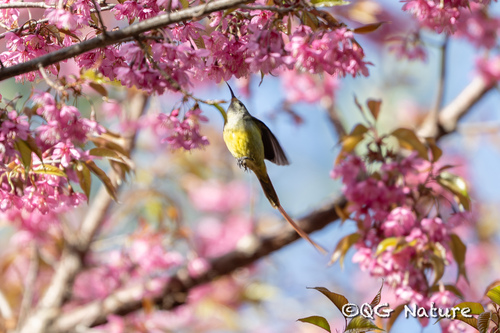 Fire-tailed Sunbird
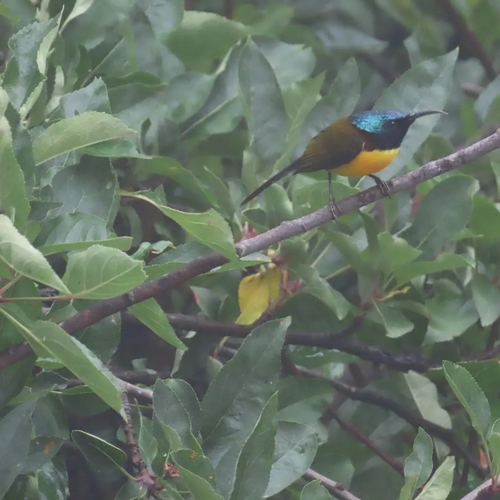 Green-tailed Sunbird
In breve
Il segno distintivo più affidabile tra Fire-tailed Sunbird e Green-tailed Sunbird è la coda: il maschio adulto di Fire-tailed Sunbird in abito nuziale mostra una lunga coda scarlatta brillante, mentre i maschi di Green-tailed Sunbird hanno una coda più corta e verdastra. Le femmine sono più difficili da distinguere, ma le femmine di Fire-tailed Sunbird hanno una coda più quadrata priva di punte bianche e mostrano un becco più dritto e più giallo-oliva sul dorso. Entrambe le specie si sovrappongono nelle foreste montane himalayane e del sud-est asiatico, quindi prestare attenzione alla forma della coda, al becco e al piumaggio sottile è essenziale, specialmente al di fuori della stagione riproduttiva o con femmine e immaturi. Le differenze strutturali e della coda sono gli indizi più sicuri quando gli uccelli non sono in pieno piumaggio di maschio adulto.
Consigli di identificazione
- Tail length and color (adult males): I maschi di Fire-tailed Sunbird in abito nuziale hanno una lunga coda scarlatta brillante, che è il segno distintivo più evidente. I maschi di Green-tailed Sunbird hanno una coda più corta e verdastra.
- Tail shape and markings (females): La femmina di Fire-tailed Sunbird ha una coda più quadrata priva di punte bianche, con una traccia di arancione bruno sui lati. Le femmine di Green-tailed Sunbird mostrano spesso una coda più arrotondata con punte bianche.
- Bill shape: Le femmine di Fire-tailed Sunbird hanno un becco visibilmente più dritto rispetto al becco leggermente più ricurvo delle femmine di Green-tailed Sunbird. Questo è sottile ma può aiutare con osservazioni ravvicinate.
- Rump color (females): Le femmine di Fire-tailed Sunbird mostrano più giallo-oliva sul dorso, che è meno marcato nelle femmine di Green-tailed Sunbird.
- Scarlet uppertail coverts (eclipse/immature males): I maschi di Fire-tailed Sunbird in fase di eclipse (non riproduttivi) mostrano copritrici della coda scarlatte e lati scarlatti della coda, anche quando non sono in pieno piumaggio nuziale. Gli immaturi di Green-tailed Sunbird mancano di queste caratteristiche.
- Nape and mantle color (adult males): I maschi di Fire-tailed Sunbird hanno una nuca e un mantello scarlatti, mentre i maschi di Green-tailed Sunbird non lo hanno.
- Breast and belly color: I maschi di Fire-tailed Sunbird hanno un petto giallo-arancione e un ventre verde-oliva; i maschi di Green-tailed Sunbird hanno un dorso giallo e mancano delle tonalità arancioni.
- Overall size: I maschi di Fire-tailed Sunbird appaiono più lunghi a causa della coda, ma questo è meno affidabile per le femmine e gli immaturi.
- Habitat context: Se visti in foreste di conifere ad alta quota durante la stagione riproduttiva, è più probabile che si tratti di Fire-tailed Sunbird, ma entrambe le specie si sovrappongono ampiamente nell'habitat.
- Flight jizz: I maschi di Fire-tailed Sunbird in volo mostrano una lunga coda fluttuante; il Green-tailed Sunbird appare più compatto.
- Perched posture: La lunga coda dei maschi di Fire-tailed Sunbird spesso pende o si estende ben oltre le punte delle ali quando sono posati, a differenza del Green-tailed Sunbird.
- Seasonal movement: Entrambe le specie scendono a quote più basse in inverno, quindi l'altitudine non è un separatore affidabile al di fuori della stagione riproduttiva.
- No distinctive upperwing pattern: Nessuna delle due specie mostra un modello unico di ala superiore giovanile o immaturo nelle fonti, quindi concentrati sulla coda e sul dorso.
- Voice: Non descritto nelle fonti, quindi non fare affidamento sulle vocalizzazioni per la separazione.
- When in doubt: Se l'uccello manca di una lunga coda scarlatta e non è un ovvio maschio adulto, cerca la forma della coda, la rettitudine del becco e il colore del dorso nelle femmine e negli immaturi. Usa una combinazione di questi segni sottili per i migliori risultati.
Taglia
Il maschio adulto di Fire-tailed Sunbird è visibilmente più lungo del Green-tailed Sunbird a causa della sua coda allungata, raggiungendo circa 15 cm compresa la coda, mentre le femmine sono circa due terzi di quella lunghezza. Il Green-tailed Sunbird è generalmente più piccolo nel complesso, con una coda proporzionalmente più corta in entrambi i sessi. Sul campo, la lunga coda fluttuante del Fire-tailed sui maschi è evidente, ma la differenza di dimensione è meno affidabile per le femmine o gli immaturi a meno che non siano visti fianco a fianco.
Piumaggio
- Adult males in breeding plumage: I maschi di Fire-tailed Sunbird hanno una nuca e un mantello scarlatti, un petto giallo-arancione, un ventre verde-oliva e una lunga coda scarlatta brillante. I maschi di Green-tailed Sunbird mancano della coda scarlatta, mostrando invece una coda verdastra e un dorso giallo, senza scarlatto sulla nuca o sul mantello.
- Females: Le femmine di Fire-tailed Sunbird hanno una testa e una gola grigio-oliva, un ventre giallo e una coda più quadrata senza punte bianche e una traccia di arancione bruno sui lati, oltre a un becco più dritto e più giallo-oliva sul dorso. Le femmine di Green-tailed Sunbird hanno una coda più arrotondata, spesso con punte bianche, e meno giallo-oliva sul dorso.
- Eclipse/immature males: I maschi di Fire-tailed Sunbird in fase di eclipse assomigliano alle femmine ma mostrano ventri gialli più brillanti, copritrici della coda scarlatte e lati scarlatti della coda. Gli immaturi di Green-tailed Sunbird non mostrano queste tonalità scarlatte.
- Juvenile/first-winter/immature upperwing: Nessun modello distintivo di ala superiore è descritto per entrambe le specie nelle fonti, quindi il colore della coda e del dorso rimane il miglior indizio per i maschi non adulti.
Comportamento
Entrambe le specie sono attive, si nutrono di nettare e insetti, e spesso vengono viste muoversi rapidamente tra fiori e fogliame. Il Fire-tailed Sunbird può apparire più sorprendente in volo a causa della lunga coda scarlatta fluttuante dei maschi adulti. Entrambi scendono a quote più basse in inverno, ma il comportamento è altrimenti simile e non è un forte separatore.
Habitat
Entrambe le specie occupano foreste montane temperate e subtropicali o tropicali umide nelle Himalaya e nel sud-est asiatico adiacente. Il Fire-tailed Sunbird è più strettamente associato a foreste di conifere a quote più elevate (fino a 4.000 metri), specialmente durante la riproduzione, e trascorre l'inverno in foreste a foglia larga. Il Green-tailed Sunbird si trova anche in boschi montani aperti con alberi muschiosi, specialmente nel sud-est del Sichuan e nello Yunnan, da 1.825 a 3.350 metri. L'overlap dell'habitat è esteso, quindi il contesto da solo è raramente diagnostico.
Fire-tailed Sunbird · Green-tailed Sunbird · I miei uccelli difficili