

Motmot

アカガタホウオウ 対 ハシブトハタオリ

Euplectes axillaris 対 Amblyospiza albifrons

アカガタホウオウとハシブトハタオリのクイズ
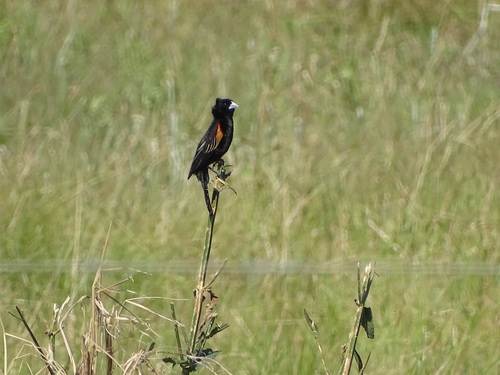
アカガタホウオウ (Euplectes axillaris) アカガタホウオウ
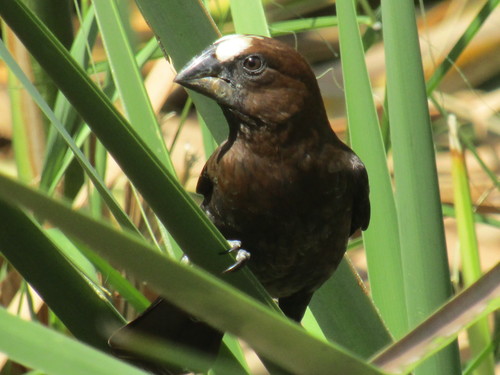
ハシブトハタオリ (Amblyospiza albifrons) ハシブトハタオリ

メディア

読み込み中…

要点

アカガタホウオウとハシブトハタオリの最も信頼できるフィールドマークはくちばしです:ハシブトハタオリは非常に厚く、重い円錐形のくちばしを持っているのに対し、アカガタホウオウのくちばしはより細く、未亡人鳥に典型的です。さらに、ハシブトハタオリは習慣的に尾を扇いだり、ひらひらさせたりし、しばしば葦原の中または近くで見られますが、アカガタホウオウは開けた草地や湿地帯により適しています。両種は湿地に見られますが、構造、行動、特にくちばしの形がフィールドでそれらを区別する最も早い方法です。繁殖期のオス以外では羽毛の違いはあまり目立たないため、未成熟または非繁殖の鳥にとっては構造と行動が重要です。

識別のコツ

  1. くちばしの形は最も早いフィールドマーク:ハシブトハタオリは巨大で厚い円錐形のくちばしを持ち(ハシブトのように)、アカガタホウオウは未亡人鳥に典型的な細く尖ったくちばしを持っています。これはすべての年齢と性別で信頼できます。
  2. 尾の行動:ハシブトハタオリは頻繁に尾を扇いだり、ひらひらさせたりする独特の行動特性を持っています。アカガタホウオウはこの行動を示しません。
  3. 体の構造:ハシブトハタオリはずんぐりして頭が重いのに対し、アカガタホウオウはより細く、細長いです。この違いは止まっている時も飛んでいる時も見られます。
  4. 羽毛(成鳥のオス):アカガタホウオウは繁殖羽毛で肩に微妙な赤い斑点を示すことがありますが、これは常に明らかではありません。ハシブトハタオリのオスは白い額を持っていますが、その他には明るい斑点がありません。
  5. 羽毛(雌と未成熟):両種はより鈍く、均一です;羽毛は診断的ではないため、くちばしの形と構造に依存してください。
  6. 翼のパターン:どちらの種も飛行中に強い年齢特有の上翼のコントラストやパネルを示さないため、区別のために翼のパターンに依存しないでください。
  7. 生息地:アカガタホウオウは開けた草地や湿地帯に最も多く見られ、ハシブトハタオリは特に巣作りのために葦原や湿地に強く結びついています。
  8. 巣の種類(観察された場合):ハシブトハタオリは葦の間に吊るされた球形の巣を作り、入口は上部近くの側にあります。アカガタホウオウはこのタイプの巣を作りません。
  9. 歌:もし聞こえた場合、ハシブトハタオリの歌は粗く、音楽的ではありません。アカガタホウオウの声は音符の中であまり特徴的ではありません。
  10. 採餌行動:ハシブトハタオリは強いくちばしを使って種子や果実を割り、しばしばくちばしで食べ物を操作しているのが見られます。アカガタホウオウは典型的なハタオリのように、草から種子を採取します。
  11. 社会構造:両種はコロニーを形成することがありますが、ハシブトハタオリのコロニーはしばしば密集した葦原にあり、時には100以上の巣があります。アカガタホウオウは社交的ですが、開けた生息地ではより分散しています。
  12. 飛行中の印象:アカガタホウオウは飛行中により細長く優雅に見えることがありますが、ハシブトハタオリはよりずんぐりして流線型ではありません。
  13. 季節的文脈:繁殖期には、アカガタホウオウのオスは草地の上でのディスプレイフライトでより目立つことがありますが、ハシブトハタオリの活動は葦原の周りに集中しています。
  14. 落とし穴:非繁殖のオス、雌、未成熟の両種は混乱を招くほど地味です;まずくちばしの大きさと形を確認してください。
  15. 地域の豊富さ:両種は適切な生息地で地域的に普通であることがありますが、アカガタホウオウは開けた草地でより見られる可能性が高く、ハシブトハタオリは葦原や湿地により制限されています。

大きさ

アカガタホウオウは体重が約25.75gで、これは小型から中型のハタオリの範囲内です。ハシブトハタオリの直接的な体重は示されていませんが、その頑丈な体型と特に巨大なくちばしは、より細いアカガタホウオウよりもずんぐりした印象を与えます。フィールドでは、ハシブトハタオリはずんぐりして頭が重いように見え、アカガタホウオウはより細く、細長く見えます。

羽色

利用可能なメモには、どちらの種についても詳細な年齢特有の翼や飛行パターンのマークは記載されていません。繁殖羽毛の成鳥オスのアカガタホウオウは肩に赤い斑点を示すことがあります(したがって別名「赤肩の未亡人鳥」と呼ばれます)が、これは常に見えるわけではなく、他の未亡人鳥よりも目立たないです。ハシブトハタオリには赤や明るい羽毛の斑点はなく、彼らの色合いはより均一で、オスの白い額が最も目を引く特徴です。両種は、情報源によると、未熟な個体や幼鳥において強い翼パネルや対照的な上翼パターンを欠いています。したがって、すべての年齢と性別において、羽毛は構造や行動よりも診断的ではありませんが、成鳥のオスのアカガタホウオウは翼に微妙な赤を示すことがあります。

行動

ハシブトハタオリは尾を扇いだり、ひらひらさせたりする習慣で知られており、これは独特の行動的手がかりです。彼らはまた、強力なくちばしで種子を操作しているのがよく見られます。アカガタホウオウはこの尾を扇ぐ行動を示さず、草の中で採餌したり、飛行中にディスプレイしたりするのがより一般的です。ハシブトハタオリはしばしば葦原でコロニーを作り、独特の球形の巣を葦の間に吊るします。アカガタホウオウも社交的ですが、開けた草地や湿地帯により関連しており、同じタイプの巣を作りません。

生息環境

両種は湿地に関連していますが、好みは異なります。アカガタホウオウは草地や湿地帯で最も多く見られ、高い草やセジのある開けた場所を好みます。ハシブトハタオリは特に巣作りのために密集した葦のある湿地や沼地を好みます。繁殖期以外では、ハシブトハタオリは森林の端や郊外の湿地でも見られることがありますが、アカガタホウオウは開けた草地や湿地により結びついています。

声

ハシブトハタオリの歌は音楽的ではなく粗いと説明されており、これはより典型的なハタオリや未亡人鳥の鳴き声と区別するのに役立つかもしれませんが、アカガタホウオウの声についての具体的な説明はメモには記載されていません。実際には、ハシブトハタオリの歌の粗く音楽的でない特質が注目されない限り、鳴き声は限られた使い道しかないかもしれません。

より良い説明を送る

比較と同じ項目を使ってください。文章はすぐに公開されます。

The most reliable field mark between Fan-tailed Widowbird and Grosbeak Weaver is the bill: the Grosbeak Weaver has a very thick, heavy, conical bill, while the Fan-tailed Widowbird’s bill is more slender and typical of widowbirds. In addition, the Grosbeak Weaver habitually fans and flicks its tail, and is often seen in or near reedbeds, whereas the Fan-tailed Widowbird is more at home in open grassy or swampy areas. Both species can be found in wetlands, but their structure, behavior, and especially bill shape are the quickest ways to separate them in the field. Plumage differences are less pronounced outside of breeding males, so structure and behavior are key for immature or non-breeding birds.

  1. Bill shape is the fastest field mark: Grosbeak Weaver has a massive, thick, conical bill (like a grosbeak), while Fan-tailed Widowbird has a slimmer, more pointed bill typical of widowbirds. This is reliable at all ages and sexes.
  2. Tail behavior: Grosbeak Weaver frequently fans and flicks its tail, a unique behavioral trait. Fan-tailed Widowbird does not show this behavior.
  3. Body structure: Grosbeak Weaver is stockier and heavier-headed, while Fan-tailed Widowbird is more slender and elongated. This difference is visible both perched and in flight.
  4. Plumage (adult males): Fan-tailed Widowbird may show a subtle red patch on the shoulder (wing coverts) in breeding plumage, but this is not always obvious. Grosbeak Weaver males have a white forehead but otherwise lack bright patches.
  5. Plumage (females and immatures): Both species are duller and more uniform; rely on bill shape and structure, as plumage is not diagnostic.
  6. Wing pattern: Neither species shows strong age-specific upperwing contrasts or panels in flight, so do not rely on wing pattern for separation.
  7. Habitat: Fan-tailed Widowbird is most often in open grassy or swampy areas, while Grosbeak Weaver is strongly tied to reedbeds and marshes, especially for nesting.
  8. Nest type (if observed): Grosbeak Weaver builds a globe-shaped nest suspended between reeds, with the entrance near the top and to the side. Fan-tailed Widowbird does not build this type of nest.
  9. Song: If heard, Grosbeak Weaver’s song is harsh and unmusical. Fan-tailed Widowbird’s vocalizations are less distinctive in the notes.
  10. Feeding behavior: Grosbeak Weaver uses its strong bill to crack seeds and drupes, often seen manipulating food with its bill. Fan-tailed Widowbird feeds more like a typical weaver, gleaning seeds from grasses.
  11. Social structure: Both can be colonial, but Grosbeak Weaver colonies are often in dense reedbeds, sometimes with over 100 nests. Fan-tailed Widowbird is social but more dispersed in open habitats.
  12. Jizz in flight: Fan-tailed Widowbird may appear more elongated and graceful in flight, while Grosbeak Weaver looks bulkier and less streamlined.
  13. Seasonal context: During the breeding season, Fan-tailed Widowbird males may be more obvious in display flights over grassland, while Grosbeak Weaver activity is concentrated around reedbeds.
  14. Pitfalls: Non-breeding males, females, and immatures of both species can be confusingly plain; always check bill size and shape first.
  15. Local abundance: Both species can be locally common in the right habitat, but Fan-tailed Widowbird is more likely in open grassland, while Grosbeak Weaver is more restricted to reedbeds and marshes.

Fan-tailed Widowbird averages about 25.75g in body mass [wikidata], which is within the range of small to medium weavers. No direct mass is given for Grosbeak Weaver, but its robust build and especially its massive bill give it a bulkier impression than the more slender Fan-tailed Widowbird. In the field, Grosbeak Weaver appears stockier and heavier-headed, while Fan-tailed Widowbird looks slimmer and more elongated.

No detailed age-specific wing or flight pattern marks are described for either species in the available notes. Adult male Fan-tailed Widowbirds in breeding plumage may show some red on the shoulder (hence the alternate name 'red-shouldered widowbird'), but this is not always visible and is less pronounced than in some other widowbirds. Grosbeak Weavers do not have any red or bright plumage patches; their coloration is more uniform, and their most striking feature is the white forehead in males. Both species lack strong wing panels or contrasting upperwing patterns in juveniles or immatures according to the sources. Thus, for all ages and sexes, plumage is less diagnostic than structure and behavior, though adult male Fan-tailed Widowbirds may show subtle red on the wing.

Grosbeak Weavers are notable for their habit of fanning and flicking their tails, which is a distinctive behavioral cue. They are also often seen manipulating seeds with their powerful bills. Fan-tailed Widowbirds do not display this tail-fanning behavior and are more likely to be seen foraging in grasses or displaying in flight. Grosbeak Weavers often nest in colonies in reedbeds, with their unique globe-shaped nests suspended between reeds. Fan-tailed Widowbirds are also social but are more associated with open grassy or swampy habitats and do not build the same type of nest.

Both species are associated with wetlands, but with different preferences. Fan-tailed Widowbird is most often found in grassy and swampy areas, preferring open spaces with tall grass or sedges. Grosbeak Weaver favors reedy wetlands and marshes, especially where there are dense stands of reeds for nesting. Outside the breeding season, Grosbeak Weaver may also be found at forest edges and even in suburban wetlands, while Fan-tailed Widowbird remains more tied to open grassland and marsh.

Grosbeak Weaver’s song is described as unmusical and harsh, which may help distinguish it from the more typical weaver or widowbird calls, though no specific description is given for Fan-tailed Widowbird’s voice in the notes. In practice, vocalizations may be of limited use unless the harsh, unmusical quality of the Grosbeak Weaver’s song is noted.

変更を破棄しますか?

保存していない編集があります。今離れると失われます。

アカガタホウオウ · ハシブトハタオリ · 苦手な鳥