

Fan-tailed Widowbird vs Grosbeak Weaver
Euplectes axillaris contro Amblyospiza albifrons
Fai un quiz con Fan-tailed Widowbird e Grosbeak Weaver
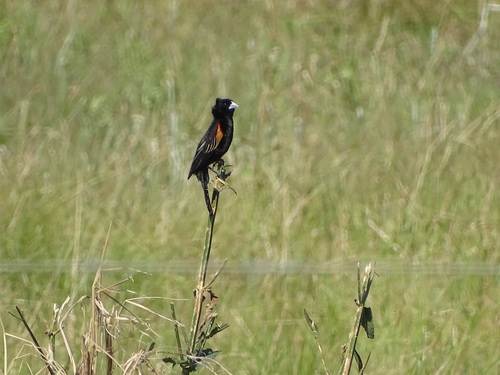 Fan-tailed Widowbird
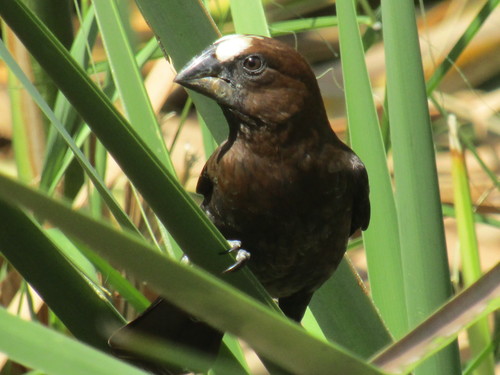 Grosbeak Weaver
In breve
Il segno distintivo più affidabile tra il Fan-tailed Widowbird e il Grosbeak Weaver è il becco: il Grosbeak Weaver ha un becco molto spesso, pesante e conico, mentre il becco del Fan-tailed Widowbird è più snello e tipico dei vedovi. Inoltre, il Grosbeak Weaver abitualmente apre e muove la coda, ed è spesso visto in o vicino a canneti, mentre il Fan-tailed Widowbird si trova più a suo agio in aree erbose aperte o paludose. Entrambe le specie possono essere trovate in zone umide, ma la loro struttura, comportamento e soprattutto la forma del becco sono i modi più rapidi per distinguerle sul campo. Le differenze nel piumaggio sono meno pronunciate al di fuori dei maschi in riproduzione, quindi la struttura e il comportamento sono fondamentali per gli uccelli immaturi o non in riproduzione.
Consigli di identificazione
- La forma del becco è il segno distintivo più veloce: il Grosbeak Weaver ha un becco massiccio, spesso e conico (come un grosbeak), mentre il Fan-tailed Widowbird ha un becco più snello e appuntito tipico dei vedovi. Questo è affidabile in tutte le età e sessi.
- Comportamento della coda: il Grosbeak Weaver apre e muove frequentemente la coda, un tratto comportamentale unico. Il Fan-tailed Widowbird non mostra questo comportamento.
- Struttura del corpo: il Grosbeak Weaver è più robusto e con una testa più pesante, mentre il Fan-tailed Widowbird è più snello ed allungato. Questa differenza è visibile sia in posizione per lo più che in volo.
- Piumaggio (maschi adulti): il Fan-tailed Widowbird può mostrare una sottile macchia rossa sulla spalla (copritrici alari) nel piumaggio di riproduzione, ma questo non è sempre ovvio. I maschi del Grosbeak Weaver hanno una fronte bianca ma altrimenti mancano di macchie brillanti.
- Piumaggio (femmine e immaturi): entrambe le specie sono più opache e più uniformi; fare affidamento sulla forma e struttura del becco, poiché il piumaggio non è diagnostico.
- Schema alare: nessuna delle due specie mostra forti contrasti o pannelli specifici per età nelle ali in volo, quindi non fare affidamento sullo schema alare per la separazione.
- Habitat: il Fan-tailed Widowbird si trova più spesso in aree erbose aperte o paludose, mentre il Grosbeak Weaver è fortemente legato ai canneti e alle paludi, specialmente per la nidificazione.
- Tipo di nido (se osservato): il Grosbeak Weaver costruisce un nido a forma di globo sospeso tra le canne, con l'ingresso vicino alla parte superiore e di lato. Il Fan-tailed Widowbird non costruisce questo tipo di nido.
- Canto: se udito, il canto del Grosbeak Weaver è aspro e non musicale. Le vocalizzazioni del Fan-tailed Widowbird sono meno distintive nelle note.
- Comportamento alimentare: il Grosbeak Weaver usa il suo forte becco per rompere semi e drupe, spesso visto mentre manipola il cibo con il suo becco. Il Fan-tailed Widowbird si nutre più come un tipico tessitore, raccogliendo semi dall'erba.
- Struttura sociale: entrambe possono essere coloniali, ma le colonie del Grosbeak Weaver sono spesso in canneti densi, a volte con oltre 100 nidi. Il Fan-tailed Widowbird è sociale ma più disperso in habitat aperti.
- Aspetto in volo: il Fan-tailed Widowbird può apparire più allungato e aggraziato in volo, mentre il Grosbeak Weaver appare più massiccio e meno aerodinamico.
- Contesto stagionale: durante la stagione di riproduzione, i maschi del Fan-tailed Widowbird possono essere più evidenti nei voli di esibizione sopra i prati, mentre l'attività del Grosbeak Weaver è concentrata attorno ai canneti.
- Trappole: i maschi non in riproduzione, le femmine e gli immaturi di entrambe le specie possono essere confusamente semplici; controllare sempre prima la dimensione e la forma del becco.
- Abbondanza locale: entrambe le specie possono essere comuni localmente nell'habitat giusto, ma il Fan-tailed Widowbird è più probabile in prati aperti, mentre il Grosbeak Weaver è più ristretto a canneti e paludi.
Taglia
Il Fan-tailed Widowbird pesa in media circa 25,75 g [wikidata], che è all'interno dell'intervallo dei tessitori piccoli e medi. Non è fornito un peso diretto per il Grosbeak Weaver, ma la sua struttura robusta e soprattutto il suo becco massiccio gli conferiscono un'impressione più massiccia rispetto al più snello Fan-tailed Widowbird. Sul campo, il Grosbeak Weaver appare più robusto e con una testa più pesante, mentre il Fan-tailed Widowbird appare più snello e allungato.
Piumaggio
Non sono descritti segni specifici per età o schemi di volo dettagliati per nessuna delle due specie nelle note disponibili. I maschi adulti del Fan-tailed Widowbird in piumaggio di riproduzione possono mostrare un po' di rosso sulla spalla (da cui il nome alternativo 'vedovo con spalla rossa'), ma questo non è sempre visibile ed è meno pronunciato rispetto ad alcuni altri vedovi. I Grosbeak Weaver non hanno macchie rosse o brillanti nel piumaggio; la loro colorazione è più uniforme e la loro caratteristica più sorprendente è la fronte bianca nei maschi. Entrambe le specie mancano di forti pannelli alari o schemi contrastanti nelle ali nei giovani o immaturi secondo le fonti. Pertanto, per tutte le età e sessi, il piumaggio è meno diagnostico rispetto alla struttura e al comportamento, anche se i maschi adulti del Fan-tailed Widowbird possono mostrare un sottile rosso sull'ala.
Comportamento
I Grosbeak Weaver sono noti per la loro abitudine di aprire e muovere le code, che è un segnale comportamentale distintivo. Sono anche spesso visti mentre manipolano semi con i loro potenti becchi. I Fan-tailed Widowbird non mostrano questo comportamento di apertura della coda e sono più propensi a essere visti mentre cercano cibo tra l'erba o si esibiscono in volo. I Grosbeak Weaver spesso nidificano in colonie nei canneti, con i loro unici nidi a forma di globo sospesi tra le canne. I Fan-tailed Widowbird sono anche sociali ma sono più associati a habitat erbosi aperti o paludosi e non costruiscono lo stesso tipo di nido.
Habitat
Entrambe le specie sono associate a zone umide, ma con preferenze diverse. Il Fan-tailed Widowbird si trova più spesso in aree erbose e paludose, preferendo spazi aperti con erba alta o giunchi. Il Grosbeak Weaver favorisce le zone umide con canne e le paludi, specialmente dove ci sono densi gruppi di canne per la nidificazione. Al di fuori della stagione di riproduzione, il Grosbeak Weaver può essere trovato anche ai margini delle foreste e persino in zone umide suburbane, mentre il Fan-tailed Widowbird rimane più legato a prati aperti e paludi.
Voce
Il canto del Grosbeak Weaver è descritto come non musicale e aspro, il che può aiutare a distinguerlo dai richiami più tipici dei tessitori o dei vedovi, anche se non è fornita una descrizione specifica della voce del Fan-tailed Widowbird nelle note. In pratica, le vocalizzazioni possono essere di limitato aiuto a meno che non venga notata la qualità aspra e non musicale del canto del Grosbeak Weaver.
Fan-tailed Widowbird · Grosbeak Weaver · I miei uccelli difficili