

Motmot

ヨーロッパコマドリ 対 ニシオジロビタキ

Erithacus rubecula 対 Ficedula parva

ヨーロッパコマドリとニシオジロビタキのクイズ
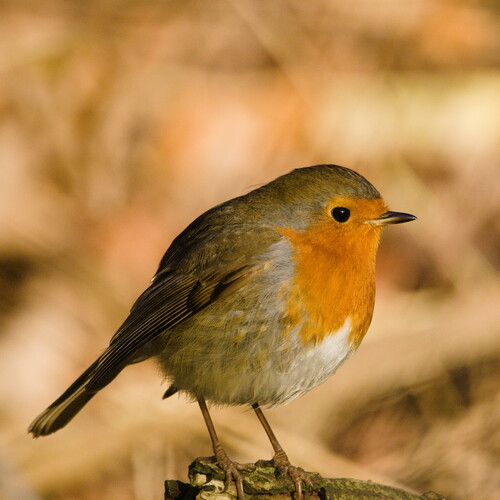
ヨーロッパコマドリ (Erithacus rubecula) ヨーロッパコマドリ
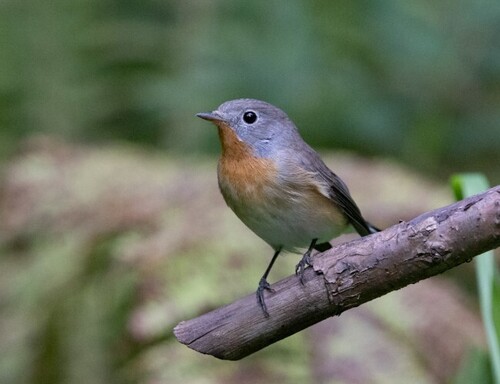
ニシオジロビタキ (Ficedula parva) ニシオジロビタキ

メディア

読み込み中…

要点

ヨーロッパコマドリとニシオジロビタキを区別するための最も信頼できるフィールドマークは、コマドリの広範囲なオレンジレッドの胸と顔であり、これはビタキには見られません。幼鳥のコマドリはオレンジが全くないそばかすのある茶色で、初冬のコマドリは翼の覆羽に黄色がかった茶色の先端を示しますが、これはビタキの羽毛には存在しません。ニシオジロビタキのオスは限られたオレンジの喉(全体の胸ではない)、目の周りに目立つ白いアイリング、飛行中または尾を振ったときに見える特徴的な白黒の尾のパターンを持っています。くちばしの形状と尾の動作も異なります:コマドリは細くて真っ直ぐなくちばしと丸い尾を持ち、ビタキは基部が広いくちばしを示し、しばしば黒と白の尾を振ります。どちらも小さく、背中が茶色の鳥ですが、胸の色、アイリング、尾のパターンに注意を払うことで、ほとんどの混乱を解決できます。

識別のコツ

  1. オレンジの胸とオレンジの喉: コマドリは常に完全なオレンジレッドの胸と顔を示します(成鳥/初冬)、一方でニシオジロビタキのオスはオレンジの喉の斑点しか持たず(決して全体の胸ではない)、雌や幼鳥はオレンジが全くありません。
  2. 幼鳥コマドリのユニークさ: 幼鳥のコマドリはオレンジが全くないそばかすのある茶色で、どのビタキとも一致しません。オレンジがないまだらの茶色の鳥を見たら、それは若いコマドリです。
  3. 初冬のコマドリの翼の覆羽: 初冬のコマドリは翼の覆羽に黄色がかった茶色の先端を持ち、これはビタキにはない微妙だが診断的なマークです。
  4. 白いアイリング: すべてのニシオジロビタキ(雌や幼鳥を含む)は強い白いアイリングを持ち、コマドリにはありません。
  5. 尾のパターン: ビタキは外側の羽の基部が白い黒い尾を持ち、尾を振ったり飛行中に見えることがあります。コマドリの尾は単純な茶色で白はありません。
  6. くちばしの形: コマドリは細くて真っ直ぐなくちばしを持ち、ビタキは基部が広く尖ったくちばしを持ち、淡いピンク色の基部があります(特に良い光の下で明らかです)。
  7. 頭の色: 成熟したオスのビタキは灰色の頭を持ち、コマドリは茶色の上面とオレンジの顔を持ち、灰色ではありません。
  8. 腹部: コマドリは白っぽい腹を持ちますが、オレンジは胸の下まで広がります。ビタキは下部が白で、喉(オス)以外にオレンジはありません。
  9. 性別/年齢の落とし穴: 雌や幼鳥のビタキは喉や胸にオレンジがなく、上面が茶色で下面が白、白いアイリングを持ち、どのコマドリの羽毛とも一致しません。
  10. 行動: ビタキの尾を振ったり、コマドリのより地面に基づいた跳ねる採餌スタイルと対比して観察してください。
  11. 姿勢: コマドリは丸くて直立しており、ビタキはスリムで、しばしばより水平で、より繊細に止まります。
  12. 生息地/範囲: 西ヨーロッパの庭や都市公園では、コマドリが圧倒的に多く見られますが、ビタキのピーク移動中は別です。成熟した森林や移動中は、ビタキの特徴を確認してください。
  13. 鳴き声: 歌っている場合、コマドリの歌はより豊かでメロディックです。ビタキの歌は甘く、繰り返しの口笛ですが、これは春の短い期間だけ聞かれます。
  14. サイズ: コマドリはわずかに大きく、並んでいない限り診断的ではありませんが、わずかに大きくてずんぐりした印象を与え、ビタキはより繊細でスリムに見えます。
  15. 飛行: 飛行中、ビタキは白い尾の基部を示し、より敏捷に見えることがありますが、コマドリはより丸く、より直接的に見えます。

大きさ

ヨーロッパコマドリはわずかに大きく、体長12.5〜14.0 cm、翼幅20〜22 cm、体重16〜22 gです [wikipedia]。ニシオジロビタキは体長11〜12 cmで、より小型です [wikipedia]。フィールドでは、このサイズの違いは微妙で、姿勢によって隠されることが多いですが、コマドリはわずかにずんぐりして丸く見えることがあり、ビタキはより繊細でスリムに見えます。

羽色

行動

ニシオジロビタキはしばしば尾を上に振り、止まっているときに翼の先端を下に保ち、特に採餌中や興奮しているときにそうします。彼らはしばしば止まり木から昆虫を捕まえに飛び出し、時には短時間ホバリングします。コマドリは地面を跳ねることが多く、獲物を探すために頭を傾け、同じように尾を振ることはほとんどありません。飛行中、コマドリは丸くて直接的に見え、ビタキは特に昆虫を追いかけるときにより敏捷で細長く見えることがあります。

生息環境

ヨーロッパコマドリは多様性があり、ほとんどのヨーロッパの公園、庭、森林、さらには都市部など、さまざまな生息地で見られます。ニシオジロビタキは東ヨーロッパと中央アジアの成熟した、しばしば湿った落葉樹または混合林で繁殖し、西ヨーロッパでは通過移動者として見られ、通常は森林や低木のある地域に生息します。イギリス諸島と西ヨーロッパでは、コマドリは圧倒的に一般的で、ほとんどの生息地で見られますが、ビタキのピーク移動中は別です。

声

コマドリは豊かでメロディックな歌と鋭い「ティック」という呼び声を持っていますが、これらは詳細には説明されていません。ニシオジロビタキのオスは、下降するシーケンスを持つ甘く繰り返しの口笛を歌い、しばしば静かな「ズィット」という音に続きますが、これは春の数週間だけ聞かれます。冬や移動中、ビタキはほとんど静かで、短い「ズリッ」という音だけを発します。歌は繁殖期以外では信頼できる区別にはなりませんが、ビタキの歌はコマドリの歌よりもメロディックでなく、より繰り返しのものです。

より良い説明を送る

比較と同じ項目を使ってください。文章はすぐに公開されます。

The most reliable field mark for separating European Robin from Red-breasted Flycatcher is the robin's extensive orange-red breast and face, which is never matched by the flycatcher. Juvenile robins are freckled brown without any orange, while first-winter robins show yellow-brown tips to the wing coverts, a feature not present in any flycatcher plumage. Red-breasted Flycatcher males have a limited orange throat (not full breast), a prominent white eyering, and a distinctive black-and-white tail pattern visible in flight or when flicked. Bill shape and tail behavior also differ: robins have a fine, straight bill and a rounded tail, while flycatchers show a broader-based bill and often flick their black-and-white tail. Both are small, brown-backed birds, but careful attention to breast color, eyering, and tail pattern will resolve nearly all confusion.

  1. Orange Breast vs. Orange Throat: Robins always show a full orange-red breast and face (adults/first-winters), while Red-breasted Flycatcher males have only an orange throat patch (never the whole breast), and females/immatures lack orange entirely.
  2. Juvenile Robin Unique: Juvenile robins are freckled brown with no orange—never matched by any flycatcher. If you see a mottled brown bird with no orange, it's a young robin.
  3. First-winter Robin Wing Coverts: First-winter robins have yellow-brown tips to the wing coverts, a subtle but diagnostic mark absent in flycatchers.
  4. White Eyering: All Red-breasted Flycatchers (including females and immatures) have a strong white eyering, which robins lack.
  5. Tail Pattern: Flycatchers have a black tail with white bases to the outer feathers, visible when flicked or in flight. Robin's tail is plain brown with no white.
  6. Bill Shape: Robins have a fine, straight bill; flycatchers have a broader-based, pointed bill with a pale pinkish base (especially obvious in good light).
  7. Head Color: Adult male flycatchers have a grey head; robins have brown upperparts and a face that is orange, not grey.
  8. Underparts: Robins have a whitish belly, but the orange extends well down the breast. Flycatchers are white below with no orange except on the throat (males).
  9. Sex/Age Pitfalls: Female and immature flycatchers lack any orange on the throat or breast, appearing brown above and white below with a white eyering—never matched by any robin plumage.
  10. Behavior: Watch for tail-flicking and sallying in flycatchers versus the robin's more ground-based, hopping foraging style.
  11. Posture: Robins are round and upright; flycatchers are slimmer, often more horizontal, and perch more delicately.
  12. Habitat/Range: In gardens and urban parks in western Europe, robin is vastly more likely except during peak flycatcher migration. In mature forest or during migration, check for flycatcher features.
  13. Vocalization: If singing, robin's song is richer and more melodious; flycatcher's is a sweet, repetitive whistle, but this is only heard for a short period in spring.
  14. Size: Robins are slightly larger and bulkier, but this is rarely diagnostic unless both species are side by side.
  15. Flight: In flight, flycatchers may show the white tail bases and appear more agile, while robins look rounder and more direct.

European Robin is slightly larger, measuring 12.5–14.0 cm in length with a wingspan of 20–22 cm and weighing 16–22 g [wikipedia]. Red-breasted Flycatcher is smaller at 11–12 cm in length [wikipedia]. In the field, this size difference is subtle and often masked by posture, but robins can appear a bit bulkier and rounder, while flycatchers look more delicate and slim.

  • Juvenile/First-winter: Juvenile European Robins are mottled brown with no orange at all, making them quite different from any Red-breasted Flycatcher, which never shows this freckled brown look. First-winter robins resemble adults but have yellow-brown tips to the wing coverts—this subtle feature is absent in flycatchers of any age.
  • Adult/Typical: Adult robins (both sexes) have a bold orange-red breast and face, bordered by bluish-grey on the neck and chest, brown upperparts, and a whitish belly. Red-breasted Flycatcher adult males have only an orange throat (not breast), a grey head, brown upperparts, and white underparts. Females and immatures lack the orange throat entirely, appearing brown above and white below with a strong white eyering.
  • Tail and Eyering: Flycatchers show a black tail with white bases to the outer feathers (often visible when flicked or in flight), and a clear white eyering in all plumages. Robins have a plain brown tail and lack a strong eyering.
  • Bill: Robins have a fine, straight bill; flycatchers have a broader-based, pointed bill with a pale pinkish base.

Red-breasted Flycatchers often flick their tails upward and hold their wingtips down while perched, especially when foraging or agitated. They frequently sally for insects from perches, sometimes hovering briefly. Robins are more likely to hop on the ground, cocking their heads to look for prey, and rarely flick their tails in the same way. In flight, robins look round and direct, while flycatchers can appear more agile and slender, especially when sallying after insects.

European Robins are versatile and can be found in a wide range of habitats, including parks, gardens, woodlands, and even urban areas across most of Europe. Red-breasted Flycatchers breed in mature, often moist deciduous or mixed forests in eastern Europe and Central Asia, and are seen as passage migrants in western Europe, typically in wooded or shrubby areas. In the British Isles and western Europe, robins are far more common and likely in most habitats except during peak flycatcher migration.

Robins have a rich, melodious song and a sharp 'tick' call, but these are not described in detail in the notes. Red-breasted Flycatcher males sing a sweet, repetitive whistle with a descending sequence, often preceded by quiet 'zit' notes, but only for a few weeks in spring. In winter and on migration, flycatchers are mostly silent except for a short, rattling 'zrrrt' call. Song is not a reliable separator outside the breeding season, but the flycatcher's song is less melodious and more repetitive than the robin's.

変更を破棄しますか?

保存していない編集があります。今離れると失われます。

ヨーロッパコマドリ · ニシオジロビタキ · 苦手な鳥