

Pettirosso vs Pigliamosche pettirosso
Erithacus rubecula contro Ficedula parva
Fai un quiz con Pettirosso e Pigliamosche pettirosso
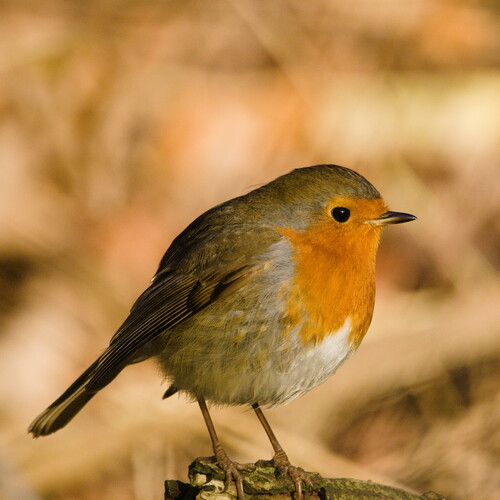 Pettirosso
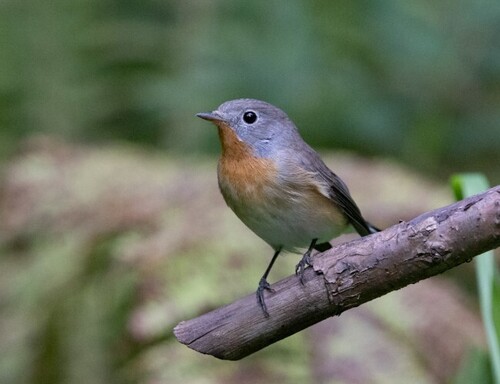 Pigliamosche pettirosso
In breve
Il segno di campo più affidabile per separare il Pettirosso dal Pigliamosche pettirosso è il vasto petto e viso arancio-rossastro del pettirosso, che non ha mai un corrispettivo nel pigliamosche. I pettirossi giovani sono marroni maculati senza alcun arancio, mentre i pettirossi di primo inverno mostrano punte giallo-marroni nelle copritrici alari, una caratteristica assente in qualsiasi piumaggio di pigliamosche. I maschi di Pigliamosche pettirosso hanno una gola arancione limitata (non un petto intero), un anello oculare bianco prominente e un distintivo motivo di coda bianco e nero visibile in volo o quando viene scosso. La forma del becco e il comportamento della coda differiscono anche: i pettirossi hanno un becco fine e dritto e una coda arrotondata, mentre i pigliamosche mostrano un becco più largo e spesso scuotono la loro coda bianco e nera. Entrambi sono uccelli piccoli con dorso marrone, ma un'attenta attenzione al colore del petto, all'anello oculare e al motivo della coda risolverà quasi tutta la confusione.
Consigli di identificazione
- Petto Arancione vs. Gola Arancione: I pettirossi mostrano sempre un petto e viso arancio-rossastro completo (adulti/primo inverno), mentre i maschi di Pigliamosche pettirosso hanno solo una macchia arancione sulla gola (mai l'intero petto), e le femmine/gli immaturi non hanno affatto arancio.
- Giovane Pettirosso Unico: I pettirossi giovani sono marroni maculati senza arancio—mai eguagliati da alcun pigliamosche. Se vedi un uccello marrone maculato senza arancio, è un giovane pettirosso.
- Copritrici Alari del Pettirosso di Primo Inverno: I pettirossi di primo inverno hanno punte giallo-marroni nelle copritrici alari, un segno sottile ma diagnostico assente nei pigliamosche.
- Anello Oculare Bianco: Tutti i Pigliamosche pettirosso (incluse femmine e immaturi) hanno un forte anello oculare bianco, che i pettirossi non hanno.
- Motivo della Coda: I pigliamosche hanno una coda nera con basi bianche sulle piume esterne, visibile quando viene scossa o in volo. La coda del pettirosso è marrone semplice senza bianco.
- Forma del Becco: I pettirossi hanno un becco fine e dritto; i pigliamosche hanno un becco più largo e appuntito con una base rosa chiara (soprattutto evidente in buona luce).
- Colore della Testa: I maschi adulti di pigliamosche hanno una testa grigia; i pettirossi hanno parti superiori marroni e un viso arancione, non grigio.
- Parte Inferiore: I pettirossi hanno un ventre biancastro, ma l'arancio si estende bene giù per il petto. I pigliamosche sono bianchi sotto senza arancio tranne che sulla gola (maschi).
- Trappole di Sesso/Età: Le femmine e i pigliamosche immaturi non hanno alcun arancio sulla gola o sul petto, apparendo marroni sopra e bianchi sotto con un anello oculare bianco—mai eguagliati da alcun piumaggio di pettirosso.
- Comportamento: Fai attenzione al movimento della coda e al comportamento di volo nei pigliamosche rispetto allo stile di foraggiamento più terrestre e saltellante del pettirosso.
- Postura: I pettirossi sono rotondi e eretti; i pigliamosche sono più snelli, spesso più orizzontali, e si posano in modo più delicato.
- Habitat/Distribuzione: Nei giardini e nei parchi urbani dell'Europa occidentale, il pettirosso è di gran lunga più probabile tranne durante il picco della migrazione dei pigliamosche. In foreste mature o durante la migrazione, controlla le caratteristiche del pigliamosche.
- Vocalizzazione: Se cantano, il canto del pettirosso è più ricco e melodioso; quello del pigliamosche è un fischio dolce e ripetitivo, ma questo si sente solo per un breve periodo in primavera.
- Dimensione: I pettirossi sono leggermente più grandi e più robusti, ma questo è raramente diagnostico a meno che entrambe le specie non siano affiancate.
- Volo: In volo, i pigliamosche possono mostrare le basi bianche della coda e apparire più agili, mentre i pettirossi sembrano più rotondi e diretti.
Taglia
Il Pettirosso è leggermente più grande, misurando 12.5–14.0 cm di lunghezza con un'apertura alare di 20–22 cm e pesando 16–22 g [wikipedia]. Il Pigliamosche pettirosso è più piccolo, misurando 11–12 cm di lunghezza [wikipedia]. Sul campo, questa differenza di dimensione è sottile e spesso mascherata dalla postura, ma i pettirossi possono apparire un po' più robusti e rotondi, mentre i pigliamosche sembrano più delicati e snelli.
Piumaggio
- Giovane/Primo Inverno: I giovani Pettirossi sono marroni maculati senza alcun arancio, rendendoli abbastanza diversi da qualsiasi Pigliamosche pettirosso, che non mostra mai questo aspetto marrone maculato. I pettirossi di primo inverno assomigliano agli adulti ma hanno punte giallo-marroni nelle copritrici alari—questa caratteristica sottile è assente nei pigliamosche di qualsiasi età.
- Adulto/Tipico: I pettirossi adulti (entrambi i sessi) hanno un petto e viso arancio-rossastro audaci, bordati di grigio-blu sul collo e sul petto, parti superiori marroni e un ventre biancastro. I maschi adulti di Pigliamosche pettirosso hanno solo una gola arancione (non il petto), una testa grigia, parti superiori marroni e parti inferiori bianche. Le femmine e gli immaturi mancano completamente della gola arancione, apparendo marroni sopra e bianchi sotto con un forte anello oculare bianco.
- Coda e Anello Oculare: I pigliamosche mostrano una coda nera con basi bianche sulle piume esterne (spesso visibili quando vengono scosse o in volo), e un chiaro anello oculare bianco in tutti i piumaggi. I pettirossi hanno una coda marrone semplice e mancano di un forte anello oculare.
- Becco: I pettirossi hanno un becco fine e dritto; i pigliamosche hanno un becco più largo e appuntito con una base rosa chiara.
Comportamento
I Pigliamosche pettirosso spesso scuotono le loro code verso l'alto e tengono le punte delle ali abbassate mentre sono posati, specialmente quando foraggiano o sono agitati. Spesso si lanciano per gli insetti da posatoi, a volte rimanendo sospesi brevemente. I pettirossi sono più propensi a saltellare a terra, inclinando la testa per cercare prede, e raramente scuotono le loro code nello stesso modo. In volo, i pettirossi sembrano rotondi e diretti, mentre i pigliamosche possono apparire più agili e snelli, specialmente quando si lanciano dopo gli insetti.
Habitat
I Pettirossi europei sono versatili e possono essere trovati in una vasta gamma di habitat, inclusi parchi, giardini, boschi e persino aree urbane in gran parte dell'Europa. I Pigliamosche pettirosso nidificano in foreste decidue mature, spesso umide o miste, nell'Europa orientale e in Asia centrale, e sono visti come migratori di passaggio nell'Europa occidentale, tipicamente in aree boschive o cespugliose. Nelle Isole Britanniche e nell'Europa occidentale, i pettirossi sono di gran lunga più comuni e probabili nella maggior parte degli habitat tranne durante il picco della migrazione dei pigliamosche.
Voce
I pettirossi hanno un canto ricco e melodioso e un forte richiamo 'tick', ma questi non sono descritti in dettaglio nelle note. I maschi di Pigliamosche pettirosso cantano un dolce fischio ripetitivo con una sequenza discendente, spesso preceduto da note 'zit' silenziose, ma solo per alcune settimane in primavera. In inverno e durante la migrazione, i pigliamosche sono per lo più silenziosi tranne che per un breve richiamo 'zrrrt' che fa rumore. Il canto non è un separatore affidabile al di fuori della stagione riproduttiva, ma il canto del pigliamosche è meno melodioso e più ripetitivo rispetto a quello del pettirosso.
Pettirosso · Pigliamosche pettirosso · I miei uccelli difficili