

Motmot

ヨーロッパハチクマ 対 オオタカ

Pernis apivorus 対 Astur gentilis

ヨーロッパハチクマとオオタカのクイズ
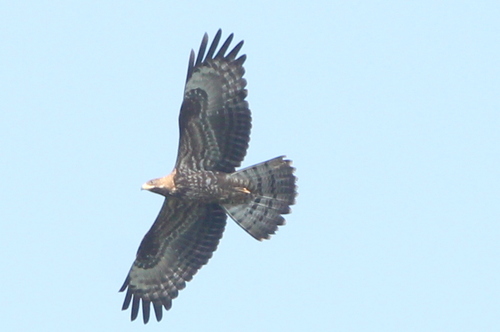
ヨーロッパハチクマ (Pernis apivorus) ヨーロッパハチクマ
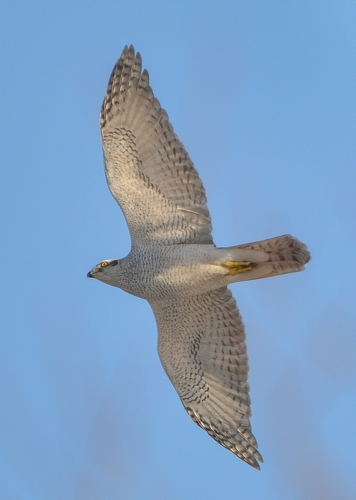
オオタカ (Astur gentilis) オオタカ

メディア

読み込み中…

要点

ヨーロッパハチクマとオオタカの間で最も信頼できるフィールドマークは、全体的な構造と飛行スタイルです:ハチクマは長い首と小さな頭を持ち、長く平らな翼と長い尾を持っているのに対し、オオタカはよりがっしりしており、短く広い翼とより頑丈な体を持っています。幼鳥の羽毛は混乱を招くことがあります。若いハチクマはヨーロッパノスリを模倣しますが、オオタカの幼鳥は下側により重い縞模様があり、異なる尾のパターンを持っています。飛行中、ハチクマは平らな翼で頭を突き出し、時には角ばった胸を持って上昇しますが、オオタカはより深く、より意図的な翼の打撃を示し、典型的な「フラップ・フラップ・グライド」スタイルを持っています。性差はハチクマに見られます(オスは青灰色の頭、メスは茶色)が、オオタカには見られません。まず構造と飛行スタイルを使用し、その後羽毛の詳細、特に未熟な個体について考慮してください。

識別のコツ

  1. Structure in Flight: ハチクマは長い首、小さな頭を持ち、長く平らな翼と長い尾を持っています;オオタカはよりがっしりしており、短く広い翼とより頑丈な体を持っています。これはすべての年齢に対して最も信頼できるフィールドマークです。
  2. Tail Pattern: ハチクマはすべての年齢で2本の狭い暗い尾のバーと広い亜終端バーを示しますが、オオタカは3〜5本の暗い尾のバーを持っています(幼鳥と成鳥の両方)。可能であればバーを数えてください。
  3. Head Shape: ハチクマの頭は小さく、ハトのようで、しばしば前に突き出ています;オオタカの頭は大きく、成鳥には明確な眉斑があります。
  4. Flight Jizz: ハチクマは平らな翼で上昇し、しばしば水平またはわずかに下向きに傾いた初級羽を持ち、直接飛行中に角ばった胸を示すことがあります;オオタカはより深く、遅い翼の打撃を使用し、「フラップ・フラップ・グライド」パターンを持ち、移動中を除いて長時間上昇することはほとんどありません。
  5. Juvenile Underparts: 幼鳥のハチクマは下側が淡い色で、限られた縞模様を持ち、ヨーロッパノスリを模倣します;オオタカの幼鳥は下側に重い縞模様またはバーがあり、しばしばシナモンブラウンのトーンを持っています。
  6. Adult Head Color: オスのハチクマは青灰色の頭を持ち、メスは茶色です;オオタカの成鳥は上面が青または茶色がかった灰色で、両性ともに白い眉斑を持っています。
  7. Supercilium: 成鳥のオオタカは常に強い白い眉斑を示します;ハチクマはすべての年齢でこの特徴を欠いています。
  8. Tail Length: ハチクマの尾は相対的に長く、狭いです;オオタカの尾は短く、広いです。
  9. Bill and Feet: オオタカはより頑丈なくちばしと太い足を持っています;ハチクマのくちばしと足は掘削やかき集めに適応していますが、これは距離があるときには微妙です。
  10. Behavior on Ground: ハチクマは森の床でスズメバチの巣を掘っているのが見られることがあります;オオタカは獲物の時を除いて地面で見られることはほとんどありません。
  11. Sexual Dimorphism: ハチクマのみが明確なオス/メスの羽毛の違い(頭の色)を示します;オオタカの性別は羽毛が似ていますが、サイズが異なります(フィールドで簡単に判断できません)。
  12. Habitat Context: イギリスでは、ハチクマは希少で秘密主義的であり、主にイングランド南東部に生息しています;オオタカは適した森林でより広範囲に分布しています。
  13. Voice: ハチクマの「ぴーるー」という鳴き声は春に聞かれることがあります;オオタカの鳴き声はここでは説明されていません。
  14. Mimicry Pitfall: 幼鳥のハチクマはヨーロッパノスリを模倣できますが、オオタカは模倣できません;オオタカの幼鳥はより重い縞模様を持ち、ハチクマを模倣することはありません。
  15. Wing Shape: ハチクマの翼は長くて狭いです;オオタカの翼は短くて広く、密な森林での操縦性を助けます。

大きさ

オオタカは体重が重く(平均成鳥の質量約926g [wikidata])、頑丈な体型、太い足、そして大きなくちばしを持っています。ヨーロッパハチクマは長く、翼が長い(長さ52〜60 cm、翼幅130〜150 cm [wikipedia])ですが、オオタカほど重くはなく、細身で筋肉質ではないように見えます。フィールドでは、ハチクマはより細長く優雅に見えるのに対し、オオタカはコンパクトで力強いです。

羽色

行動

ヨーロッパハチクマは平らな翼で上昇し、しばしば水平またはわずかに下向きに傾いた初級羽を持ち、頭は前に突き出し、わずかに下向きに曲がっています。飛行は浮遊感があり優雅で、時には角ばった胸を示します。オオタカの飛行はより力強く直接的で、より深く、遅い翼の打撃と「フラップ・フラップ・グライド」パターンを持っています。オオタカは森林を低く速く飛ぶのが見られることが多いですが、ハチクマは特に移動中やディスプレイ中に高く上昇しているのがよく見られます。ハチクマはスズメバチの巣を掘るために地面で過ごすことがありますが、これはオオタカの行動ではありません。

生息環境

両種は森林で繁殖しますが、ハチクマは成熟した混合林や針葉樹林により多く関連付けられ、春のディスプレイ以外は目立たないことが多いです。オオタカは広範囲に分布する森林の猛禽であり、さまざまな温帯の森林に見られ、一般的にハチクマよりも多く、秘密主義的ではありません。イギリスでは、ハチクマは希少で局所的ですが、オオタカはより広範囲に分布しています。

声

ハチクマは特にディスプレイ中に明確な「ぴーるー」という鳴き声を持っています。オオタカの鳴き声は提供されたノートでは説明されていないため、ここでは診断的ではありません。

より良い説明を送る

比較と同じ項目を使ってください。文章はすぐに公開されます。

The most reliable field mark between European Honey-buzzard and Eurasian Goshawk is overall structure and flight jizz: Honey-buzzard appears long-necked and small-headed with long, flat wings and a long tail, while Goshawk is bulkier, with shorter, broader wings and a more robust body. Juvenile plumage can be confusing, as young Honey-buzzards mimic Common Buzzards, but Goshawk juveniles are more heavily streaked below and have a different tail pattern. In flight, Honey-buzzard soars on flat wings with a protruding head and sometimes an angular chest, while Goshawk shows deeper, more deliberate wingbeats and a classic 'flap-flap-glide' style. Sex differences are visible in Honey-buzzard (male blue-grey head, female brown), but not in Goshawk. Use structure and flight style first, then plumage details, especially for immatures.

  1. Structure in Flight: Honey-buzzard is long-necked, small-headed, with long, flat wings and a long tail; Goshawk is bulkier, with shorter, broader wings and a more robust body. This is the most reliable field mark for all ages.
  2. Tail Pattern: Honey-buzzard shows two narrow dark tail bars plus a broad subterminal bar (all ages), while Goshawk has 3–5 dark tail bars (both juvenile and adult). Count bars if possible.
  3. Head Shape: Honey-buzzard's head is small and pigeon-like, often protruding forward; Goshawk's head is larger, with a pronounced supercilium in adults.
  4. Flight Jizz: Honey-buzzard soars on flat wings, often with horizontal or slightly drooped primaries, and may show an angular chest in direct flight; Goshawk uses deeper, slower wingbeats and a 'flap-flap-glide' pattern, rarely soaring for long except on migration.
  5. Juvenile Underparts: Juvenile Honey-buzzards are pale below with limited streaking and mimic Common Buzzard; Goshawk juveniles are heavily streaked or barred below, often with a cinnamon-brown tone.
  6. Adult Head Color: Male Honey-buzzard has a blue-grey head, female brown; Goshawk adults are blue- or brownish-grey above, both sexes with a white supercilium.
  7. Supercilium: Adult Goshawk always shows a strong white supercilium; Honey-buzzard lacks this feature at all ages.
  8. Tail Length: Honey-buzzard's tail is proportionally longer and narrower; Goshawk's is shorter and broader.
  9. Bill and Feet: Goshawk has a more robust bill and thicker toes; Honey-buzzard's bill and toes are adapted for digging and raking, but this is subtle at a distance.
  10. Behavior on Ground: Honey-buzzard may be seen on the forest floor excavating wasp nests; Goshawk is rarely seen on the ground except at kills.
  11. Sexual Dimorphism: Only Honey-buzzard shows clear male/female plumage differences (head color); Goshawk sexes are similar in plumage but differ in size (not easily judged in the field).
  12. Habitat Context: In Britain, Honey-buzzard is scarce and secretive, mostly in southeast England; Goshawk is more widespread in suitable woodland.
  13. Voice: Honey-buzzard's 'peee-lu' call may be heard in spring; Goshawk's call is not described here.
  14. Mimicry Pitfall: Juvenile Honey-buzzard can mimic Common Buzzard, but not Goshawk; Goshawk juveniles are more heavily streaked and never mimic Honey-buzzard.
  15. Wing Shape: Honey-buzzard's wings are longer and narrower; Goshawk's are shorter and broader, aiding maneuverability in dense woodland.

Eurasian Goshawk is heavier-bodied (average adult mass ~926g [wikidata]), with a robust build, thick toes, and a sizeable bill. European Honey-buzzard is longer and longer-winged (52–60 cm length, 130–150 cm wingspan [wikipedia]), but not as heavy as Goshawk, and appears slender and less muscular. In the field, Honey-buzzard looks lankier and more graceful, while Goshawk is compact and powerful.

  • Juvenile/Immature: Juvenile Honey-buzzards can closely mimic Common Buzzards, with pale underparts and fewer tail bars (usually two narrow dark bars plus a broad subterminal bar). Juvenile Goshawks are brown above with variable, often heavy, cinnamon-brown streaking below and a tail with 3–5 dark bars. Goshawk juveniles lack the honey-buzzard's pale, long-necked look and have a more solid, streaky appearance.
  • Adult: Adult Honey-buzzard males have a blue-grey head, females brown; both have a long tail with fewer, broader bars. Adult Goshawks are blue- or brownish-grey above, with a white supercilium (eyebrow), and fine dark barring or streaking below. Goshawk adults always show a white supercilium and barred tail (3–5 bars).
  • Tail: Honey-buzzard's tail is longer, with fewer, broader bars; Goshawk's is shorter, with more bars.
  • Head: Honey-buzzard has a small, pigeon-like head; Goshawk's is larger, with a pronounced supercilium in adults.

European Honey-buzzard soars on flat wings, often holding them straight with horizontal or slightly downward-tipped primaries, and the head projects forward with a slight downward kink. The flight is buoyant and graceful, sometimes showing an angular chest. Goshawk flight is more powerful and direct, with deeper, slower wingbeats and a 'flap-flap-glide' pattern. Goshawks are more likely to be seen flying low and fast through woodland, while Honey-buzzards are often seen soaring high, especially during migration or display. Honey-buzzards spend time on the ground excavating wasp nests, which is not a Goshawk behavior.

Both species breed in woodland, but Honey-buzzard is more often associated with mature, mixed or coniferous forests and is inconspicuous except during spring display. Goshawk is a widespread forest raptor, found in a variety of temperate woodlands, and is generally more common and less secretive than Honey-buzzard in much of its range. In Britain, Honey-buzzard is scarce and localized, while Goshawk is more widespread.

Honey-buzzard has a clear 'peee-lu' call, especially during display. Goshawk's vocalizations are not described in the provided notes, so are not diagnostic here.

変更を破棄しますか?

保存していない編集があります。今離れると失われます。

ヨーロッパハチクマ · オオタカ · 苦手な鳥