

Motmot

ヨーロッパハチクマ 対 クロハゲワシ

Pernis apivorus 対 Aegypius monachus

ヨーロッパハチクマとクロハゲワシのクイズ
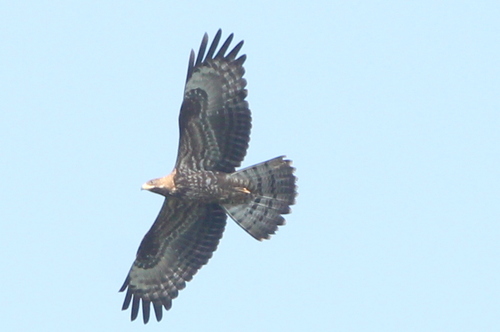
ヨーロッパハチクマ (Pernis apivorus) ヨーロッパハチクマ
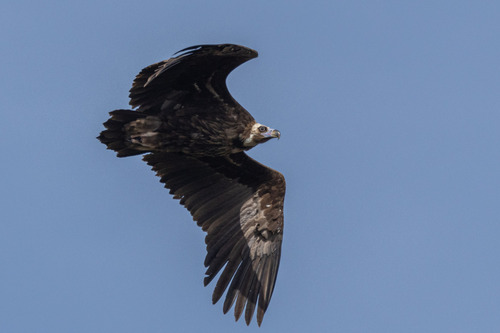
クロハゲワシ (Aegypius monachus) クロハゲワシ

メディア

読み込み中…

要点

最も信頼できるフィールドマークはサイズと構造です:クロハゲワシは非常に大きく、重い体を持つ鳥で、非常に広い「納屋の扉」のような翼と巨大なくちばしを持っています。一方、ヨーロッパハチクマははるかに小さく、長い首を持ち、小さな頭と長い尾があります。飛行中、ハチクマは平らで真っ直ぐな翼と突き出た頭を示し、時には角ばった胸を持ちますが、クロハゲワシはわずかに弓なりで非常に広い翼を持ち、遅く重い飛行スタイルで舞い上がります。幼鳥のハチクマはヨーロッパノスリの羽毛を模倣することができますが、決してハゲワシの体格や比率には近づきません。全体が黒く見え、真に巨大な鳥を見た場合、それはクロハゲワシです;スリムで長い尾を持ち、小さな頭と尾に微妙な縞模様がある鳥はハチクマです。

識別のコツ

  1. サイズが最も即座の手がかりです: クロハゲワシは本当に巨大で、翼幅は最大3.1 mです;ハチクマはヨーロッパノスリよりわずかに大きいだけで、ハゲワシのサイズには決して達しません。
  2. 翼の形: クロハゲワシは非常に広く、長方形の(「納屋の扉」)の翼を持ち、わずかに弓なりに保持されています;ハチクマの翼は長く、狭く、平らに保持されるか、先端がわずかに下向きです。
  3. 尾の長さと形: ハチクマは2または3本の暗い縞模様を持つ長く狭い尾を持っています;クロハゲワシの尾は比較的短く広いです。
  4. 頭と首: クロハゲワシは巨大で淡い、羽毛のような頭と巨大で強力なくちばしを持っています;ハチクマは前方に突き出た小さな鳩のような頭を持ち、長い首があります。
  5. 羽毛の色: クロハゲワシは全体が暗い黒褐色で、遠くから見るとほぼ黒に見えます;ハチクマはより淡く、変動する茶色、灰色、または赤褐色のトーンを持ち、決して真に黒くはありません。
  6. 飛行スタイル: クロハゲワシは遅く重い翼の打撃で舞い上がり、浮遊感のある重い動きをします;ハチクマはより敏捷で、平らな翼と特徴的なわずかに「曲がった」頭を前に突き出した姿勢を持っています。
  7. 上翼のパターン(すべての年齢): どちらの種もButeoノスリの典型的な「黒い手首の斑点」や後縁を示しませんが、ハチクマは微妙な縞模様と一次羽の基部が淡いことを示すことがあります;クロハゲワシは上面と下面が均一に暗いです。
  8. 幼鳥の混乱: 幼鳥のハチクマはヨーロッパノスリを模倣できますが、決してハゲワシのように暗くまたは巨大に見えることはありません;幼鳥のクロハゲワシは依然として巨大で暗く、淡い腹面を持っていますが、ノスリのようには見えません。
  9. くちばしのサイズ: クロハゲワシのくちばしは巨大で、太く、鉤状です;ハチクマのくちばしはスリムで、猛禽類としては繊細です。
  10. 生息地の文脈: クロハゲワシは密な森林ではめったに見られません;ハチクマは移動中を除いて、森林から遠く離れていることはめったにありません。
  11. 止まっている姿勢: クロハゲワシは直立して止まり、しばしば背を丸め、大きな頭とくちばしを持っています;ハチクマはスリムで、より鷹のようで、小さな頭を持っています。
  12. 声: ハチクマだけが呼ぶ可能性があり、明確な「ぴーるー」と聞こえます;クロハゲワシは静かです。
  13. 性差: オスのハチクマは青灰色の頭を持ち、メスは茶色です;クロハゲワシはフィールドで明らかな性差を示しません。
  14. 季節的文脈: ヨーロッパでは、ハチクマは夏の渡り鳥です;クロハゲワシは定住または分散的ですが、その範囲のほとんどで定期的な渡り鳥ではありません。
  15. 落とし穴: 非常に暗いヨーロッパノスリや幼鳥のハチクマをハゲワシと混同しないでください—サイズと構造は常にそれらを分けます、たとえ距離があっても。

大きさ

クロハゲワシは世界で最も大きな飛ぶ鳥の一つで、長さは98–120 cm、翼幅は2.5–3.1 m、体重は6.3–12.5 kgです [wikipedia]。それはヨーロッパハチクマを圧倒し、ヨーロッパハチクマは長さ52–60 cm、翼幅130–150 cm、質量440–1050 gです [wikipedia]。距離があっても、ハゲワシの巨大なサイズ、体格、広い翼は、はるかに軽く、より敏捷なハチクマと比較して明らかです。

羽色

年齢特有の上翼パターンは、これら二つの種の間で診断的ではありません。どちらも目立つ幼鳥の翼パネルや後縁のコントラストを示さないからです。代わりに、全体の色合いと頭/首のパターンに焦点を当ててください。成鳥のクロハゲワシは全体が暗い黒褐色で、淡い羽毛のような頭と巨大なくちばしを持っています;飛行中、翼は均一に暗く見え、時にはわずかに淡いカバーがあり、遠くから見ると全体が黒く見えることがあります。未熟なクロハゲワシは上面がセピア色で、腹面は淡く、頭には灰色の羽毛がありますが、依然として大きく暗く見えます。対照的に、ヨーロッパハチクマははるかに淡く、より変動があります:成鳥は茶色または青灰色の頭を持ち(メスは茶色、オスは青灰色)、変動する縞模様のある淡い腹面と、2または3本の暗い縞模様のある長い尾を持っています(Buteoノスリの多くの縞模様ではありません)。幼鳥はヨーロッパノスリを模倣できますが、依然として少ない縞模様と小さな頭を持つ長い尾を示します。すべての年齢において、ハチクマは決して真に黒く見えず、ハゲワシのように巨大には見えません。

行動

クロハゲワシは遅く深く重い翼の打撃で舞い上がり、しばしば巨大な翼をわずかに弓なりに保持します;その飛行は重く浮遊感があります。広い開けた土地の上を高く旋回し、死骸を探す時間を多く費やします。ヨーロッパハチクマは平らで真っ直ぐな翼で、翼の先端は水平またはわずかに下がり、頭はわずかに曲がって前方に突き出ています;その飛行はより敏捷で、あまり労力を要しません。ハチクマは秘密主義で、しばしば移動中またはディスプレイ中にしか見られず、森林の中で地面を探す時間を多く費やします。

生息環境

クロハゲワシは開けた土地、山、草原の鳥で、広い無木の風景や死骸の近くで舞い上がっているのがよく見られます。ヨーロッパハチクマは森林で繁殖し、はるかに秘密主義で、特に移動中は森林の中または近くで見られることが多いです。ハゲワシの開けた、乾燥した、または半開放的な生息地の好みは、ハチクマの森林地域との関連と対照的です。

声

ヨーロッパハチクマは特にディスプレイ中に明確な「ぴーるー」と呼びます。クロハゲワシは一般的に静かで、フィールドで聞かれる可能性のある特徴的な呼び声はありません。

より良い説明を送る

比較と同じ項目を使ってください。文章はすぐに公開されます。

The most reliable field mark is size and structure: Black Vulture is a massive, heavy-bodied bird with extremely broad, 'barn door' wings and a huge bill, while European Honey-buzzard is much smaller, long-necked, with a small head and long tail. In flight, Honey-buzzard shows flat, straight wings and a protruding head, sometimes with an angular chest, while Black Vulture soars with slightly arched, very broad wings and a slow, heavy flight style. Juvenile Honey-buzzards can mimic the plumage of Common Buzzard, but never approach the bulk or proportions of a vulture. If you see a bird that appears all-black and is truly gigantic, it is Black Vulture; a slimmer, long-tailed bird with a small head and subtle barring on the tail is Honey-buzzard.

  1. Size is the most immediate clue: Black Vulture is truly gigantic, with a wingspan up to 3.1 m; Honey-buzzard is only slightly larger than a Common Buzzard and never approaches vulture size.
  2. Wing shape: Black Vulture has extremely broad, rectangular ('barn door') wings, held slightly arched; Honey-buzzard's wings are long, narrow, and held flat or with tips slightly downturned.
  3. Tail length and shape: Honey-buzzard has a long, narrow tail with two or three dark bars; Black Vulture's tail is relatively short and broad.
  4. Head and neck: Black Vulture has a massive, pale, downy head and a huge, powerful bill; Honey-buzzard has a small, pigeon-like head that projects forward, with a long neck.
  5. Plumage color: Black Vulture is dark blackish-brown all over, appearing almost black at a distance; Honey-buzzard is paler, with variable brown, grey, or rufous tones and never truly black.
  6. Flight style: Black Vulture soars with slow, heavy wingbeats and buoyant, ponderous movement; Honey-buzzard is more agile, with flat wings and a distinctive, slightly 'kinked' head-forward posture.
  7. Upperwing pattern (all ages): Neither species shows the classic 'black carpal patch' or trailing edge of Buteo buzzards, but Honey-buzzard may show subtle barring and a paler base to primaries; Black Vulture is uniformly dark above and below.
  8. Juvenile confusion: Juvenile Honey-buzzards can mimic Common Buzzard but never look as dark or as massive as a vulture; juvenile Black Vultures are still huge and dark, with a paler underside but not buzzard-like.
  9. Bill size: Black Vulture's bill is enormous, thick, and hooked; Honey-buzzard's bill is slim and delicate for a raptor.
  10. Habitat context: Black Vulture is rarely found in dense woodland; Honey-buzzard is rarely seen far from forests, except on migration.
  11. Perched posture: Black Vulture perches upright, often hunched, with a huge head and bill; Honey-buzzard is slimmer, more hawk-like, with a small head.
  12. Voice: Only Honey-buzzard is likely to call, with a clear 'peee-lu'; Black Vulture is silent.
  13. Sex differences: Male Honey-buzzard has a blue-grey head, female brown; Black Vulture shows no obvious sex differences in the field.
  14. Seasonal context: In Europe, Honey-buzzard is a summer migrant; Black Vulture is resident or dispersive but not a regular migrant in most of its range.
  15. Pitfalls: Do not confuse a very dark Common Buzzard or juvenile Honey-buzzard for a vulture—size and structure will always separate them, even at a distance.

Black Vulture is one of the largest flying birds in the world, measuring 98–120 cm in length with a 2.5–3.1 m wingspan and weighing 6.3–12.5 kg [wikipedia]. It dwarfs the European Honey-buzzard, which is 52–60 cm long, with a 130–150 cm wingspan and a mass of 440–1050 g [wikipedia]. Even at a distance, the vulture's immense size, bulk, and broad wings are unmistakable compared to the much lighter, more agile Honey-buzzard.

Age-specific upperwing patterns are not diagnostic between these two species, as neither shows striking juvenile wing panels or trailing edge contrasts. Instead, focus on overall coloration and head/neck pattern. Adult Black Vulture is dark blackish-brown all over with a pale, downy head and massive bill; in flight, the wings appear uniformly dark, sometimes with slightly paler coverts, and the bird can look all-black at a distance. Immature Black Vultures are sepia-brown above, with paler underparts and grey down on the head, but still appear large and dark. European Honey-buzzard, by contrast, is much paler and more variable: adults have a brown or blue-grey head (female brown, male blue-grey), paler underparts with variable barring, and a long tail with two or three dark bars (not the many bars of Buteo buzzards). Juveniles can mimic Common Buzzard but still show a longer tail with fewer bars and a smaller head. In all ages, Honey-buzzard never looks truly black or as massive as the vulture.

Black Vulture soars with slow, deep, heavy wingbeats and often holds its huge wings slightly arched; its flight is ponderous and buoyant. It spends much time circling high over open country, searching for carrion. European Honey-buzzard soars on flat, straight wings with wing tips horizontal or slightly drooped, and the head projects forward with a slight kink; its flight is more agile and less labored. Honey-buzzards are secretive, often seen only during migration or display, and spend much time foraging on the ground in woodland.

Black Vulture is a bird of open country, mountains, and steppe, often seen soaring over wide, treeless landscapes or near carcasses. European Honey-buzzard breeds in woodland and is much more secretive, usually seen in or near forests, especially during migration. The vulture's preference for open, arid, or semi-open habitats contrasts with the honey-buzzard's association with wooded areas.

European Honey-buzzard gives a clear 'peee-lu' call, especially in display. Black Vulture is generally silent and does not have a distinctive call that is likely to be heard in the field.

変更を破棄しますか?

保存していない編集があります。今離れると失われます。

ヨーロッパハチクマ · クロハゲワシ · 苦手な鳥