

Motmot

ヨーロッパムナグロ 対 アメリカムナグロ

Pluvialis apricaria 対 Pluvialis dominica

ヨーロッパムナグロとアメリカムナグロのクイズ
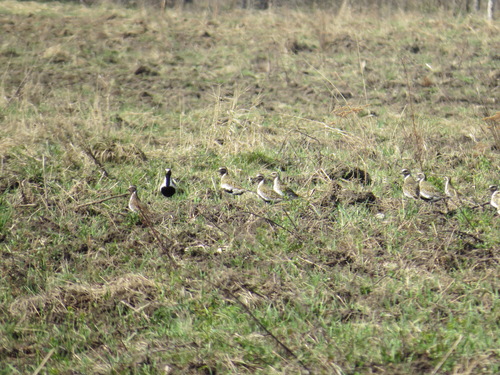
ヨーロッパムナグロ (Pluvialis apricaria) ヨーロッパムナグロ
アメリカムナグロ (Pluvialis dominica) アメリカムナグロ

メディア

読み込み中…

要点

ヨーロッパムナグロとアメリカムナグロを区別するための最も信頼できるフィールドマークは、飛行中に見える腋羽(脇の羽)の色です:ヨーロッパは白、アメリカは灰色です。構造的には、ヨーロッパはよりがっしりとしていて脚が短く、アメリカはスリムで脚が長いです。繁殖羽では、ヨーロッパは額から側腹にかけて特徴的な白いS字型の帯を示し、アメリカは白い冠と後頭部を持ち、黒い腹部と尾羽を持っています。非繁殖期や未成熟の鳥はより難しいですが、腋羽の色と全体的な形状は依然として重要です。両種は表面的には似ていますので、特に飛行中や遠くにいる鳥に対しては、これらの詳細に注意を払うことが不可欠です。

識別のコツ

  1. Axillary (armpit) feather color in flight: ヨーロッパムナグロは白い腋羽を示し、アメリカムナグロは灰色を示します。これはすべての年齢と季節において最も信頼できるマークであり、特に飛んでいるまたは伸びをしている鳥において重要です。
  2. Overall structure: ヨーロッパはがっしりしていて、体が厚く、脚が比較的短いです;アメリカはスリムで、より細長く、脚が長いです。これは微妙ですが、鳥が並んでいるときや経験があるときに役立ちます。
  3. Breeding plumage: underparts: ヨーロッパは額から側腹にかけて白いS字型の帯を持ち、しばしば側腹や尾羽に白い部分があります;アメリカは顔、首、胸、腹が黒く、白い冠と後頭部が胸の側面にまで伸びており、尾羽は完全に黒いです。
  4. Breeding plumage: back and upperparts: 両種は金色の斑点のある背中を持っていますが、アメリカはより斑点のある黒と白の外観を持ち、金色の斑点が淡い傾向がありますが、ヨーロッパはより均一です。
  5. Non-breeding/immature plumage: 両種は上面が灰褐色で下面が淡い色になりますが、腋羽の色と構造は依然として区別します。初夏のアメリカは、下部に不完全な黒を示すことがあり、混乱を増します。
  6. Wing and tail proportions: ヨーロッパの翼は尾よりもわずかに長く、コンパクトな外観を与えます。アメリカの翼は相対的に長く、スリムなプロファイルに寄与します。
  7. Leg length: アメリカムナグロは脚が明らかに長く、鳥が立っているときや走っているときに見ることができます。
  8. Bill size and shape: アメリカはより頑丈なヨーロッパに比べて頭とくちばしが小さいですが、これは小さなポイントです。
  9. Flight action: 両種は飛行中に力強く迅速ですが、ヨーロッパはアメリカよりもコンパクトであるように見えることがあります。
  10. Habitat and context: ヨーロッパでは、移動期間外の金色のムナグロはほぼ常にヨーロッパです。アメリカは珍しい漂流者で、主に秋に見られます。
  11. Voice: ヨーロッパは特徴的な「トゥー」という呼び声を出します;アメリカの呼び声はここでは説明されていないので、声に頼って区別しないでください。
  12. Pitfalls with immatures: 初夏と幼鳥のアメリカムナグロは不完全な黒い下部を示すことがあり、ヨーロッパに似ることがありますが、腋羽の色と構造は依然として信頼できます。
  13. Seasonal timing: アメリカムナグロは太平洋ムナグロよりも遅く(9月〜10月)換羽しますが、これはヨーロッパとの区別には役立ちません。
  14. Sex differences: 両種は性別間で似たパターンを示し、雌は繁殖羽でより鈍いですが、これは区別には役立ちません。
  15. Direct comparison: 両種を一緒に見ることができれば、腋羽の色、構造、脚の長さを主なフィールドマークとして使用してください。

大きさ

ヨーロッパムナグロは明らかに重く(約175g対145gのアメリカ)、フィールドではよりがっしりとしていて頑丈に見えます。翼は尾よりもわずかに長く、コンパクトな外観を与えます。アメリカムナグロはスリムで、体のサイズに対して相対的に長い脚とわずかに長い翼幅を持っています。これらの違いは微妙ですが、直接比較や経験を通じて評価できます。

羽色

すべての年齢において、腋羽の色(飛行中または伸びをしているときに見える)は診断的です:ヨーロッパムナグロは白い腋羽を持ち、アメリカムナグロは灰色です。繁殖羽では、ヨーロッパは額から側面にかけて目を引く白いS字型の帯を示し、黒い下部はしばしば側腹や尾羽に白い部分があります。繁殖羽のアメリカは顔、首、胸、腹が完全に黒く、白い冠と後頭部が胸の側面にまで伸びており、S字型の帯がありません。両種の非繁殖期や未成熟の鳥はより控えめで、上面が灰褐色で下面が淡いですが、腋羽の色と全体的な構造は依然として信頼できます。初夏のアメリカムナグロは下部に不完全な黒を示すことがあり、混乱を増しますが、腋羽の色とスリムな体型は依然として役立ちます。幼鳥特有の上翼パターンはソースに記載されていないため、未成熟の鳥に対しては腋羽の色と構造に焦点を当ててください。

行動

両種は活発で警戒していますが、ヨーロッパムナグロはスリムで脚が長いアメリカよりも頑丈で直立していないように見える傾向があります。飛行中、ヨーロッパはよりコンパクトに見え、アメリカはスリムでより細長いプロファイルを示します。両種は急速で力強い羽ばたきを持っていますが、これらの違いは微妙で、羽毛や構造と組み合わせて使用するのが最良です。

生息環境

両種は開けた生息地を利用しますが、ヨーロッパムナグロはヨーロッパのツンドラや湿原で一般的に繁殖します。一方、アメリカムナグロは北アメリカの北極ツンドラで繁殖し、ヨーロッパでは珍しい移動者です。移動期間外にヨーロッパにいる場合、金色のムナグロはほぼ確実にヨーロッパです。アメリカムナグロはヨーロッパでは珍しい漂流者で、主に秋に見られます。

声

ヨーロッパムナグロは単音でわずかに下降する、メランコリックな「トゥー」という呼び声を出します。ソースにはアメリカムナグロのための特徴的な声のフィールドマークは提供されていないため、ここでは声に頼って区別することはできません。

より良い説明を送る

比較と同じ項目を使ってください。文章はすぐに公開されます。

The most reliable field mark to separate European Golden Plover from American Golden Plover is the color of the axillary (armpit) feathers visible in flight: European has white, American has grey. Structurally, European is bulkier and shorter-legged, while American is slimmer and longer-legged. In breeding plumage, European shows a distinctive white S-shaped band from forehead to flanks, whereas American has a solid black belly and undertail with a white crown and nape. Non-breeding and immature birds are trickier, but the axillary color and overall shape remain key. Both species are superficially similar, so careful attention to these details is essential, especially with birds in flight or at a distance.

  1. Axillary (armpit) feather color in flight: European Golden Plover shows white axillaries; American Golden Plover shows grey. This is the single most reliable mark for all ages and seasons, especially on flying or stretching birds.
  2. Overall structure: European is bulkier, with a thickset body and relatively short legs; American is slimmer, more elongated, and longer-legged. This is subtle but useful when birds are side by side or with experience.
  3. Breeding plumage: underparts: European has a white S-shaped band from forehead to flanks and often some white on the flanks and undertail; American has a solid black face, neck, breast, and belly, with a white crown and nape extending to the sides of the breast, and a solid black undertail.
  4. Breeding plumage: back and upperparts: Both species have gold-spotted backs, but American tends to have a more mottled black-and-white appearance with paler gold spots, while European is more uniform.
  5. Non-breeding/immature plumage: Both species become grey-brown above and pale below, but axillary color and structure still separate them. First-summer American may show patchy or incomplete black on the underparts, increasing confusion.
  6. Wing and tail proportions: European's wings are only slightly longer than its tail, giving a compact look. American's wings are proportionally longer, contributing to a sleeker profile.
  7. Leg length: American Golden Plover has noticeably longer legs, which can be seen when the bird is standing or running.
  8. Bill size and shape: American has a smaller head and bill compared to the more robust European, though this is a minor point.
  9. Flight action: Both are powerful and rapid in flight, but European may appear more compact and less elongated than American.
  10. Habitat and context: In Europe, a golden plover outside of migration is almost always European. American is a rare vagrant, mainly in fall.
  11. Voice: European gives a distinctive 'tuu' call; American's call is not described here, so do not rely on voice for separation.
  12. Pitfalls with immatures: First-summer and juvenile American Golden Plovers can show incomplete black underparts, making them resemble European, but axillary color and structure remain reliable.
  13. Seasonal timing: American Golden Plover molts later in the year (September–October) than Pacific Golden Plover, but this is not helpful for separating from European.
  14. Sex differences: Both species show similar patterns between sexes, with females being duller in breeding plumage, but this does not aid in separation.
  15. Direct comparison: If you see both species together, use axillary color, structure, and leg length as your primary field marks.

European Golden Plover is noticeably heavier (about 175g vs 145g for American) and appears more thickset and robust in the field. Its wings are only slightly longer than its tail, contributing to a compact look. American Golden Plover is slimmer, with relatively longer legs and a slightly longer wingspan for its body size. These differences are subtle but can be appreciated with direct comparison or experience.

For all ages, the color of the axillary feathers (seen in flight or when stretching) is diagnostic: European Golden Plover has white axillaries, while American Golden Plover has grey. In breeding plumage, European shows a striking white S-shaped band from the forehead down the sides, with black underparts that often have some white on the flanks and undertail. American in breeding plumage has a solid black face, neck, breast, and belly, with a white crown and nape extending to the sides of the breast, and lacks the S-shaped band. Non-breeding and immature birds of both species are more subdued, with grey-brown upperparts and pale underparts, but the axillary color and overall structure remain reliable. First-summer American Golden Plovers may show incomplete black on the underparts, making them more confusing, but the axillary color and slimmer build still help. Juvenile-specific upperwing patterns are not described in the sources, so focus on axillary color and structure for immatures.

Both species are active and alert, but European Golden Plover tends to look more robust and less upright than the slimmer, longer-legged American. In flight, European appears more compact, while American shows a sleeker, more elongated profile. Both species have rapid, powerful wingbeats, but these differences are subtle and best used in combination with plumage and structure.

Both species use open habitats, but European Golden Plover is the common breeder in European tundra and moorland, while American Golden Plover breeds in Arctic tundra of North America and is only a rare migrant in Europe. If you are in Europe outside of migration periods, a golden plover is almost certainly European. American Golden Plover is a rare vagrant in Europe, most often seen in fall.

European Golden Plover gives a monosyllabic, slightly descending, melancholic 'tuu' call. No distinctive vocal field marks are provided for American Golden Plover in the sources, so voice is not a reliable separator here.

変更を破棄しますか?

保存していない編集があります。今離れると失われます。

ヨーロッパムナグロ · アメリカムナグロ · 苦手な鳥