

Piviere dorato vs Piviere americano
Pluvialis apricaria contro Pluvialis dominica
Fai un quiz con Piviere dorato e Piviere americano
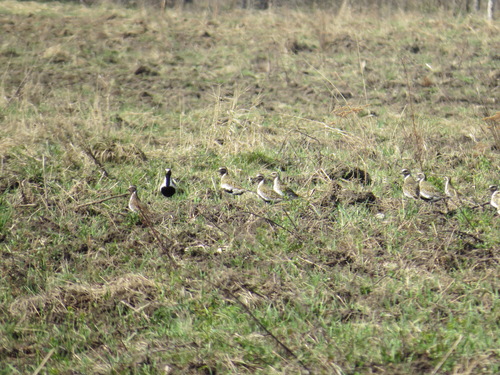 Piviere dorato
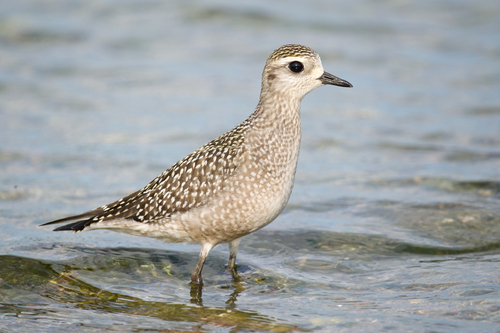 Piviere americano
In breve
Il segno di campo più affidabile per separare il Piviere dorato dal Piviere americano è il colore delle piume ascellari (sotto le ascelle) visibili in volo: il Piviere dorato ha il bianco, il Piviere americano ha il grigio. Strutturalmente, il Piviere dorato è più robusto e con gambe più corte, mentre il Piviere americano è più snello e con gambe più lunghe. In abito nuziale, il Piviere dorato mostra una distintiva banda bianca a forma di S dalla fronte ai fianchi, mentre il Piviere americano ha un ventre e un sottocoda neri solidi con una corona e una nuca bianche. Gli uccelli non in riproduzione e immaturi sono più difficili da identificare, ma il colore ascellare e la forma generale rimangono fondamentali. Entrambe le specie sono superficialmente simili, quindi prestare attenzione a questi dettagli è essenziale, specialmente con gli uccelli in volo o a distanza.
Consigli di identificazione
- Colore delle piume ascellari in volo: Il Piviere dorato mostra ascellari bianchi; il Piviere americano mostra grigi. Questo è il segno più affidabile per tutte le età e stagioni, specialmente su uccelli in volo o che si stirano.
- Struttura generale: Il Piviere dorato è più robusto, con un corpo massiccio e gambe relativamente corte; il Piviere americano è più snello, più allungato e con gambe più lunghe. Questo è sottile ma utile quando gli uccelli sono affiancati o con esperienza.
- Abito nuziale: parti inferiori: Il Piviere dorato ha una banda bianca a forma di S dalla fronte ai fianchi e spesso del bianco sui fianchi e sul sottocoda; il Piviere americano ha un volto, un collo, un petto e un ventre neri solidi, con una corona e una nuca bianche che si estendono ai lati del petto, e un sottocoda nero solido.
- Abito nuziale: dorso e parti superiori: Entrambe le specie hanno dorso macchiato d'oro, ma il Piviere americano tende ad avere un aspetto più maculato in bianco e nero con macchie d'oro più chiare, mentre il Piviere dorato è più uniforme.
- Abito non riproduttivo/immaturo: Entrambe le specie diventano marrone-grigio sopra e chiare sotto, ma il colore ascellare e la struttura li separano ancora. Il Piviere americano di prima estate può mostrare macchie o nero incompleto sulle parti inferiori, aumentando la confusione.
- Proporzioni di ali e coda: Le ali del Piviere dorato sono solo leggermente più lunghe della sua coda, dando un aspetto compatto. Le ali del Piviere americano sono proporzionalmente più lunghe, contribuendo a un profilo più snello.
- Lunghezza delle gambe: Il Piviere americano ha gambe visibilmente più lunghe, che possono essere viste quando l'uccello è in piedi o corre.
- Dimensione e forma del becco: Il Piviere americano ha una testa e un becco più piccoli rispetto al più robusto Piviere dorato, anche se questo è un punto minore.
- Azione di volo: Entrambi sono potenti e rapidi in volo, ma il Piviere dorato può apparire più compatto e meno allungato rispetto al Piviere americano.
- Habitat e contesto: In Europa, un piviere dorato al di fuori della migrazione è quasi sempre il Piviere dorato. Il Piviere americano è un raro vagabondo, principalmente in autunno.
- Voce: Il Piviere dorato emette un distintivo richiamo 'tuu'; il richiamo del Piviere americano non è descritto qui, quindi non fare affidamento sulla voce per la separazione.
- Trappole con immaturi: I Pivieri americani di prima estate e giovanili possono mostrare parti inferiori nere incomplete, facendoli somigliare al Piviere dorato, ma il colore ascellare e la struttura rimangono affidabili.
- Tempistica stagionale: Il Piviere americano muta più tardi nell'anno (settembre-ottobre) rispetto al Piviere orientale, ma questo non è utile per separarlo dal Piviere dorato.
- Differenze sessuali: Entrambe le specie mostrano schemi simili tra i sessi, con le femmine che sono più opache in abito nuziale, ma questo non aiuta nella separazione.
- Confronto diretto: Se vedi entrambe le specie insieme, usa il colore ascellare, la struttura e la lunghezza delle gambe come i tuoi segni di campo principali.
Taglia
Il Piviere dorato è visibilmente più pesante (circa 175g contro 145g per il Piviere americano) e appare più massiccio e robusto sul campo. Le sue ali sono solo leggermente più lunghe della sua coda, contribuendo a un aspetto compatto. Il Piviere americano è più snello, con gambe relativamente più lunghe e un'apertura alare leggermente più lunga per la sua taglia corporea. Queste differenze sono sottili ma possono essere apprezzate con un confronto diretto o esperienza.
Piumaggio
Per tutte le età, il colore delle piume ascellari (visibile in volo o quando si stirano) è diagnostico: il Piviere dorato ha ascellari bianchi, mentre il Piviere americano ha grigi. In abito nuziale, il Piviere dorato mostra una sorprendente banda bianca a forma di S dalla fronte lungo i lati, con parti inferiori nere che spesso hanno del bianco sui fianchi e sul sottocoda. Il Piviere americano in abito nuziale ha un volto, un collo, un petto e un ventre neri solidi, con una corona e una nuca bianche che si estendono ai lati del petto, e manca della banda a forma di S. Gli uccelli non in riproduzione e immaturi di entrambe le specie sono più sobri, con parti superiori marrone-grigio e parti inferiori chiare, ma il colore ascellare e la struttura generale rimangono affidabili. I Pivieri americani di prima estate possono mostrare nero incompleto sulle parti inferiori, rendendoli più confusi, ma il colore ascellare e la costruzione più snella aiutano ancora. I modelli specifici delle ali giovanili non sono descritti nelle fonti, quindi concentrati sul colore ascellare e sulla struttura per gli immaturi.
Comportamento
Entrambe le specie sono attive e all'erta, ma il Piviere dorato tende a sembrare più robusto e meno eretto rispetto al Piviere americano, più snello e con gambe più lunghe. In volo, il Piviere dorato appare più compatto, mentre il Piviere americano mostra un profilo più snello e allungato. Entrambe le specie hanno battiti d'ali rapidi e potenti, ma queste differenze sono sottili e meglio utilizzate in combinazione con piumaggio e struttura.
Habitat
Entrambe le specie utilizzano habitat aperti, ma il Piviere dorato è il comune riproduttore nella tundra e nelle brughiere europee, mentre il Piviere americano nidifica nella tundra artica del Nord America ed è solo un raro migrante in Europa. Se ti trovi in Europa al di fuori dei periodi di migrazione, un piviere dorato è quasi certamente il Piviere dorato. Il Piviere americano è un raro vagabondo in Europa, visto più spesso in autunno.
Voce
Il Piviere dorato emette un richiamo monosillabico, leggermente discendente e malinconico 'tuu'. Non sono forniti segni vocali distintivi per il Piviere americano nelle fonti, quindi la voce non è un separatore affidabile qui.
Piviere dorato · Piviere americano · I miei uccelli difficili