

Motmot

アリスイ 対 カンムリコゲラ

Jynx torquilla 対 Hemicircus concretus

アリスイとカンムリコゲラのクイズ
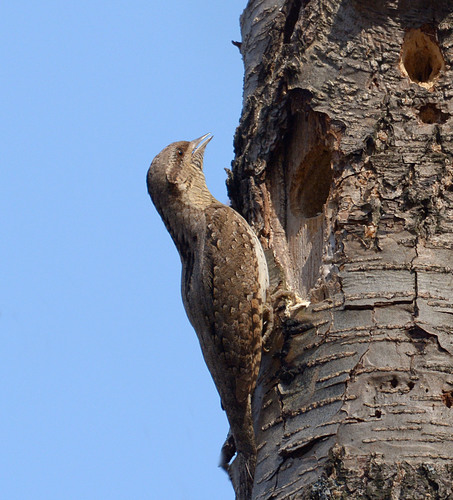
アリスイ (Jynx torquilla) アリスイ
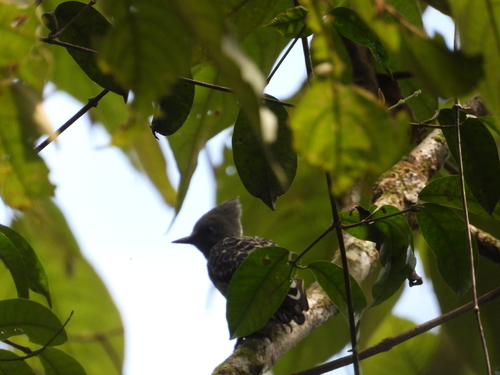
カンムリコゲラ (Hemicircus concretus) カンムリコゲラ

メディア

読み込み中…

要点

アリスイとカンムリコゲラを区別する最も信頼できるフィールドマークは、全体の形と姿勢です:アリスイは細長く、スリムで、ツグミのような長い首と尾を持ち、カンムリコゲラはコンパクトで、ふっくらとしており、尾が短く、大きな冠のある頭を持っています。すべての羽色において、アリスイは上面に複雑で隠れたバリングとモッティングを示すのに対し、カンムリコゲラは大胆なスカロッピングと対照的なダーク&バフの外観を持っています。幼鳥のアリスイは成鳥に似ていますが、色が鈍くなっています;どちらの種にも年齢特有の上翼や飛行マークは記載されていません。くちばしの形と頭の構造もすべての年齢で特徴的です。生息地と範囲は重なりません:アリスイは温帯のユーラシアの渡り鳥であり、カンムリコゲラは東南アジアの熱帯雨林の住民です。

識別のコツ

  1. Overall shape and jizz: アリスイは細長く、スリムで、ツグミのような長い首と尾を持っています;カンムリコゲラはコンパクトで、尾が短く、大きな頭を持ち、目立つ冠があります。これは、どんな距離でも最も早いフィールドの手がかりです。
  2. Head and bill: アリスイは小さく、細長い頭を持ち、長くて細いくちばしがあり、冠はありません。カンムリコゲラは大きな冠のある頭(特に横から見ると明らか)を持ち、長くて細いがより太いくちばしの先端は黒色です。オスのキツツキは赤い額を示し、アリスイにはありません。
  3. Upperparts pattern: アリスイの上面は淡い茶色、ルフス、黒色で複雑にバリングとモッティングされており、樹皮に溶け込んでいます;キツツキの上面は黒っぽく、大胆な白またはバフのスカロッピングがあり、対照が高く、隠れにくいです。
  4. Underparts: アリスイはクリーミーな白い下部に茶色の矢じりのようなマークを示し、特に胸と側面に見られます;キツツキは下部が単色の灰色で、側面にいくつかのスカロッピングを除いて強いパターンはありません。
  5. Tail: アリスイは淡い不規則なバリングのある長くて丸い灰色の尾を持っています;キツツキの尾は短く、暗く、パターンが少ないです。
  6. Flight silhouette: 飛行中のアリスイは細長く見え、長い尾と首を持っています;キツツキはコンパクトで、短い尾と大きな頭を持っています。どちらの種にも強い年齢特有の翼のパネルや後縁のマークは記載されていません。
  7. Juvenile plumage: 幼鳥のアリスイは成鳥に似ていますが、鈍くて対照が少ないです;キツツキの幼鳥は別に記載されていませんが、成鳥に似ている可能性があります。
  8. Sex differences: オスのカンムリコゲラだけが赤い額を持っています;アリスイの性別は似ています。
  9. Perching behavior: アリスイはしばしば直立して、頭を高く持ち、くちばしを少し上げて止まります;キツツキはより頻繁に幹や枝にしがみついているのが見られ、時には樹冠にいます。
  10. Habitat: アリスイは温帯ユーラシアの開けた森林、果樹園、農地に見られます;キツツキは東南アジアの熱帯雨林やプランテーションにいます。生息地が密な熱帯林であれば、ほぼ確実にキツツキです。
  11. Range: 重なりはありません;アリスイは東南アジアには見られず、カンムリコゲラはヨーロッパや温帯アジアには存在しません。
  12. Vocalization: 繰り返しの厳しいキューキューキューキューという声が聞こえたら、それはアリスイです;キツツキの鳴き声はここでは記載されていないので、静寂は診断的ではありません。
  13. Group behavior: アリスイは渡りの際に小さな群れで見られることがあります;キツツキは通常、単独またはペアで見られますが、共同で休息します。
  14. Feeding behavior: アリスイはしばしば地面でアリを食べます;キツツキは樹冠で昆虫や果物を探し、地面ではめったに見られません。
  15. Leg color: アリスイは淡い茶色の脚を持っています;キツツキの脚は灰色または茶色ですが、これはフィールドではめったに見られません。

大きさ

アリスイはカンムリコゲラ(13.5 cm、29 g)よりも明らかに大きく、長い(16–18 cm、37 g)です[wikipedia][wikidata]。アリスイは細長く、相対的に長い尾と首を持っているのに対し、カンムリコゲラはコンパクトで、尾が短く、よりがっしりとしています。フィールドでは、アリスイのツグミのようなプロポーションが、キツツキのずんぐりした大きな頭の姿勢に対して際立っています。

羽色

幼鳥と成鳥のアリスイは非常に似ており、どちらも淡い茶色、ルフス、黒色の細かくバリングとモッティングされた上面を示し、隠れた樹皮のような外観を持っています。下部はクリーミーで、特に胸と側面に矢じりの形をした茶色のマークがあります。尾は丸く、灰色で、淡い不規則なバリングがあります。対照的に、すべての年齢のカンムリコゲラは大胆なパターンを持っています:上面と翼は黒っぽく、白またはバフのスカロッピングがあり、下部は単色の灰色で、尾と下翼は暗いです。頭は大きく、冠があり、主に灰色で、オスには赤い額があります。どちらの種にも年齢特有の飛行や上翼のパネルマークは記載されていないため、全体の羽色と構造が重要です。アリスイの羽色はより隠れやすく、複雑なパターンを持っているのに対し、キツツキはより対照的でブロック状です。

行動

アリスイはしばしば頭を高く持ち、くちばしを少し上げて直立して止まります。時には劇的な首をひねるディスプレイを行ったり、驚かされると死んだふりをします。地面や低い幹で餌を探し、通常は単独またはペアで、時には渡りの際に小さな群れを形成します。カンムリコゲラは通常、単独またはペアで見られ、樹冠で昆虫や果物を探し、時には混合群れに参加します。共同で浅い穴に休息し、めったに深くドラムを叩いたり掘ったりしません。アリスイの行動はより地上性で秘密主義的であり、キツツキはより樹上性で夜間は社交的です。

生息環境

アリスイは温帯のヨーロッパとアジアで繁殖し、散在する木々とアリが豊富な地面を持つ開けた森林、果樹園、農地を好みます。渡り鳥であり、アフリカと南アジアで冬を越します。カンムリコゲラは東南アジアの低地と山地の熱帯雨林、森林の端、プランテーション、時には都市部の森林に厳密に生息しています。彼らの範囲と生息地は重なりません:他方の典型的な生息地で一方を見ることは非常にあり得ません。

声

アリスイは繰り返しの厳しい、鋭いキューキューキューキューという声を出し、小さなハヤブサやコアカゲラを思わせる音で、スタッカートのタックアラームを発します。カンムリコゲラの声は利用可能なメモに記載されていないため、アリスイの特異な鳴き声が聞こえた場合のみ、鳴き声は診断的です。

より良い説明を送る

比較と同じ項目を使ってください。文章はすぐに公開されます。

The most reliable field mark to separate Eurasian Wryneck from Grey-and-buff Woodpecker is overall shape and posture: wryneck is slim, elongated, and thrush-like with a long neck and tail, while Grey-and-buff Woodpecker is compact, plump, and short-tailed with a large crested head. In all plumages, wryneck shows intricate, cryptic barring and mottling above, whereas Grey-and-buff Woodpecker has bold scalloping and a contrasting dark-and-buff look. Juvenile wrynecks resemble adults but are duller; there are no age-specific upperwing or flight marks described for either species. Bill shape and head structure are also distinctive at all ages. Habitat and range do not overlap: Eurasian Wryneck is a temperate Eurasian migrant, while Grey-and-buff Woodpecker is a Southeast Asian rainforest resident.

  1. Overall shape and jizz: Wryneck is slim, elongated, and thrush-like with a long neck and tail; Grey-and-buff Woodpecker is compact, short-tailed, and big-headed with a prominent crest. This is often the fastest field clue at any distance.
  2. Head and bill: Wryneck has a small, slender head with a long, thin bill and no crest. Grey-and-buff Woodpecker has a large, crested head (especially obvious in profile), and a long, slender, but stouter bill with a black tip. Male woodpeckers show a red forehead, absent in wryneck.
  3. Upperparts pattern: Wryneck upperparts are intricately barred and mottled in pale brown, rufous, and black, blending into bark; woodpecker upperparts are blackish with bold white or buff scalloping, much higher contrast and less cryptic.
  4. Underparts: Wryneck shows creamy white underparts with brown arrowhead marks, especially on the breast and flanks; woodpecker is plain grey below, lacking strong pattern except for some scalloping on the sides.
  5. Tail: Wryneck has a long, rounded, grey tail with faint, irregular barring; woodpecker's tail is short, dark, and less patterned.
  6. Flight silhouette: Wryneck in flight looks slim and elongated, with a long tail and neck; woodpecker is compact, with a short tail and large head. No strong age-specific wing panel or trailing edge marks are described for either.
  7. Juvenile plumage: Juvenile wryneck is like adult but duller and less contrasting; woodpecker juveniles are not separately described, but likely similar to adults.
  8. Sex differences: Only the male Grey-and-buff Woodpecker has a red forehead; wryneck sexes are alike.
  9. Perching behavior: Wryneck often perches upright or on the ground, sometimes twisting or contorting its neck; woodpecker is more often seen clinging to trunks or branches, sometimes in the canopy.
  10. Habitat: Wryneck is found in open woodlands, orchards, and farmland in temperate Eurasia; woodpecker is in Southeast Asian rainforests and plantations. If the habitat is dense tropical forest, it's almost certainly the woodpecker.
  11. Range: There is no overlap; Eurasian Wryneck is not found in Southeast Asia, and Grey-and-buff Woodpecker does not occur in Europe or temperate Asia.
  12. Vocalization: If you hear a repeated, harsh quee-quee-quee-quee, it's wryneck; woodpecker's call is not described here, so silence is not diagnostic.
  13. Group behavior: Wryneck may be seen in small groups during migration; woodpecker is usually solitary or in pairs, but roosts communally.
  14. Feeding behavior: Wryneck often feeds on the ground for ants; woodpecker forages in the canopy for insects and fruit, rarely on the ground.
  15. Leg color: Wryneck has pale brown legs; woodpecker's legs are grey or brown, but this is rarely visible in the field.

Eurasian Wryneck is noticeably larger and longer (16–18 cm, 37 g) than Grey-and-buff Woodpecker (13.5 cm, 29 g) [wikipedia][wikidata]. Wryneck looks elongated with a proportionally longer tail and neck, while Grey-and-buff Woodpecker is compact, short-tailed, and stockier. In the field, the wryneck's thrush-like proportions stand out against the woodpecker's chunky, big-headed jizz.

Juvenile and adult Eurasian Wrynecks are very similar, both showing finely barred and mottled upperparts in pale brown, rufous, and black, with a cryptic, bark-like appearance. The underparts are creamy with arrowhead-shaped brown marks, especially on the breast and flanks. The tail is rounded and grey with faint, irregular barring. In contrast, Grey-and-buff Woodpecker of all ages is boldly patterned: upperparts and wings are blackish with white or buff scalloping, underparts are plain grey, and the tail and underwing are dark. The head is large and crested, mostly grey, with a red forehead in males. There are no described age-specific flight or upperwing panel marks for either species, so overall plumage and structure are key. The wryneck's plumage is more cryptic and intricately patterned, while the woodpecker is more contrasting and blocky.

Eurasian Wryneck often perches upright with its head held high and bill slightly raised, sometimes performing dramatic head-twisting displays or feigning death when disturbed. It forages on the ground or low trunks, typically alone or in pairs, occasionally forming small groups during migration. Grey-and-buff Woodpecker is usually seen singly or in pairs, foraging by gleaning insects and fruit in the canopy, sometimes joining mixed flocks. It roosts communally in shallow holes and rarely drums or excavates deeply. Wryneck's behavior is more terrestrial and secretive, while the woodpecker is more arboreal and social at night.

Eurasian Wryneck breeds in temperate Europe and Asia, favoring open woodlands, orchards, and farmland with scattered trees and ant-rich ground. It is migratory, wintering in Africa and southern Asia. Grey-and-buff Woodpecker is strictly a resident of Southeast Asian lowland and montane rainforests, forest edges, plantations, and sometimes wooded urban areas. Their ranges and habitats do not overlap: seeing one in the other's typical habitat is extremely unlikely.

Eurasian Wryneck gives a repeated, harsh, shrill quee-quee-quee-quee, reminiscent of a small falcon or Lesser Spotted Woodpecker, and a staccato tuck alarm. Grey-and-buff Woodpecker's voice is not described in the available notes, so vocalization is only diagnostic if the wryneck's distinctive call is heard.

変更を破棄しますか?

保存していない編集があります。今離れると失われます。

アリスイ · カンムリコゲラ · 苦手な鳥