

Motmot

ミユビゲラ 対 オオアカゲラ

Picoides tridactylus 対 Dendrocopos leucotos

ミユビゲラとオオアカゲラのクイズ
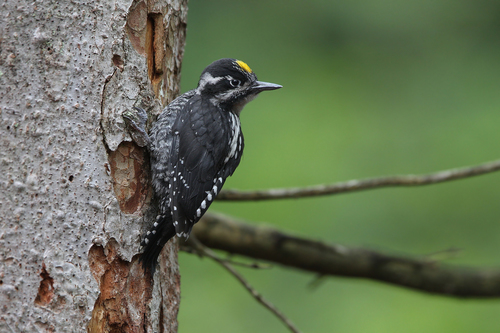
ミユビゲラ (Picoides tridactylus) ミユビゲラ
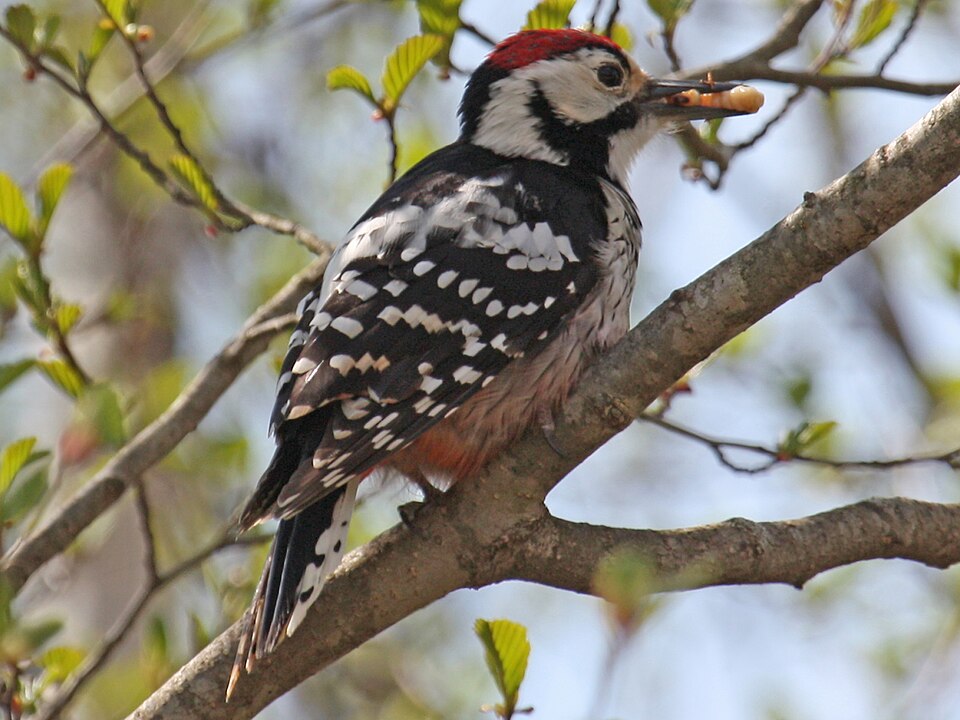
オオアカゲラ (Dendrocopos leucotos) オオアカゲラ

メディア

読み込み中…

要点

ユーラシアミユビゲラとオオアカゲラの最も信頼できるフィールドマークは頭頂の色です: オスのミユビゲラは黄色の頭頂を持ち、オスのオオアカゲラは赤い頭頂を示します; 両種の雌も異なり(オオアカゲラは黒、幼鳥のミユビゲラは黄色)。飛んでいる時や止まっている時、ミユビゲラの成鳥雌は頭に赤色を持たず、両性ともに黒と白の縞模様の背中を示しますが、オオアカゲラは常に下背部が固体の白色で、翼により広範囲の白色を持っています。サイズも手がかりになります: オオアカゲラは明らかに大きくてがっしりしています。幼鳥のミユビゲラは黄色の頭頂を示すことがありますが、全体の構造と翼の模様は明確に異なります。両種は黒と白の羽毛を持っていますが、模様と白色の広がりが分離の鍵です。

識別のコツ

  1. 頭頂の色が最も即座の区別点です: オスのミユビゲラは黄色の頭頂を持ち、赤色はありません; オスのオオアカゲラは赤い頭頂を持っています。雌のミユビゲラは色のある頭頂を持たず、雌のオオアカゲラは黒い頭頂を持っています。幼鳥のミユビゲラも黄色の頭頂を持ち、これは注意を怠る者を混乱させることがあります。
  2. 背中の模様: ミユビゲラは黒の縞模様のある白い背中を示し、オオアカゲラは大きく、固体の白い下背部を持ち、ほとんど縞模様がありません。これは特に鳥が止まっている時や後ろから見た時に明らかです。
  3. 飛んでいる時と止まっている時の翼の模様: ミユビゲラは黒い翼に白の縞模様を持ち、オオアカゲラは翼に白い縞模様を持ち、斑点ではなく、より広範囲の白いパネルを持っています。飛んでいる時は、翼の白の対比と広がりを探してください。
  4. 尾の模様: ミユビゲラの尾は黒で、白い外羽毛が黒で縞模様になっています; オオアカゲラの尾はあまり明確にマークされていませんが、外羽毛の縞模様の程度は同じではありません。
  5. サイズと構造: オオアカゲラは明らかに大きくてがっしりしており、翼幅と尾が長いです。参照点がある場合や両種を一緒に見ると、これは強い手がかりになります。
  6. 下部に赤色がない: 両種ともに腹部や肛門に赤色がなく、これはアカゲラから分離するのに役立ちますが、互いからは分離しません。
  7. 声: ミユビゲラは鋭い「キキ」または「チキ」を出し、オオアカゲラの鳴き声はより柔らかい(「キウク」、「クイーク」)です。ドラム音はオオアカゲラの方がはるかに大きく、力強いです。
  8. 生息地: ミユビゲラはほぼ常に針葉樹林に生息し、特に最近の木の死がある場所にいます; オオアカゲラは大きな枯れ木のある成熟した広葉樹林や混合林を好みます。
  9. 行動: ミユビゲラはしばしば枯れた針葉樹で餌を探し、高い場所で目立たないことがあります; オオアカゲラは広葉樹にいることが多く、そのサイズと大きなドラム音のためにより目立つかもしれません。
  10. 成鳥のミユビゲラに赤色がない: 頭頂に赤色が見える場合、それは成鳥のミユビゲラではありません(黄色の頭頂を持つ幼鳥を除く)。
  11. 幼鳥の混乱: 黄色の頭頂を持つ幼鳥のミユビゲラはオスの成鳥と間違えられることがありますが、羽毛と構造(小さいサイズ、縞模様の背中)が明確にします。
  12. 白い肩の斑点がない: アカゲラとは異なり、両種ともに大きな白い肩の斑点を持っていませんが、オオアカゲラの白い翼の縞模様は飛んでいる時に斑点のように見えることがあります。
  13. 季節的な移動: ミユビゲラは一般的に定住していますが、冬には低い標高に移動することがあります; オオアカゲラはあまり遠くに移動する可能性が低いです。
  14. 巣の場所: 両種ともに巣穴を掘りますが、ミユビゲラは枯れた針葉樹を使用する可能性が高く、オオアカゲラは枯れた広葉樹を使用します。
  15. 落とし穴: 赤色の不在だけに頼らないでください—雌のオオアカゲラは黒い頭頂を持ち、幼鳥のミユビゲラは黄色の頭頂を持っています。常に背中と翼の模様を確認してください。

大きさ

オオアカゲラは明らかに大きく、長さ24–26 cm、翼幅38–40 cmで、これは西パレアリックで最も大きな斑点のあるキツツキです [wikipedia]。ユーラシアミユビゲラは長さ21–22 cmでより小さいです。フィールドでは、オオアカゲラはがっしりしていて尾が長く見え、ミユビゲラはよりコンパクトでアカゲラよりもわずかに小さいです。一緒に見たり、他のキツツキと比較したりすると、サイズは強い支持マークになります。

羽色

行動

両種ともに木の幹や枝で餌を探し、しばしば成熟した森林にいます。ミユビゲラは特に最近の木の死がある地域(例: 森火や洪水の後)で甲虫の幼虫のために樹皮を登る姿が見られます。オオアカゲラはこの点であまり専門的ではありませんが、樹皮を食べることもあります。ドラム音はオオアカゲラの方がはるかに大きく、存在する時にはより目立つかもしれません。両種ともに枯れた木や死にかけた木に巣穴を掘りますが、ミユビゲラは針葉樹林により密接に関連しており、しばしば木を食べる昆虫の発生に従います。

生息環境

ユーラシアミユビゲラは北ユーラシアの針葉樹林に強く関連しており、しばしば高密度の枯れた木や死にかけた木がある地域に生息しています。アルプスやカルパチア山脈の高い標高でも見られます。オオアカゲラは成熟した広葉樹林や混合林を好み、特に豊富な枯れ木がある場所を好みます。範囲は重なりますが、生息地の好みは有用な手がかりになることがあります: ミユビゲラは純粋な針葉樹林にいる可能性が高く、オオアカゲラは大きく古い木のある広葉樹や混合林を好みます。

声

ミユビゲラは鋭い「キキ」または「チキ」の鳴き声を出し、オオアカゲラの鳴き声にはより柔らかい「キウク」と長い「クイーク」が含まれます。ドラム音は強い区別点です: オオアカゲラのドラム音は非常に大きく力強く、ミユビゲラのドラム音はより柔らかく、共鳴が少ないです。実際には、ドラム音の質と音量が役立つことがありますが、鳴き声はやや似ていて、距離があるときには必ずしも診断的ではありません。

より良い説明を送る

比較と同じ項目を使ってください。文章はすぐに公開されます。

The most reliable field mark between Eurasian Three-toed and White-backed Woodpecker is the crown color: male Three-toed has a yellow crown, while male White-backed shows a red crown; females of both differ as well (black in White-backed, yellow in juvenile Three-toed). In flight or perched, Three-toed Woodpecker lacks any red on the head as an adult female, and both sexes show a barred black-and-white back, while White-backed Woodpecker always has a solid white lower back and more extensive white on the wings. Size is also a helpful clue: White-backed is noticeably larger and bulkier. Juvenile Three-toed Woodpecker can show a yellow crown, which may cause confusion, but the overall structure and wing pattern remain distinct. Both species have black-and-white plumage, but the pattern and extent of white are key for separation.

  1. Crown color is the most immediate separator: Male Three-toed Woodpecker has a yellow crown, never red; male White-backed has a red crown. Female Three-toed lacks any colored crown, while female White-backed has a black crown. Juvenile Three-toed also has a yellow crown, which can confuse the unwary.
  2. Back pattern: Three-toed Woodpecker shows a white back with black barring; White-backed has a large, solid white lower back with little or no barring. This is especially obvious when the bird is perched or seen from behind.
  3. Wing pattern in flight and perched: Three-toed has black wings with white barring; White-backed has white bars across the wings, not spots, and a more extensive white panel. In flight, look for the contrast and extent of white on the wings.
  4. Tail pattern: Three-toed's tail is black with white outer feathers barred with black; White-backed's tail is less distinctly marked but lacks the same degree of barring on the outer feathers.
  5. Size and structure: White-backed is noticeably larger and bulkier, with a longer wingspan and tail. If you have a reference point or see both species together, this is a strong clue.
  6. No red on underparts: Neither species has red on the belly or vent, which helps separate them from Great Spotted Woodpecker but not from each other.
  7. Voice: Three-toed gives a sharp 'kik' or 'chik'; White-backed's calls are softer ('kiuk', 'kweek'). Drumming is much louder and more forceful in White-backed.
  8. Habitat: Three-toed is almost always in coniferous forests, especially where there is recent tree death; White-backed prefers mature deciduous or mixed forests with large dead trees.
  9. Behavior: Three-toed often forages on dead conifers, sometimes high up and inconspicuous; White-backed is more likely to be seen on broad-leaved trees and may be more obvious due to its size and loud drumming.
  10. No red in adult Three-toed: If you see any red on the crown, it's not an adult Three-toed (unless it's a juvenile with a yellow crown).
  11. Juvenile confusion: Juvenile Three-toed with yellow crown can be mistaken for adult male, but the rest of the plumage and structure (smaller size, barred back) should clarify.
  12. No white shoulder patch: Unlike Great Spotted Woodpecker, neither species has a large white shoulder patch, but White-backed's white wing bars can look like a patch in flight.
  13. Seasonal movement: Three-toed is generally resident, but may move to lower elevations in winter; White-backed is less likely to move far.
  14. Nest site: Both excavate nest holes, but Three-toed is more likely to use dead conifers, White-backed dead broad-leaved trees.
  15. Pitfall: Do not rely on the absence of red alone—female White-backed has a black crown, and juvenile Three-toed has a yellow crown. Always check back and wing pattern for confirmation.

White-backed Woodpecker is significantly larger, measuring 24–26 cm in length with a wingspan of 38–40 cm, making it the largest spotted woodpecker in the western Palearctic [wikipedia]. Eurasian Three-toed Woodpecker is smaller at 21–22 cm in length. In the field, White-backed appears bulkier and longer-tailed, while Three-toed is more compact and slightly smaller than Great Spotted Woodpecker. If seen together or with other woodpeckers for scale, size is a strong supporting mark.

  • Juveniles: Juvenile Eurasian Three-toed Woodpeckers of both sexes have a yellow crown, which can be a trap for observers expecting red on the head for all woodpeckers. Juvenile White-backed Woodpecker males have a red crown, females black, matching the adult pattern.
  • Adults: Male Three-toed Woodpecker has a yellow crown, never red; adult female has no colored crown at all. White-backed males have a red crown, females a black crown. Three-toed Woodpecker's back is white with black barring, while White-backed has a large, solid white lower back with little or no barring. On the wings, Three-toed shows black wings with white barring and white flanks with black bars; White-backed has white bars across the wings (not spots) and a more extensive white wing panel. The tail of Three-toed is black with white outer feathers barred black, while White-backed's tail pattern is less distinctive but lacks the same degree of barring on the outer feathers. Neither species has any red on the underparts, but White-backed has more contrast between the white lower back and the rest of the body.

Both species forage on tree trunks and branches, often in mature forests. Three-toed Woodpecker is more likely to be seen scaling bark for beetle larvae, especially in areas with recent tree die-off (e.g., after forest fires or flooding). White-backed Woodpecker is less specialized in this regard but is also a bark forager. Drumming is much louder in White-backed, and it may be more conspicuous when present. Both excavate nest holes in dead or dying trees, but Three-toed is more closely tied to coniferous forests and often follows outbreaks of wood-boring insects.

Eurasian Three-toed Woodpecker is strongly associated with coniferous forests across northern Eurasia, often in areas with high densities of dead or dying trees. It can also be found at higher elevations in the Alps and Carpathians. White-backed Woodpecker prefers mature deciduous or mixed forests, especially those with abundant dead wood. While their ranges overlap, habitat preference can be a useful clue: Three-toed is much more likely in pure conifer stands, while White-backed favors broad-leaved or mixed woods with large, old trees.

Three-toed Woodpecker gives a sharp 'kik' or 'chik' call, while White-backed Woodpecker's calls include a softer 'kiuk' and a longer 'kweek.' Drumming is a strong separator: White-backed's drumming is very loud and forceful, while Three-toed's is softer and less resonant. In practice, drumming quality and volume can help, but calls are somewhat similar and not always diagnostic at a distance.

変更を破棄しますか?

保存していない編集があります。今離れると失われます。

ミユビゲラ · オオアカゲラ · 苦手な鳥