

Picchio tridattilo vs Picchio dorsobianco
Picoides tridactylus contro Dendrocopos leucotos
Fai un quiz con Picchio tridattilo e Picchio dorsobianco
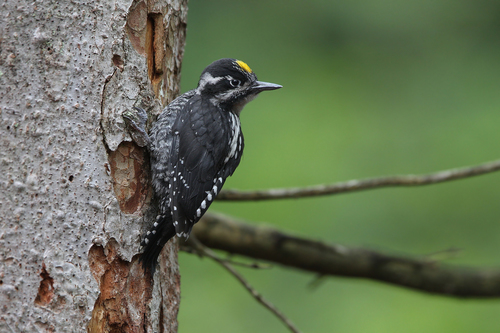 Picchio tridattilo
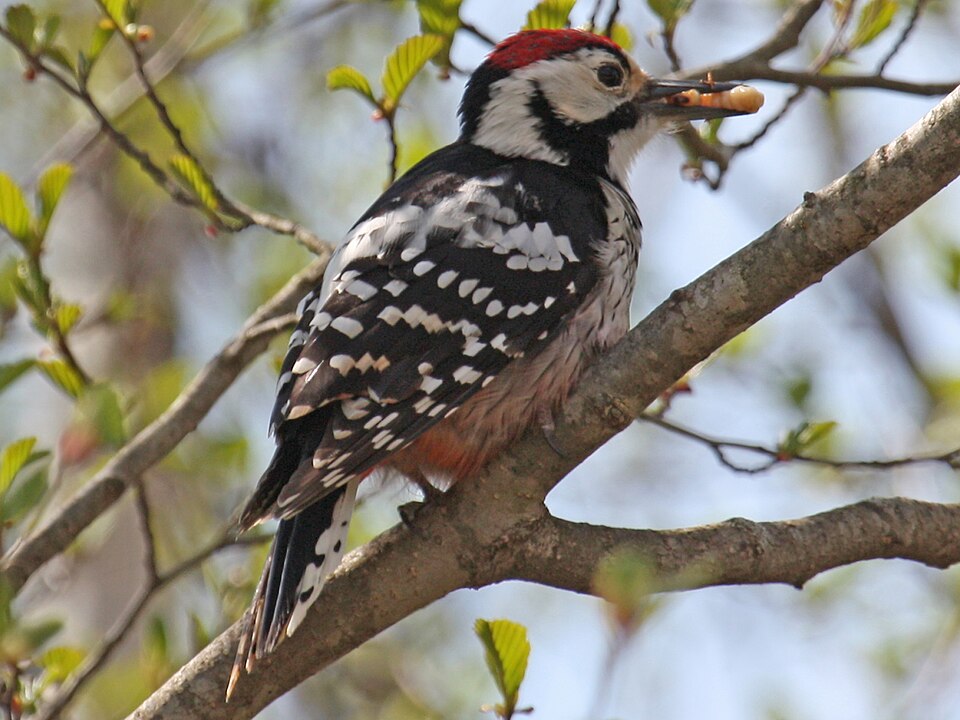 Picchio dorsobianco
In breve
Il segno di campo più affidabile tra il Picchio tridattilo e il Picchio dorsobianco è il colore della corona: il maschio tridattilo ha una corona gialla, mentre il maschio dorsobianco mostra una corona rossa; anche le femmine differiscono (nera nel dorsobianco, gialla nel tridattilo giovanile). In volo o posato, il Picchio tridattilo non ha alcun rosso sulla testa come femmina adulta, e entrambi i sessi mostrano un dorso barrato bianco e nero, mentre il Picchio dorsobianco ha sempre una parte bassa bianca solida e più bianco esteso sulle ali. Anche la dimensione è un indizio utile: il dorsobianco è notevolmente più grande e massiccio. Il Picchio tridattilo giovanile può mostrare una corona gialla, il che può causare confusione, ma la struttura generale e il modello delle ali rimangono distinti. Entrambe le specie hanno un piumaggio bianco e nero, ma il modello e l'estensione del bianco sono chiave per la separazione.
Consigli di identificazione
- Il colore della corona è il separatore più immediato: Il maschio del Picchio tridattilo ha una corona gialla, mai rossa; il maschio del Picchio dorsobianco ha una corona rossa. La femmina del tridattilo non ha alcuna corona colorata, mentre la femmina del dorsobianco ha una corona nera. Anche il tridattilo giovanile ha una corona gialla, il che può confondere gli incauti.
- Modello del dorso: Il Picchio tridattilo mostra un dorso bianco con barrature nere; il dorsobianco ha una parte bassa bianca solida con poche o nessuna barratura. Questo è particolarmente ovvio quando l'uccello è posato o visto da dietro.
- Modello delle ali in volo e posato: Il tridattilo ha ali nere con barrature bianche; il dorsobianco ha barre bianche sulle ali, non macchie, e un pannello bianco più esteso. In volo, cerca il contrasto e l'estensione del bianco sulle ali.
- Modello della coda: La coda del tridattilo è nera con piume esterne bianche barrate di nero; la coda del dorsobianco è meno distintivamente marcata ma manca dello stesso grado di barratura sulle piume esterne.
- Dimensione e struttura: Il dorsobianco è notevolmente più grande e massiccio, con un'apertura alare e una coda più lunghe. Se hai un punto di riferimento o vedi entrambe le specie insieme, questo è un forte indizio.
- Nessun rosso nelle parti inferiori: Nessuna delle due specie ha rosso sull'addome o sul vent, il che aiuta a separarle dal Picchio rosso maggiore ma non l'una dall'altra.
- Voce: Il tridattilo emette un forte 'kik' o 'chik'; le chiamate del dorsobianco sono più morbide ('kiuk', 'kweek'). Il tamburellare è molto più forte e potente nel dorsobianco.
- Habitat: Il tridattilo è quasi sempre in foreste di conifere, specialmente dove c'è stata recente morte degli alberi; il dorsobianco preferisce foreste decidue mature o miste con grandi alberi morti.
- Comportamento: Il tridattilo spesso cerca cibo su conifere morte, a volte in alto e poco appariscente; il dorsobianco è più probabile da vedere su alberi a foglia larga e può essere più ovvio a causa della sua dimensione e del tamburellare forte.
- Nessun rosso nel tridattilo adulto: Se vedi del rosso sulla corona, non è un tridattilo adulto (a meno che non sia un giovanile con una corona gialla).
- Confusione giovanile: Il tridattilo giovanile con corona gialla può essere scambiato per un maschio adulto, ma il resto del piumaggio e la struttura (dimensione più piccola, dorso barrato) dovrebbero chiarire.
- Nessuna macchia bianca sulla spalla: A differenza del Picchio rosso maggiore, nessuna delle due specie ha una grande macchia bianca sulla spalla, ma le barre bianche del dorsobianco possono sembrare una macchia in volo.
- Movimento stagionale: Il tridattilo è generalmente residente, ma può spostarsi a quote più basse in inverno; il dorsobianco è meno probabile che si sposti lontano.
- Sito del nido: Entrambi scavano fori per il nido, ma il tridattilo è più probabile che utilizzi conifere morte, il dorsobianco alberi decidui morti.
- Trappola: Non fare affidamento solo sull'assenza di rosso: la femmina del dorsobianco ha una corona nera e il tridattilo giovanile ha una corona gialla. Controlla sempre il modello del dorso e delle ali per conferma.
Taglia
Il Picchio dorsobianco è significativamente più grande, misurando 24–26 cm di lunghezza con un'apertura alare di 38–40 cm, rendendolo il più grande picchio maculato nel Palearctico occidentale [wikipedia]. Il Picchio tridattilo è più piccolo, con una lunghezza di 21–22 cm. Sul campo, il dorsobianco appare più massiccio e con una coda più lunga, mentre il tridattilo è più compatto e leggermente più piccolo del Picchio rosso maggiore. Se visti insieme o con altri picchi per scala, la dimensione è un forte segno di supporto.
Piumaggio
- Giovanili: I Picchi tridattili giovanili di entrambi i sessi hanno una corona gialla, il che può essere una trappola per gli osservatori che si aspettano rosso sulla testa per tutti i picchi. I maschi del Picchio dorsobianco giovanile hanno una corona rossa, le femmine nera, corrispondente al modello adulto.
- Adulti: Il maschio del Picchio tridattilo ha una corona gialla, mai rossa; la femmina adulta non ha alcuna corona colorata. I maschi del dorsobianco hanno una corona rossa, le femmine una corona nera. Il dorso del Picchio tridattilo è bianco con barrature nere, mentre il dorsobianco ha una parte bassa bianca solida con poche o nessuna barratura. Sulle ali, il tridattilo mostra ali nere con barrature bianche e fianchi bianchi con barre nere; il dorsobianco ha barre bianche sulle ali (non macchie) e un pannello bianco più esteso. La coda del tridattilo è nera con piume esterne bianche barrate di nero, mentre il modello della coda del dorsobianco è meno distintivo ma manca dello stesso grado di barratura sulle piume esterne. Nessuna delle due specie ha rosso nelle parti inferiori, ma il dorsobianco ha più contrasto tra la parte bassa bianca e il resto del corpo.
Comportamento
Entrambe le specie cercano cibo sui tronchi e sui rami degli alberi, spesso in foreste mature. Il Picchio tridattilo è più probabile da vedere mentre scala la corteccia per le larve di coleotteri, specialmente in aree con recente morte degli alberi (ad esempio, dopo incendi forestali o inondazioni). Il Picchio dorsobianco è meno specializzato in questo senso ma è anche un cercatore di cibo sulla corteccia. Il tamburellare è molto più forte nel dorsobianco, e può essere più evidente quando presente. Entrambi scavano fori per il nido in alberi morti o morenti, ma il tridattilo è più legato alle foreste di conifere e spesso segue le epidemie di insetti xilofagi.
Habitat
Il Picchio tridattilo è fortemente associato a foreste di conifere in tutta l'Eurasia settentrionale, spesso in aree con alte densità di alberi morti o morenti. Può anche essere trovato a quote più elevate nelle Alpi e nei Carpazi. Il Picchio dorsobianco preferisce foreste decidue mature o miste, specialmente quelle con abbondante legno morto. Anche se i loro areali si sovrappongono, la preferenza dell'habitat può essere un utile indizio: il tridattilo è molto più probabile in boschi puri di conifere, mentre il dorsobianco favorisce boschi a foglia larga o misti con grandi alberi vecchi.
Voce
Il Picchio tridattilo emette un forte 'kik' o 'chik', mentre le chiamate del Picchio dorsobianco includono un 'kiuk' più morbido e un 'kweek' più lungo. Il tamburellare è un forte separatore: il tamburellare del dorsobianco è molto forte e potente, mentre quello del tridattilo è più morbido e meno risonante. In pratica, la qualità e il volume del tamburellare possono aiutare, ma le chiamate sono abbastanza simili e non sempre diagnostiche a distanza.
Picchio tridattilo · Picchio dorsobianco · I miei uccelli difficili