

Motmot

ヒバリ 対 ノハラツグミ

Alauda arvensis 対 Turdus pilaris

ヒバリとノハラツグミのクイズ
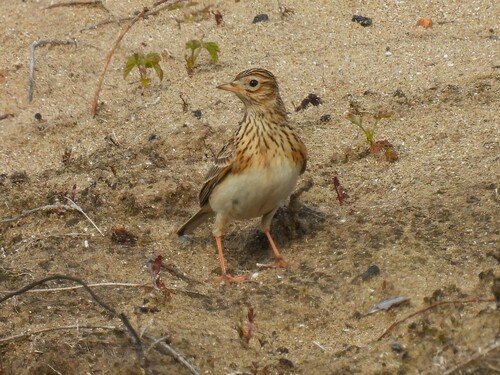
ヒバリ (Alauda arvensis) ヒバリ
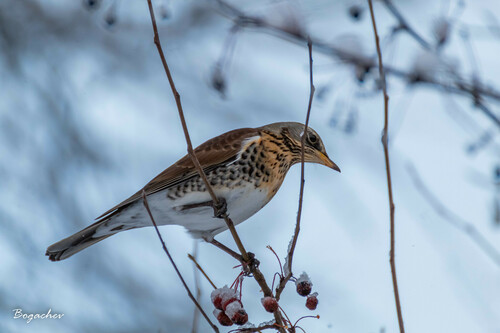
ノハラツグミ (Turdus pilaris) ノハラツグミ

メディア

読み込み中…

要点

ユーラシアヒバリとノハラツグミの最も信頼できるフィールドマークは、ノハラツグミの大胆なスレートグレーの頭部と尾部、そして飛行中に見える目を引く白いアンダーウィングカバーと比較して、ヒバリの全体的な茶色でストリーキーな外観と翼と尾の白い後縁です。幼鳥のノハラツグミは鈍い色合いですが、依然としてツグミのようなパターンを示し、ヒバリはすべての年齢で茶色で目立たず、短い冠と白い後部翼/尾の縁を除いては目立ちません。飛行中、ノハラツグミは大きくて頑丈に見え、明確なツグミの特徴を持っていますが、ヒバリは小さく、短い尾と広い翼を持ち、しばしばホバリングしているのが見られます。鳴き声も異なります:ヒバリのオスはホバリング飛行中に長く、泡立つような歌を歌い、ノハラツグミは特に飛行中に厳しい「ツァクツァク」という呼び声を発します。

識別のコツ

  1. 飛行中は白いアンダーウィングカバーと腋羽を探す: ノハラツグミだけが翼の下にこれらの大胆な白い斑点を示し、下から見える距離でも確認できます。ヒバリはこの特徴を示しません。
  2. スレートグレーの頭部と尾部: ノハラツグミの成鳥は、栗色の背中と黒っぽい尾と対照的な独特の灰色の頭部と尾部を持っています。ヒバリは全体が茶色でストリーキーで、灰色や栗色はありません。
  3. 胸のパターン: ノハラツグミは大胆に斑点のあるクリーミーなバフ色の胸と喉を持ち、明確な暗い斑点があります。ヒバリは下側が淡く、細かいストリーキングがあり、決して大胆なツグミのような斑点はありません。
  4. 尾の形とパターン: ノハラツグミの尾は14本の羽を持つ丸みを帯びた形で、外側の羽の内側の端にいくつかの白があります。ヒバリの尾は短く、飛行中に後ろからのみ白い縁が見えます。
  5. 冠: ヒバリは短く鈍い冠を持ち、上げたり下げたりでき、時々止まっているときや警戒しているときに見えることがあります。ノハラツグミには冠がありません。
  6. サイズと構造: ノハラツグミははるかに大きく、ずんぐりしており、ツグミの形をしていて、強くてわずかに曲がったくちばしを持っています。ヒバリは小さく、より繊細で、細いくちばしとコンパクトな体を持っています。
  7. 飛行スタイル: ヒバリはしばしばホバリングして、開けた野原の上空で歌い、小さな点のように見えます。ノハラツグミは直接飛び、しばしば群れで飛び、ホバリングすることはほとんどありません。
  8. 止まり方: ノハラツグミは木や露出した枝に止まることが多く、特に群れで見られます。ヒバリはほとんど常に地面に留まり、低い草の中にいます。
  9. 幼鳥の混乱: 幼鳥のノハラツグミは鈍い色合いですが、依然としてツグミのようなパターンと淡いストリーキングを示し、すぐに成鳥の羽毛に換羽します。ヒバリの幼鳥は成鳥のように見えます—茶色でストリーキーで、大胆なパターンはありません。
  10. 鳴き声: ヒバリの歌は、飛行中に届けられる長くて音楽的なワーブルです。ノハラツグミの呼び声は厳しい「ツァクツァク」で、特に飛行中や警戒時に発せられ、その歌は弱く、めったに聞かれません。
  11. 生息地の文脈: 鳥が開けた農地や草地にいる場合、特に空中で歌っている場合は、ヒバリの可能性が高いです。木や生け垣、冬の群れにいる場合、特に厳しい呼び声がある場合は、ノハラツグミの可能性が高いです。
  12. くちばしの色: ノハラツグミのくちばしは冬にオレンジ黄色、夏に黄色で、先端が暗いです;ヒバリのくちばしは平坦で細いです。
  13. 性差: ノハラツグミの雌はオスよりも茶色がかり、あまり大胆に斑点がありませんが、依然として同じ全体的なパターンを示します。ヒバリのオスはホバリング用に広い翼を持っていますが、その他は雌と似ています。
  14. 歌のディスプレイ: ヒバリだけが長く持続的な歌の飛行を行います。ノハラツグミはこのようにディスプレイしません。
  15. 翼と尾の白: ヒバリは翼と尾の後縁にのみ白を示し、後ろから見える;ノハラツグミの白はアンダーウィングと内側の尾の端にあり、下から見えます。

大きさ

ノハラツグミはユーラシアヒバリよりもかなり大きく、重いです。ノハラツグミは平均25 cmの長さで、翼幅は39–42 cm、体重は約105 g [wikidata]であり、ユーラシアヒバリは長さが18–19 cmで、明らかに軽い体型です(質量は示されていませんが、ノハラツグミよりもかなり少ないです)。ノハラツグミは頑丈でツグミのように見えますが、ヒバリはコンパクトで繊細です。

羽色

幼鳥のノハラツグミは成鳥よりも鈍い色合いですが、依然として淡いストリーキングとツグミのようなパターンを示し、秋までに成鳥の独特の羽毛に急速に換羽します。両性の成鳥はスレートグレーの頭、後頭部、尾、暗い茶色の背中、黒っぽい尾、そして大胆に斑点のある胸を持っています。飛行中、ノハラツグミは白いアンダーウィングカバーと腋羽を示し、外側の羽の内側の端にいくつかの白を持つ丸い尾を持っています。すべての年齢のユーラシアヒバリは上面が茶色で、下面が淡く、細かいストリーキングと短く鈍い冠を持っています。飛行中、ヒバリは短い尾と広い翼を示し、尾と後部翼に白い縁があります—これらは鳥が飛び去るときにのみ見えます。ヒバリは大胆な灰色、栗色、または黒っぽいパターンを持たず、決してノハラツグミの白いアンダーウィングのフラッシュを示しません。両種の性差は微妙ですが、ノハラツグミの雌はオスよりも少し茶色がかり、あまり大胆に斑点がありませんが、ヒバリのオスはホバリング用に広い翼を持っています。

行動

ユーラシアヒバリはそのディスプレイ飛行で有名です:オスは高く空中でホバリングし、数分間連続して歌い、しばしば空の点のように見えます。地面では目立たず、草の中を移動し、高く止まることはほとんどありません。ノハラツグミは木や露出した枝に止まることがはるかに多く、しばしば群れで見られ、ツグミ特有の強く直接的な飛行をします。ノハラツグミはホバリングすることはほとんどなく、ヒバリのように空中でディスプレイしません。冬には、ノハラツグミは特に開けた田舎やベリーを食べているときに、大きくて騒がしい群れで見られることがよくあります。

生息環境

ユーラシアヒバリは開けた農地、草地、ヒースの鳥で、森林や密な低木に入ることはほとんどありません。ノハラツグミは森林や低木で繁殖しますが、特に冬には開けた野原で見られることが多く、時にはヒバリの生息地と重なります。しかし、ノハラツグミは繁殖シーズン外では木や生け垣で見つかる可能性が高く、ヒバリは木を避けて開けた地面に留まります。

声

ヒバリのオスは、通常は開けた地面の高いところで持続的にホバリング飛行中に与えられる長く泡立つような歌を届けます。歌は数分間続くことができ、連続的で明確で音楽的です。ノハラツグミは同じように飛行中に歌いません;彼らの主な鳴き声は厳しい、繰り返される「ツァクツァク」という呼び声で、特に飛行中や警戒時に発せられます。彼らの歌は弱く、めったに聞かれず、黒鳥のようなフレーズときしみの混合で、通常は止まり木から発せられます。飛行中の呼び声の違いは特に役立ちます:ヒバリは音楽的で連続的で、ノハラツグミは厳しくおしゃべりです。

より良い説明を送る

比較と同じ項目を使ってください。文章はすぐに公開されます。

The most reliable field mark between Eurasian Skylark and Fieldfare is the Fieldfare's bold, slate-grey head and rump, and its striking white underwing coverts visible in flight, compared to the Skylark's overall brown, streaky appearance and white trailing edges on the wings and tail. Juvenile Fieldfares are duller but still show a thrush-like pattern, while Skylarks of all ages remain brown and inconspicuous except for their short crest and white rear wing/tail edges. In flight, Fieldfares appear larger and more robust with a distinct thrush jizz, while Skylarks are smaller, with short tails and broad wings, often seen hovering. Vocalizations are also distinct: Skylark males deliver long, bubbling songs in hovering flight, while Fieldfares give harsh 'tsak tsak' calls, especially in flight.

  1. In flight, look for white underwing coverts and axillaries: Only Fieldfare shows these bold white patches under the wing, visible from below and at a distance. Skylark never shows this feature.
  2. Slate-grey head and rump: Fieldfare adults have a distinctive grey head and rump, contrasting with a chestnut back and blackish tail. Skylark is brown and streaky all over, with no grey or chestnut.
  3. Breast pattern: Fieldfare has a boldly speckled, creamy-buff breast and throat, with clear dark spots. Skylark is paler below with fine streaking, never with bold thrush-like spots.
  4. Tail shape and pattern: Fieldfare's tail is rounded with 14 feathers and some white on the inner edge of the outer feathers. Skylark's tail is short, with white edges only visible from behind in flight.
  5. Crest: Skylark has a short, blunt crest that can be raised and lowered, sometimes visible when perched or alert. Fieldfare lacks any crest.
  6. Size and structure: Fieldfare is much larger, bulkier, and thrush-shaped, with a strong, slightly curved bill. Skylark is smaller, more delicate, with a fine bill and compact body.
  7. Flight style: Skylark often hovers and sings high above open fields, appearing as a small dot. Fieldfare flies directly, often in flocks, and rarely hovers.
  8. Perching behavior: Fieldfares perch in trees or on exposed branches, especially in groups. Skylarks almost always stay on the ground or low in vegetation.
  9. Juvenile confusion: Juvenile Fieldfares are duller but still show a thrush-like pattern and pale streaks, quickly moulting into adult plumage. Skylark juveniles look like adults—brown and streaky, with no bold pattern.
  10. Vocalizations: Skylark's song is a long, musical warble delivered in flight. Fieldfare's call is a harsh 'tsak tsak', especially in flight or alarm; its song is weak and rarely heard.
  11. Habitat context: If the bird is in open farmland or grassland, especially singing in the air, Skylark is likely. If in a tree, hedgerow, or in a flock in winter, especially with harsh calls, Fieldfare is likely.
  12. Bill color: Fieldfare's bill is orange-yellow in winter, yellow in summer, with a dark tip; Skylark's bill is plain and fine.
  13. Sex differences: Fieldfare females are browner and less boldly marked than males, but still show the same overall pattern. Skylark males have broader wings for hovering but are otherwise similar to females.
  14. Song display: Only Skylark performs long, sustained song-flights. Fieldfare does not display this way.
  15. White on wings and tail: Skylark shows white only on the trailing edge of the wing and tail, visible from behind; Fieldfare's white is on the underwing and inner tail edges, visible from below.

Fieldfare is significantly larger and heavier than Eurasian Skylark. Fieldfare averages 25 cm in length with a wingspan of 39–42 cm and a body mass around 105 g [wikidata], while Eurasian Skylark is smaller at 18–19 cm in length and a noticeably lighter build (no mass given, but much less than Fieldfare). Fieldfares look robust and thrush-like, whereas Skylarks are compact and delicate.

Juvenile Fieldfares are duller than adults but still show pale streaks and a thrush-like pattern, quickly moulting into the adult's distinctive plumage by autumn. Adults of both sexes have a slate-grey head, nape, and rump, a dark brown back, blackish tail, and a boldly speckled breast. In flight, Fieldfares show white underwing coverts and axillaries, and a rounded tail with some white on the inner edges of the outer feathers. Eurasian Skylarks of all ages are brown above and paler below, with fine streaking and a short, blunt crest. In flight, Skylarks show a short tail and broad wings, with white edges on the tail and rear wing—these are only visible when the bird is flying away. Skylarks lack any bold grey, chestnut, or blackish patterning, and never show the Fieldfare's white underwing flash. Sex differences are subtle in both species, but Fieldfare females are a bit browner and less boldly marked than males, while Skylark males have broader wings for hovering.

Eurasian Skylarks are famous for their display flights: males hover high in the air, singing continuously for minutes, often appearing as a dot in the sky. On the ground, they are inconspicuous, moving through grass and rarely perching high. Fieldfares are much more likely to perch in trees or on exposed branches, often in flocks, and fly with a strong, direct flight typical of thrushes. Fieldfares rarely hover and do not display in the air like Skylarks. In winter, Fieldfares are often seen in large, noisy groups, especially in open countryside or feeding on berries.

Eurasian Skylarks are birds of open farmland, grassland, and heath, rarely venturing into woodland or dense scrub. Fieldfares breed in woodland and scrub but are often seen in open fields, especially in winter, sometimes overlapping with Skylark habitat. However, Fieldfares are more likely to be found in trees or hedgerows, especially outside the breeding season, while Skylarks avoid trees and stick to open ground.

Skylark males deliver a long, bubbling, warbling song, usually given in sustained hovering flight high above open ground. The song can last several minutes and is continuous, clear, and musical. Fieldfares do not sing in flight in the same way; their main vocalization is a harsh, repeated 'tsak tsak' call, especially in flight or when alarmed. Their song is weak and rarely heard, a mix of blackbird-like phrases and squeaks, usually given from a perch. The difference in flight calls is especially useful: Skylark is musical and continuous, Fieldfare is harsh and chattering.

変更を破棄しますか?

保存していない編集があります。今離れると失われます。

ヒバリ · ノハラツグミ · 苦手な鳥