

Motmot

ヨーロッパヨタカ 対 ヨーロッパクイナ

Caprimulgus europaeus 対 Rallus aquaticus

ヨーロッパヨタカとヨーロッパクイナのクイズ
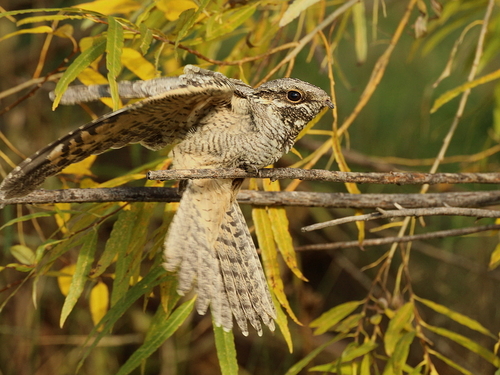
ヨーロッパヨタカ (Caprimulgus europaeus) ヨーロッパヨタカ
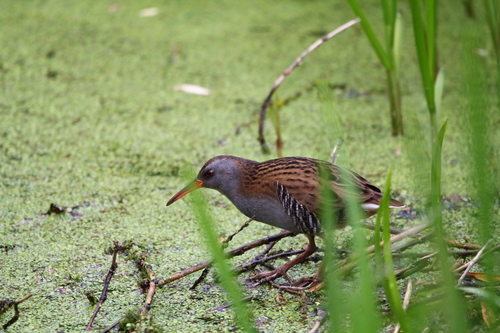
ヨーロッパクイナ (Rallus aquaticus) ヨーロッパクイナ

メディア

読み込み中…

要点

ヨーロッパヨタカとヨーロッパクイナを区別する最も信頼できる方法は、構造と行動によるものです:ヨタカは長い翼を持ち、隠れた空中の鳥で、特徴的な浮遊飛行をし、オスは大胆な白い翼と尾のフラッシュを持っています;ヨーロッパクイナは秘密主義で、横に圧縮された湿地の鳥で、長い赤いくちばし、短い尾、そして葦の中をうろつく習性があります。幼鳥と成鳥の羽毛は非常に異なります:ヨタカはカモフラージュのために灰色と茶色の複雑な模様を持ち、ヨーロッパクイナは茶色の上面、青灰色の下面、そして大胆な黒と白の側面の縞模様を示します。飛行中、ヨタカの長く尖った翼と静かな蛾のような動きは、クイナの短く丸い翼と弱くひらひらした飛行と鋭く対照的です。生息地も強い手がかりです:ヨタカは夕暮れや夜に開けた乾燥した生息地で見られ、ヨーロッパクイナは密集した湿った葦の中に厳密に結びついています。

識別のコツ

  1. Flight structure: ヨタカは長く尖った翼と長い尾を持ち、ヨーロッパクイナは短く丸い翼と短い尾を持っています。これは飛行中に最も明らかです。
  2. Male Nightjar wing/tail flashes: 飛行中、オスのヨタカは翼に大胆な白い斑点(3つの初列風切羽)と外側の尾羽の白い先端を示します。メスのヨタカとすべてのヨーロッパクイナはこれらの白いフラッシュを欠いています。
  3. Bill shape and color: ヨーロッパクイナは長く、わずかに下向きに曲がった赤いくちばしを持ち、ヨタカの短く黒っぽいくちばしよりもはるかに長いです。これは遠くからでも見えます。
  4. Body shape: ヨタカはスレンダーで細長く、平らな頭と大きな目を持ち、空中での採餌に適応しています。ヨーロッパクイナは横に圧縮され、葦の中をすり抜けるために平らな体を持っています。
  5. Plumage pattern: ヨタカは暗い筋模様のある灰色と茶色の複雑な模様を持ち、淡いバフの襟があります;ヨーロッパクイナは上面が茶色、下面が青灰色で、大胆な黒と白の縞模様と白い尾羽を持っています。
  6. Juvenile confusion: 幼鳥のヨーロッパクイナはバフの下面とバフの尾羽を持っていますが、長いくちばしと茶色の上面を示します。幼鳥のヨタカは成鳥のメスに似ていますが、翼や尾に白がなく、隠れた筋模様の羽毛を持っています。
  7. Undertail color: ヨーロッパクイナの成鳥は一部に暗い筋模様のある白い尾羽を持っています;ヨタカの尾羽は模様があり、純白ではありません。
  8. Behavior: ヨタカは夕暮れや夜に活動的で、しばしば飛んだり、枝に止まったり、地面にいるのが見られます;ヨーロッパクイナは秘密主義で、葦の中をうろつき、見えることはほとんどありません。
  9. Habitat: ヨタカは開けた乾燥した生息地(ヒース、森林の明るい場所)に見られ、ヨーロッパクイナは密集した湿った葦の中や湿地に厳密に生息しています。
  10. Vocalizations: ヨタカのチュリチュリという音は、ヨーロッパクイナの豚のような鳴き声やうめき声とは非常に異なります。もし夕暮れにチュリチュリという音を聞いたら、ヨタカを考えてください;もし葦からの鳴き声を聞いたら、ヨーロッパクイナを考えてください。
  11. Legs and feet: ヨーロッパクイナは柔らかい泥の上を歩くために適応した長い指と肉色の脚を持っています;ヨタカの脚と足は短く茶色で、止まっているとき以外はほとんど見えません。
  12. Daytime visibility: ヨタカは日中に見つけるのが非常に難しく、カモフラージュに依存しています;ヨーロッパクイナも elusive ですが、見られるよりも聞かれる可能性が高いです。
  13. Sex differences: オスのヨタカだけが翼と尾に白を示します;ヨーロッパクイナの性別は似ており、オスはわずかに大きく、強い尾羽の筋模様を持っています。
  14. Moult and flightlessness: ヨーロッパクイナは繁殖後約3週間飛べなくなります;ヨタカは繁殖後に羽が生え変わりますが、飛ぶ能力は残ります。
  15. Context clues: もし夕暮れに開けた地形で飛んでいる鳥を見たら、特に白い翼のフラッシュがあれば、それはヨタカです。もし長い赤いくちばしを持つ葦の中をうろつく鳥を見たら、それはヨーロッパクイナです。

大きさ

ヨーロッパクイナは平均してやや重く(成鳥の質量約111.5 g)、ヨーロッパヨタカ(オス51–101 g、メス67–95 g)よりもわずかに重いですが、両者は長さが似ています(ヨタカ24.5–28 cm、クイナ23–28 cm)。しかし、ヨタカはヨーロッパクイナ(38–45 cm)に比べて翼幅がはるかに長く(52–59 cm)、より細長く空中の外観を持っています。ヨーロッパクイナはよりコンパクトで横に平らになっており、葦の中をすり抜けるために適応していますが、ヨタカは浮遊し持続的な飛行のために構築されています。

羽色

行動

ヨーロッパヨタカは薄明かり/夜行性で、夕暮れや夜に飛んでいるのが最もよく見られ、時には枝に止まったり、地面にいることもあります。カモフラージュに依存しています。その飛行は浮遊的で静かで、蛾のようで、しばしば滑空や急なターンを伴います。ヨーロッパクイナは秘密主義で地上性で、開けた場所で見られることはほとんどなく、横に圧縮された体で密集した葦の中を移動します。見られるよりも聞かれる可能性がはるかに高く、追い立てられると弱く短時間飛び、すぐに隠れ場所に戻ります。ヨタカは、休息から追い立てられたとき以外は日中に見られることはほとんどありません。

生息環境

ヨタカは開けた乾燥した生息地—ヒースランド、明るい場所、森林の端、または開けた森林—で繁殖し、休息します。水から遠く離れていることが多いです。夕暮れや夜に活動的です。ヨーロッパクイナは厳密に湿地の種で、密集した良く植生された葦の中、湿地、湿った溝に生息しています。乾燥した開けた生息地では決して見られず、カバーと水に非常に依存しています。もし厚い葦や湿地で鳥を見たら、それはほぼ確実にヨーロッパクイナであり、ヨタカではありません。

声

ヨタカのオスは夕暮れや夜明けに長い機械的なチュリチュリという音を出し、時には泡立つようなチュリチュリや翼を叩く音で終わることがあります;両性は飛行中に短い「クイック」という呼び声を出します。この歌は腹話術的で、モグラバチに混同されることがあります。ヨーロッパクイナは特徴的な豚のような鳴き声やさまざまなうめき声やきしみを出し、ヨタカのチュリチュリとは非常に異なります。ヨーロッパクイナは特に日中に聞かれる可能性が高く、見られることは少ないです。

より良い説明を送る

比較と同じ項目を使ってください。文章はすぐに公開されます。

The most reliable way to separate Eurasian Nightjar from Water Rail is by structure and behavior: nightjars are long-winged, cryptic, aerial birds with a distinctive buoyant flight and, in males, bold white wing and tail flashes; Water Rails are secretive, laterally compressed wetland birds with a long red bill, short tail, and a habit of skulking through reeds. Juvenile and adult plumages are very different: nightjars are intricately patterned in greys and browns for camouflage, while Water Rails show brown upperparts, blue-grey underparts, and bold black-and-white flank barring. In flight, the nightjar's long pointed wings and silent, moth-like movement contrast sharply with the rail's short, rounded wings and weak, fluttery flight. Habitat is also a strong clue: nightjars are found in open, dry habitats at dusk or night, while Water Rails are strictly tied to dense, wet reedbeds.

  1. Flight structure: Nightjar has long, pointed wings and a long tail; Water Rail has short, rounded wings and a short tail. This is most obvious in flight.
  2. Male Nightjar wing/tail flashes: In flight, male Nightjar shows bold white patches on the wings (three primaries) and white tips to the outer tail feathers. Female Nightjar and all Water Rails lack these white flashes.
  3. Bill shape and color: Water Rail has a long, slightly down-curved red bill, much longer than the Nightjar's short, blackish bill. This is visible even at a distance.
  4. Body shape: Nightjar is slender and elongated with a flat head and large eyes, adapted for aerial feeding. Water Rail is laterally compressed, with a flattened body for squeezing through reeds.
  5. Plumage pattern: Nightjar is intricately patterned grey-brown with dark streaks and a pale buff collar; Water Rail is brown above, blue-grey below, with bold black-and-white barred flanks and a white undertail.
  6. Juvenile confusion: Juvenile Water Rails have buff underparts and a buff undertail, but still show a long bill and brown upperparts. Juvenile Nightjars resemble adult females but lack white in the wings/tail and have cryptic, streaked plumage.
  7. Undertail color: Water Rail adults have a white undertail with some dark streaks; Nightjar's undertail is patterned and never pure white.
  8. Behavior: Nightjar is active at dusk and night, often seen flying or perched along a branch or on the ground; Water Rail is secretive, skulking in reeds, rarely seen in the open except when flushed.
  9. Habitat: Nightjar is found in open, dry habitats (heath, woodland clearings); Water Rail is strictly in dense, wet reedbeds and marshes.
  10. Vocalizations: Nightjar's churring trill is very different from Water Rail's pig-like squeal and grunts. If you hear a churring at dusk, think Nightjar; if you hear a squeal from reeds, think Water Rail.
  11. Legs and feet: Water Rail has long toes and flesh-brown legs, adapted for walking on soft mud; Nightjar's legs and feet are short and brown, rarely seen except when perched.
  12. Daytime visibility: Nightjar is very hard to find by day, relying on camouflage; Water Rail is also elusive, but more likely to be heard than seen.
  13. Sex differences: Only male Nightjar shows white in the wings and tail; Water Rail sexes are similar, with males slightly larger and stronger undertail streaks.
  14. Moult and flightlessness: Water Rail is flightless for about three weeks after breeding due to moult; Nightjar moults after breeding but remains flight-capable.
  15. Context clues: If you see a bird flying at dusk in open terrain, especially with white wing flashes, it's a Nightjar. If you glimpse a skulking bird in reeds with a long red bill, it's a Water Rail.

Water Rail is slightly heavier on average (adult mass ~111.5 g) than Eurasian Nightjar (males 51–101 g, females 67–95 g), but both are similar in length (Nightjar 24.5–28 cm, Rail 23–28 cm). However, Nightjar has a much longer wingspan (52–59 cm) compared to Water Rail (38–45 cm), giving it a more elongated and aerial appearance. Water Rail is more compact and laterally flattened, adapted for squeezing through reeds, while Nightjar is built for buoyant, sustained flight.

  • Juvenile/immature birds: Nightjar fledglings are similar to adult females, with cryptic grey-brown plumage and no white in the wings or tail. Water Rail juveniles have a blackish crown, white chin and throat, buff or white underparts with brown and buff flank markings, and a buff undertail (not the adult's white). Their bill and legs are duller than adults.
  • Adults: Nightjar adults are intricately patterned grey-brown above with dark streaks, a pale buff hindneck collar, and (in males) bold white patches on the wings and tail visible in flight. Females lack white in the wings/tail. Water Rail adults have olive-brown upperparts with black streaks, dark slate-blue underparts, black-and-white barred flanks, a white undertail, and a long red bill. Both sexes are similar in Water Rail, but males may have stronger black undertail streaks.
  • Flight: Nightjar's long, pointed, soft wings and white wing/tail flashes (male) are unique; Water Rail has short, rounded wings and no white in the wings, with a white undertail often visible as it flicks its tail. Nightjar's plumage is cryptic for ground roosting, while Water Rail's is for reedbed concealment.

Eurasian Nightjar is crepuscular/nocturnal, most often seen flying at dusk or night, sometimes perching along branches or on the ground, relying on camouflage. Its flight is buoyant, silent, and moth-like, often with glides and abrupt turns. Water Rail is secretive and terrestrial, rarely seen in the open, moving through dense reeds with a laterally compressed body. It is much more likely to be heard than seen, and when flushed, flies weakly and briefly before dropping back into cover. Nightjar is rarely seen during the day except when flushed from a roost.

Nightjar breeds and roosts in open, dry habitats—heathland, clearings, forest edges, or open woodland—often far from water. It is active at dusk and night. Water Rail is strictly a wetland species, inhabiting dense, well-vegetated reedbeds, marshes, and wet ditches. It is never found in dry, open habitats and is highly dependent on cover and water. If you see a bird in thick reeds or marsh, it is almost certainly a Water Rail, not a Nightjar.

Nightjar males produce a long, mechanical churring trill at dusk or dawn, sometimes ending with a bubbling trill and wing-clapping; both sexes give a short 'cuick' call in flight. The song is ventriloquial and can be confused with mole cricket. Water Rail gives a distinctive pig-like squeal and a variety of grunts and squeaks, very different from the nightjar's churring. Water Rail is much more likely to be heard than seen, especially during the day.

変更を破棄しますか?

保存していない編集があります。今離れると失われます。

ヨーロッパヨタカ · ヨーロッパクイナ · 苦手な鳥