

Succiacapre vs Porciglione
Caprimulgus europaeus contro Rallus aquaticus
Fai un quiz con Succiacapre e Porciglione
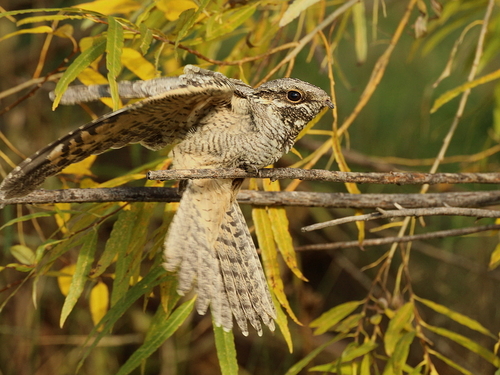 Succiacapre
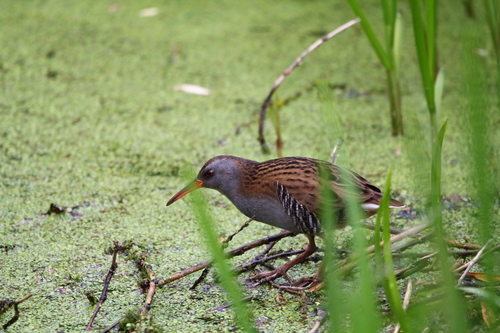 Porciglione
In breve
Il modo più affidabile per separare il Succiacapre dal Porciglione è attraverso la struttura e il comportamento: i succiacapre sono uccelli aerei, criptici e con ali lunghe, con un volo distintivo e galleggiante e, nei maschi, audaci riflessi bianchi sulle ali e sulla coda; i Porciglioni sono uccelli acquatici segreti, compressi lateralmente, con un lungo becco rosso, coda corta e un'abitudine a muoversi furtivamente tra le canne. Le piumature giovanili e adulte sono molto diverse: i succiacapre hanno un motivo intricato in grigi e marroni per il camuffamento, mentre i Porciglioni mostrano parti superiori marroni, parti inferiori blu-grigie e audaci strisce nere e bianche sui fianchi. In volo, le lunghe ali appuntite del succiacapre e il movimento silenzioso, simile a quello di una falena, contrastano nettamente con le ali corte e arrotondate del porciglione e il suo volo debole e tremolante. L'habitat è anche un forte indizio: i succiacapre si trovano in habitat aperti e asciutti al crepuscolo o di notte, mentre i Porciglioni sono strettamente legati a densi canneti umidi.
Consigli di identificazione
- Struttura del volo: Il Succiacapre ha ali lunghe e appuntite e una lunga coda; il Porciglione ha ali corte e arrotondate e una coda corta. Questo è più ovvio in volo.
- Riflessi delle ali/coda del maschio Succiacapre: In volo, il maschio Succiacapre mostra macchie bianche audaci sulle ali (tre primarie) e punte bianche sulle penne esterne della coda. La femmina Succiacapre e tutti i Porciglioni mancano di questi riflessi bianchi.
- Forma e colore del becco: Il Porciglione ha un lungo becco rosso leggermente curvato verso il basso, molto più lungo del corto becco nerastro del Succiacapre. Questo è visibile anche da lontano.
- Forma del corpo: Il Succiacapre è snodato ed allungato con una testa piatta e grandi occhi, adattati per l'alimentazione aerea. Il Porciglione è compresso lateralmente, con un corpo appiattito per passare tra le canne.
- Motivo della piumatura: Il Succiacapre ha un motivo intricato grigio-marrone con striature scure e un collare di buff pallido; il Porciglione è marrone sopra, blu-grigio sotto, con audaci fianchi a strisce nere e bianche e una coda bianca.
- Confusione giovanile: I giovanili Porciglioni hanno parti inferiori di buff e una coda di buff, ma mostrano ancora un lungo becco e parti superiori marroni. I giovanili Succiacapre assomigliano a femmine adulte ma mancano di bianco nelle ali/coda e hanno piumaggio criptico e striato.
- Colore della coda: Gli adulti Porciglioni hanno una coda bianca con alcune striature scure; la coda del Succiacapre è a motivo e non è mai completamente bianca.
- Comportamento: Il Succiacapre è attivo al crepuscolo e di notte, spesso visto volare o appollaiato su un ramo o a terra; il Porciglione è segreto, si muove furtivamente tra le canne, raramente visto in aperto se non quando viene disturbato.
- Habitat: Il Succiacapre si trova in habitat aperti e asciutti (brughiera, radure forestali); il Porciglione si trova esclusivamente in densi canneti umidi e paludi.
- Vocalizzazioni: Il trill gorgheggiante del Succiacapre è molto diverso dal grido simile a un maiale e dai grugniti del Porciglione. Se senti un gorgheggio al crepuscolo, pensa al Succiacapre; se senti un grido proveniente dalle canne, pensa al Porciglione.
- Zampe e piedi: Il Porciglione ha dita lunghe e zampe marroni, adattate per camminare su fango morbido; le zampe e i piedi del Succiacapre sono corti e marroni, raramente visti se non quando sono appollaiati.
- Visibilità diurna: Il Succiacapre è molto difficile da trovare di giorno, facendo affidamento sul camuffamento; il Porciglione è anche elusivo, ma è più probabile che venga sentito piuttosto che visto.
- Differenze sessuali: Solo il maschio Succiacapre mostra bianco nelle ali e nella coda; i sessi del Porciglione sono simili, con i maschi leggermente più grandi e striature più forti nella coda.
- Muta e incapacità di volare: Il Porciglione è incapace di volare per circa tre settimane dopo la riproduzione a causa della muta; il Succiacapre muta dopo la riproduzione ma rimane capace di volare.
- Indizi contestuali: Se vedi un uccello volare al crepuscolo in un terreno aperto, specialmente con riflessi bianchi sulle ali, è un Succiacapre. Se intravedi un uccello furtivo tra le canne con un lungo becco rosso, è un Porciglione.
Taglia
Il Porciglione è leggermente più pesante in media (massa adulta ~111,5 g) rispetto al Succiacapre (maschi 51–101 g, femmine 67–95 g), ma entrambi sono simili in lunghezza (Succiacapre 24,5–28 cm, Porciglione 23–28 cm). Tuttavia, il Succiacapre ha un'apertura alare molto più lunga (52–59 cm) rispetto al Porciglione (38–45 cm), conferendogli un aspetto più allungato e aereo. Il Porciglione è più compatto e appiattito lateralmente, adattato per passare tra le canne, mentre il Succiacapre è costruito per un volo galleggiante e sostenuto.
Piumaggio
- Uccelli giovanili/immaturi: I pulcini di Succiacapre sono simili a femmine adulte, con piumaggio criptico grigio-marrone e senza bianco nelle ali o nella coda. I giovanili Porciglioni hanno una corona nerastra, un mento e una gola bianchi, parti inferiori di buff o bianche con marcature marroni e di buff sui fianchi, e una coda di buff (non quella bianca degli adulti). Il loro becco e le loro zampe sono più opachi rispetto agli adulti.
- Adulti: Gli adulti Succiacapre hanno un motivo intricato grigio-marrone sopra con striature scure, un collare di buff pallido sul collo posteriore e (nei maschi) audaci macchie bianche sulle ali e sulla coda visibili in volo. Le femmine mancano di bianco nelle ali/coda. Gli adulti Porciglioni hanno parti superiori di oliva-marrone con striature nere, parti inferiori blu scuro, fianchi a strisce nere e bianche, una coda bianca e un lungo becco rosso. Entrambi i sessi sono simili nel Porciglione, ma i maschi possono avere striature nere più forti nella coda.
- Volo: Le lunghe, appuntite e morbide ali del Succiacapre e i riflessi bianchi sulle ali/coda (maschio) sono unici; il Porciglione ha ali corte e arrotondate e nessun bianco nelle ali, con una coda bianca spesso visibile mentre muove la coda. Il piumaggio del Succiacapre è criptico per il riposo a terra, mentre quello del Porciglione è per la camuffatura nei canneti.
Comportamento
Il Succiacapre è crepuscolare/notturno, più spesso visto volare al crepuscolo o di notte, a volte appollaiato su rami o a terra, facendo affidamento sul camuffamento. Il suo volo è galleggiante, silenzioso e simile a quello di una falena, spesso con planate e curve brusche. Il Porciglione è segreto e terrestre, raramente visto in aperto, muovendosi attraverso dense canne con un corpo compresso lateralmente. È molto più probabile che venga sentito piuttosto che visto, e quando viene disturbato, vola debolmente e brevemente prima di tornare a nascondersi. Il Succiacapre è raramente visto durante il giorno se non quando viene disturbato da un posatoio.
Habitat
Il Succiacapre nidifica e si riposa in habitat aperti e asciutti—brughiera, radure, margini forestali o boschi aperti—spesso lontano dall'acqua. È attivo al crepuscolo e di notte. Il Porciglione è strettamente una specie di habitat umido, abitante di densi canneti ben vegetati, paludi e fossati umidi. Non si trova mai in habitat asciutti e aperti ed è altamente dipendente dalla copertura e dall'acqua. Se vedi un uccello in canne fitte o in una palude, è quasi certamente un Porciglione, non un Succiacapre.
Voce
I maschi Succiacapre producono un lungo trill meccanico gorgheggiante al crepuscolo o all'alba, a volte terminando con un trill gorgheggiante e battiti d'ali; entrambi i sessi emettono un breve richiamo 'cuick' in volo. Il canto è ventriloquo e può essere confuso con il grillo talpa. Il Porciglione emette un grido distintivo simile a un maiale e una varietà di grugniti e squeaks, molto diversi dal gorgheggio del succiacapre. Il Porciglione è molto più probabile che venga sentito piuttosto che visto, specialmente durante il giorno.