

Motmot

ヨーロッパヨタカ 対 ナタールヨタカ

Caprimulgus europaeus 対 Caprimulgus natalensis

ヨーロッパヨタカとナタールヨタカのクイズ
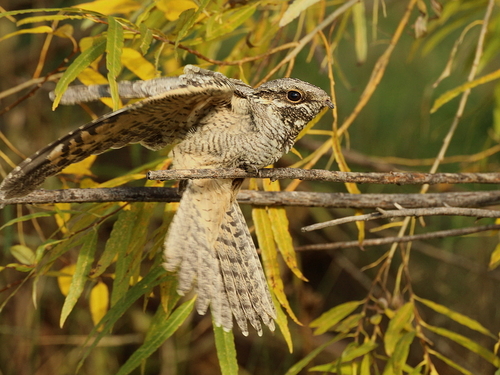
ヨーロッパヨタカ (Caprimulgus europaeus) ヨーロッパヨタカ
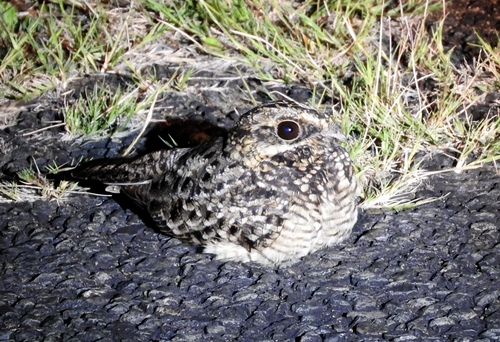
ナタールヨタカ (Caprimulgus natalensis) ナタールヨタカ

メディア

読み込み中…

要点

ヨーロッパヨタカとナタールヨタカを区別する最も信頼できるフィールドマークは、成鳥のオスのヨーロッパヨタカの翼と尾に見られる白い斑点の存在であり、ナタールヨタカにはこれがありません。幼鳥と雌のヨーロッパヨタカ、ならびにすべてのナタールヨタカはこれらの白いマーキングを示さないため、区別は羽毛や構造の微妙な違いに依存します。ヨーロッパヨタカは一般的に大きく、灰色がかっており、よりストライプ状の外観を持ち、ナタールヨタカはアフリカにのみ生息し、通常は暗く、コントラストが少ないです。両種は夜行性で隠れやすく、特に成鳥のオスの羽毛以外ではフィールドでの識別が難しいです。

識別のコツ

  1. 白い翼と尾の斑点(成鳥のオスのヨーロッパヨタカのみ): 飛行中、外側の一次羽と外側の尾羽の先端に大胆な白い斑点を探してください。ナタールヨタカはこれらのマークを決して示しません。両種の雌と幼鳥はこれを欠いているため、このマークは成鳥のオスにのみ診断的です。
  2. 全体のサイズと構造: ヨーロッパヨタカは大きく、翼が長く、より浮遊感のある蛾のような飛行をします。ナタールヨタカは小さく、よりコンパクトですが、サイズは直接比較なしでは判断が難しい場合があります。
  3. 上面の色合い: ヨーロッパヨタカは一般的に淡い灰褐色で、目立つ暗いストライプと淡い色の後頸部の襟があります。ナタールヨタカは暗く、コントラストが少なく、ストライプと襟があまり目立ちません。
  4. 翼の斑点(止まっているとき): ヨーロッパヨタカは閉じた翼に淡い斑点を示し、ナタールヨタカではこれがあまり明確でないか、欠けている場合があります。
  5. 幼鳥の混乱: 幼鳥のヨーロッパヨタカは成鳥の雌に似ており、白い斑点がないため、このマークでナタールヨタカと区別できません。全体の色とストライプに注目してください。
  6. 尾のパターン: 成鳥のオスのヨーロッパヨタカのみが外側の尾羽の先端に白い部分を示します。両種の雌と幼鳥は無地の尾を持っています。
  7. 飛行スタイル: ヨーロッパヨタカの飛行は非常に浮遊感があり、静かで、長く尖った翼を持っています。ナタールヨタカは飛行中にあまり細長く見えない場合があります。
  8. 生息地と範囲: ヨーロッパまたはアジアでは、その鳥はヨーロッパヨタカです。アフリカでは、両種が可能ですが、特にヨーロッパヨタカの越冬期間中に。ナタールヨタカはアフリカの外には生息しません。
  9. 止まっているときの外観: 両種は隠れやすく、止まっているときに見つけるのが難しいです。ヨーロッパヨタカはより淡く、ストライプが目立つように見えるかもしれませんが、ナタールヨタカはより暗く、均一です。
  10. 鳴き声: ヨーロッパヨタカのオスは、夕暮れや夜明けに長いチュリチュリというトリルを出します。ナタールヨタカの歌はここでは説明されていないため、両種に慣れていない限り、声に頼らないでください。
  11. 性差: 成鳥のオスのヨーロッパヨタカのみが翼と尾に白を示します。両種の雌と幼鳥は似ており、微妙な羽毛と構造によって最も区別されます。
  12. 季節的文脈: 白い翼と尾の斑点は、最初の基本的換羽の後にのみ見えるため、非常に若いヨーロッパヨタカはこれを欠いている場合があります。このマークを使用する際には、時期と年齢を考慮してください。
  13. 他のヨタカとの混乱: アフリカでは、ヨーロッパヨタカが他のCaprimulgus種と重なることがあります。常に白いマーキングと全体の色合いを確認してください。
  14. 照明条件: 両種は夕暮れや夜明けに最も活発であり、色やパターンを判断するのが難しいです。可能な限り構造と翼/尾のパターンを使用してください。
  15. 行動の手がかり: 両種は夕暮れ時の飛行や、ヨーロッパヨタカのチュリチュリという歌を聞くことで見つけることができます。ナタールヨタカの鳴き声は説明されていないため、注意してください。

大きさ

ヨーロッパヨタカは顕著に大きく、全長24.5〜28 cm、翼幅52〜59 cmです。オスは51〜101 g、雌は67〜95 gです。ナタールヨタカは小さいですが、正確な測定値は利用可能な情報源には提供されていません。フィールドでは、ヨーロッパヨタカは通常、ナタールヨタカと比較して、特に飛行中に長い翼を持ち、より大きく見えます。

羽色

成鳥のオスのヨーロッパヨタカは、外側の一次羽(3本の羽)に大胆な白い斑点と、2本の外側の尾羽の先端に白い部分を示し、これは飛行中および時には止まっているときにも見えます。ヨーロッパヨタカの雌と幼鳥はこれらの白いマークを欠いており、ナタールヨタカにより近い外観を持っています。ヨーロッパヨタカの成鳥と幼鳥は、暗いストライプのある灰褐色の上面、淡い色の後頸部の襟、そして閉じた翼に淡い斑点を持っています。対照的に、ナタールヨタカは一般的に全体的に暗く、ストライプが目立たず、後頸部の襟もあまり目立ちません。両種は止まっているときに非常に隠れやすいですが、ヨーロッパヨタカはより淡く、ストライプが目立つ傾向があり、ナタールヨタカはより均一に暗く、パターンが少ないように見えます。幼鳥のヨーロッパヨタカは成鳥の雌に似ており、白い翼と尾の斑点がないため、このマークを使用する際には年齢を考慮する必要があります。

行動

両種は薄明かりと夜行性であり、しばしば夕暮れや夜明けに浮遊感のある静かな飛行で見られます。ヨーロッパヨタカは、長く尖った翼で非常に浮遊感のある蛾のような飛行が特徴であり、ナタールヨタカよりもその特徴が際立つ場合があります。両種は止まっているときに見つけるのが難しく、隠れた羽毛と枝や地面にじっと座る傾向のためです。

生息環境

ヨーロッパヨタカは、ヨーロッパとユーラシアのほとんどで繁殖し、モンゴルと北西中国にまで広がり、アフリカで越冬します。ナタールヨタカはアフリカに生息し、ユーラシアには生息しません。生息地の重複は、ヨーロッパヨタカの越冬期間中にアフリカでのみ可能ですが、ナタールヨタカはアフリカの生息地により制限されています。ヨーロッパまたはアジアで観察された場合、その鳥はデフォルトでヨーロッパヨタカです。

声

ヨーロッパヨタカのオスは、夕暮れや夜明けに止まっている場所から長く持続するチュリチュリというトリルを歌い、時折バブルトリルや翼を叩くディスプレイを行います。両性は飛行中に短い「クイック、クイック」という呼び声とさまざまな警戒音や巣の呼び声を出します。ナタールヨタカの鳴き声は利用可能な情報源では説明されていないため、鳴き声の違いを現在の情報で信頼して区別することはできません。

より良い説明を送る

比較と同じ項目を使ってください。文章はすぐに公開されます。

The most reliable field mark to separate Eurasian Nightjar from Swamp Nightjar is the presence of white patches on the wings and tail of adult male Eurasian Nightjars, which Swamp Nightjars lack. Juvenile and female Eurasian Nightjars, as well as all Swamp Nightjars, do not show these white markings, so separation relies on subtler differences in plumage and structure. Eurasian Nightjar is generally larger, with a greyer and more streaked appearance, while Swamp Nightjar is found only in Africa and is typically darker and less contrasting. Both species are nocturnal and cryptic, making field identification challenging, especially outside of adult male plumage.

  1. White wing and tail patches (adult male Eurasian Nightjar only): In flight, look for bold white patches on the outer primaries and white tips to the outer tail feathers. Swamp Nightjar never shows these marks. Females and juveniles of both species lack them, so this mark is diagnostic only for adult males.
  2. Overall size and structure: Eurasian Nightjar is larger and longer-winged, with a more buoyant, moth-like flight. Swamp Nightjar is smaller and more compact, but size can be hard to judge without direct comparison.
  3. Upperpart coloration: Eurasian Nightjar is generally paler and more greyish-brown with prominent dark streaking and a buff hindneck collar. Swamp Nightjar is darker and less contrasting, with less obvious streaking and collar.
  4. Wing spotting (perched): Eurasian Nightjar shows buff spotting on the closed wing, which may be less distinct or absent in Swamp Nightjar.
  5. Juvenile confusion: Juvenile Eurasian Nightjars resemble adult females and lack white patches, so cannot be separated from Swamp Nightjar by this mark. Focus on overall color and streaking.
  6. Tail pattern: Only adult male Eurasian Nightjar shows white tips to the outer tail feathers. Females and juveniles of both species have plain tails.
  7. Flight style: Eurasian Nightjar's flight is described as very buoyant and silent, with long, pointed wings. Swamp Nightjar may appear less elongated in flight.
  8. Habitat and range: In Europe or Asia, the bird is Eurasian Nightjar. In Africa, both species are possible, especially during Eurasian Nightjar's wintering period. Swamp Nightjar does not occur outside Africa.
  9. Perched appearance: Both species are cryptic and difficult to see when perched. Eurasian Nightjar may look paler and more streaked; Swamp Nightjar is darker and more uniform.
  10. Vocalization: Eurasian Nightjar males produce a long churring trill at dusk and dawn. Swamp Nightjar's song is not described here, so do not rely on voice unless familiar with both species.
  11. Sex differences: Only male Eurasian Nightjar shows white in the wings and tail. Females and juveniles of both species are similar and best separated by subtle plumage and structure.
  12. Seasonal context: White wing and tail patches are only visible after the first prebasic molt, so very young Eurasian Nightjars may lack them. Consider time of year and age when using this mark.
  13. Confusion with other nightjars: In Africa, Eurasian Nightjar may overlap with other Caprimulgus species; always check for white markings and overall coloration.
  14. Lighting conditions: Both species are most active at dusk and dawn, making color and pattern hard to judge. Use structure and wing/tail pattern when possible.
  15. Behavioral cues: Both species may be located by their flight at dusk or by listening for the Eurasian Nightjar's churring song. Swamp Nightjar's vocalizations are not described, so use caution.

Eurasian Nightjar is notably larger, measuring 24.5–28 cm in length with a 52–59 cm wingspan. Males weigh 51–101 g and females 67–95 g. Swamp Nightjar is smaller, but precise measurements are not provided in the available sources. In the field, Eurasian Nightjar will usually appear longer-winged and bulkier, especially in flight, compared to the more compact Swamp Nightjar.

For adult males, Eurasian Nightjar shows bold white patches on the outer primaries (three feathers) and white tips to the two outer tail feathers, which are visible in flight and sometimes when perched. Females and juveniles of Eurasian Nightjar lack these white marks and resemble Swamp Nightjar more closely. Eurasian Nightjar adults and immatures have greyish-brown upperparts with dark streaking, a pale buff hindneck collar, and buff spotting on the closed wing. Swamp Nightjar, by contrast, is generally darker overall, with less prominent streaking and a less obvious hindneck collar. Both species are highly cryptic when perched, but Eurasian Nightjar tends to look paler and more streaked, while Swamp Nightjar appears more uniformly dark and less patterned. Juvenile Eurasian Nightjars resemble adult females and lack the white wing and tail patches, so age must be considered when using this mark.

Both species are crepuscular and nocturnal, often seen at dusk or dawn in buoyant, silent flight. Eurasian Nightjar is noted for its very buoyant, moth-like flight on long, pointed wings, which may appear more pronounced than in Swamp Nightjar. Both species are difficult to spot when perched due to their cryptic plumage and tendency to sit motionless along branches or on the ground.

Eurasian Nightjar breeds across most of Europe and the Palearctic, extending to Mongolia and Northwestern China, and winters in Africa. Swamp Nightjar is resident in Africa and does not occur in Eurasia. Habitat overlap is possible only in Africa during Eurasian Nightjar's wintering period, but Swamp Nightjar is more restricted to African habitats. If observed in Europe or Asia, the bird is Eurasian Nightjar by default.

Eurasian Nightjar males sing a long, sustained churring trill, often from a perch at dawn or dusk, with occasional bubbling trills and wing-clapping displays. Both sexes give a short 'cuick, cuick' call in flight and various alarm and nest calls. Swamp Nightjar's vocalizations are not described in the available sources, so vocal differences cannot be reliably used for separation with current information.

変更を破棄しますか?

保存していない編集があります。今離れると失われます。

ヨーロッパヨタカ · ナタールヨタカ · 苦手な鳥